Flag of Germany
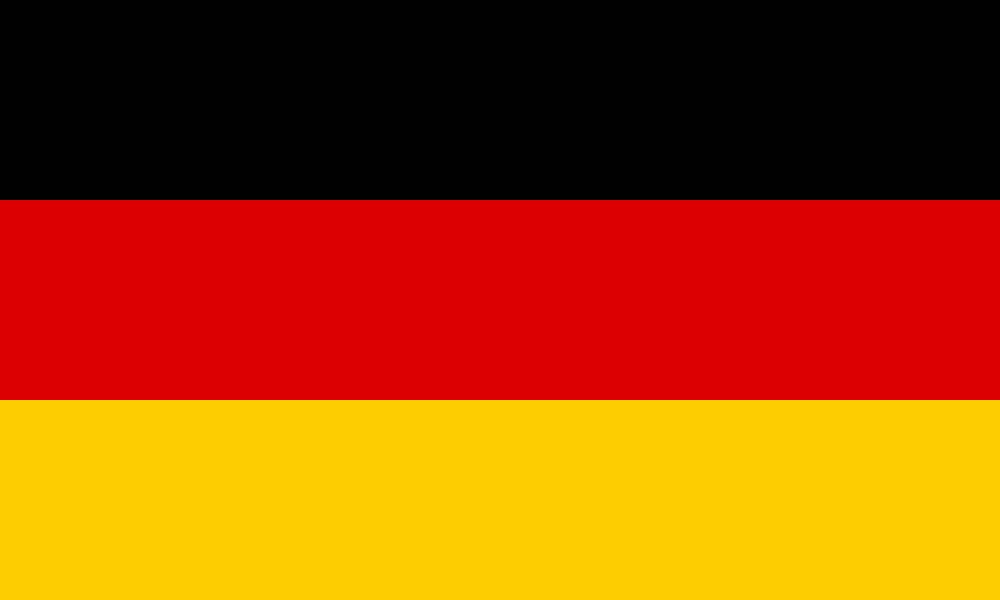
What the flag means
- Black, red and gold — the 19th-century movement for unity and democracy
Design set by: Grundgesetz für die Bundesrepublik Deutschland, Art. 22 Abs. 2; Anordnung über die deutschen Flaggen vom 13. November 1996 (BGBl. I S. 1729) · Adopted 1949
Highlights
- 🚗 Car giant of Mercedes and BMW
- 🍺 Oktoberfest and beer culture
- 🏰 Fairy-tale Neuschwanstein Castle
- 🎼 The music of Beethoven and Bach
- 🔧 Precision engineering and industry
Quick facts
- Region
- Europe · Western Europe
- Population
- 83,491,249 people (2025)
- Area
- 357,114 km²
- Capital
- Berlin
- Languages
- German, Turkish
- Currency
- Euro (EUR)
- Organizations
- United Nations, European Union, NATO, OECD
Similar flags
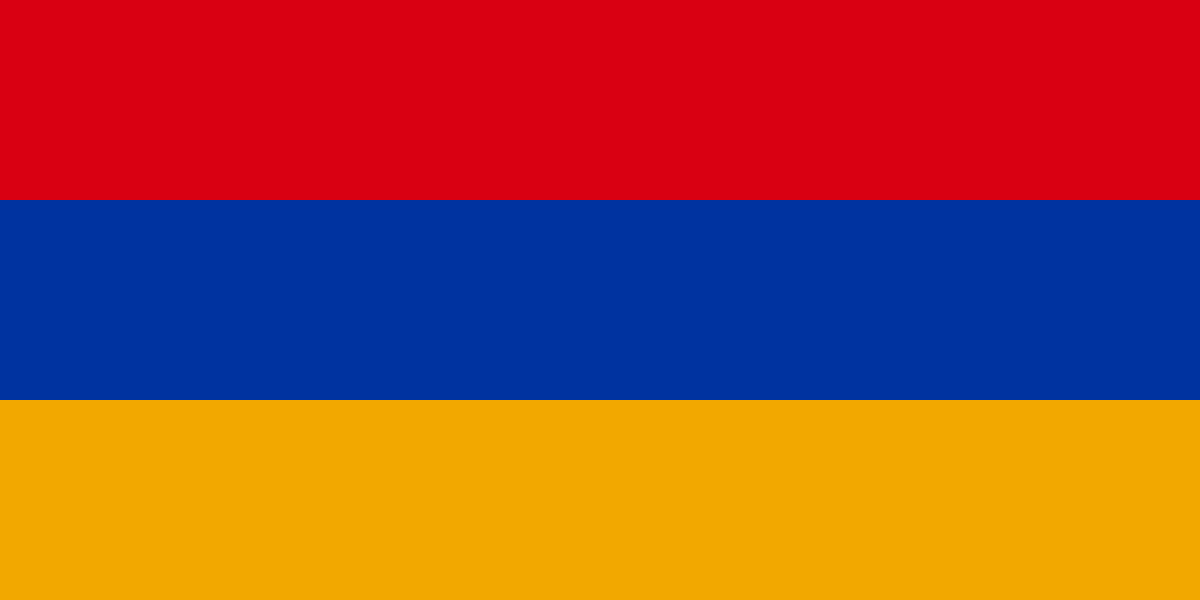
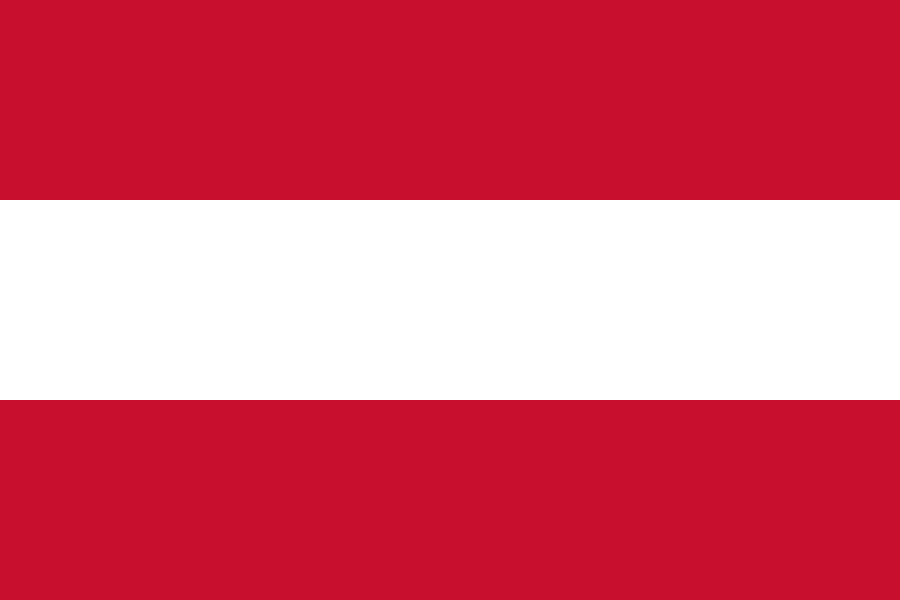
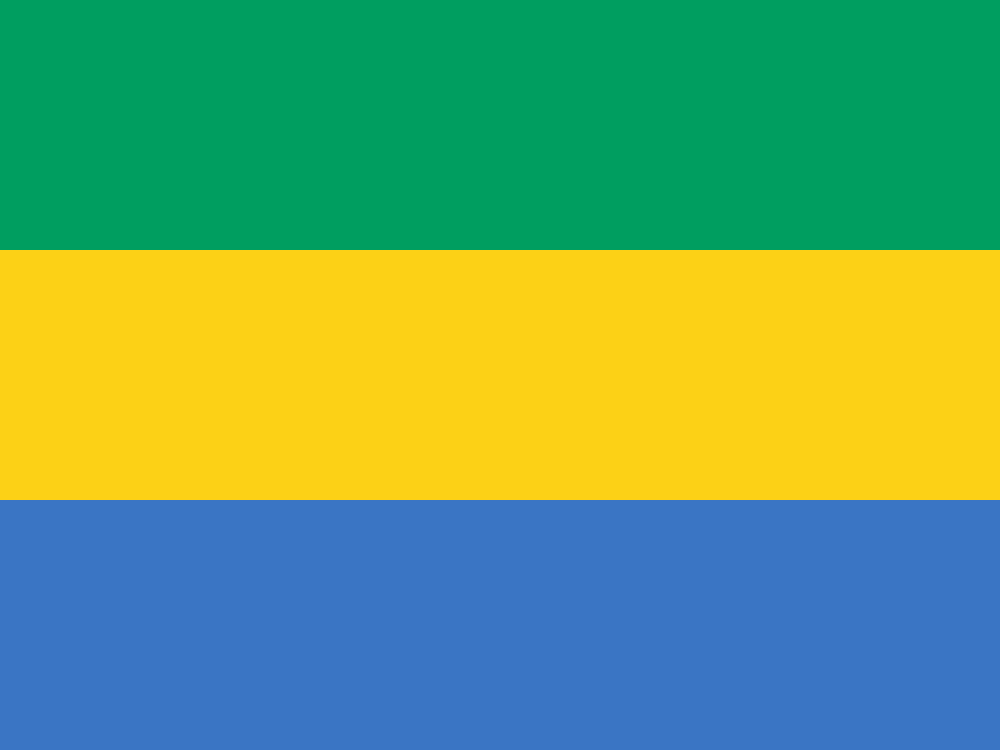
Horizontal tricolors

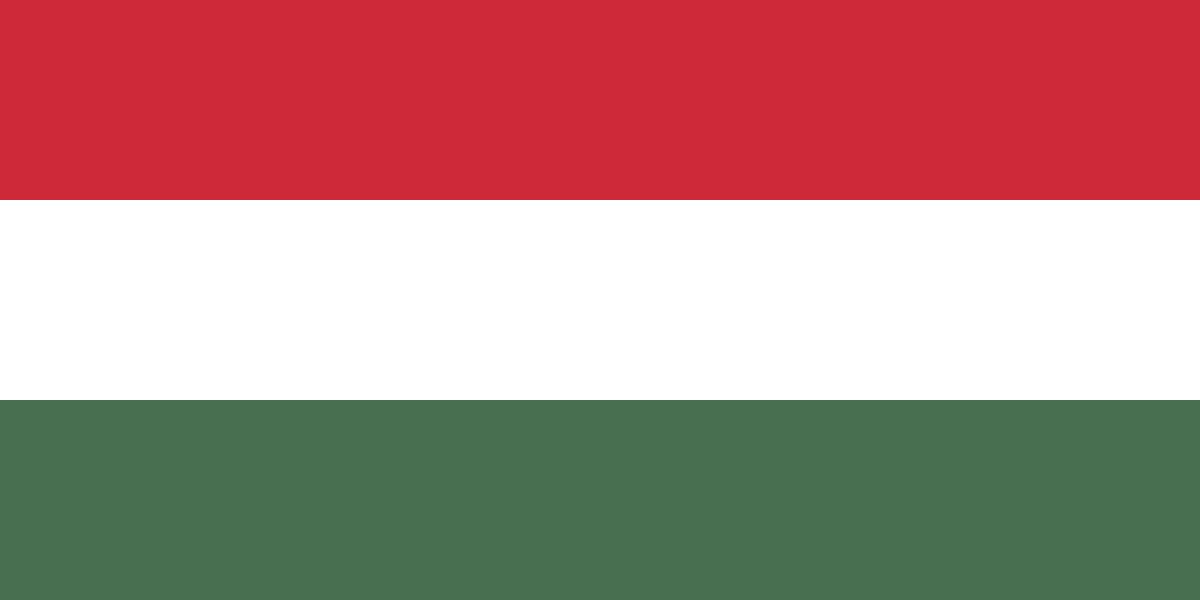
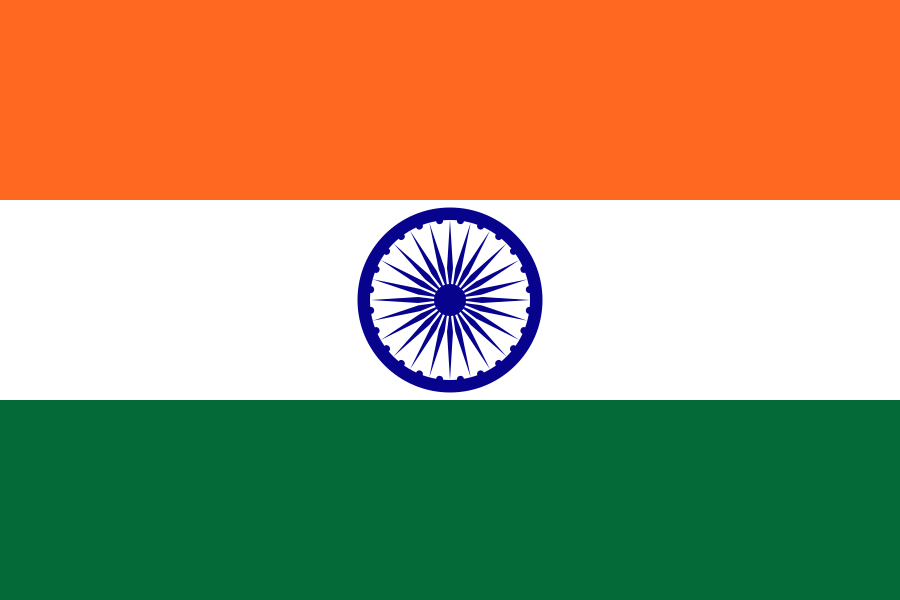
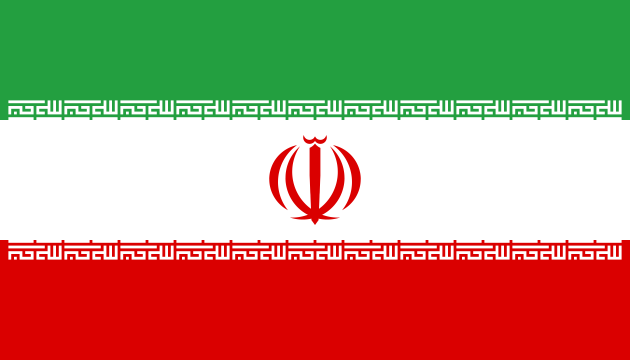
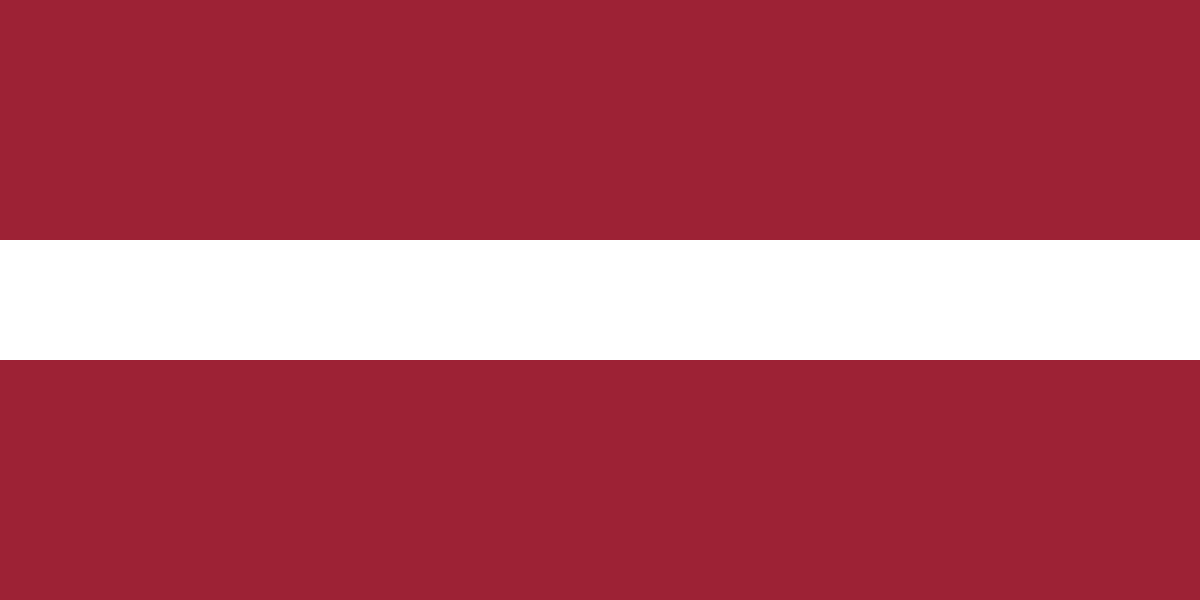
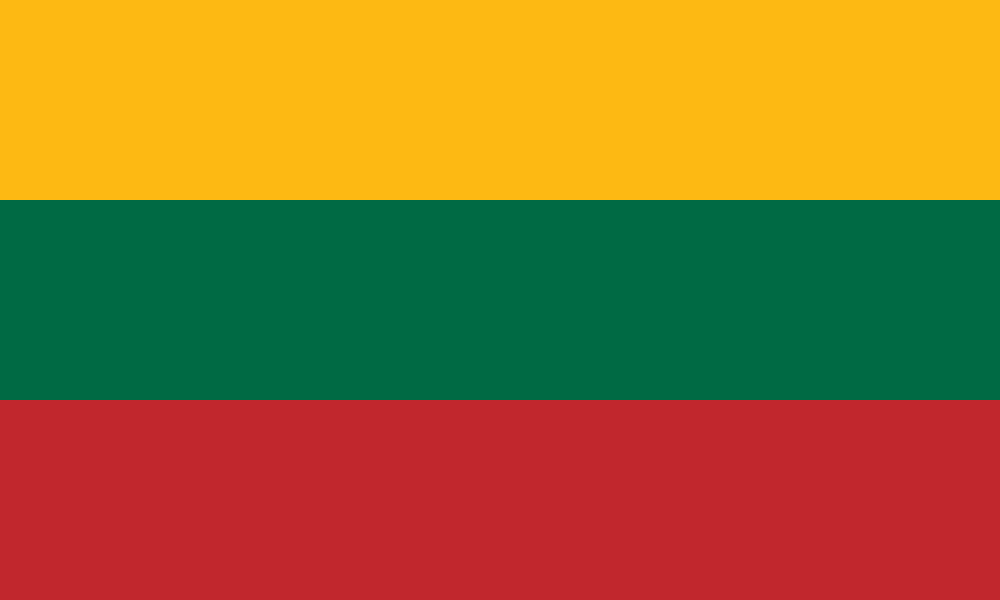
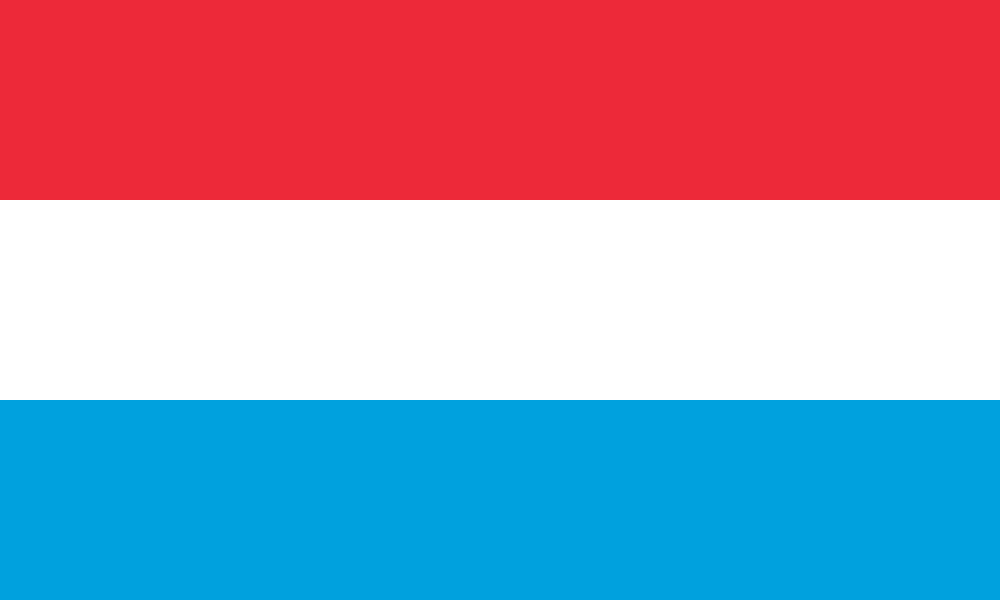
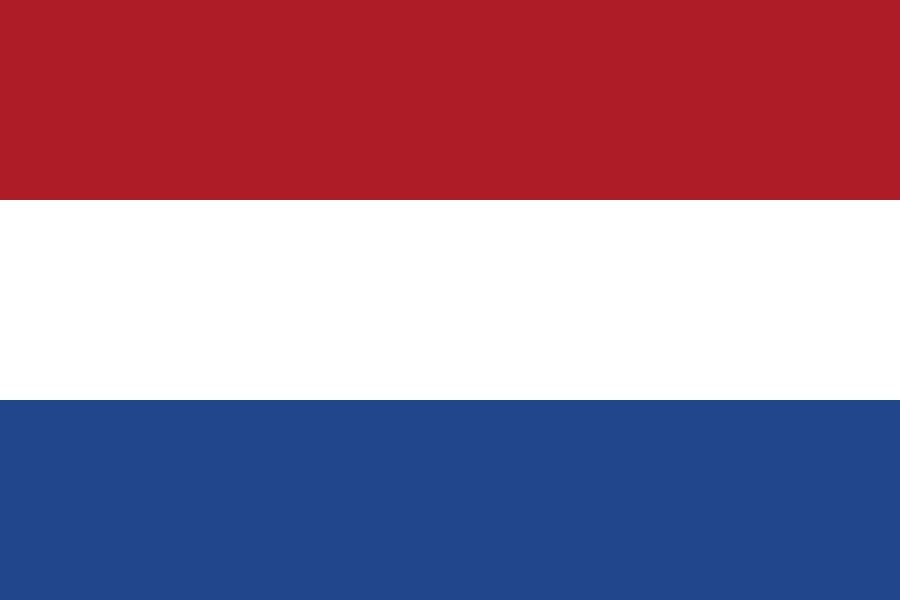
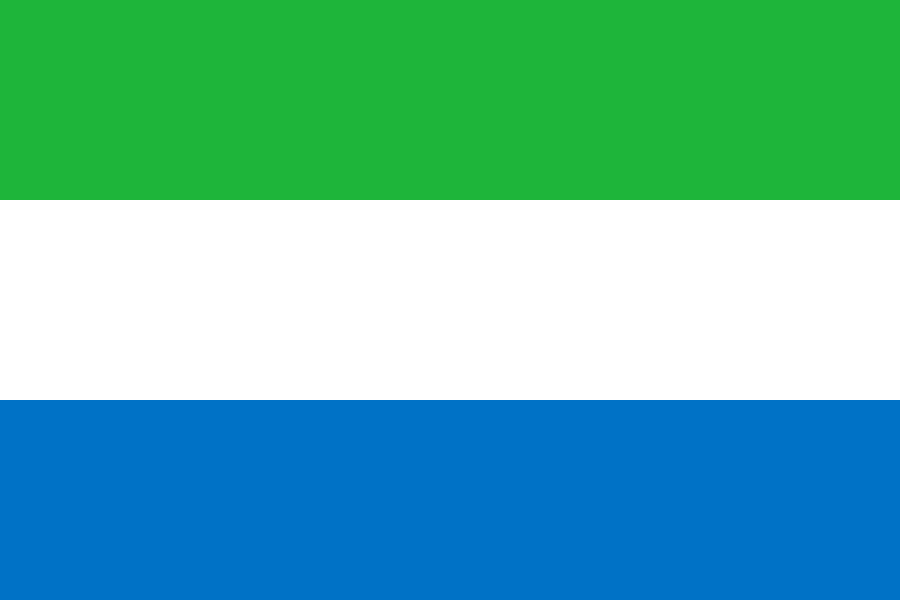
Neighboring countries




Land neighbors, approximated from simplified map outlines.
Symbols in History (12)
Coats of arms and emblems whose historic seat lies within this country’s present-day territory.
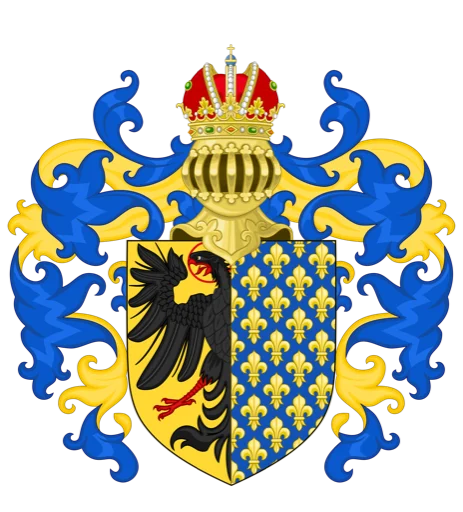
Arms Attributed to Charlemagne
OriginThe shield dividing the imperial eagle from the French lilies is attributed arms assigned by heralds centuries after Charlemagne's death. It is not a coat he actually used in his own lifetime but a design attached to his name in later times, which is why it is set apart as "later attributed arms".
DescriptionThe shield is divided vertically in half: on the gold left side is half of a black eagle with a red beak and claws, and on the blue right side gold lilies are strewn all over. Above the shield rests a crown with a red cap, gold arches and a cross at the top, and blue and gold leaf ornament wraps around it.
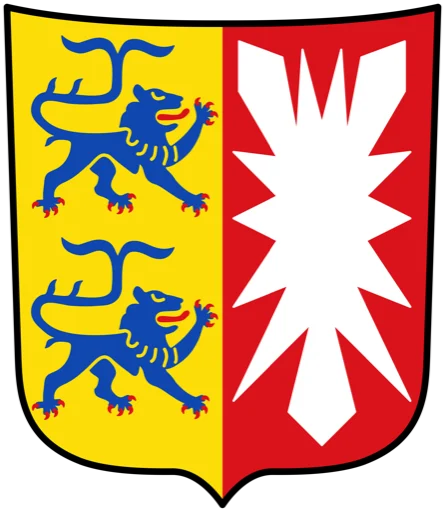
Arms of Holstein, the nettle leaf
OriginThe silver figure on a red field is the nettle leaf of Holstein.
DescriptionThe shield is divided vertically in two: on the left, on a golden field, two blue lions with red tongues and claws walk one above the other. On the right, on a red field, is a single silver nettle leaf, with two broad leaf points extending upward and one downward and slender spines rising between them, its left and right edges also serrated to points.
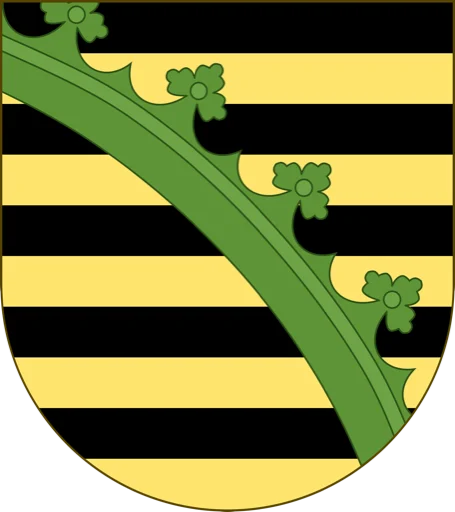
Arms of Saxony, of the House of Wettin line
OriginBlack and gold horizontal bars crossed diagonally by a green crancelin is the chief coat of Saxony and of the Wettin line.
DescriptionAcross a shield of ten alternating black and gold horizontal bars, a green wreath (the crancelin) runs diagonally from upper left to lower right. Along the upper edge of the wreath, rounded green leaves split into many lobes sprout at even intervals.
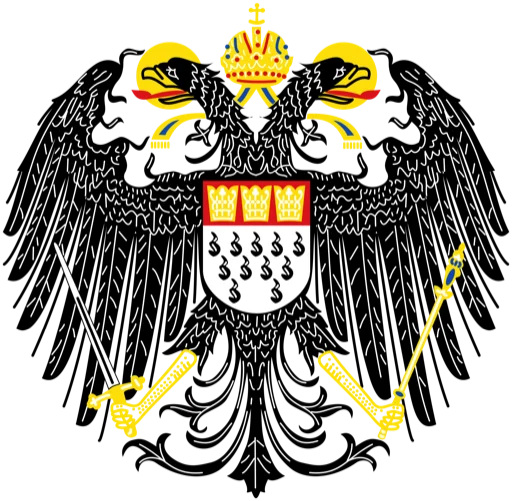
Arms of the City of Cologne
OriginThe shield of Cologne uses three crowns and eleven black flame- or drop-shaped charges.
DescriptionA black double-headed eagle has a gold halo behind each of its two heads and carries a gold crown topped by a cross between them, holding a sword in one gold foot and a sceptre in the other. On the shield at its breast, three gold crowns sit on a red band at the top, and on the silver field below eleven black flame-shaped charges are arranged in three rows of five, four and two.
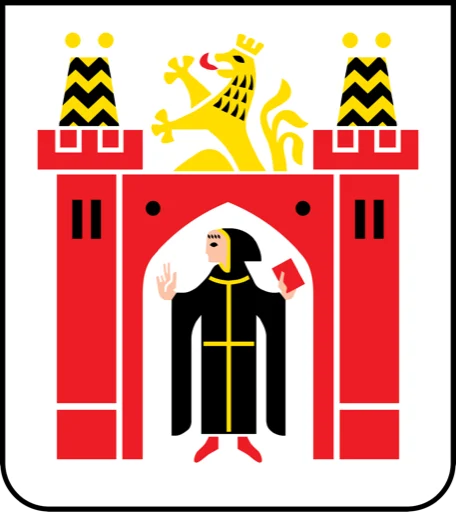
Arms of the City of Munich, the Münchner Kindl
OriginThe Münchner Kindl, a figure in a black monk's habit, is the signature image of Munich's city arms and connects to the "monk" origin of the city's name.
DescriptionOn a silver field stands a red gateway with two rising towers; the tower roofs carry black and yellow zigzag patterns topped with gold balls, and a gold lion appears above the gate. Under the arch stands a figure in a black monk's habit with a gold cross running down it, one hand raised and a red book in the other.
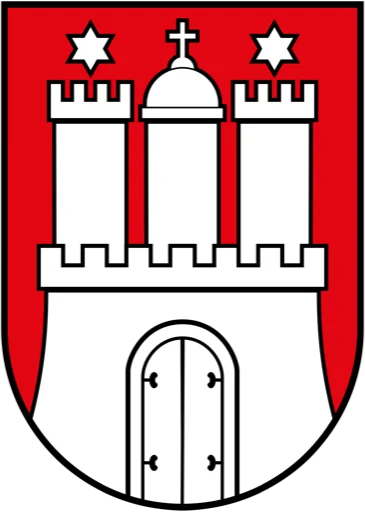
Arms of the Free and Hanseatic City of Hamburg
OriginThe white castle gate with three towers on a red field is the coat of the Free and Hanseatic City of Hamburg.
DescriptionOn a red field a silver castle is drawn: the central tower carries a cross on its domed roof, while the two flanking towers and the wall below are finished with battlements. The arched gate at the centre of the wall is closed by a pair of doors with black hinges, and a six-pointed star floats on either side of the central tower.
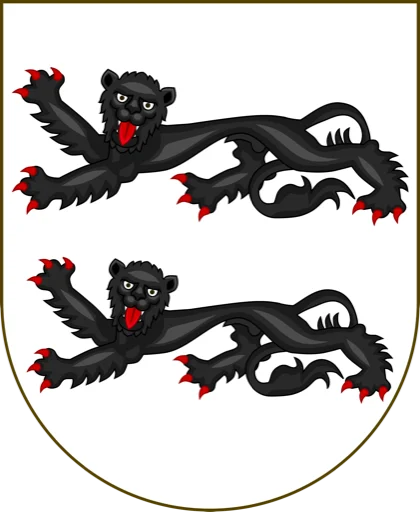
Arms of the House of Hohenlohe
OriginThe shield with two black leopard-lions on a silver field is the core coat of the House of Hohenlohe.
DescriptionOn a silver field two black leopard-lions are drawn walking one above the other. Both turn their faces to the front with red tongues out, and their claws are painted red as well.
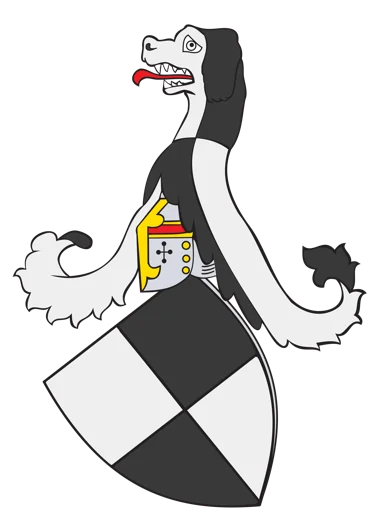
Arms of the House of Hohenzollern
OriginThe shield quartered in alternating silver and black is the emblematic coat of the House of Hohenzollern. Some accounts read the two colours as standing for poverty of spirit, decisiveness and integrity, but no evidence supporting that reading has been confirmed.
DescriptionA shield tilted at an angle is divided into four parts of silver and black, so that the upper left and lower right are silver and the upper right and lower left are black. Above the shield rests a silver helm with a crest of a hound's head divided in black and silver, and black and white mantling flows down on either side.
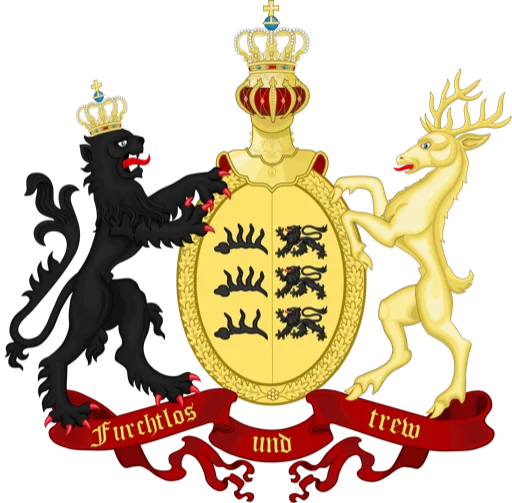
Arms of the Kingdom of Wurttemberg
OriginCombining the three antlers with the three lions of Swabia, with lion and stag supporters, belongs to the greater-arms series of the Kingdom of Wurttemberg.
DescriptionA gold oval shield is divided vertically: on the left are three black antlers, on the right three black lions with red tongues set one above another, and a gold leafy wreath surrounds the shield. A crowned black lion supports it from the left and a horned pale-yellow stag from the right; above is a crown with a red cap, and the red ribbon below reads 'Furchtlos und trew'.
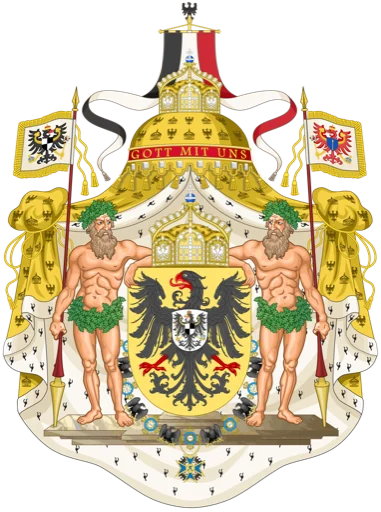
Greater Arms of the German Empire
OriginThese are the greater arms of the German Empire, combining the black imperial eagle with Prussian and Hohenzollern elements. Even between 1871 and 1918 the versions laid down in law differed from one another, and which year's enactment this picture shows has not yet been confirmed.
DescriptionOn a golden shield a black eagle with red beak and legs spreads its wings, and on its breast is a silver shield bearing a crowned black eagle, over which in turn is set a small shield quartered in black and white. To the left and right of the shield stand two wild men wreathed in leaves, leaning on lances with banners; on the red band of the golden pavilion above are the words 'GOTT MIT UNS', and below hangs the collar of an order.
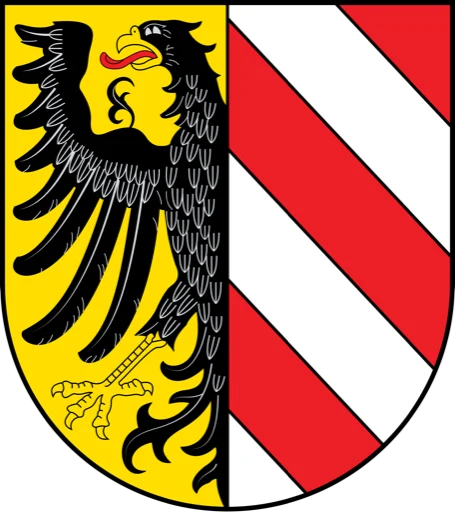
Lesser arms of Nuremberg, the half eagle and the diagonal bands
OriginThese are the lesser arms used by Nuremberg as a free imperial city. The shield is divided vertically in half, with half of the black eagle of the Holy Roman Emperor on one side and red and white diagonal bands on the other. The half eagle shows that the city was an imperial city answering directly to the emperor, and the diagonal bands are the city's own device. It is a different coat from the great arms of Nuremberg, in which a single eagle with a human head fills the whole shield.
DescriptionThe shield is split vertically into halves: on the left half, on a gold field, is half of a black eagle showing a gold beak, a red tongue and gold talons. The right half carries red and white bands running slantwise one after another from the upper left to the lower right.
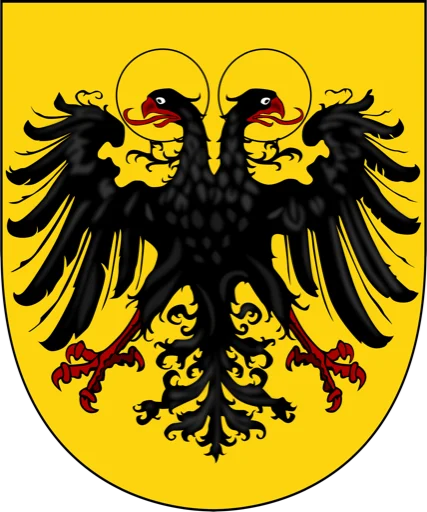
The Imperial Eagle of the Holy Roman Empire
OriginThe black imperial eagle is the emblematic device of the Holy Roman Empire, and the double-headed form became established in the later Middle Ages.
DescriptionOn a golden field a black double-headed eagle spreads its wings wide, with a slender halo encircling each of the two heads. The beaks and tongues, legs and claws are painted red, and there is no shield added on the breast.


State & regional flags (16)
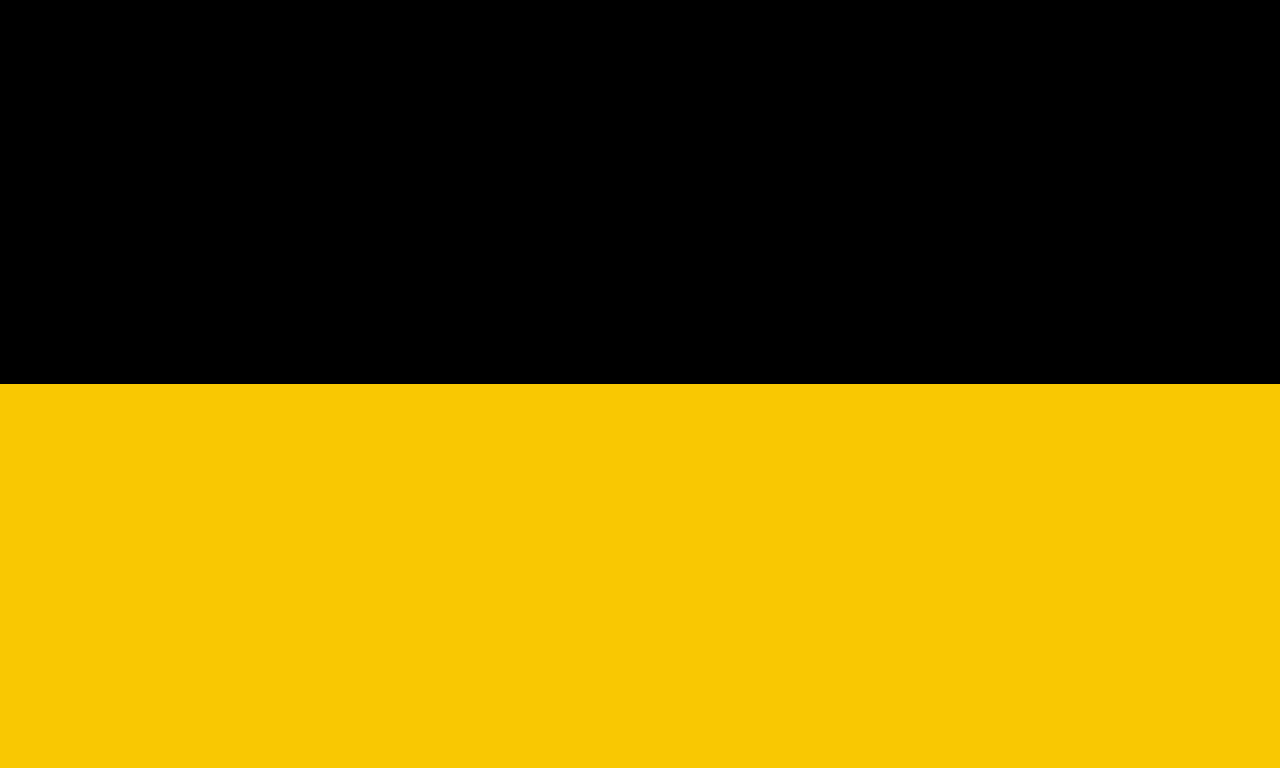
Baden-Württemberg
Two bands only — black across the top, deep gold below — with no shield or emblem anywhere on the cloth.

Bavaria
Two horizontal bands, white above and sky blue below — Bavaria's striped flag. White and blue are the Bavarian colours inherited from the House of Wittelsbach; this flag and the lozenge version are both official.
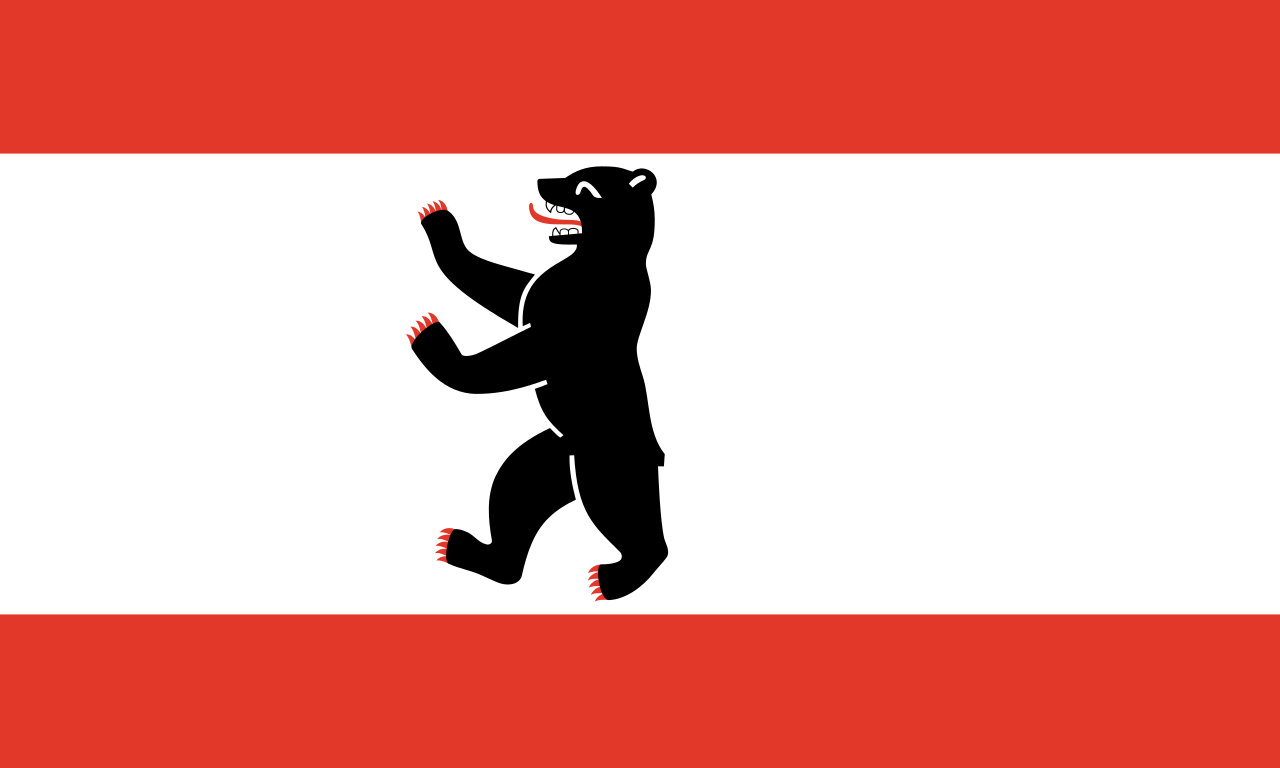
Berlin
A black bear walks upright across the white middle stripe, red tongue showing and red claws on every paw, framed by a red band above and below.
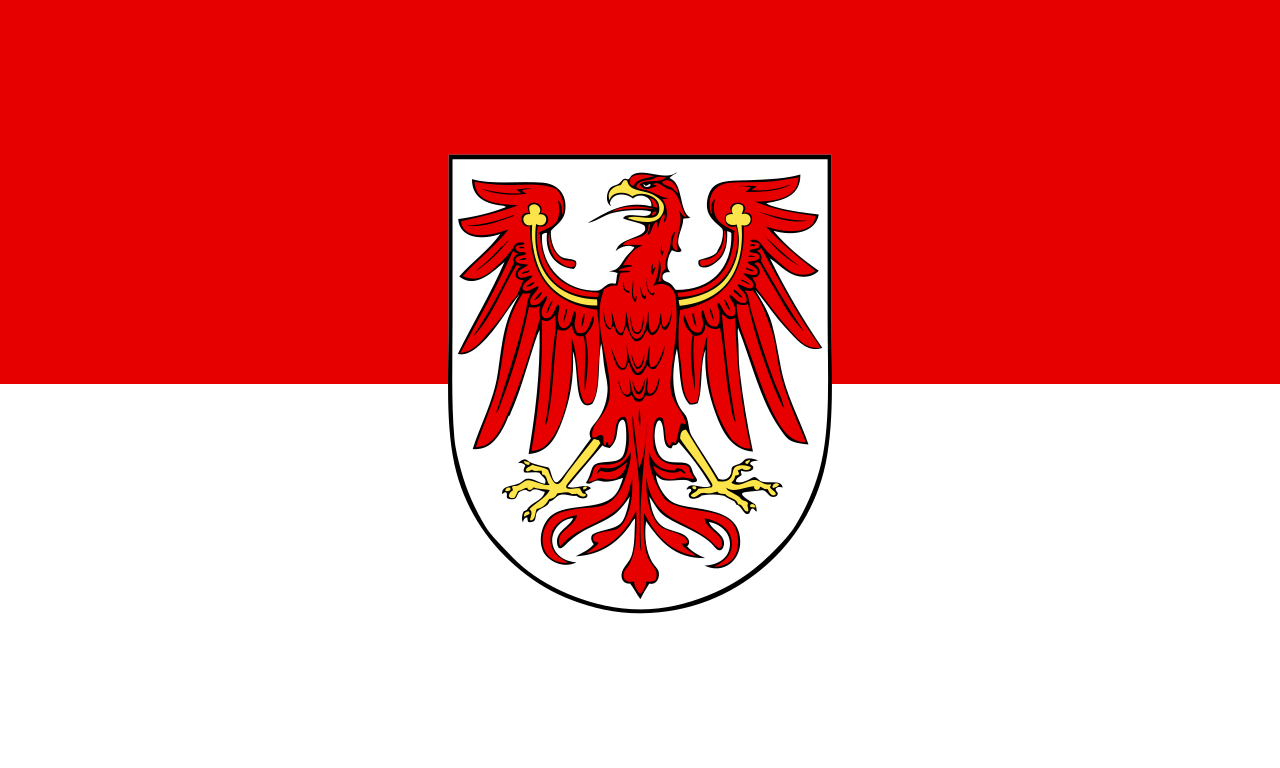
Brandenburg
A white shield sits across the join of the red and white halves, holding a red eagle with a gold beak, gold talons and gold clover-shaped trim on its wings.
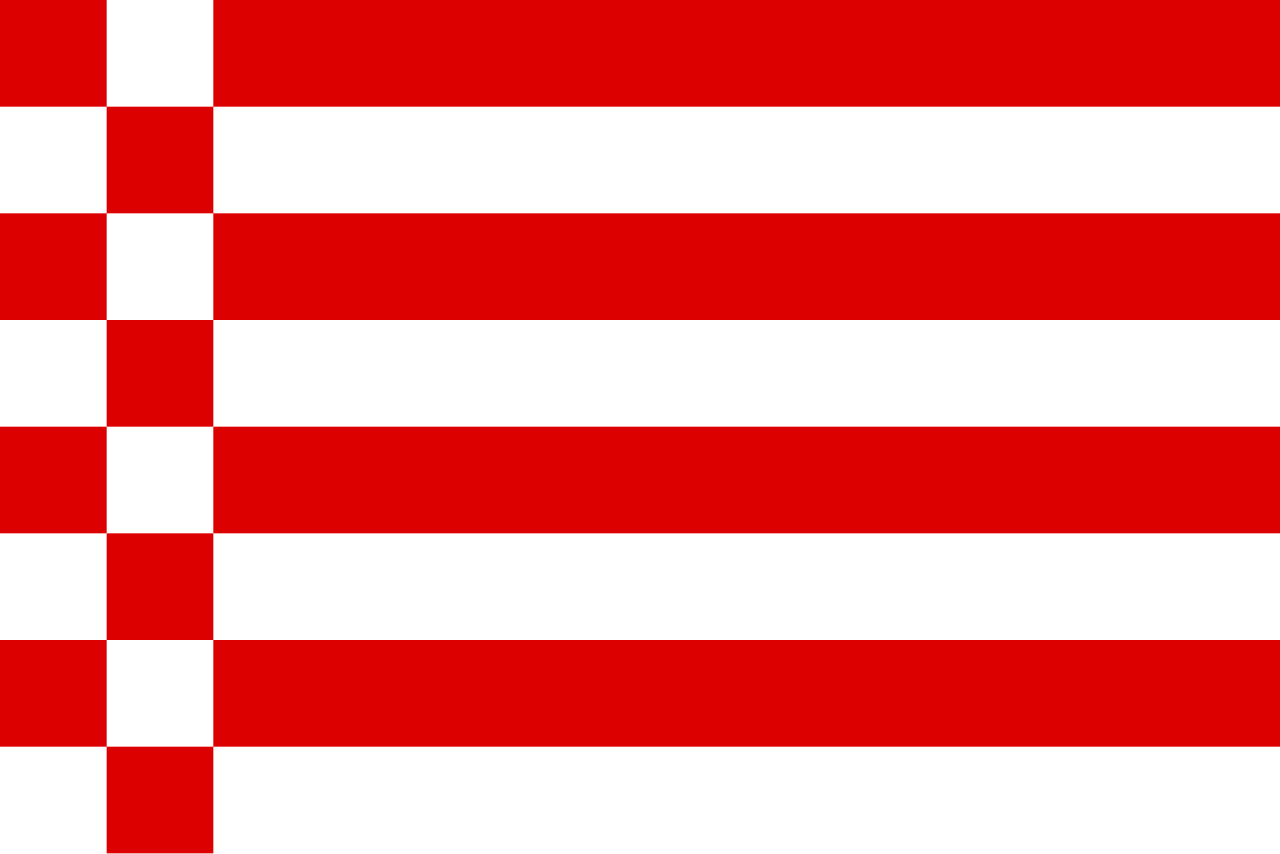
Bremen
Red and white stripes run the whole length, and at the hoist the same two colours break into a chequered band two squares wide.
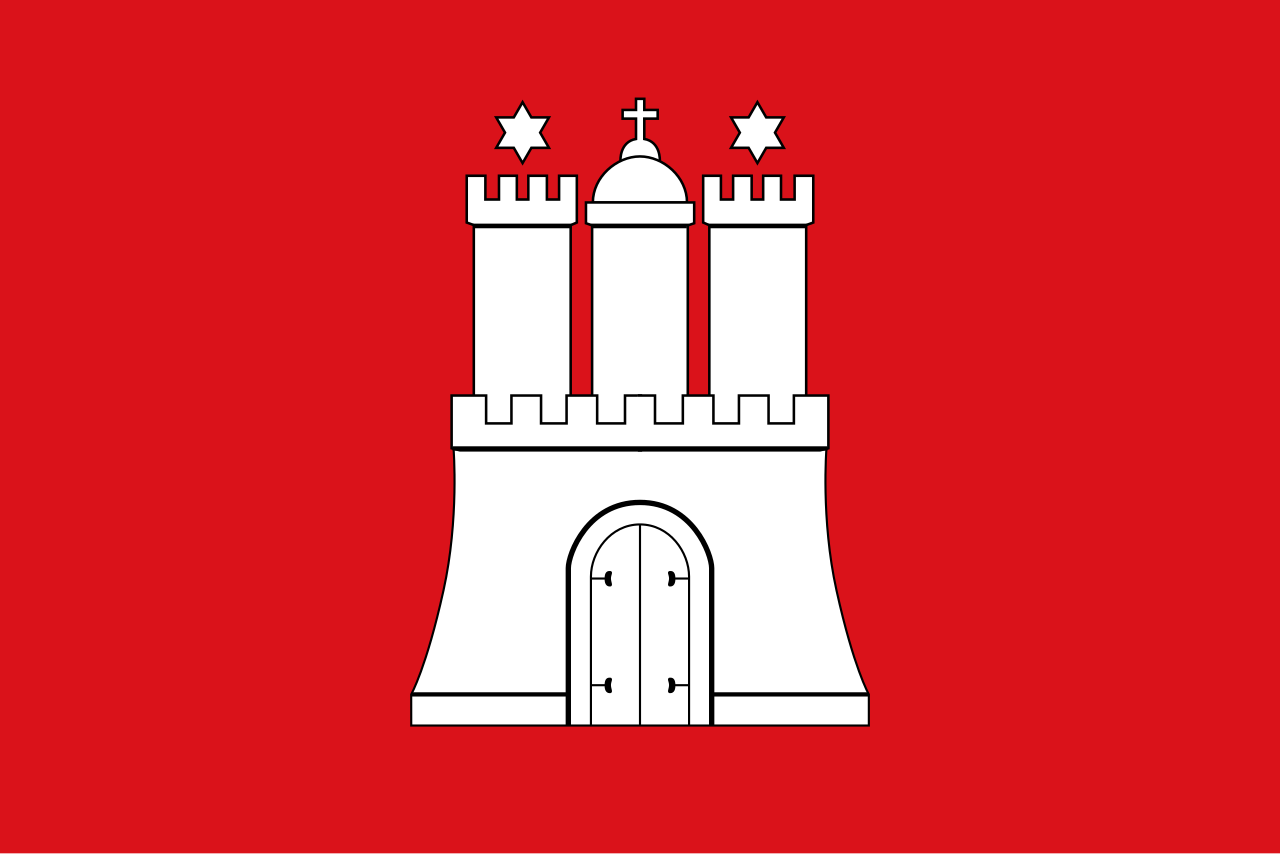
Hamburg
On plain red stands a white castle: three towers, the middle one domed and crowned with a cross, the outer two each under a six-pointed star, with a closed gate below.
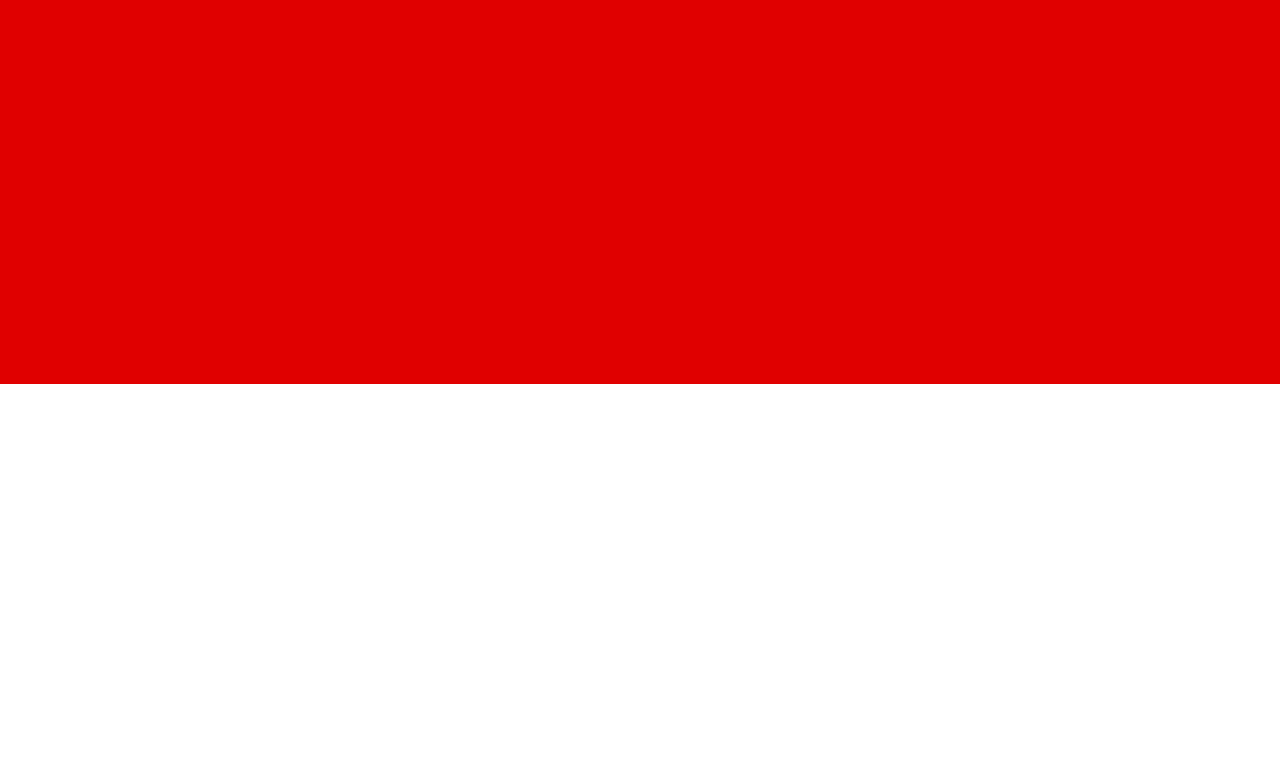
Hesse
The cloth is halved straight across, red on the upper half and white on the lower, carrying no shield or badge at all.
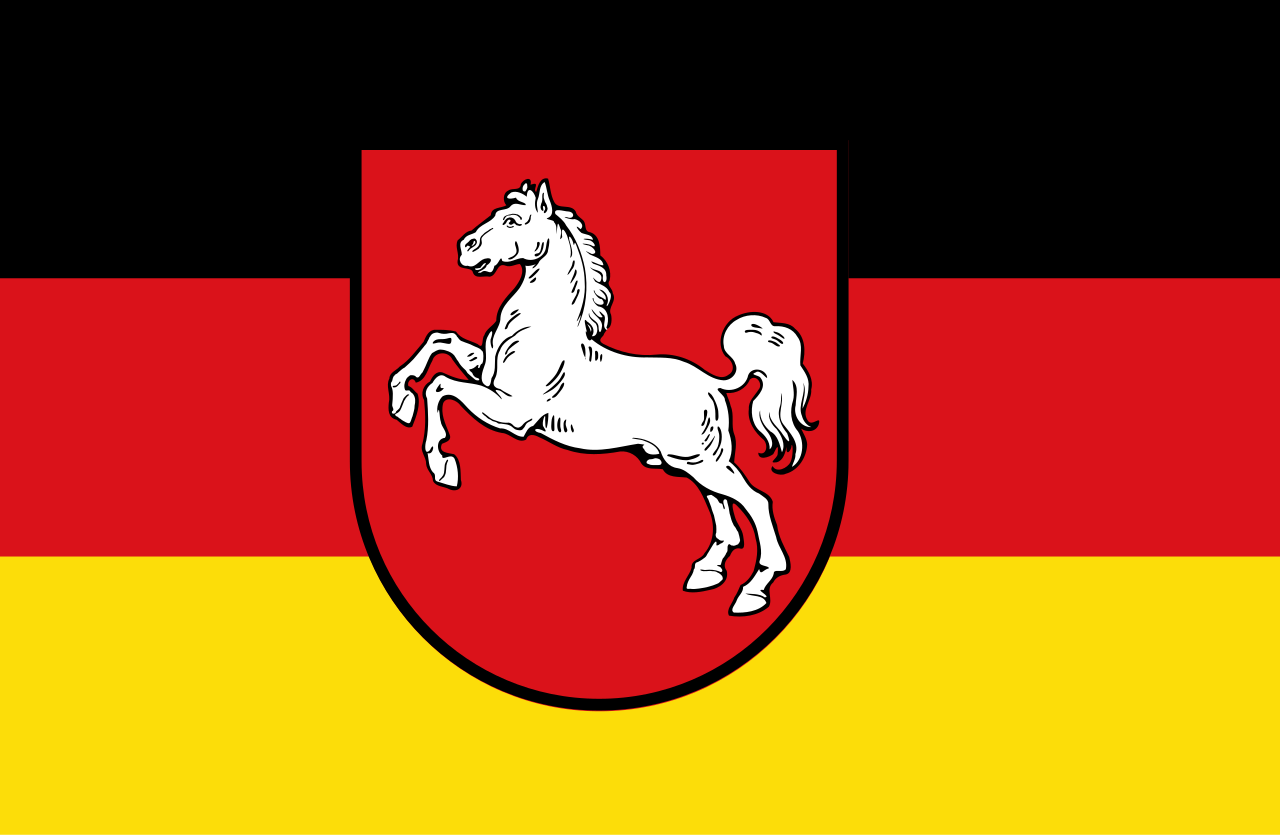
Lower Saxony
Germany's black, red and gold stripes carry a red shield at the centre, and inside it a white horse leaps with both forelegs off the ground.
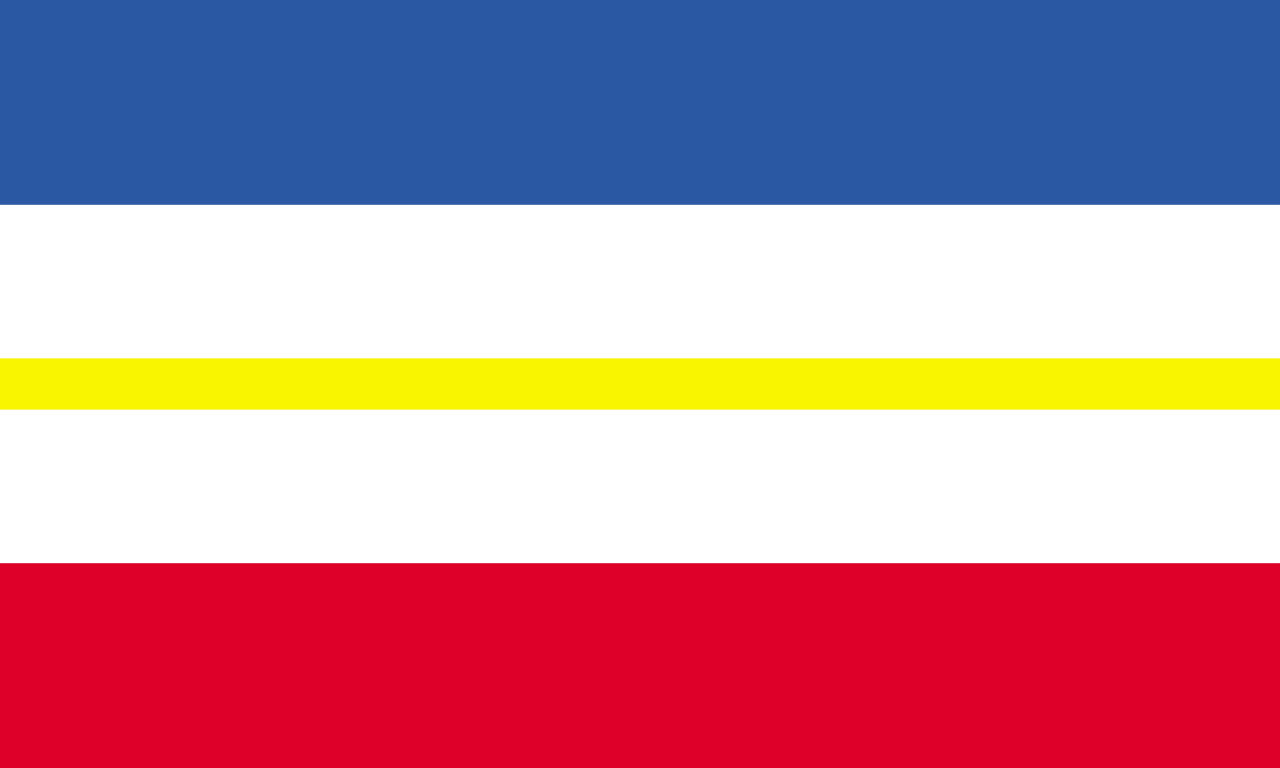
Mecklenburg-Vorpommern
Blue at the top and red at the foot, with a broad white band between them that a single thin yellow line runs straight through.
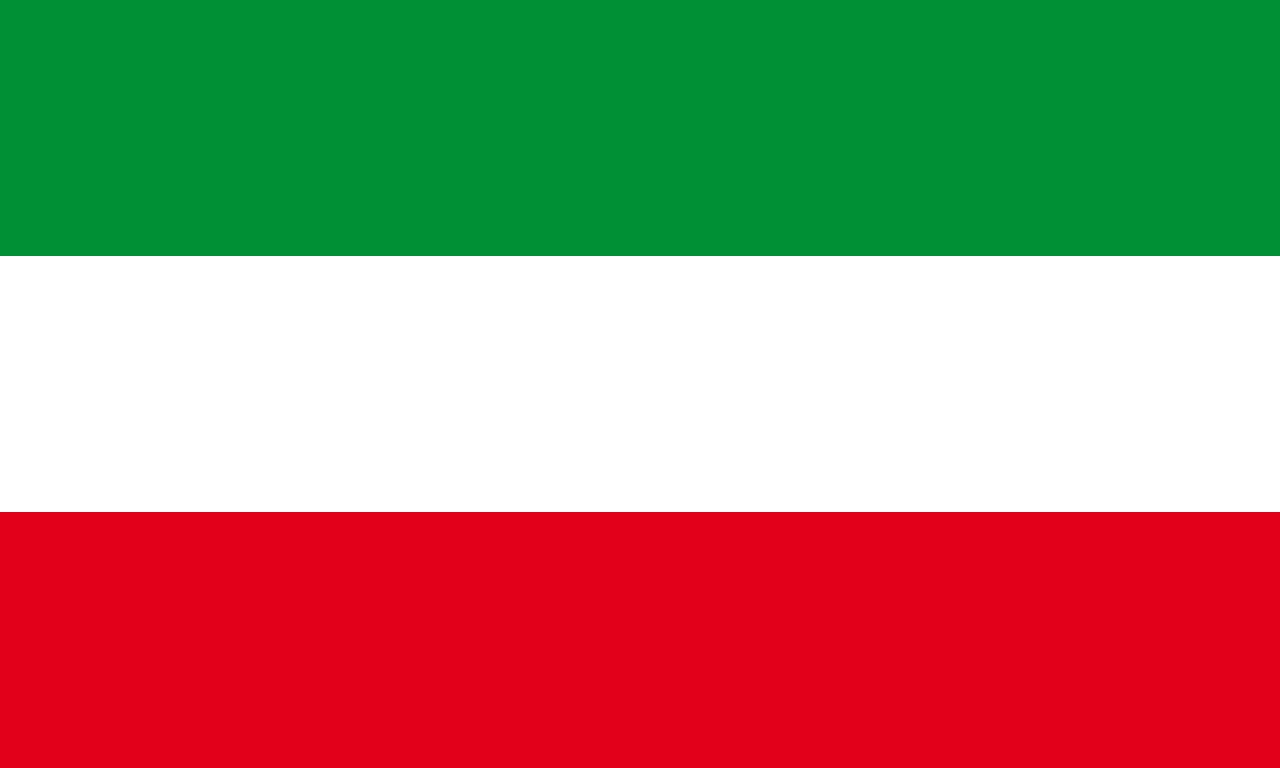
North Rhine-Westphalia
Green, white and red run in three equal bands across the cloth, with nothing placed on top of them.
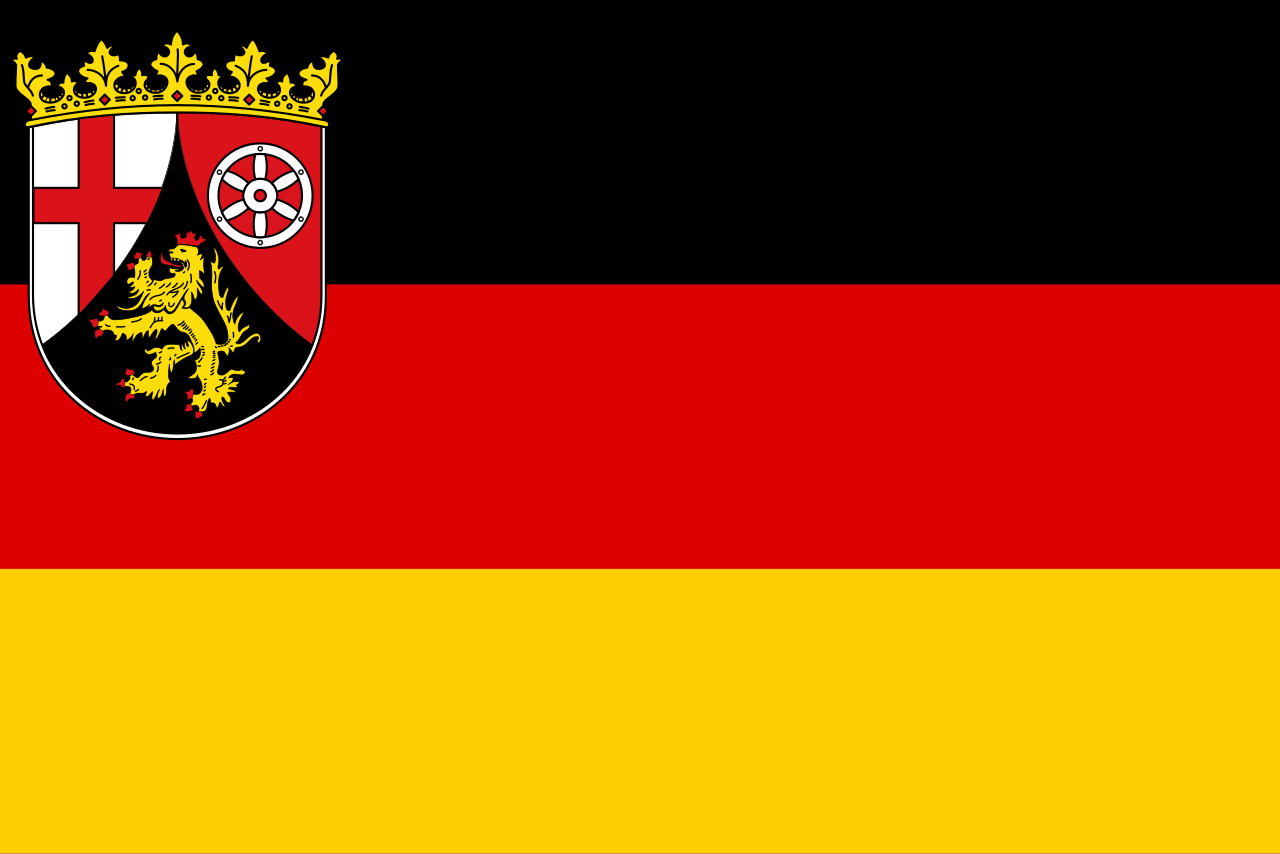
Rhineland-Palatinate
Black, red and gold stripes with a crowned shield at the hoist: a red cross, a white six-spoked wheel and a gold crowned lion on black.
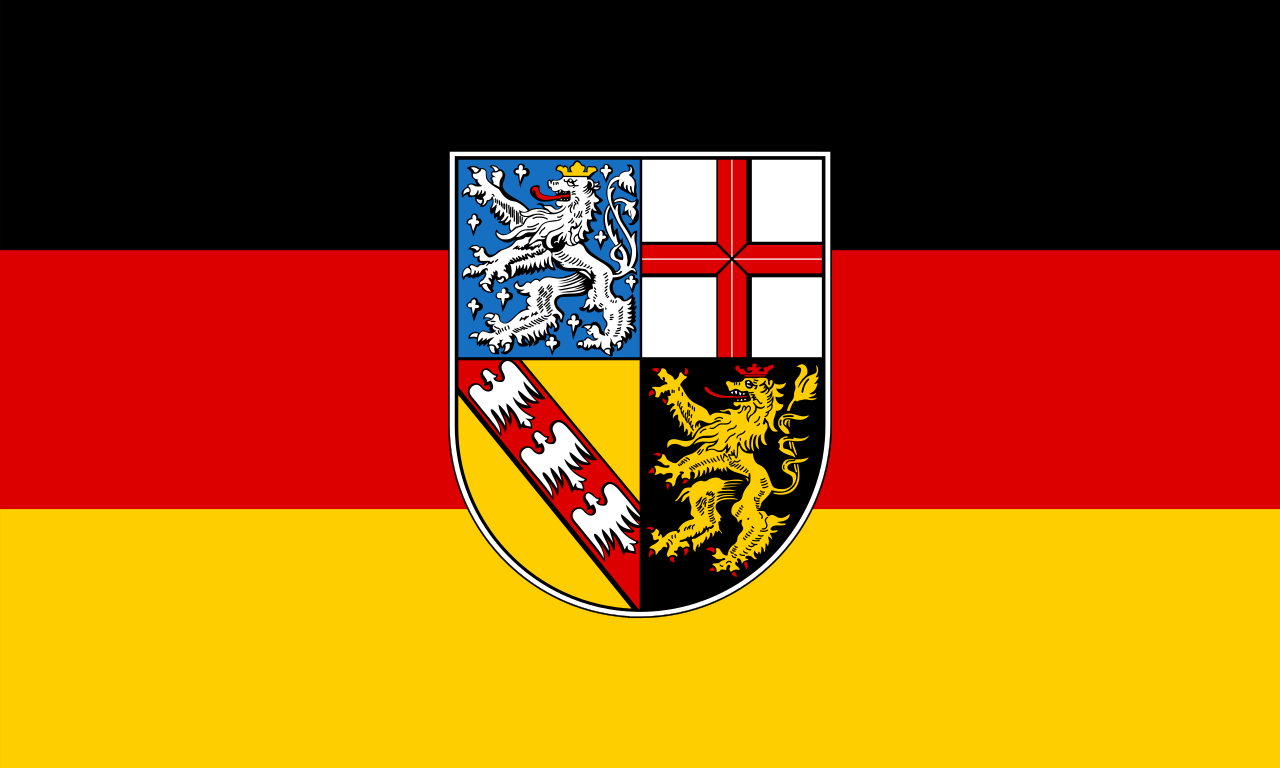
Saarland
A quartered shield sits in the middle of the black-red-gold: a silver lion on blue, a red cross, three white eaglets on a red band, and a gold lion on black.

Saxony
The upper half is white and the lower half a deep forest green; nothing at all is drawn on either band.
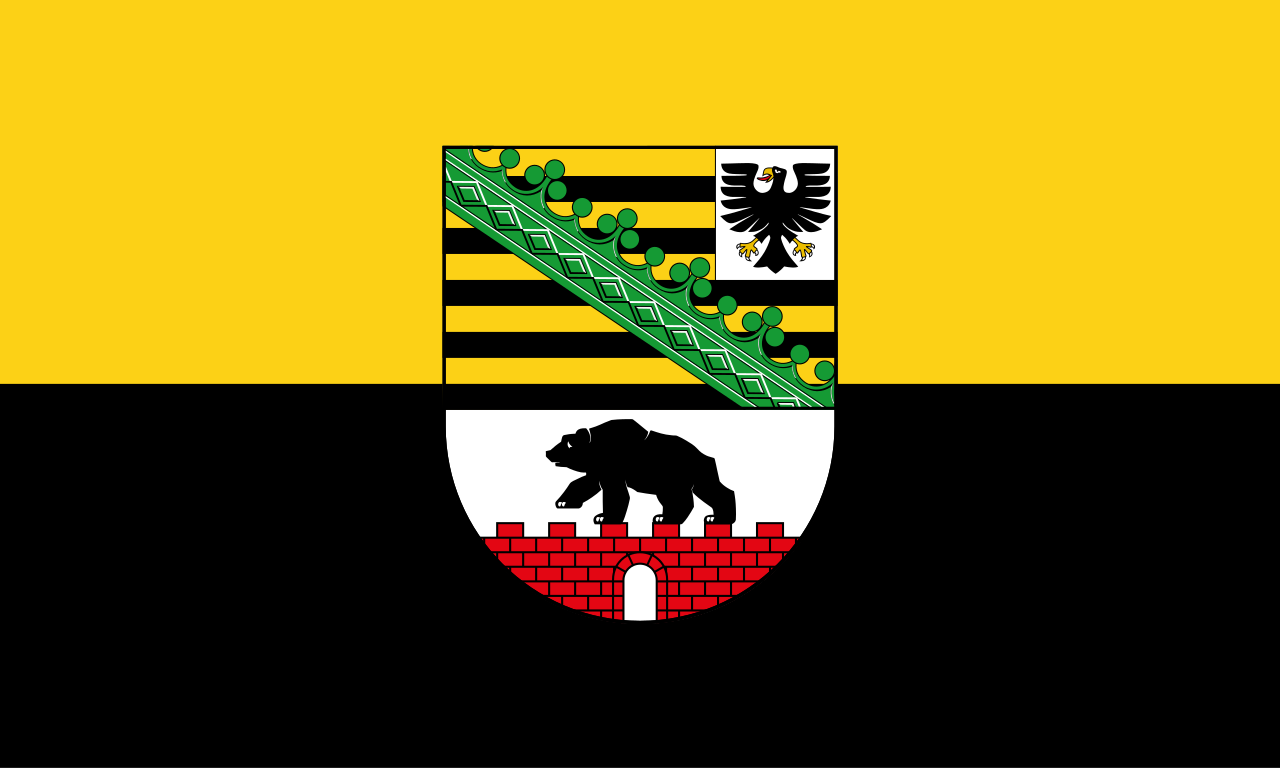
Saxony-Anhalt
Yellow over black, centred on a shield: black-and-gold stripes crossed by a leafy green diagonal, a black eagle, and a black bear pacing a red brick wall.
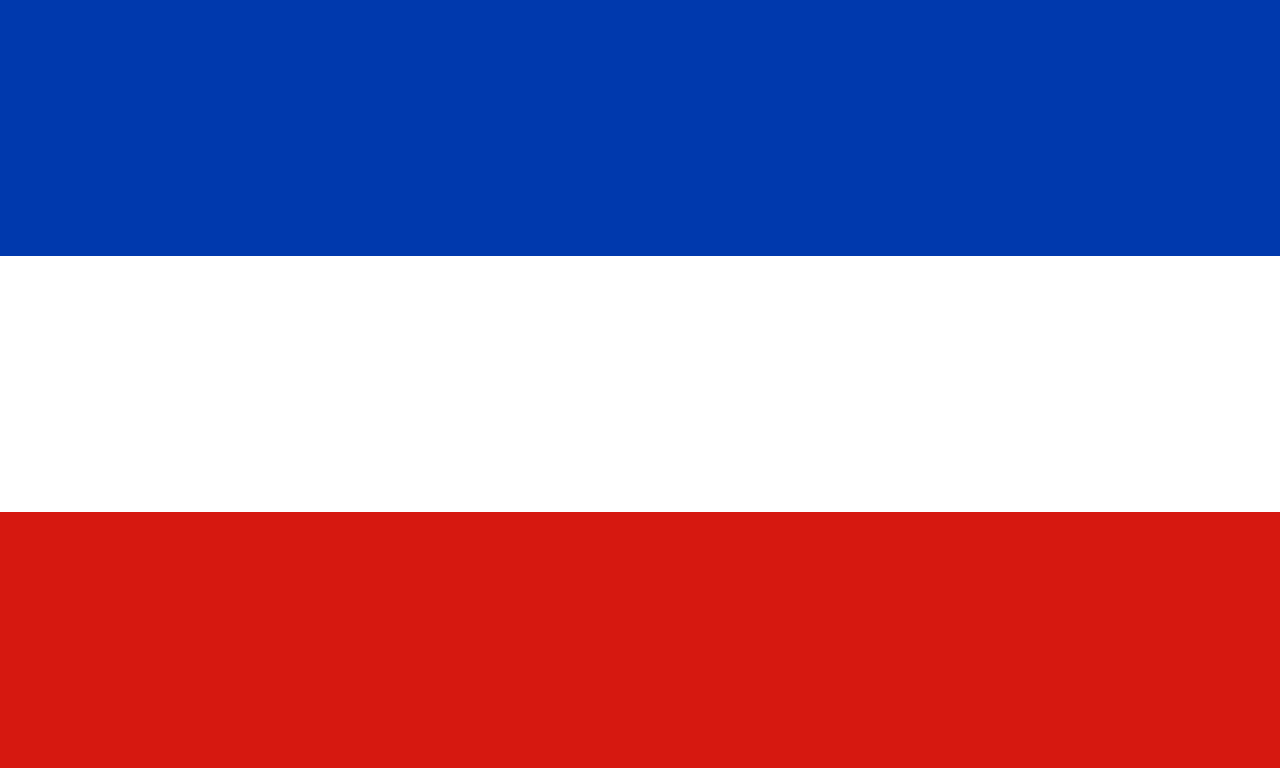
Schleswig-Holstein
Blue on top, white in the middle, red at the bottom - a plain tricolour flown without any emblem.
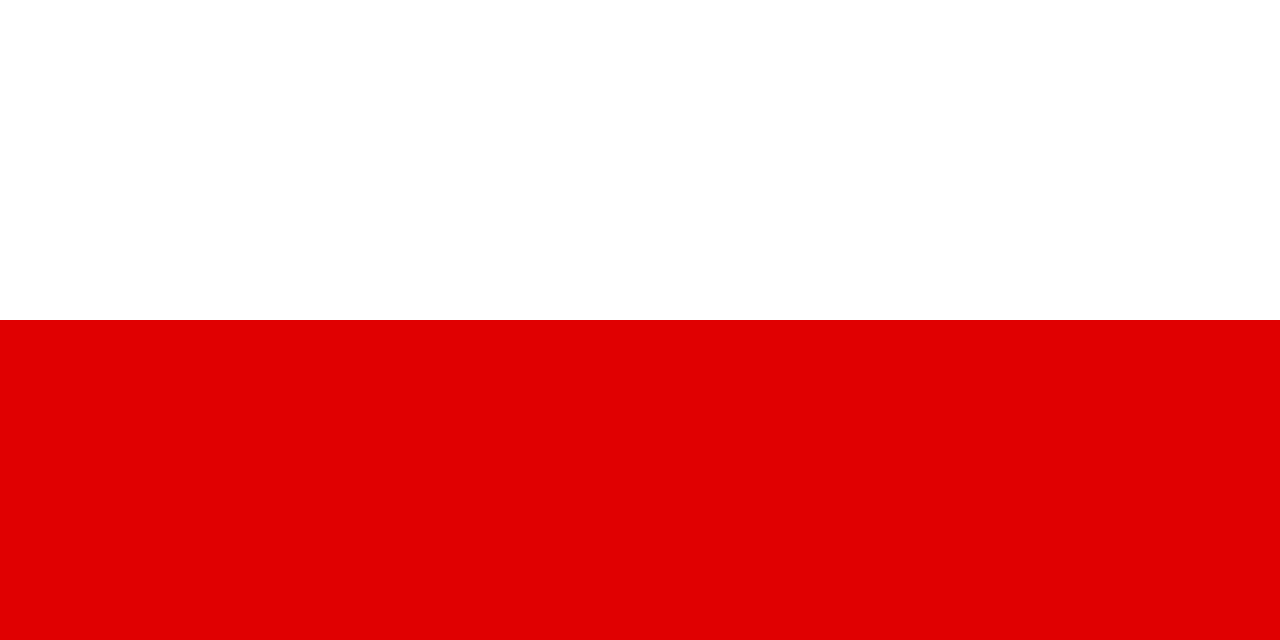
Thuringia
A white stripe sits above a red one, and that is the whole design - no shield, no lettering, no charge.
Data Sources
- What the flag means: Grundgesetz für die Bundesrepublik Deutschland, Art. 22 Abs. 2; Anordnung über die deutschen Flaggen vom 13. November 1996 (BGBl. I S. 1729)
- Population: Population, total (SP.POP.TOTL), latest available value
- Area: World countries in JSON, CSV, XML and YAML
- Organizations: Membership of Principal UN Organs
- Organizations: Member States of the European Union
- Organizations: What is NATO? Member countries
- Organizations: Members and partners