Flag of Luxembourg
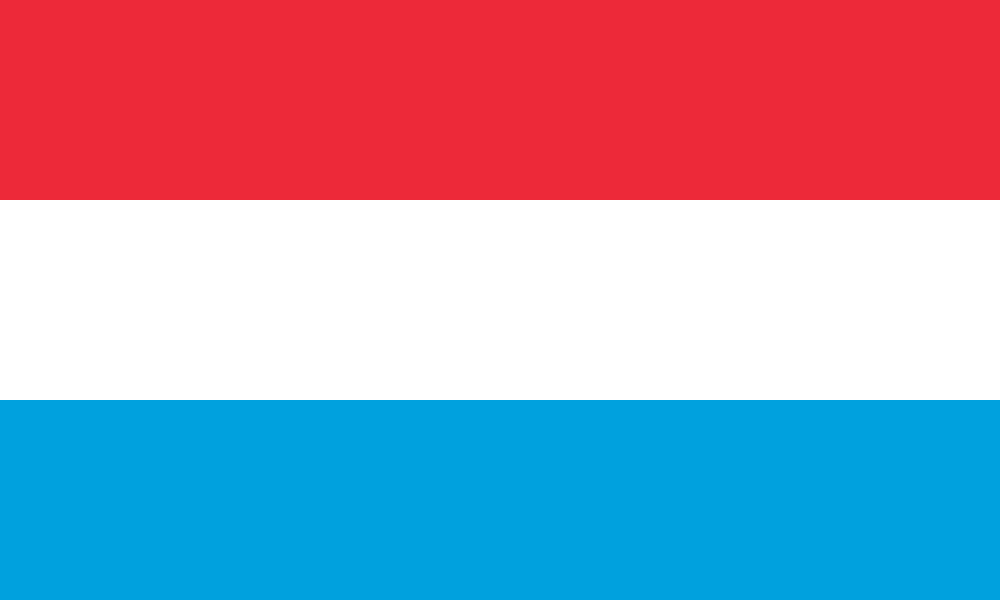
What the flag means
- Red, white and light blue — from the arms of the Grand Duke (similar to the Netherlands)
Design set by: Loi du 23 juin 1972 sur les emblèmes nationaux, art. 3 (modifiée par la loi du 27 juillet 2007) · Adopted 1972
Highlights
- 🏰 Clifftop castles and fortresses
- 🌳 The beautiful Ardennes forest
- 🇪🇺 A key center of the EU
- 💰 Stable economy, great living
- 🏞️ Picture-perfect valley views
Quick facts
- Region
- Europe · Western Europe
- Population
- 686,970 people (2025)
- Area
- 2,586 km²
- Capital
- Luxembourg
- Languages
- Luxembourgish, French
- Currency
- Euro (EUR)
- Organizations
- United Nations, European Union, NATO, OECD
Similar flags
Horizontal tricolors
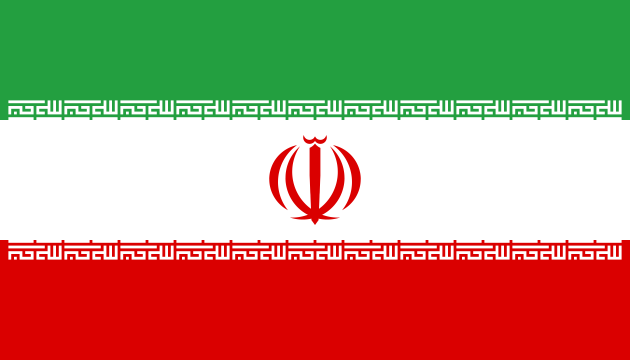
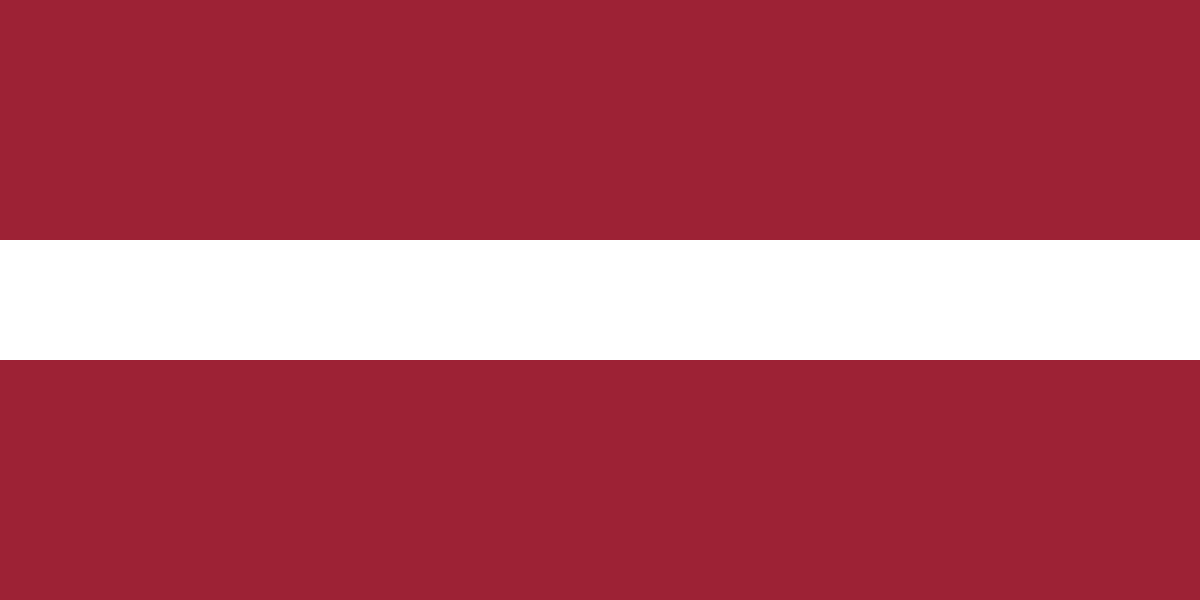
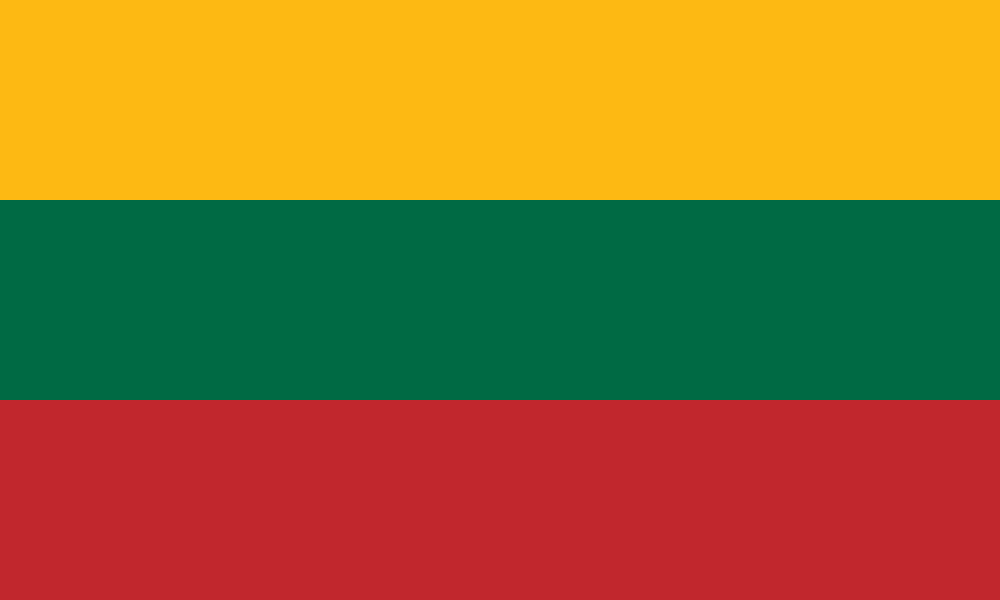
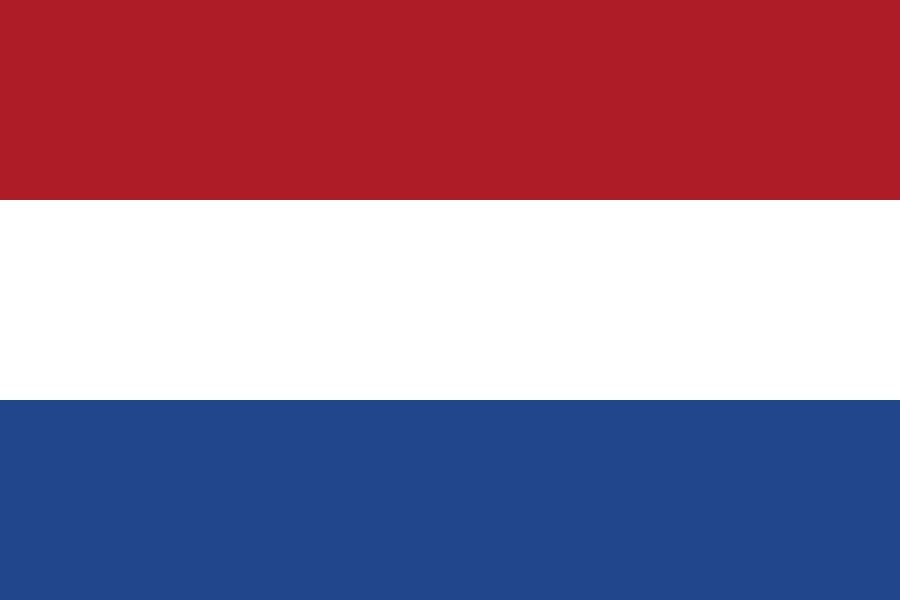
Neighboring countries
Land neighbors, approximated from simplified map outlines.
Symbols in History (1)
Coats of arms and emblems whose historic seat lies within this country’s present-day territory.
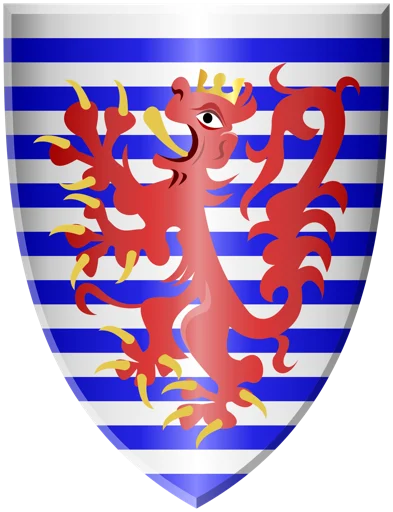
Arms of the House of Luxembourg
OriginA red double-tailed lion over silver and blue horizontal bars is the core of the arms of Luxembourg.
DescriptionOn a shield of closely alternating silver and blue horizontal bars a red lion rears on its hind legs. The lion wears a golden crown and its claws and tongue are gold as well, and its tail is forked in two and curls upward.

Data Sources
- What the flag means: Loi du 23 juin 1972 sur les emblèmes nationaux, art. 3 (modifiée par la loi du 27 juillet 2007)
- Population: Population, total (SP.POP.TOTL), latest available value
- Area: World countries in JSON, CSV, XML and YAML
- Organizations: Membership of Principal UN Organs
- Organizations: Member States of the European Union
- Organizations: What is NATO? Member countries
- Organizations: Members and partners