Flag of the Netherlands
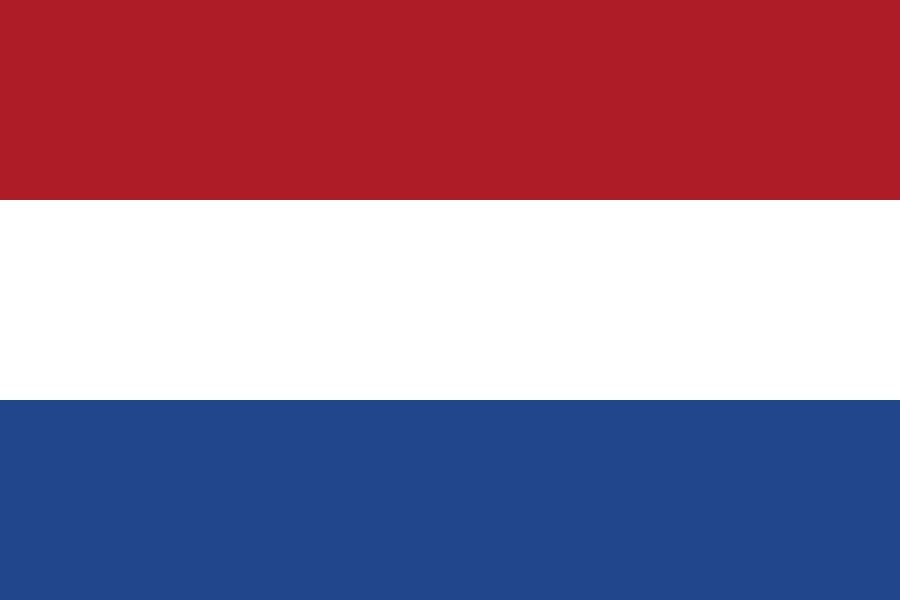
What the flag means
- Red, white and blue — originally orange (the Prince of Orange), later changed to red
Design set by: Koninklijk Besluit van 19 februari 1937 houdende vaststelling van de kleuren van de vlag van het Koninkrijk der Nederlanden · Adopted 1937
Highlights
- 🌷 Tulips and windmill scenery
- 🚲 A cyclist's paradise
- 🎨 Masters Van Gogh and Rembrandt
- 💧 Land reclaimed from the sea
- 🧀 A rich and varied cheese culture
Quick facts
- Region
- Europe · Western Europe
- Population
- 18,087,633 people (2025)
- Area
- 41,850 km²
- Capital
- Amsterdam
- Languages
- Dutch, English
- Currency
- Euro (EUR)
- Organizations
- United Nations, European Union, NATO, OECD
Similar flags
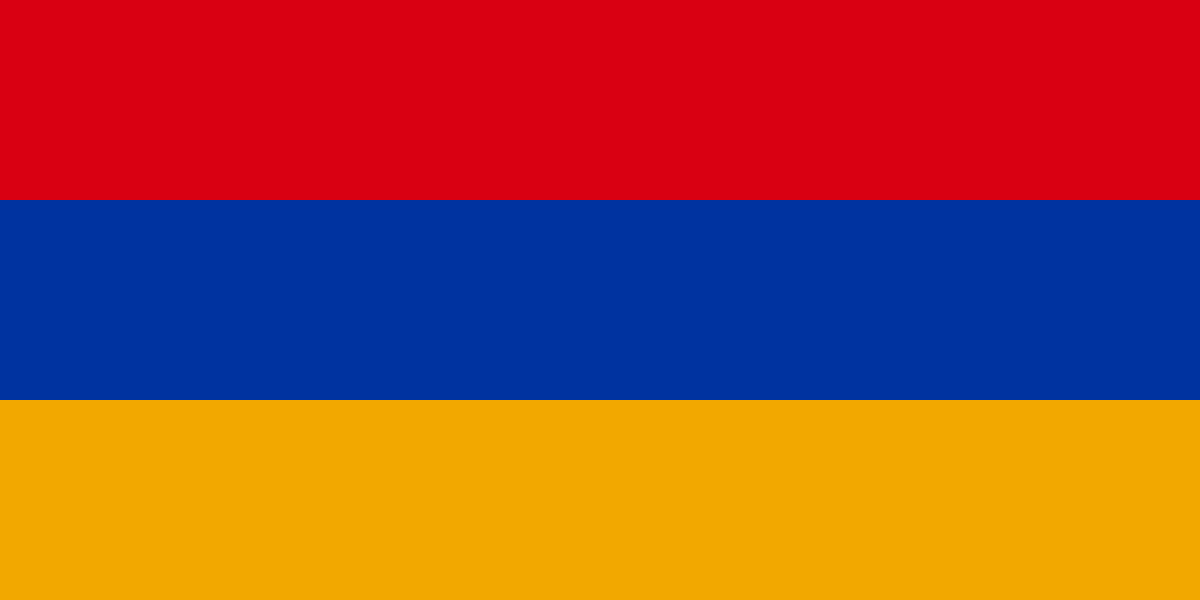
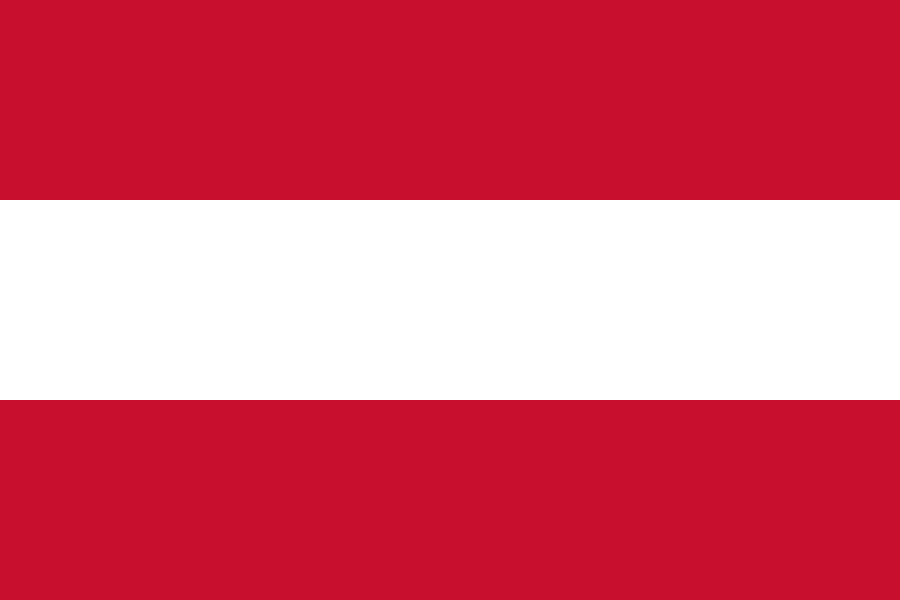
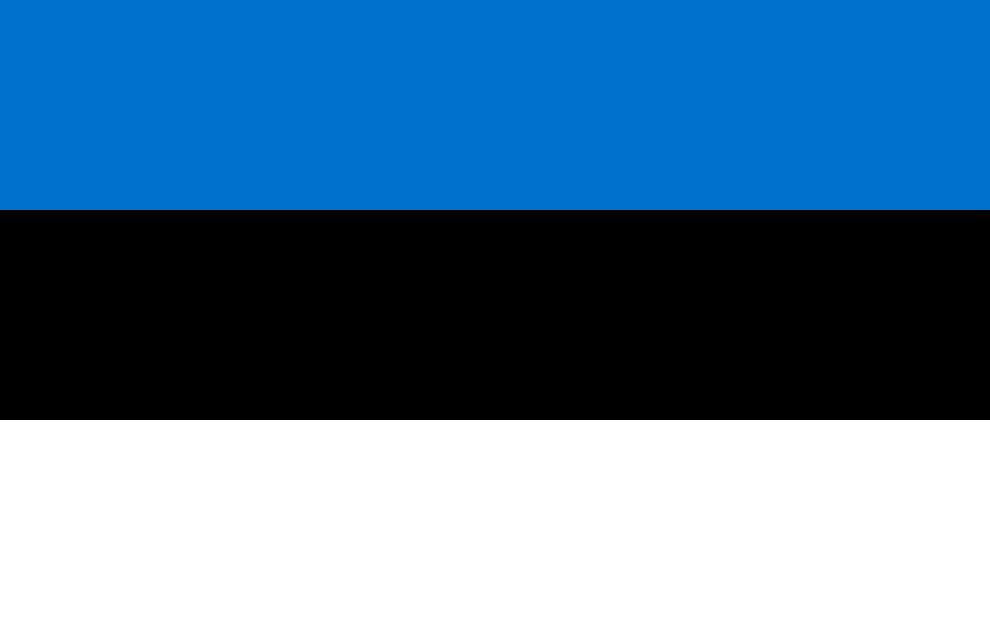
Horizontal tricolors
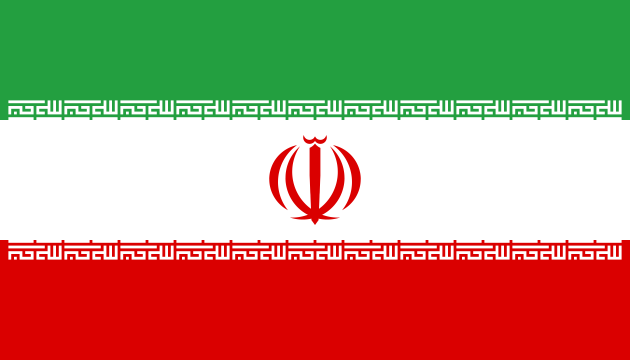
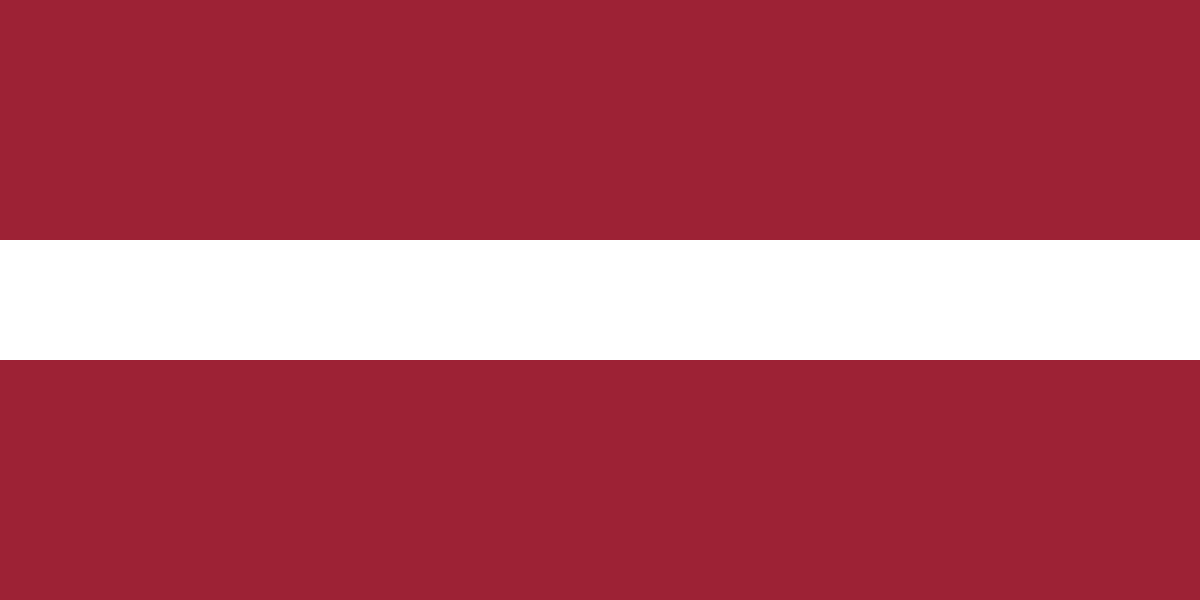
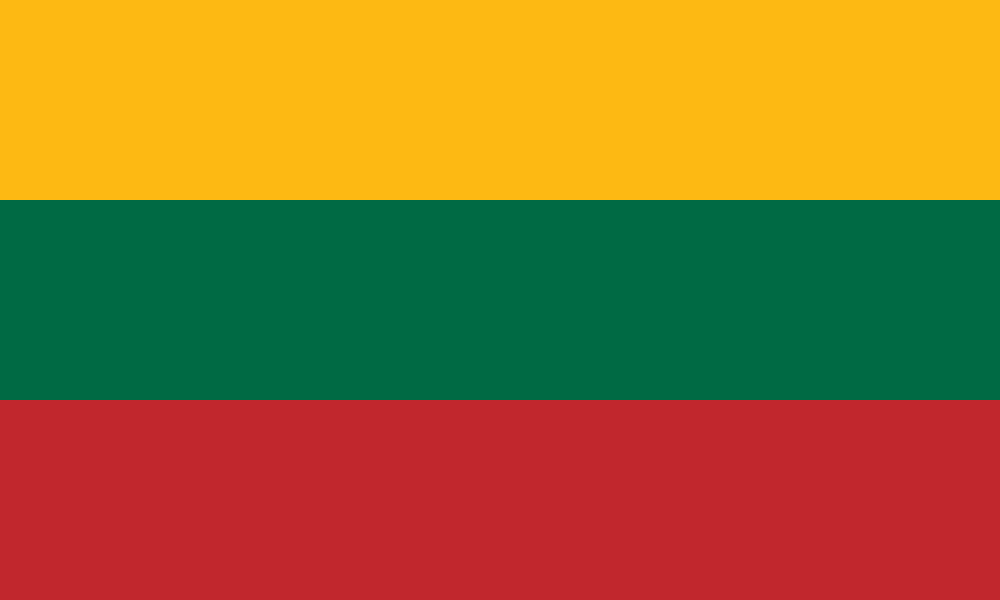
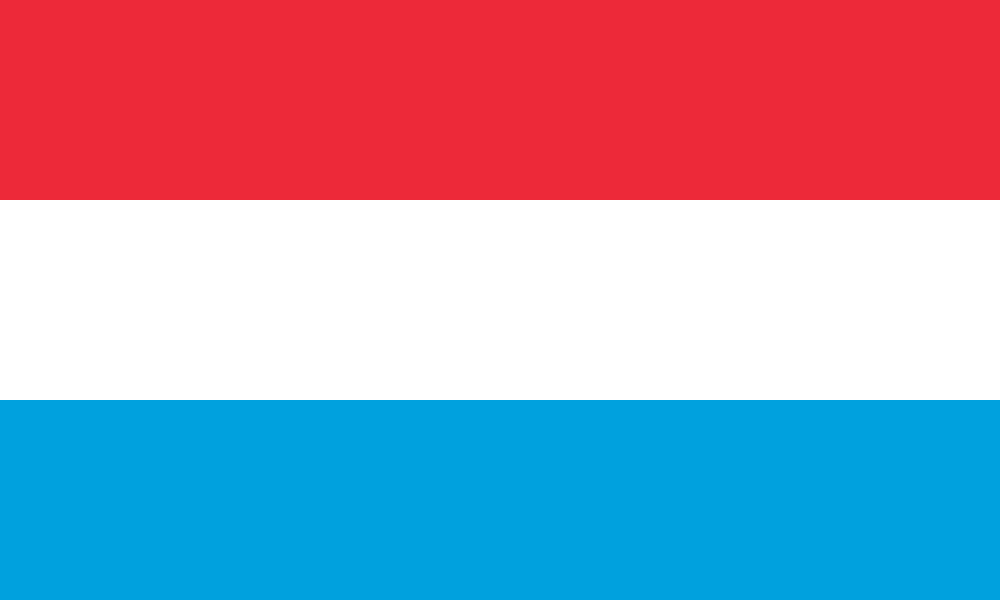
Neighboring countries
Land neighbors, approximated from simplified map outlines.
Symbols in History (1)
Coats of arms and emblems whose historic seat lies within this country’s present-day territory.
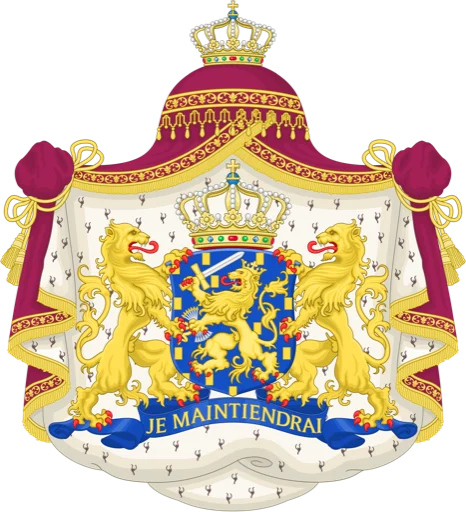
Arms of the Kingdom of the Netherlands, the version used since 1907
OriginSince 1907 the arms of the Kingdom of the Netherlands have shown gold rectangles on a blue field with a crowned gold lion, the lion holding a sword and seven arrows.
DescriptionGold rectangles are scattered over a blue field, and a crowned gold lion stands on its hind legs holding a sword in one forepaw and a bundle of arrows in the other. Two gold lions support the shield on either side, below is a blue ribbon reading 'JE MAINTIENDRAI', and behind it are a purple mantle lined with ermine and a crown.

State & regional flags (12)
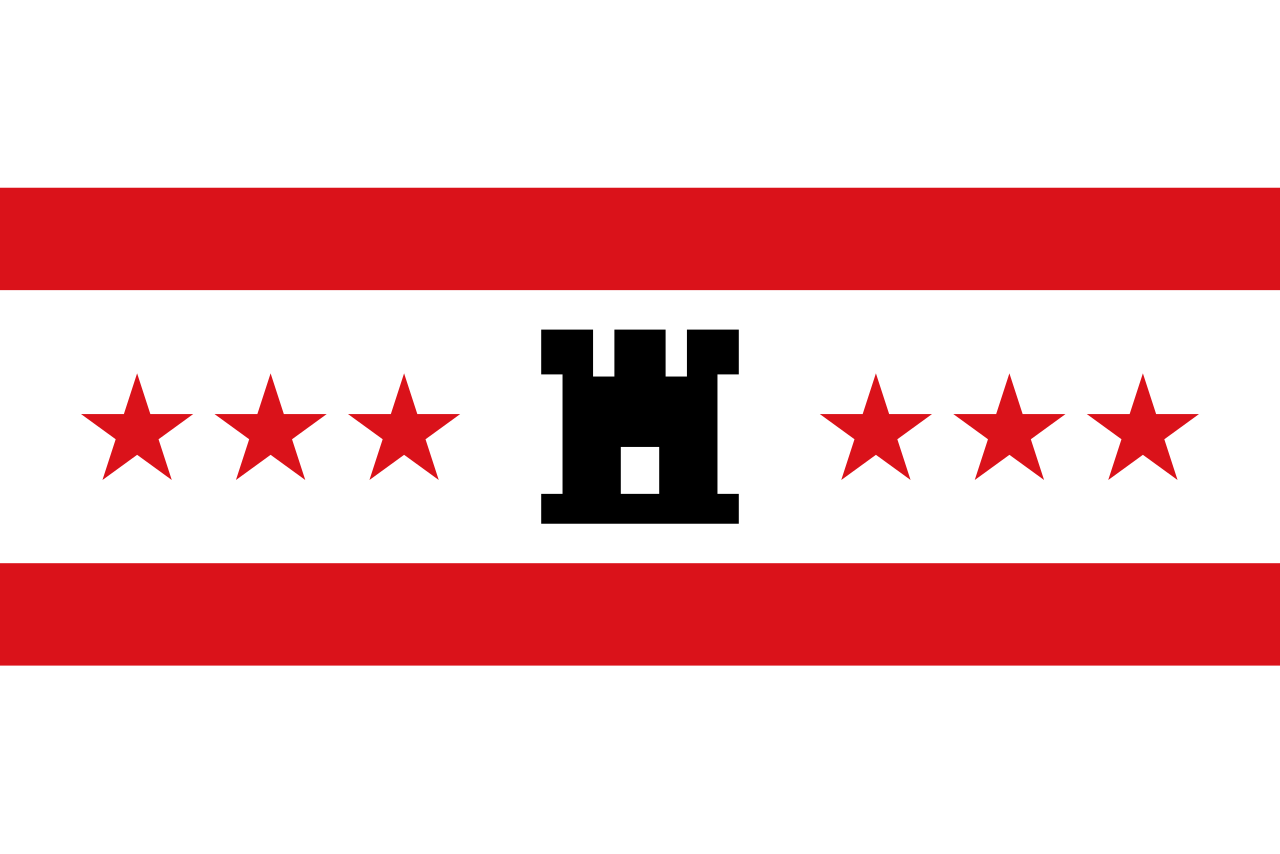
Drenthe
A white field crossed by two red stripes, with a black castle tower at the centre. The six red stars, three to each side of the tower, stand for the six self-governing judicial districts into which old Drenthe was divided.
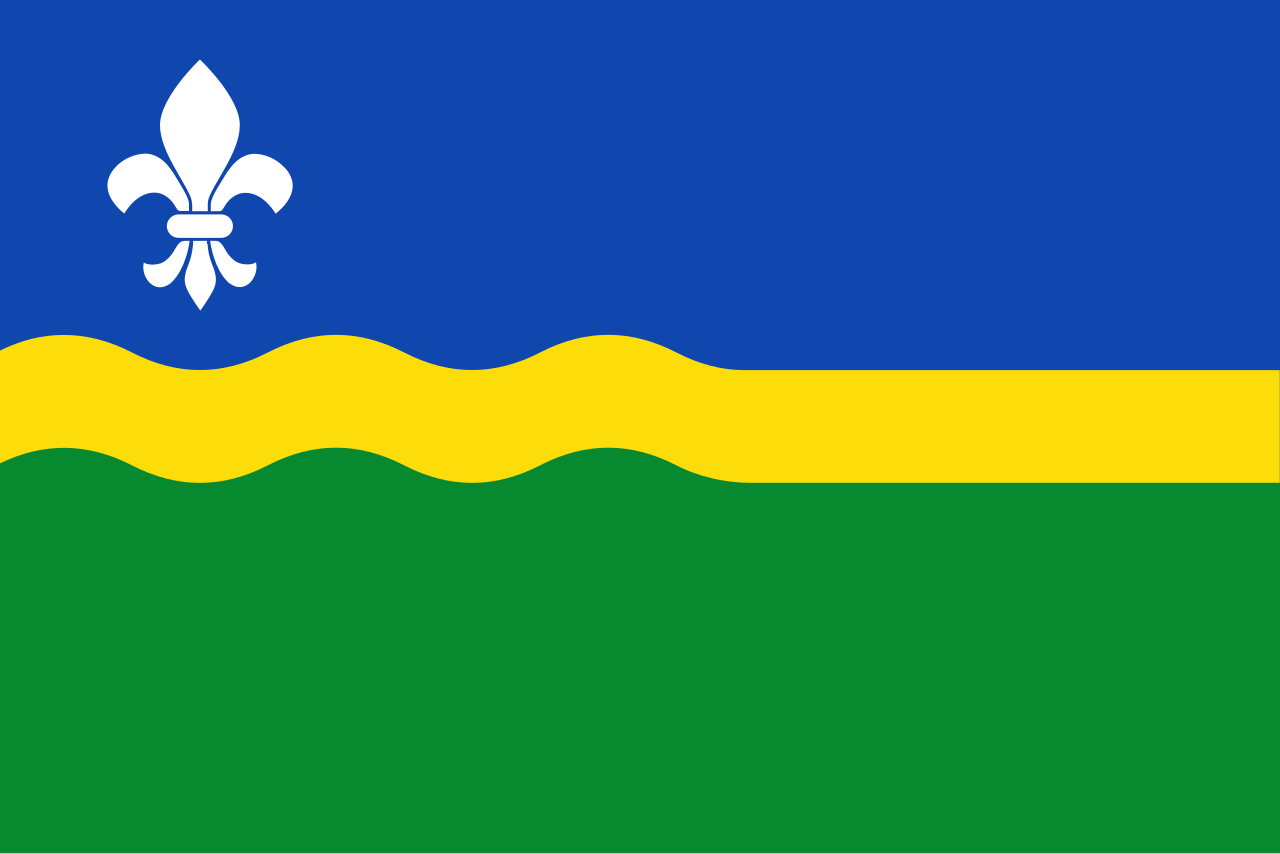
Flevoland
A white fleur-de-lis sits on the blue hoist, a yellow wave crosses the middle, and green lies below. Blue is water, yellow the line where reclaimed land emerged, green the new farmland.
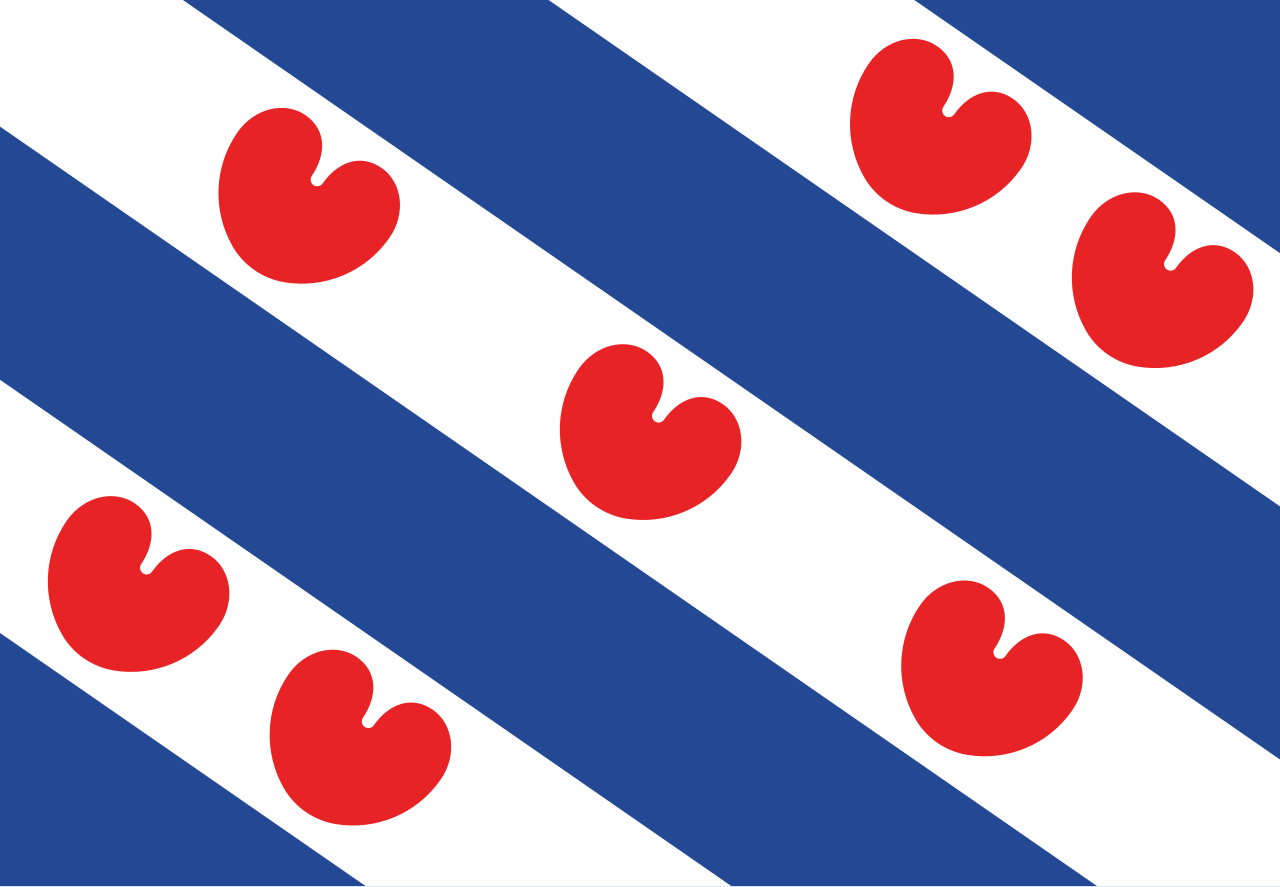
Friesland
Diagonal blue and white stripes with seven red heart-shaped water-lily leaves (pompeblêden), representing the seven medieval Frisian sea-lands.
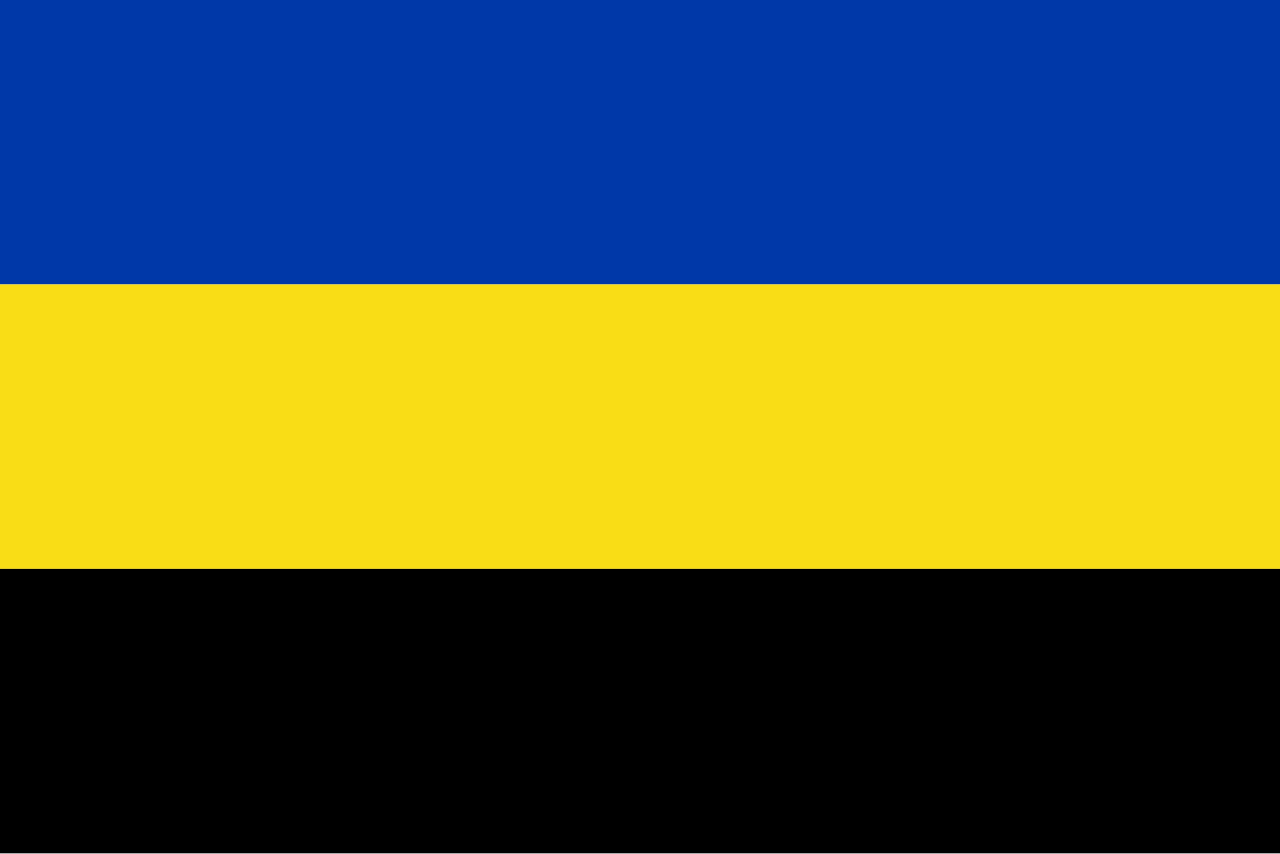
Gelderland
Three horizontal stripes of blue, yellow, and black, derived from the coat of arms of the historic Duchy of Guelders.
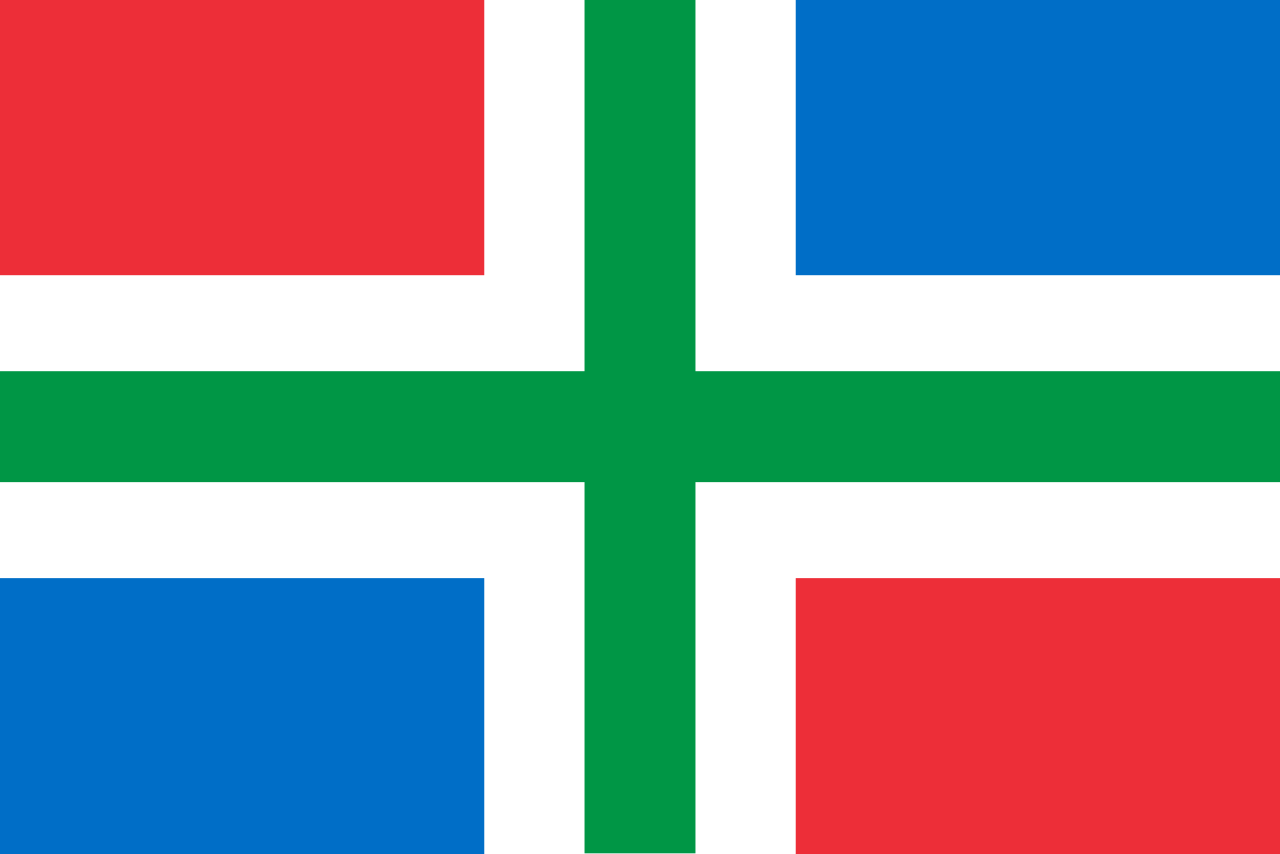
Groningen
A green and white central cross superimposed on red and blue quarters, combining the colors of the City of Groningen and the Ommelanden region.
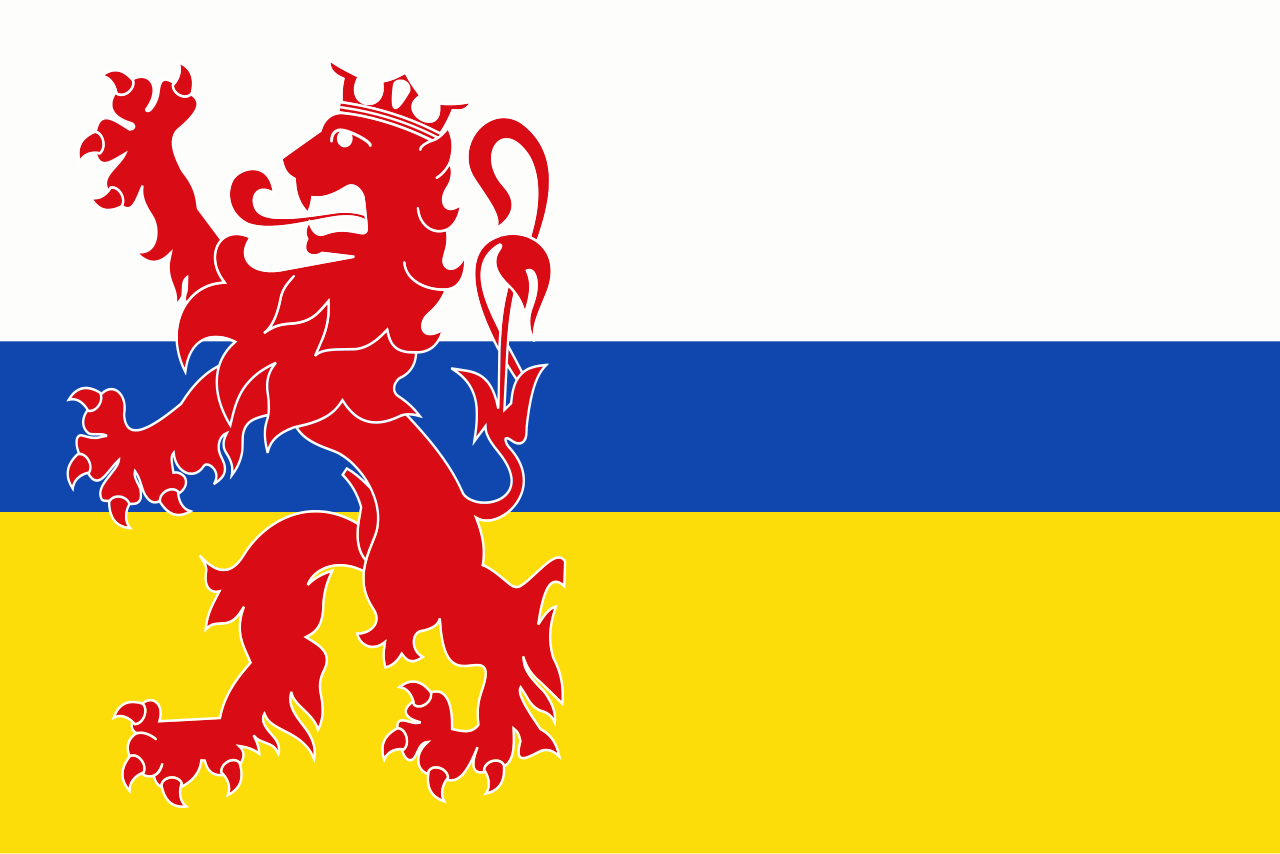
Limburg
White and yellow horizontal bands separated by a narrow blue stripe representing the Meuse River, with the red double-tailed lion of Limburg on the hoist.
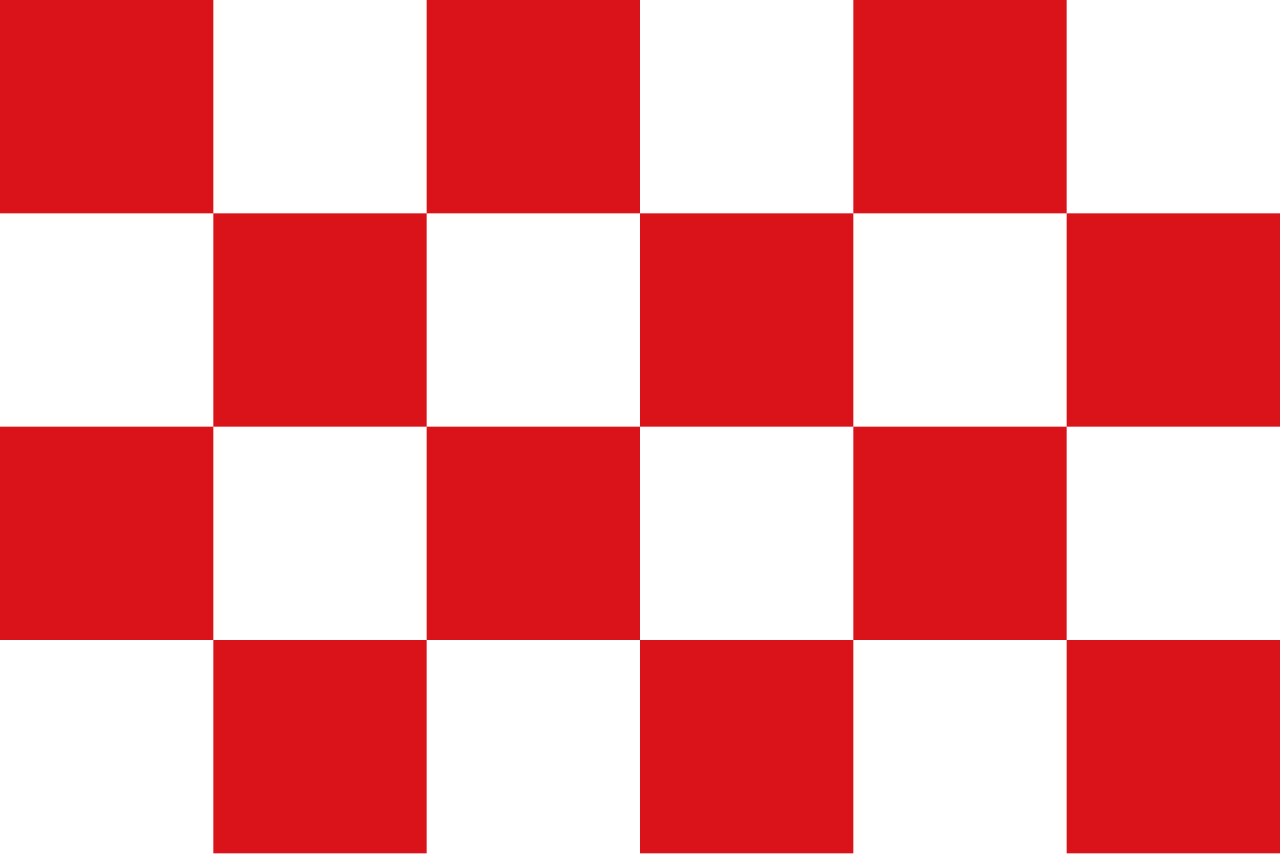
North Brabant
A red and white checkered pattern of 24 squares (Brabants bont), derived from the historic war banner of the medieval Duchy of Brabant.
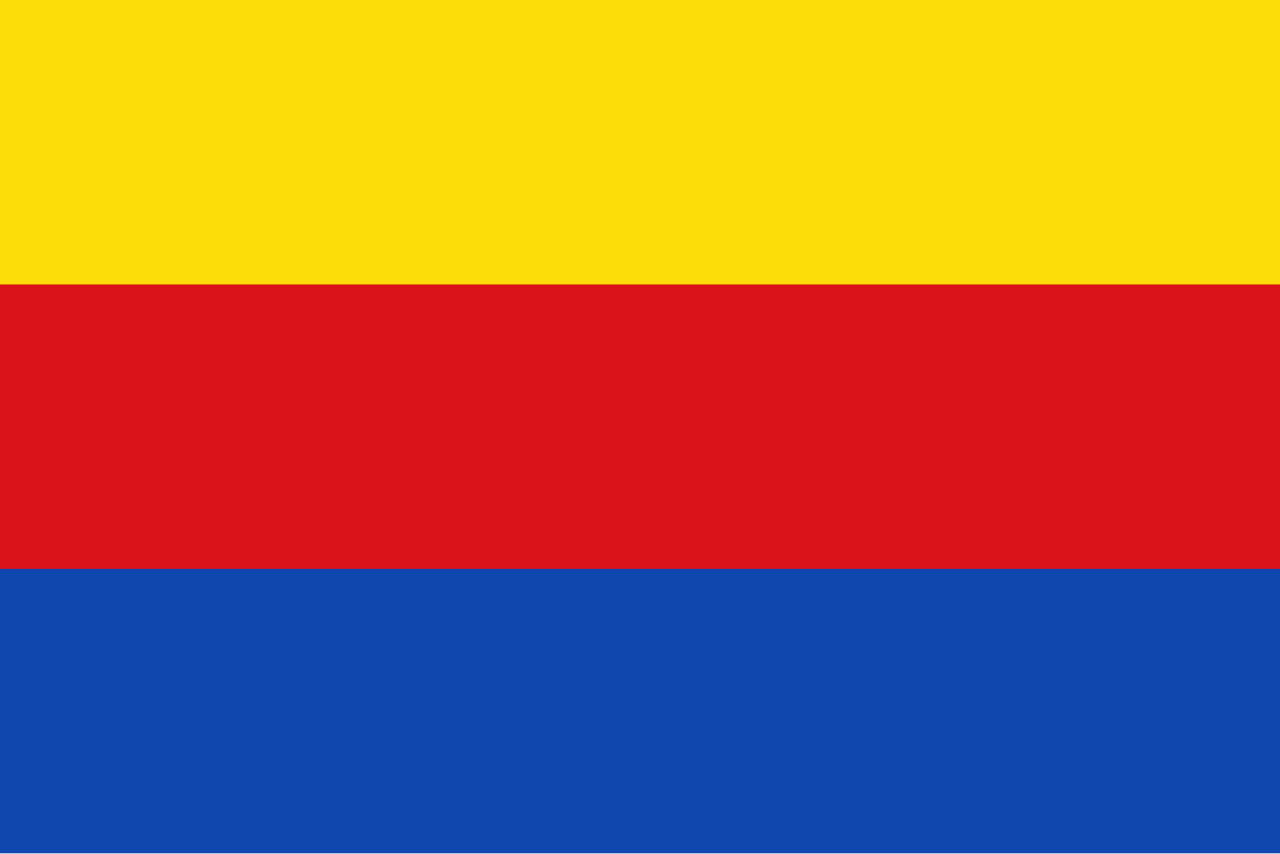
North Holland
Three horizontal stripes of yellow, red, and blue, combining the historical colors of the coats of arms of Holland and West Friesland.
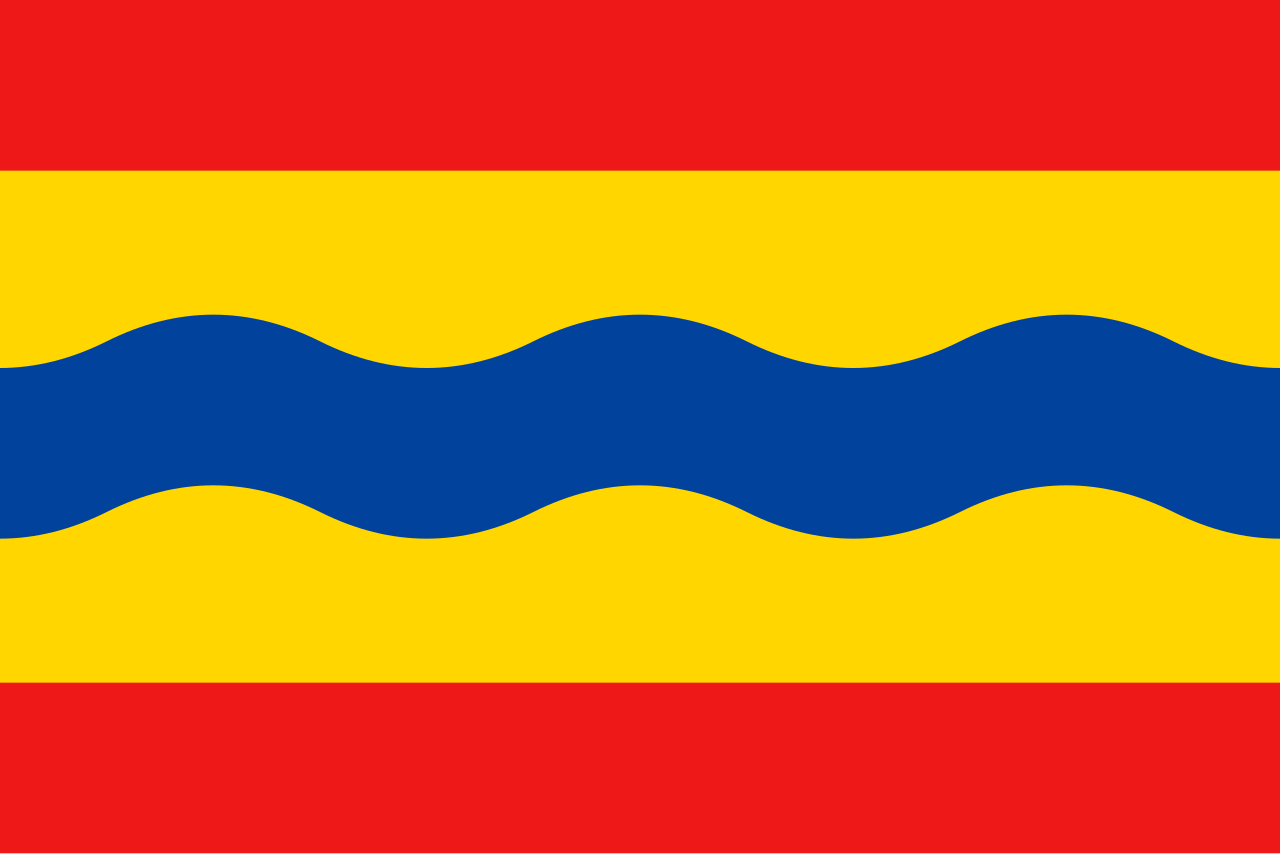
Overijssel
Red bands run along the top and bottom edges with yellow bands inside them, and a blue wavy stripe crosses the middle between the yellow bands. The wave is the IJssel, the river that gave the province its name.
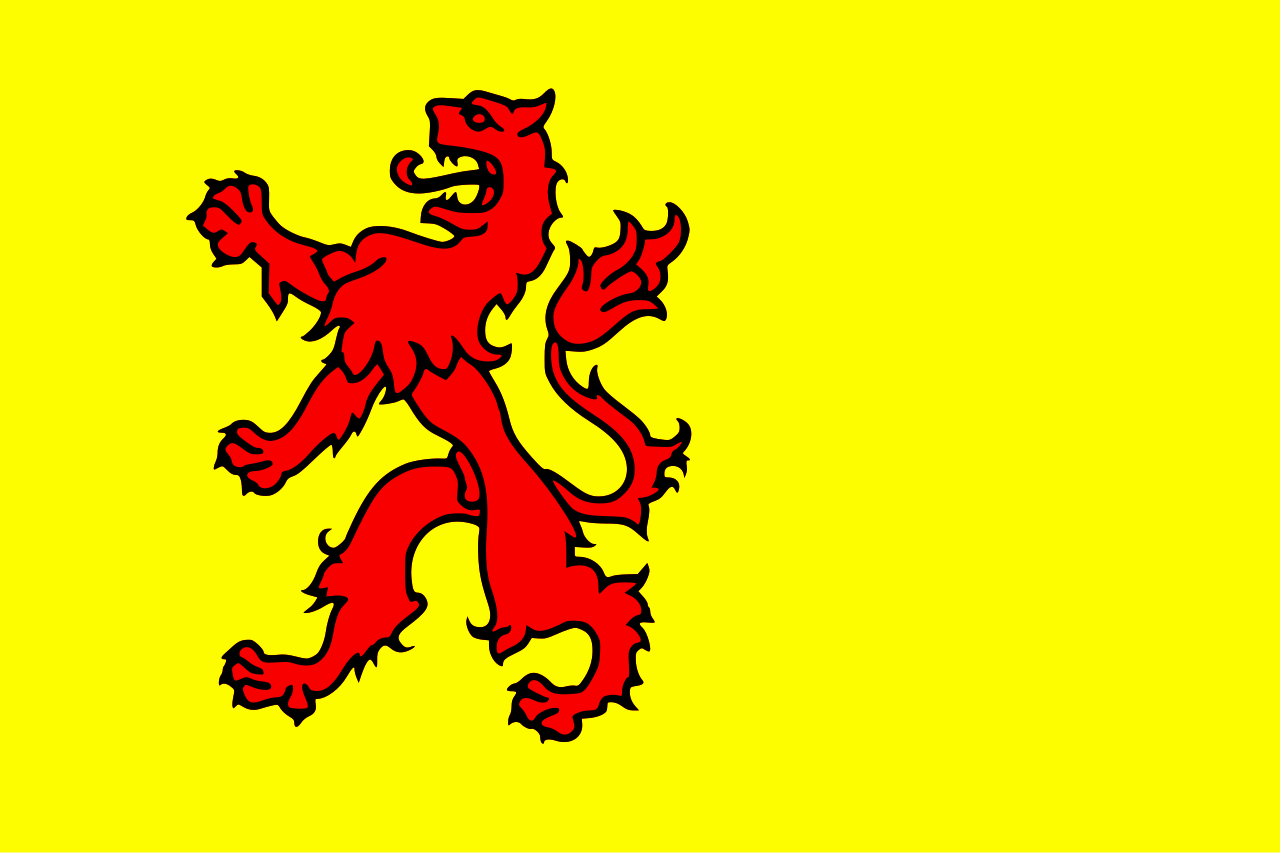
South Holland
A yellow field with a red lion outlined in black, rearing towards the hoist. Its tongue is the same red as its body; the lion is carried down from the arms of the old County of Holland.
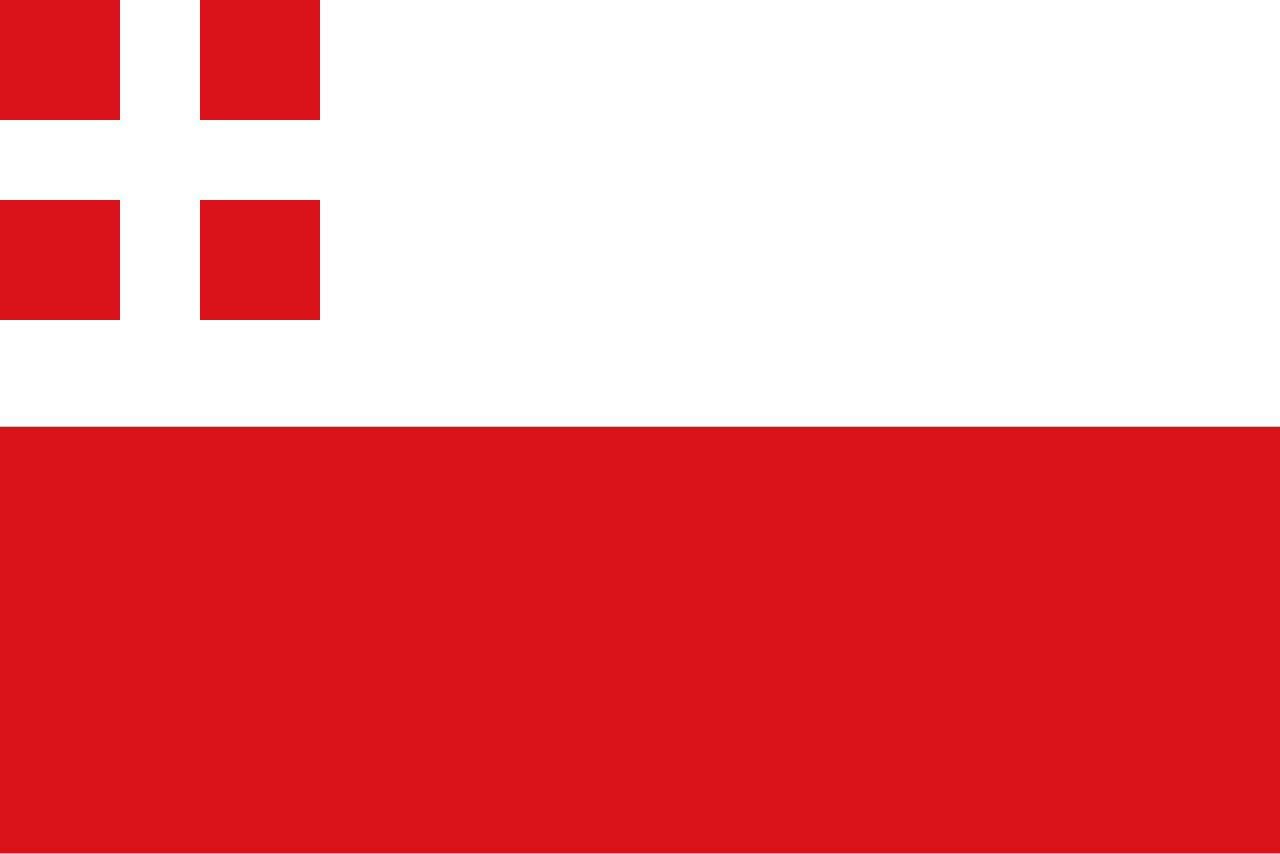
Utrecht
A horizontal bicolour, white over red, with a red canton in the upper hoist bearing a white cross. The white cross on red is carried down from the Bishopric of Utrecht.
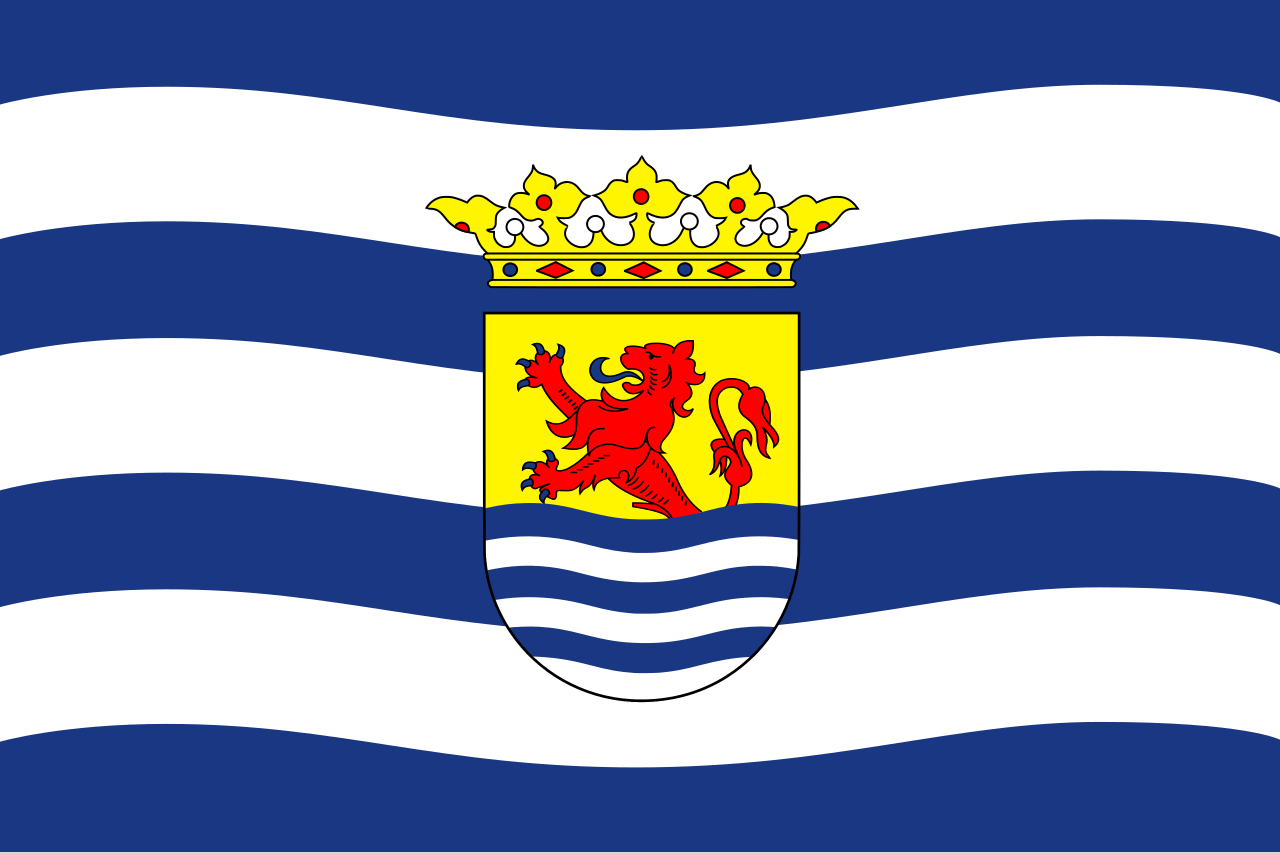
Zeeland
Seven wavy bands of blue and white alternate, and at the centre a red lion rises out of the water. The waves are sea-girt Zeeland, the lion its long struggle against the water.
Data Sources
- What the flag means: Koninklijk Besluit van 19 februari 1937 houdende vaststelling van de kleuren van de vlag van het Koninkrijk der Nederlanden
- Population: Population, total (SP.POP.TOTL), latest available value
- Area: World countries in JSON, CSV, XML and YAML
- Organizations: Membership of Principal UN Organs
- Organizations: Member States of the European Union
- Organizations: What is NATO? Member countries
- Organizations: Members and partners