Flag of Belgium
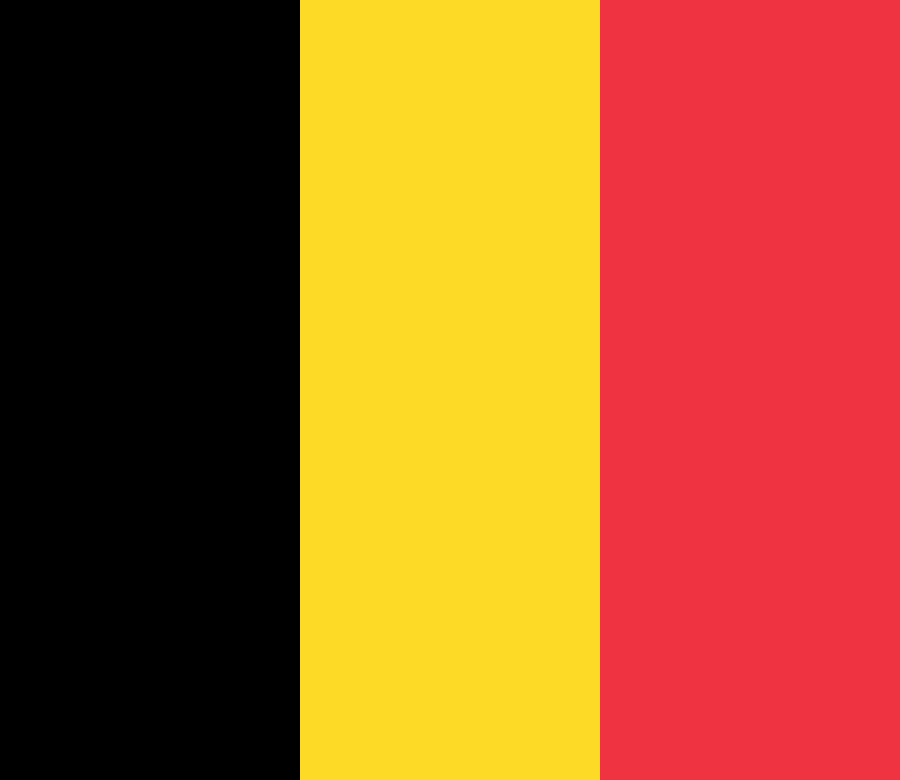
What the flag means
- Black, yellow and red — from the arms of the Duchy of Brabant
Design set by: Grondwet / Constitution, art. 193; Arrêté n° 30 du Gouvernement provisoire du 23 janvier 1831 · Adopted 1831
Highlights
- 🍫 World-renowned chocolate
- 🍟 Home of fries and waffles
- 🍺 Birthplace of abbey beer
- 🏛️ Grand-Place and medieval towns
- 🇪🇺 Brussels, the heart of the EU
Quick facts
- Region
- Europe · Western Europe
- Population
- 11,941,781 people (2025)
- Area
- 30,528 km²
- Capital
- Brussels
- Languages
- Dutch, French, German
- Currency
- Euro (EUR)
- Organizations
- United Nations, European Union, NATO, OECD
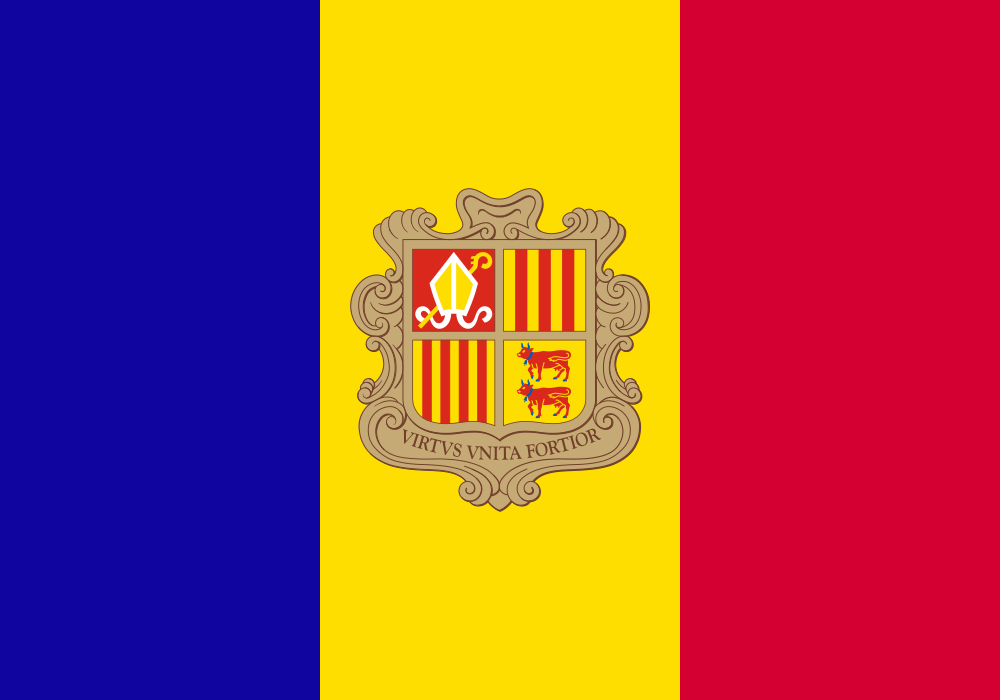
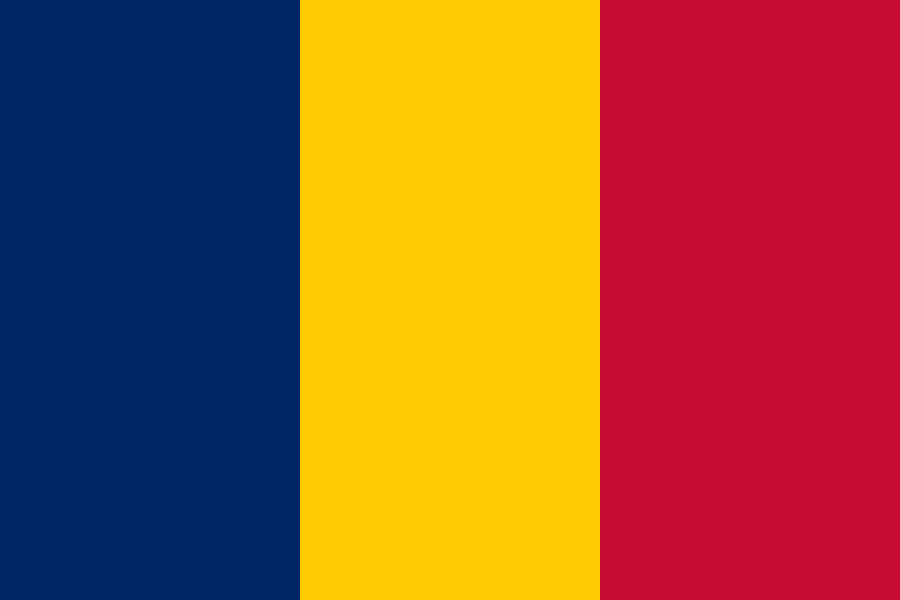
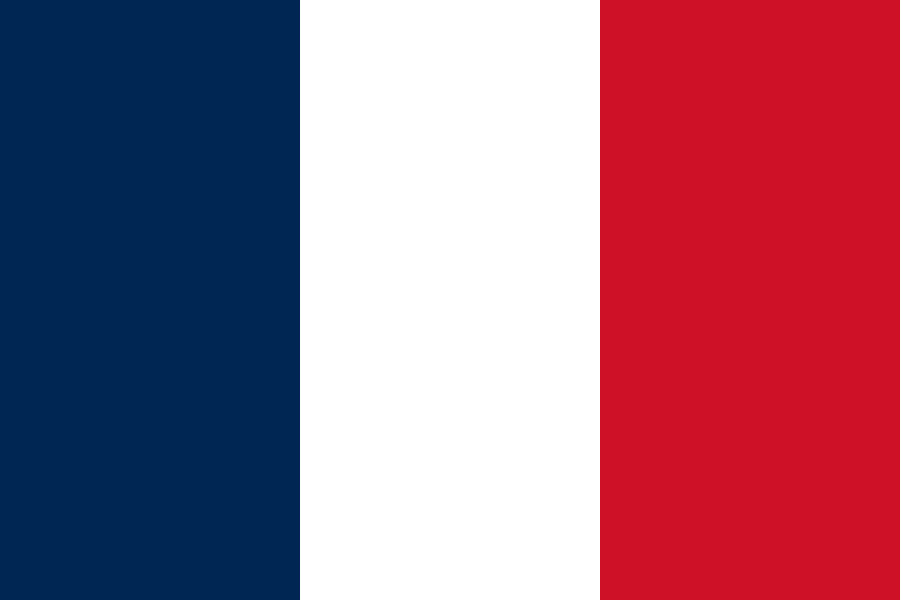
Similar flags
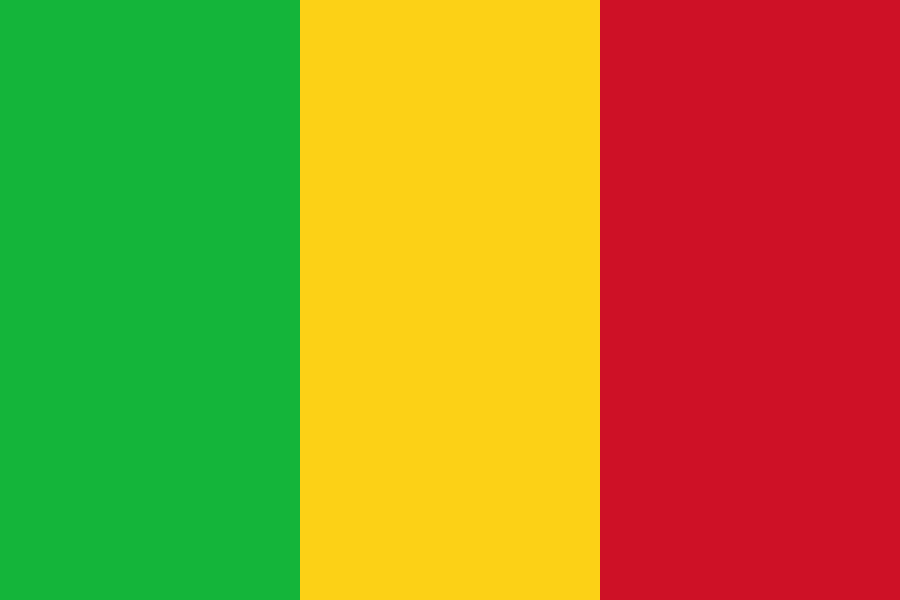
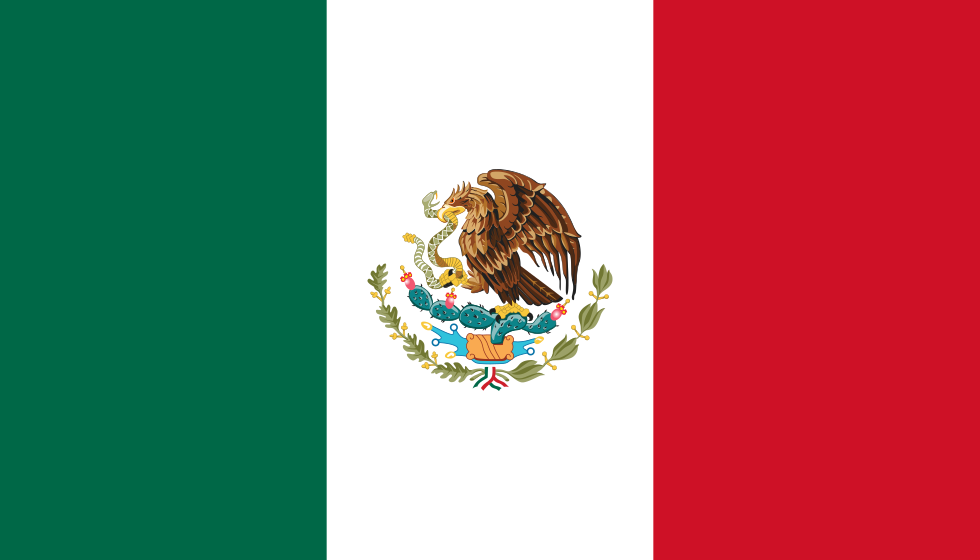
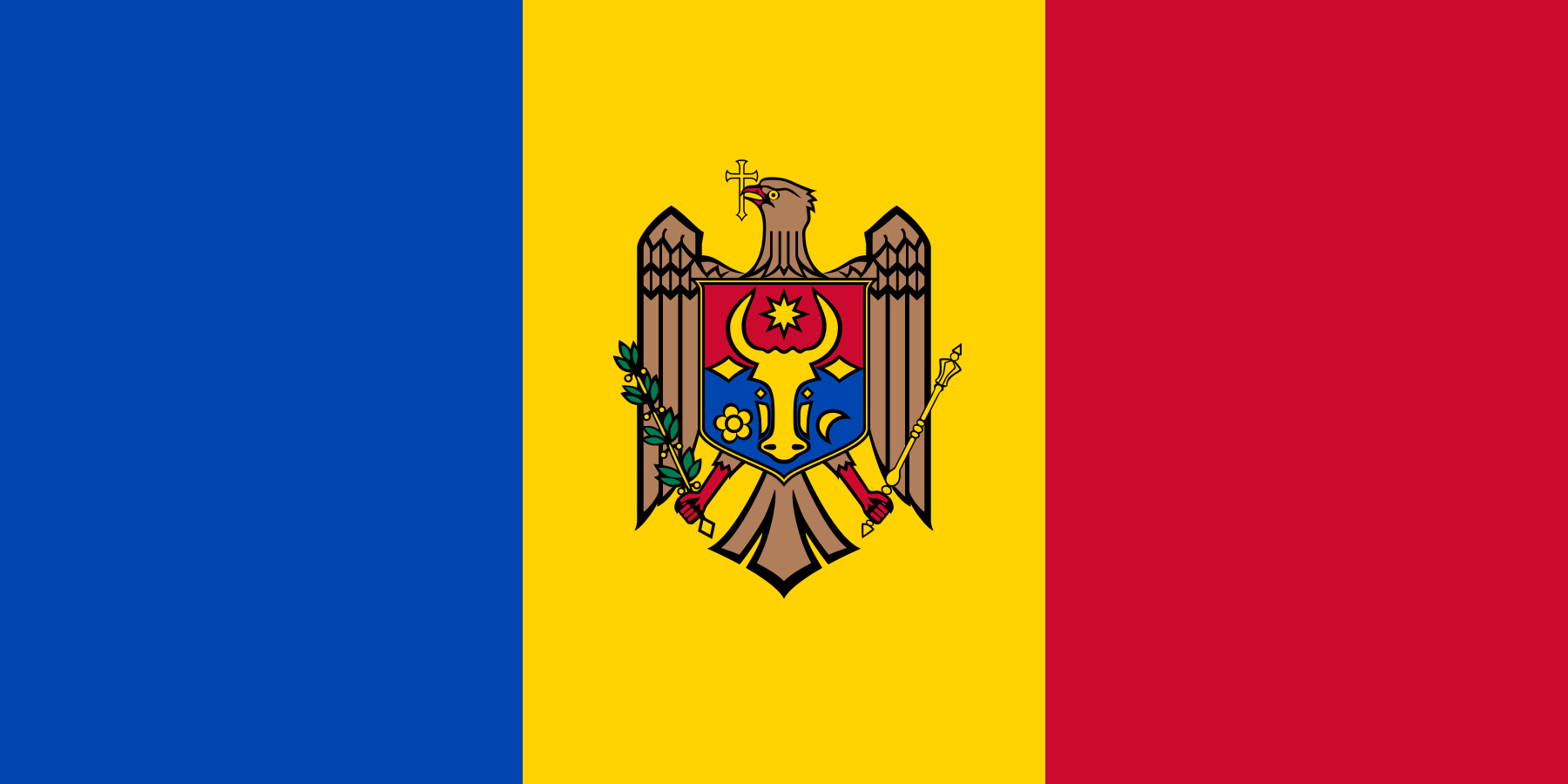
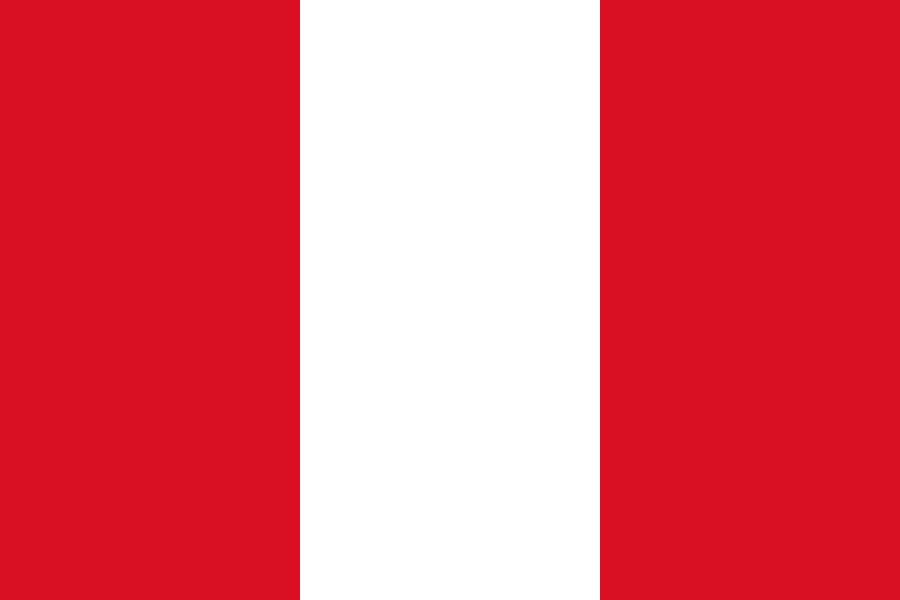
Vertical tricolors
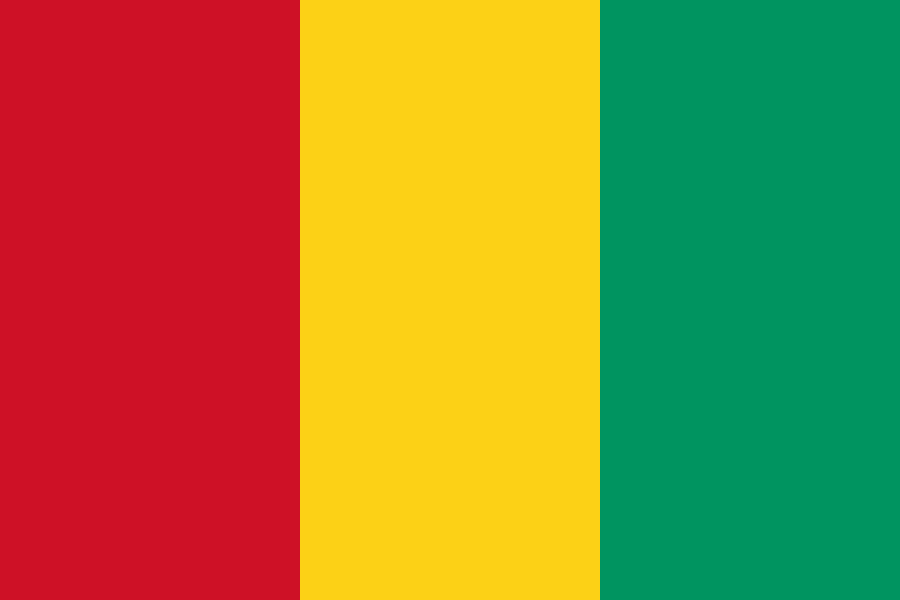
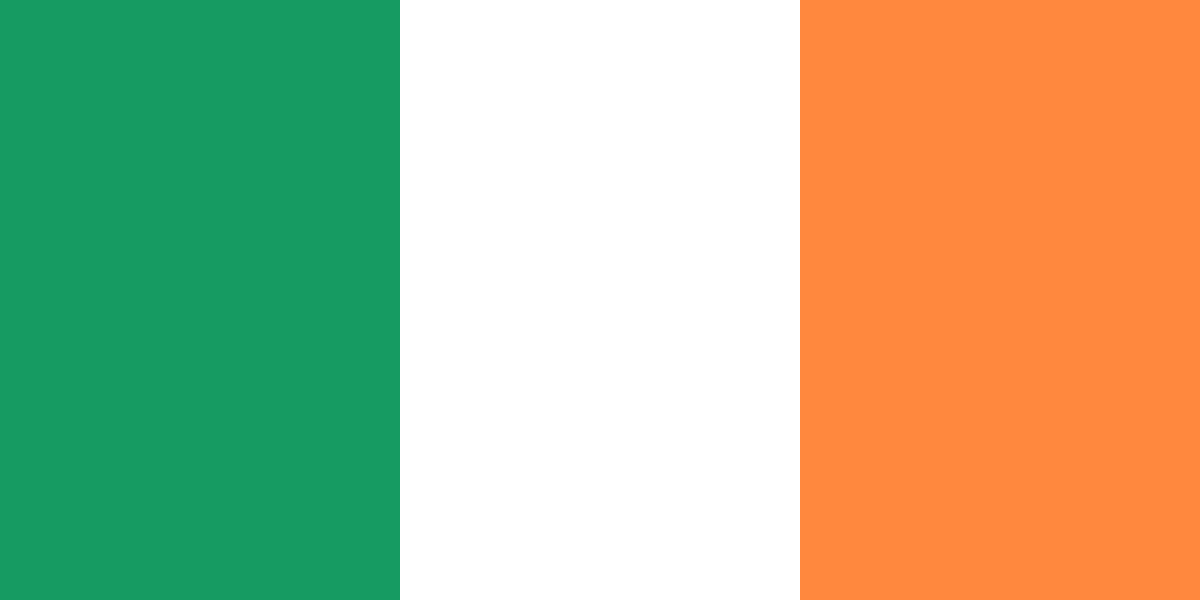
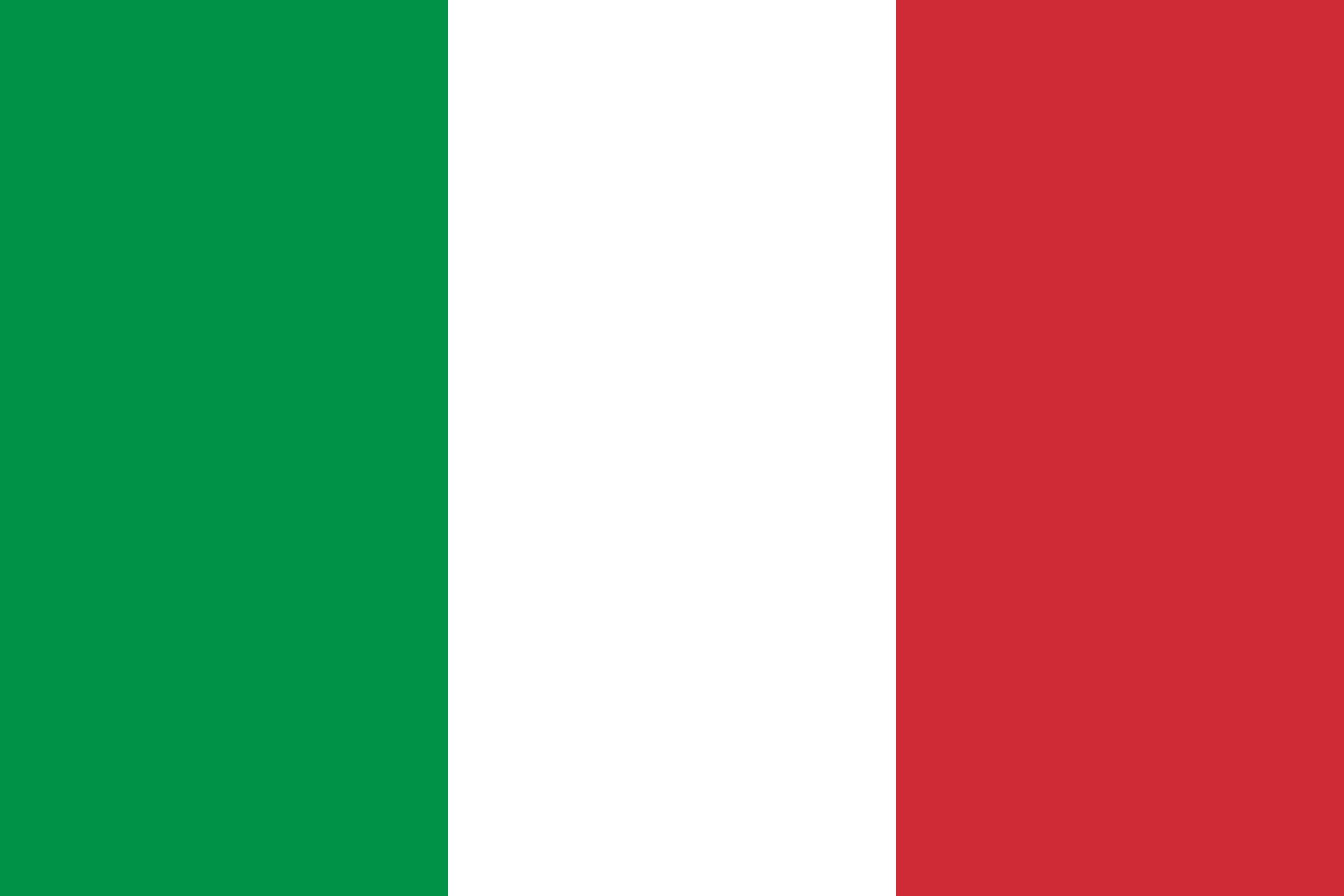
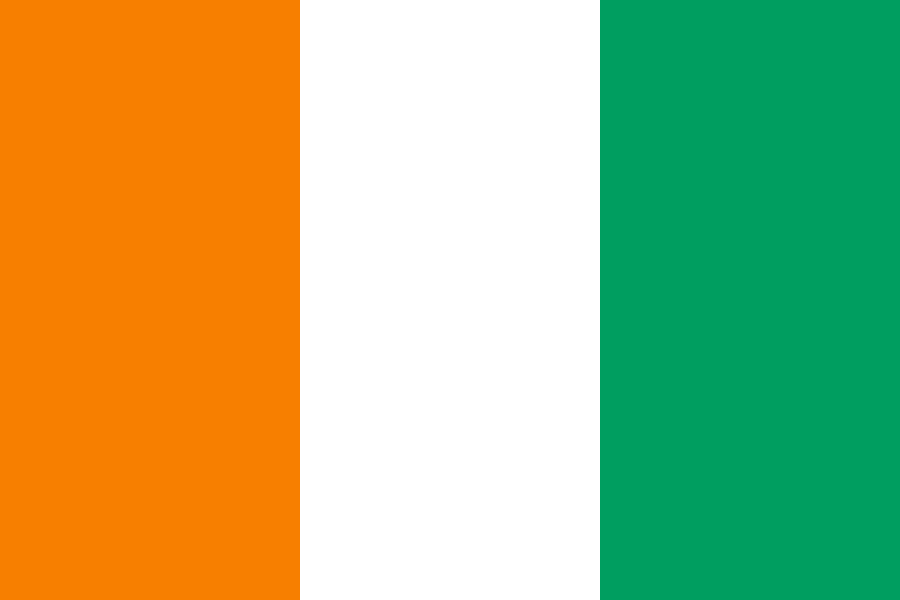
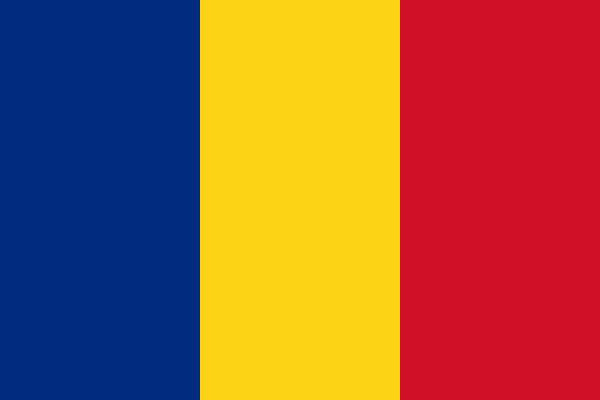
Neighboring countries
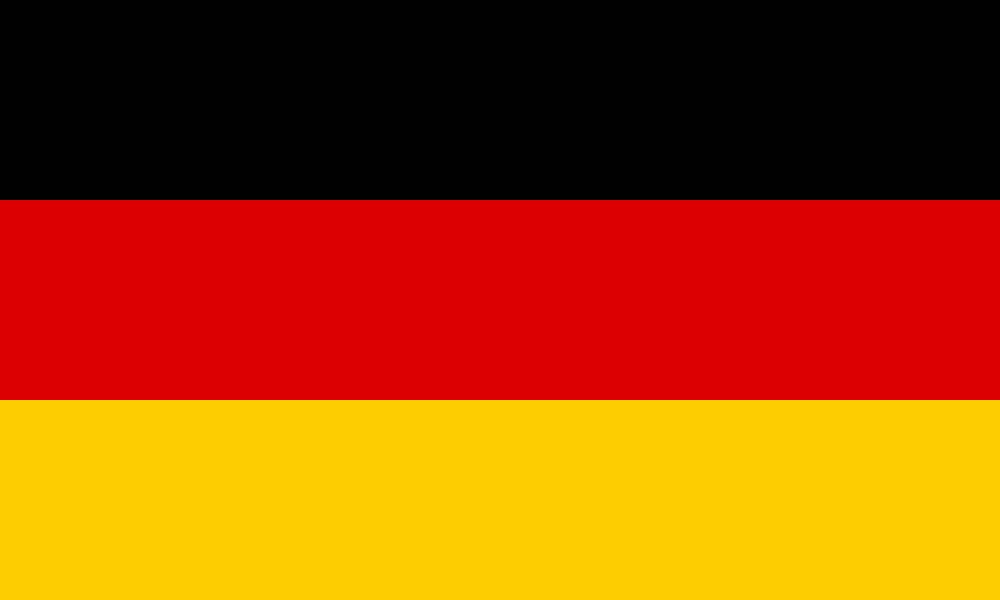
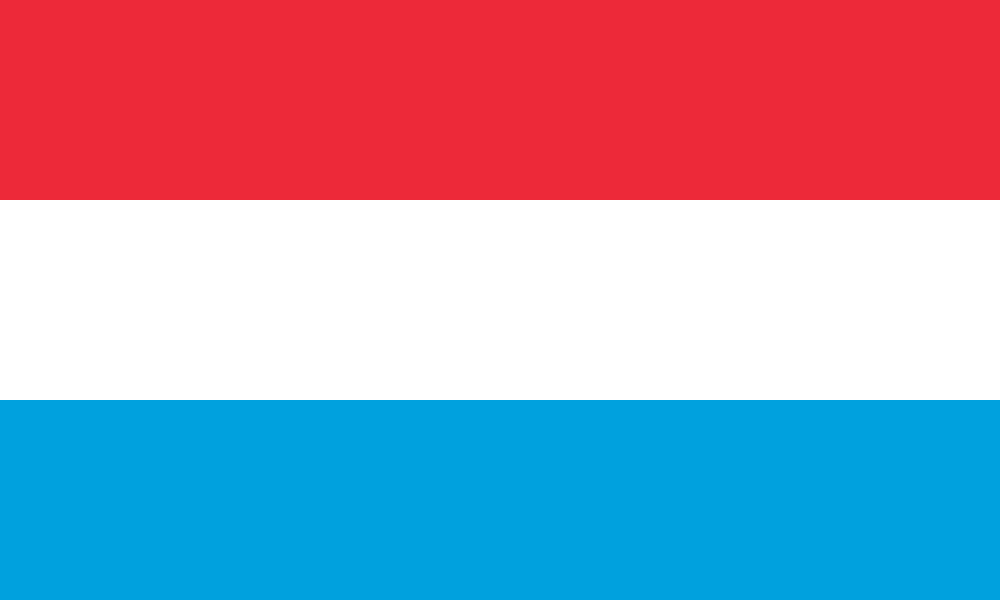
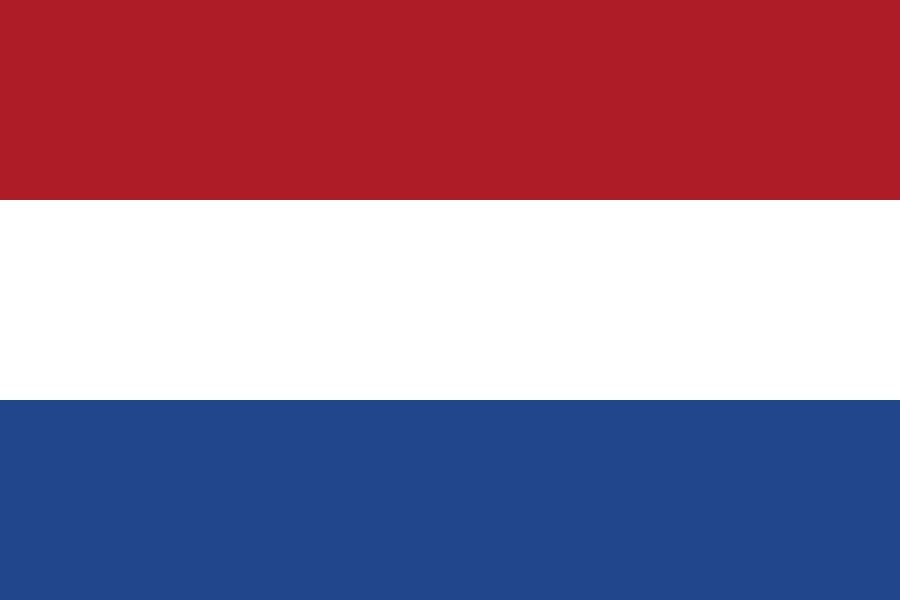
Land neighbors, approximated from simplified map outlines.
Symbols in History (2)
Coats of arms and emblems whose historic seat lies within this country’s present-day territory.
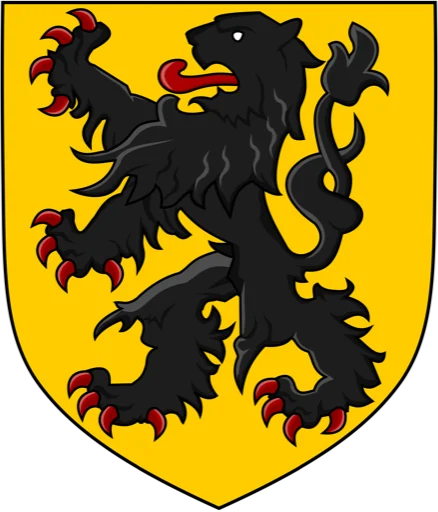
Arms of the County of Flanders
OriginThe black lion on a gold field is the emblematic coat of the County of Flanders.
DescriptionOn a golden field a single black lion is drawn rearing on its hind legs with its forepaws raised (lion rampant), with only its tongue and claws painted red.
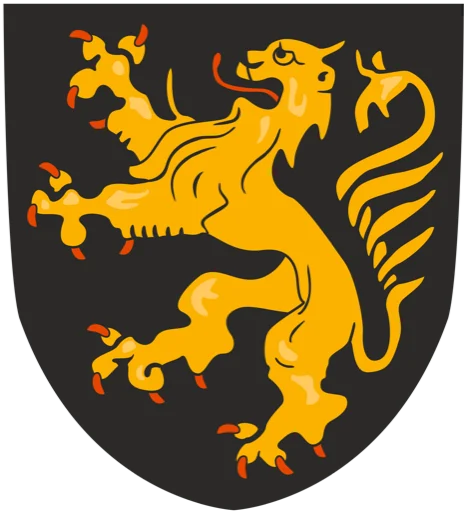
Arms of the Duchy of Brabant
OriginThe gold lion on a black field is known as the arms of the Duchy of Brabant, and it carries on into the later heraldic tradition of Brabant and of Belgium.
DescriptionOn a black field a gold lion is drawn without a crown, rearing on its hind legs with its forepaws raised. Its tongue and claws are red, and its tail rises up behind its back and forks at the tip.


Data Sources
- What the flag means: Grondwet / Constitution, art. 193; Arrêté n° 30 du Gouvernement provisoire du 23 janvier 1831
- Population: Population, total (SP.POP.TOTL), latest available value
- Area: World countries in JSON, CSV, XML and YAML
- Organizations: Membership of Principal UN Organs
- Organizations: Member States of the European Union
- Organizations: What is NATO? Member countries
- Organizations: Members and partners