Flag of Peru
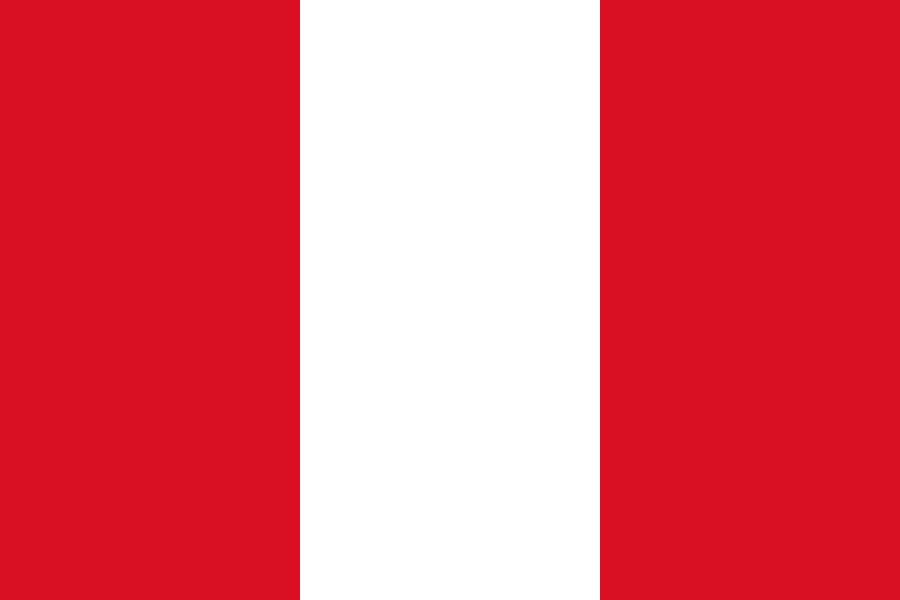
What the flag means
- Red — struggle and bloodshed
- White — peace and purity
Design set by: Ley N° 32251, Ley que unifica y armoniza la regulación de los símbolos de la patria, símbolos del Estado y emblemas nacionales, Art. 4 · Adopted 2025
Highlights
- 🏔️ Machu Picchu and Inca mystery
- ⛰️ Majestic Andes scenery
- 🐑 Home of alpacas and llamas
- 🐟 Birthplace of tangy ceviche
- 🌌 The riddle of the Nazca Lines
Quick facts
- Region
- Americas · South America
- Population
- 34,576,665 people (2025)
- Area
- 1,285,216 km²
- Capital
- Lima
- Languages
- Spanish, Quechua
- Currency
- Peruvian sol (PEN)
- Organizations
- United Nations
Similar flags
Vertical tricolors
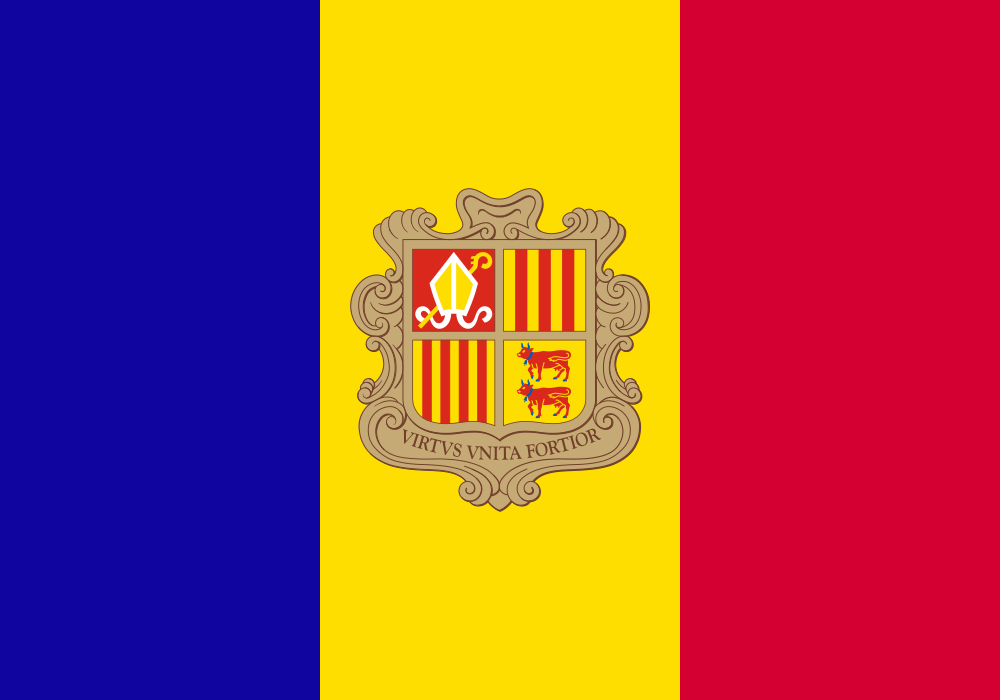
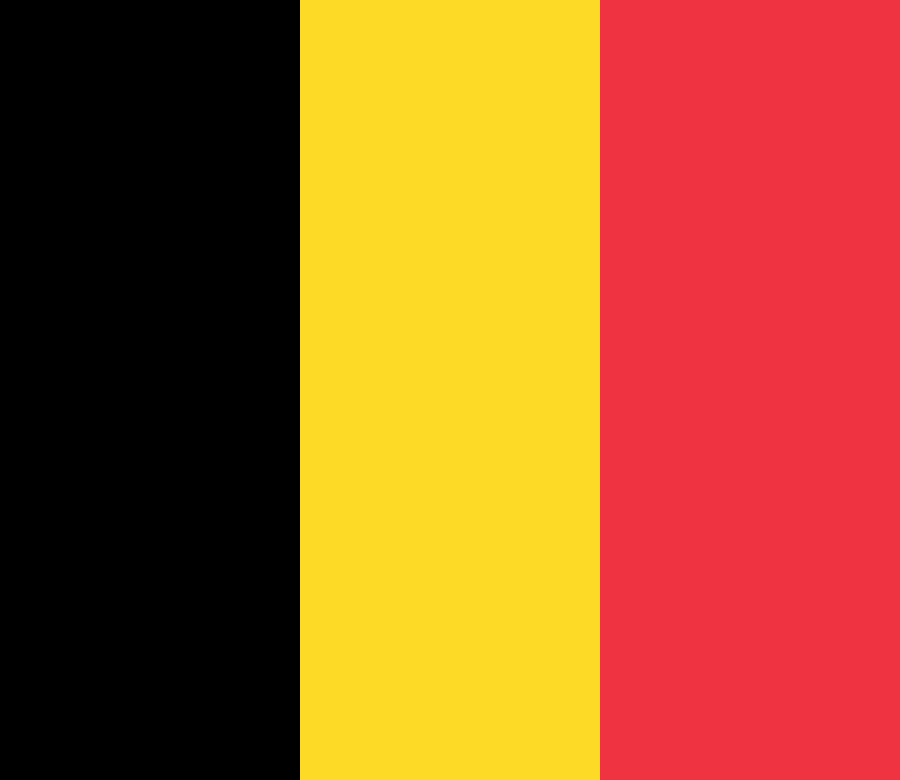
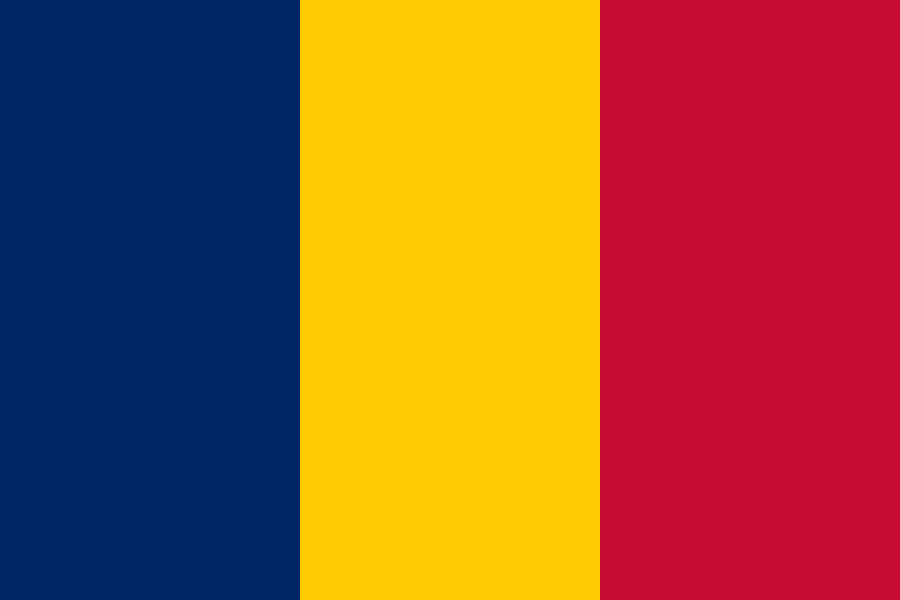


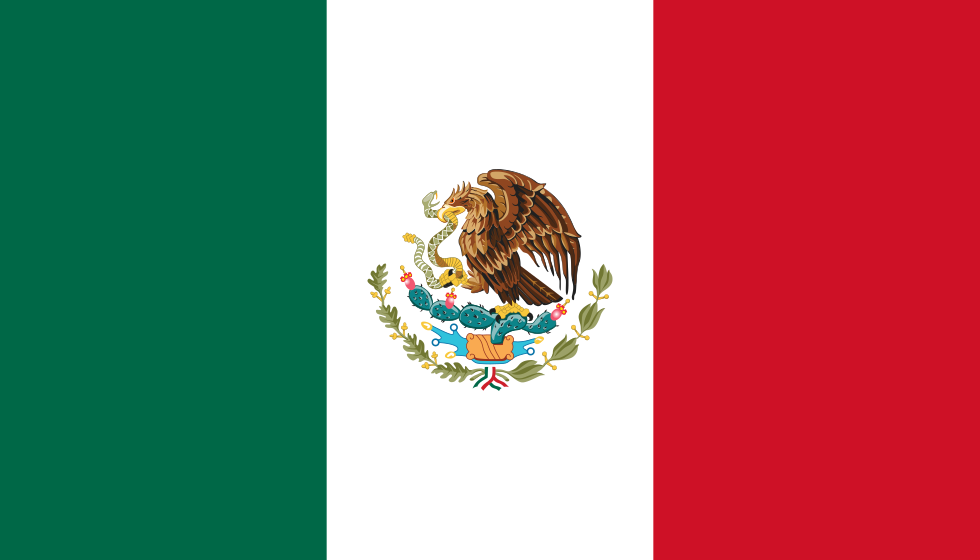
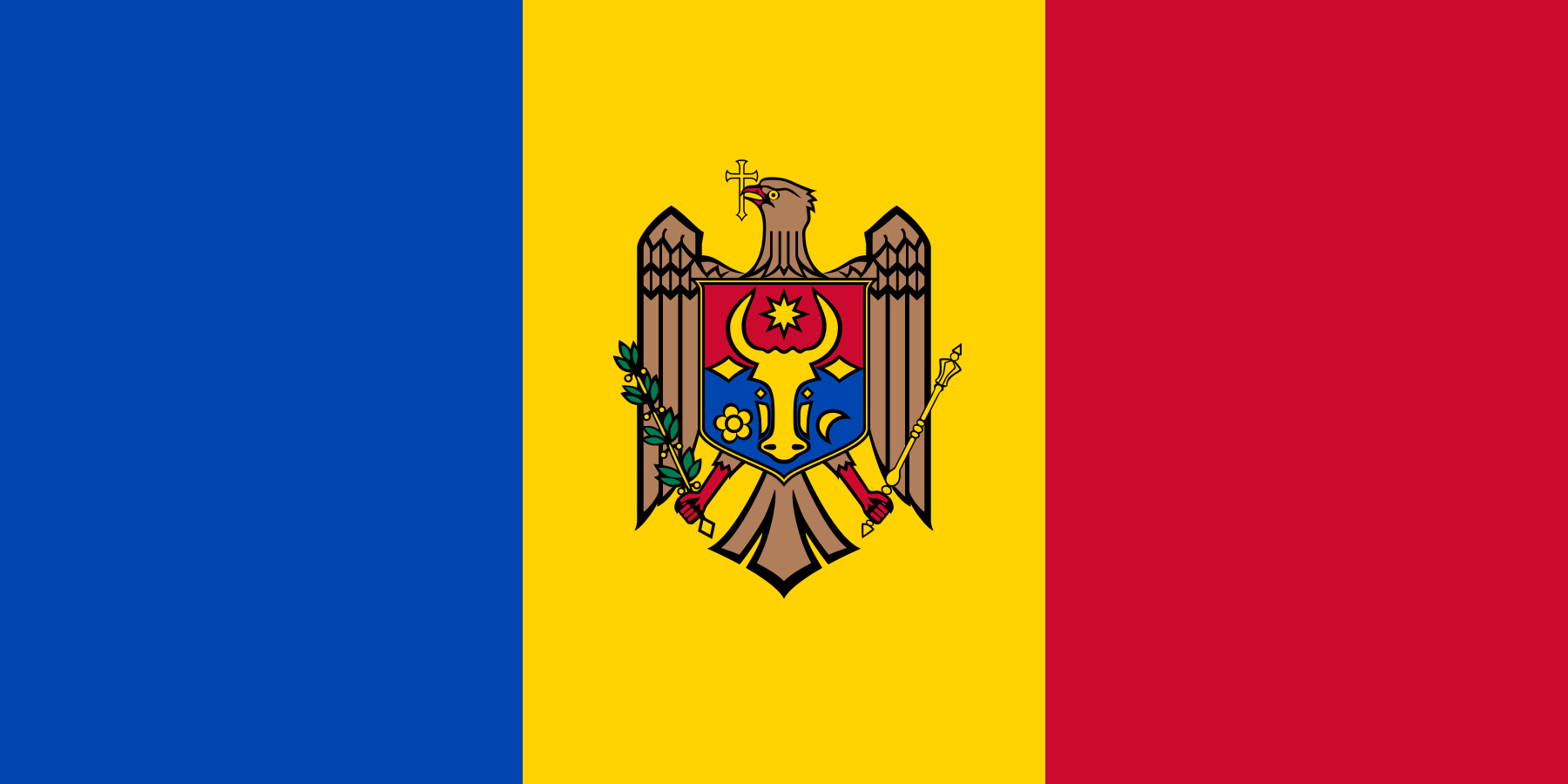
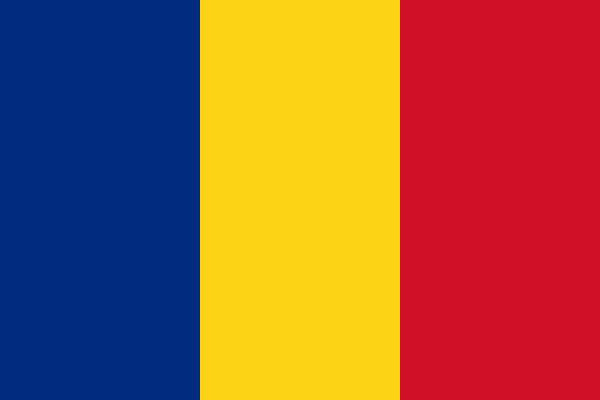
Neighboring countries
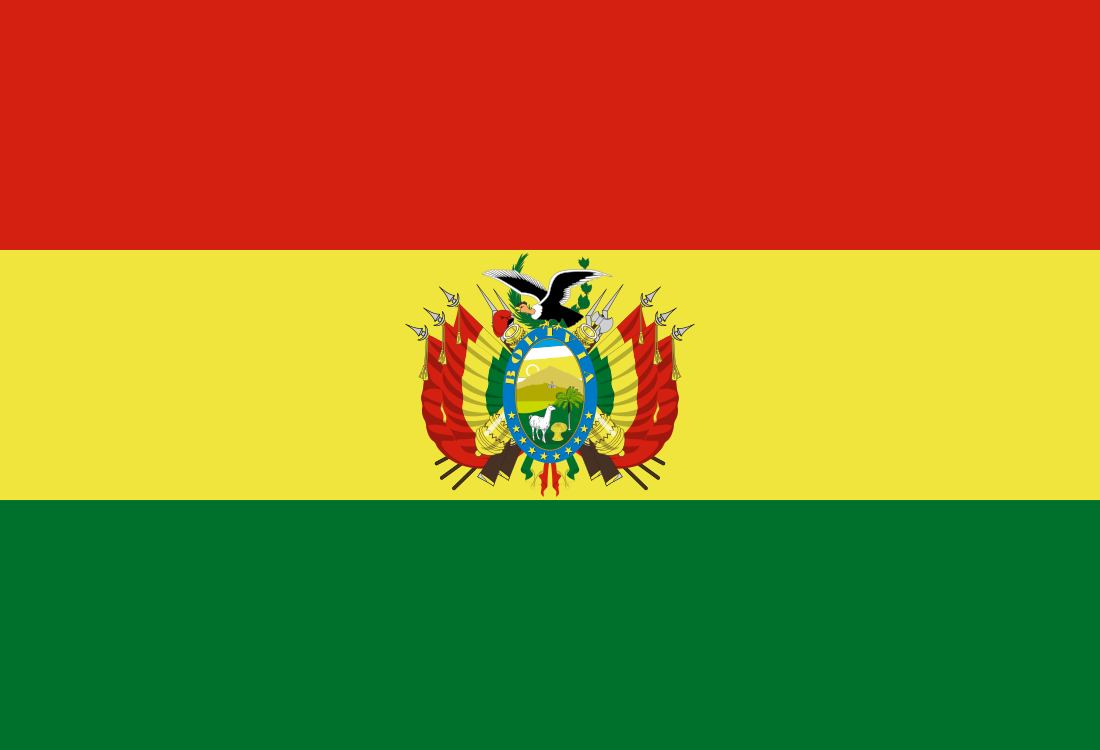
Land neighbors, approximated from simplified map outlines.
Symbols in History (2)
Coats of arms and emblems whose historic seat lies within this country’s present-day territory.
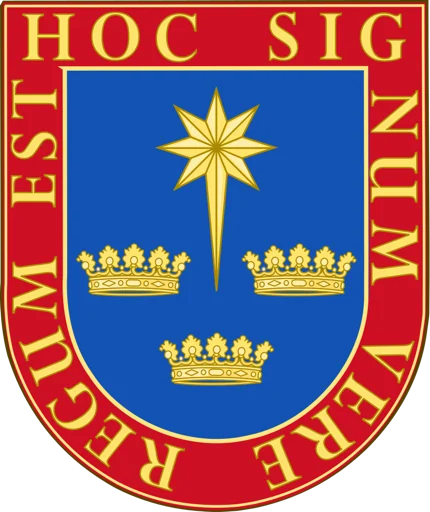
Coat of Arms of Lima
OriginLima was founded in 1535 by Francisco Pizarro and carried the formal name Ciudad de los Reyes, the City of the Kings. In 1537 the emperor Charles V, ruler of Spain, granted the city arms built around that name: the three kings of the Nativity story and the star that guided them. The picture shown here is a modern redrawing of the shield settled by that grant.
DescriptionHigh on a blue field stands a single gold star; of its eight rays only the downward one is drawn long, falling like a tail toward the middle of the shield. Three gold crowns are set around it: two flank the tip of that tail, one is centred below them, standing for the three kings to whom the city's name points. A red border wraps the shield and carries the gold capitals HOC SIGNUM VERE REGUM EST, read clockwise from the top, meaning “This is truly the sign of the kings.” The long-tailed star is the star of Bethlehem that led those kings to the child.
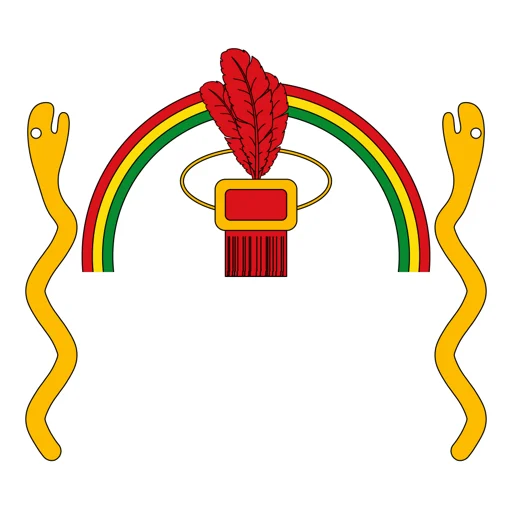
Inca Royal Banner
OriginThe drawing gathers the insignia of the Sapa Inca, ruler of Tawantinsuyu, the empire that governed the Andes in the 15th and 16th centuries. Accounts from the time of the conquest mention only a small personal banner painted with the ruler's own device; there was no single flag standing for the empire as a state. What is shown here is a modern reconstruction assembled from those symbols, not a copy of a banner that once flew.
DescriptionAt the centre a red panel sits in a gold frame, with a dense red fringe hanging below it: this is the mascapaicha, the crimson tassel that only the Sapa Inca was allowed to wear across his forehead. The three red plumes rising above it stand for the feathers set into that headdress, and the gold ellipse behind them is the braided band wound around the head. Overhead arches a rainbow of three stripes — red, yellow and green — an emblem tied to the royal house at Cusco. On each side a golden serpent winds upward and lifts its head at the very top, the tip parting into two prongs with a small round eye marked below: the amaru, an Andean sign of power and wisdom.


Data Sources
- What the flag means: Ley N° 32251, Ley que unifica y armoniza la regulación de los símbolos de la patria, símbolos del Estado y emblemas nacionales, Art. 4
- Population: Population, total (SP.POP.TOTL), latest available value
- Area: World countries in JSON, CSV, XML and YAML
- Organizations: Membership of Principal UN Organs