Flag of India
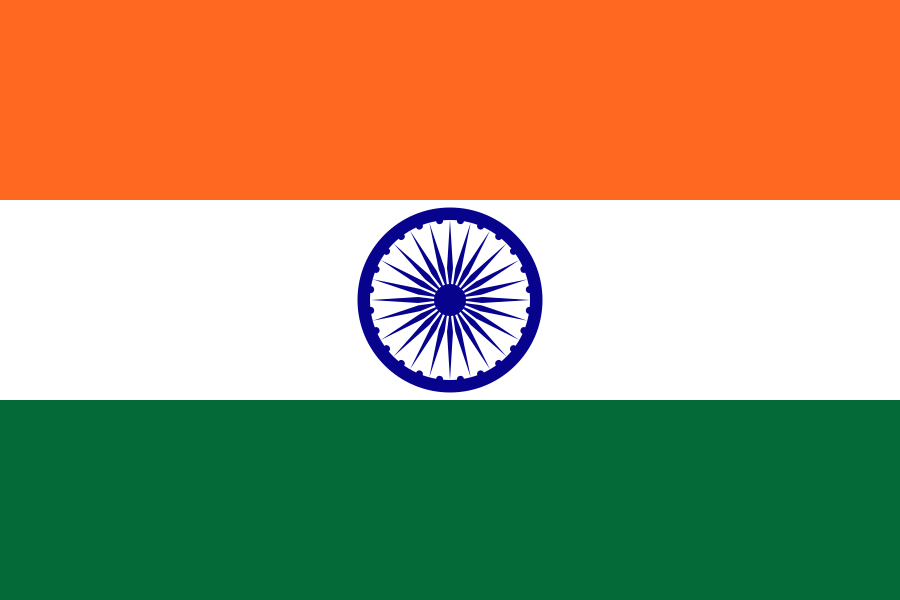
What the flag means
- Saffron — courage and sacrifice
- White — peace and truth
- Green — faith and fertility
- Ashoka Chakra (24 spokes) — the wheel of law (dharma), eternal motion
Design set by: Flag Code of India, 2002, Part I · Adopted 1947
Highlights
- 🕌 The wonder of the Taj Mahal
- 🧘 Birthplace of yoga and meditation
- 🍛 Rich, spice-filled cuisine
- 🎬 Bollywood movies
- 🎨 Holi, the festival of colors
Quick facts
- Region
- Asia · Southern Asia
- Population
- 1,463,865,525 people (2025)
- Area
- 3,287,590 km²
- Capital
- New Delhi
- Languages
- Hindi, English
- Currency
- Indian rupee (INR)
- Organizations
- United Nations
Similar flags
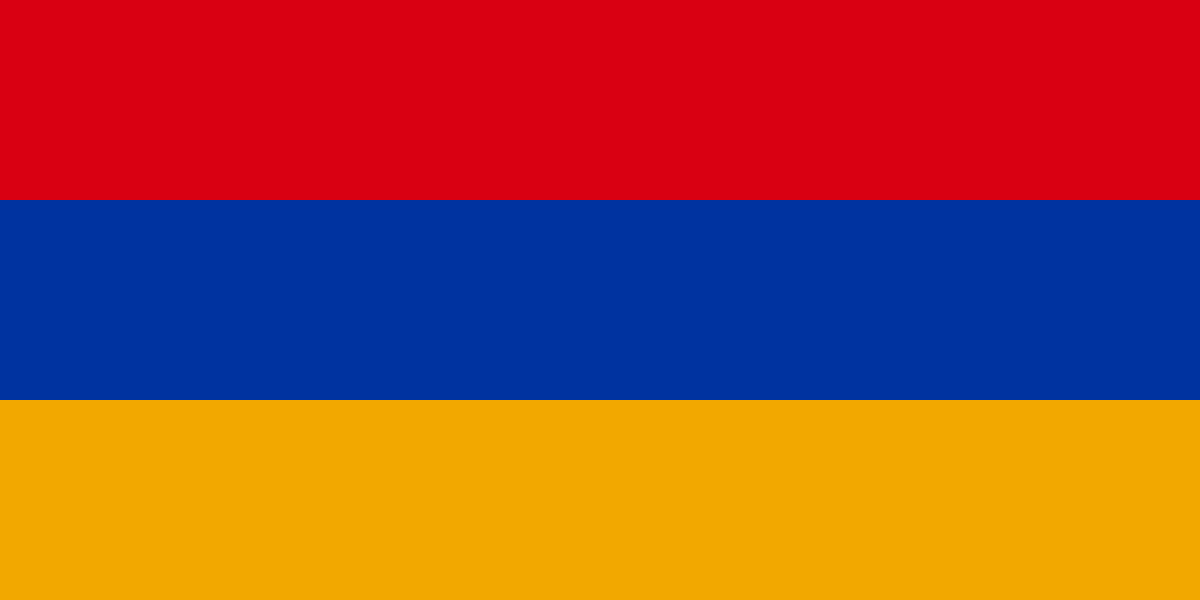
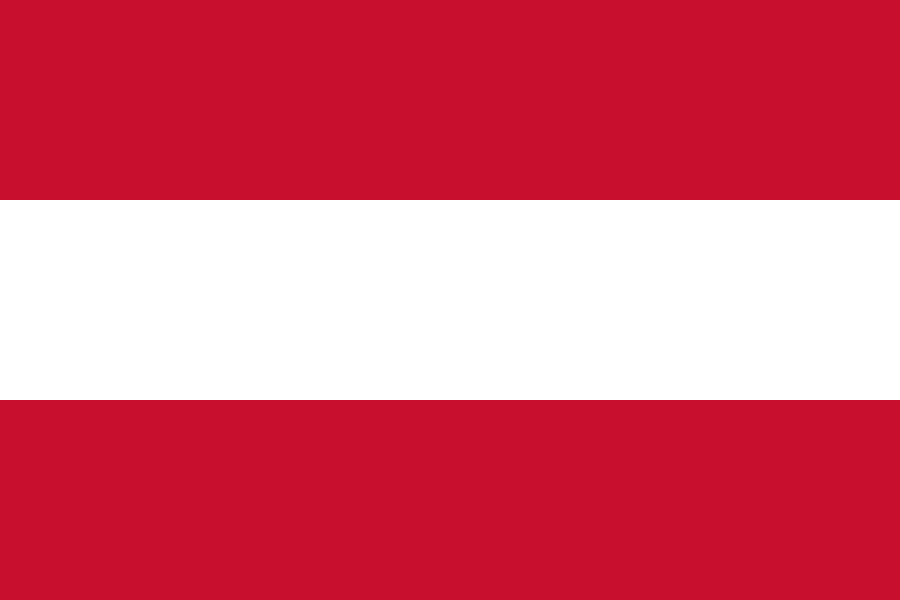
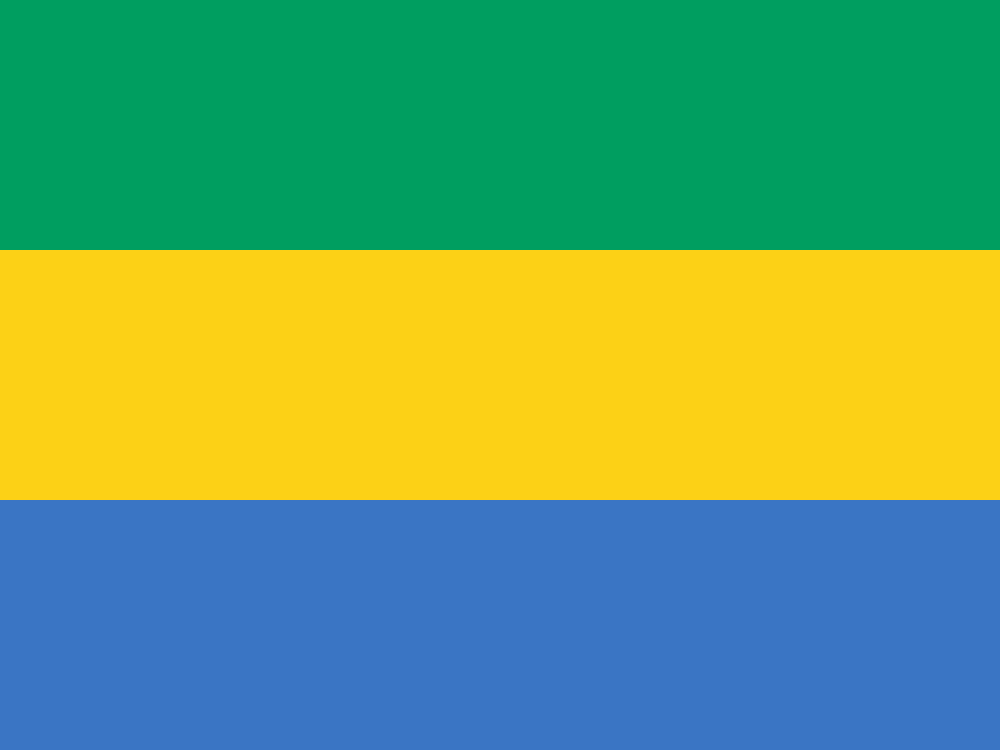
Horizontal tricolors

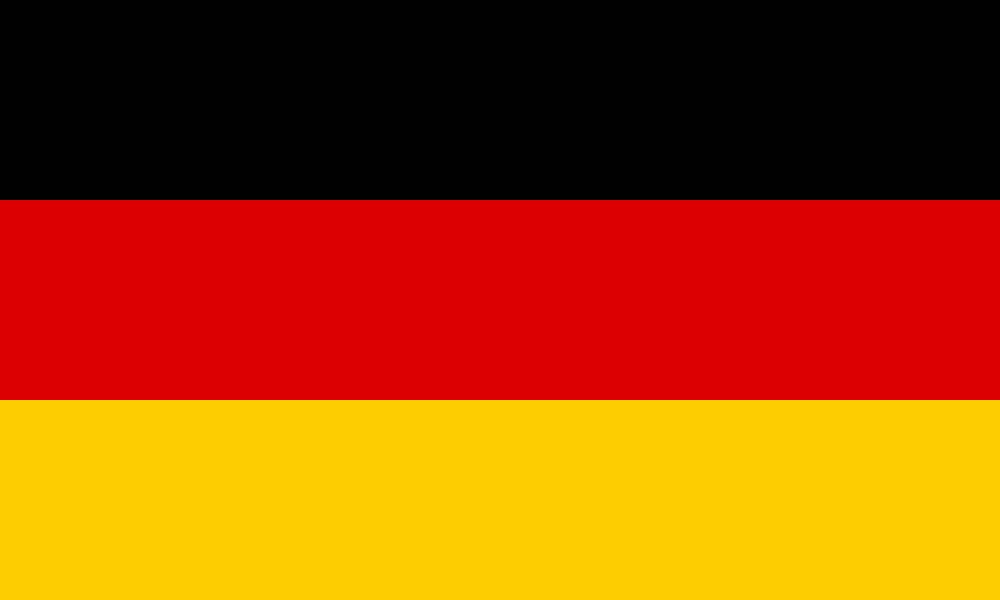
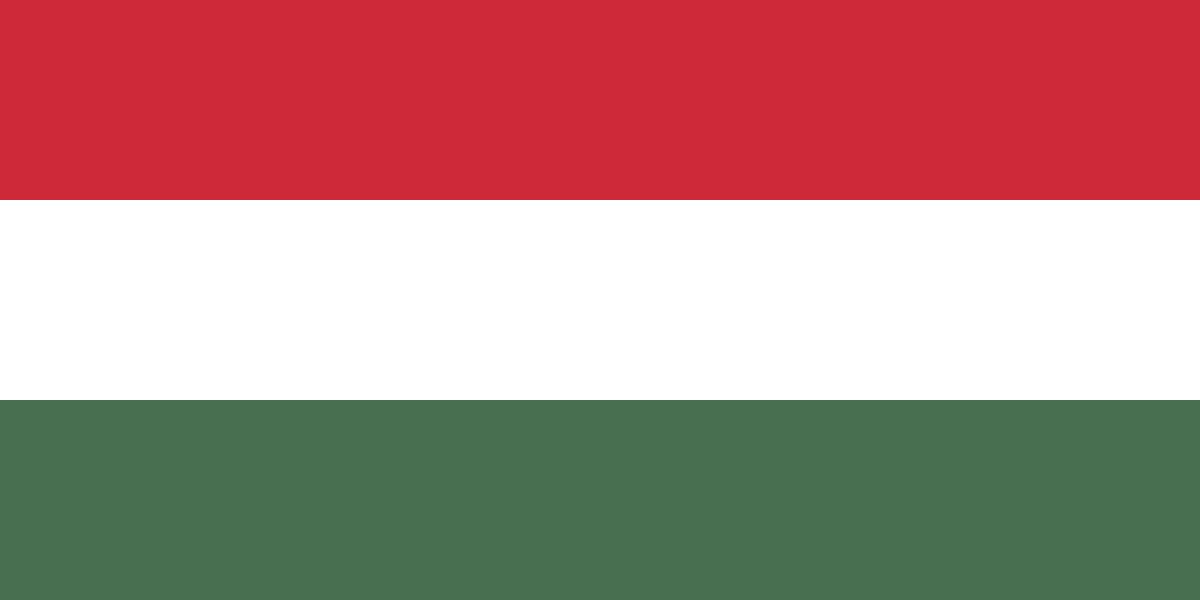
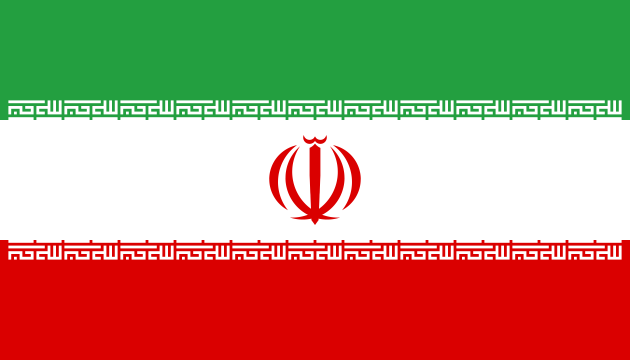
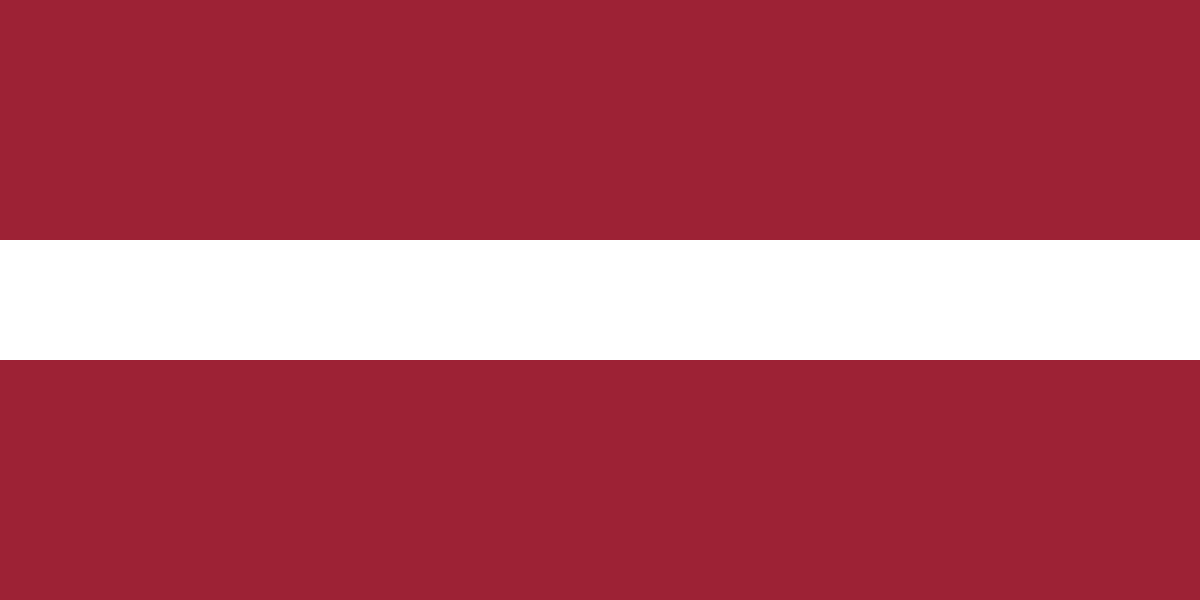
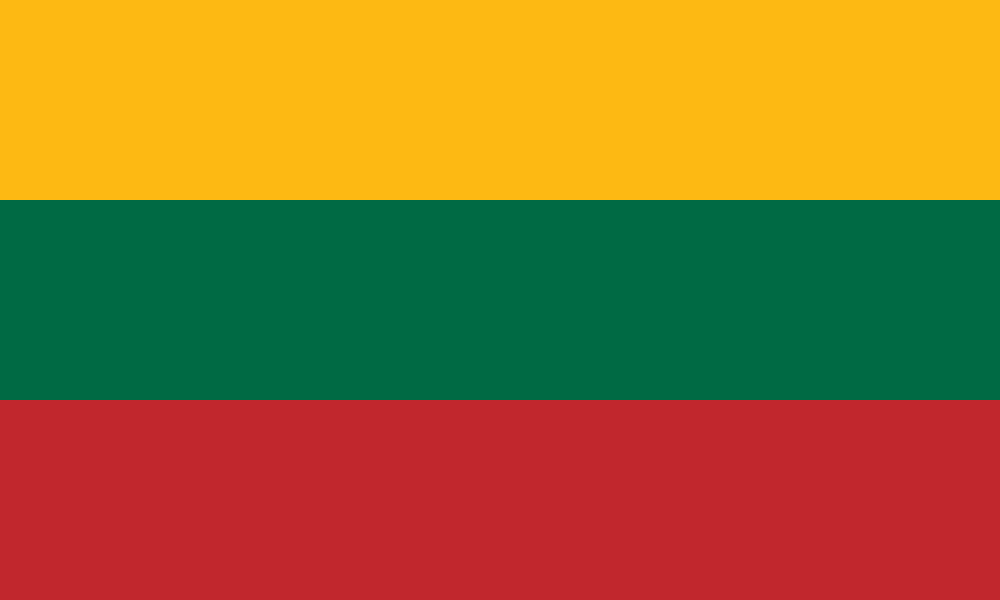
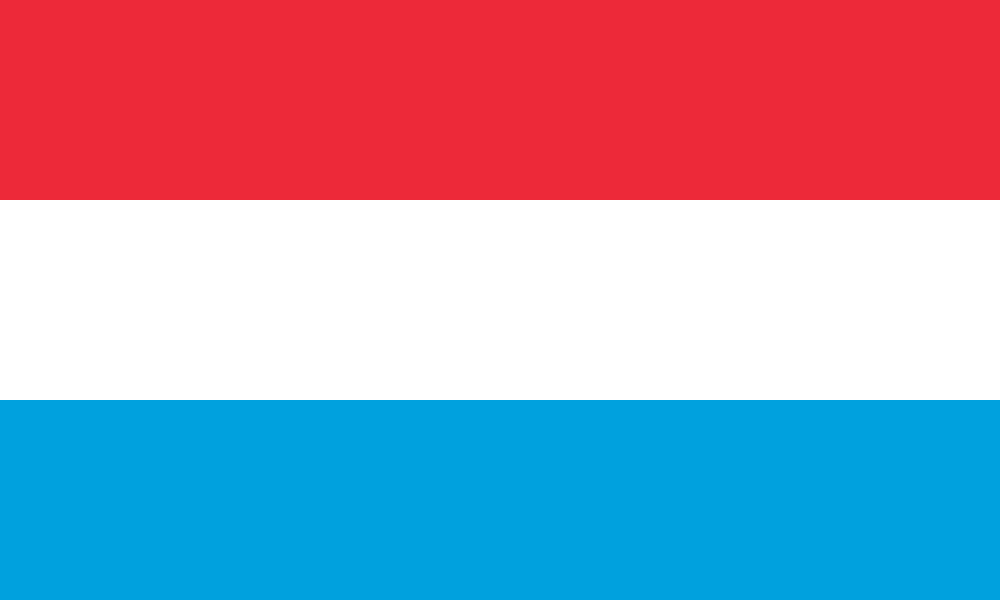
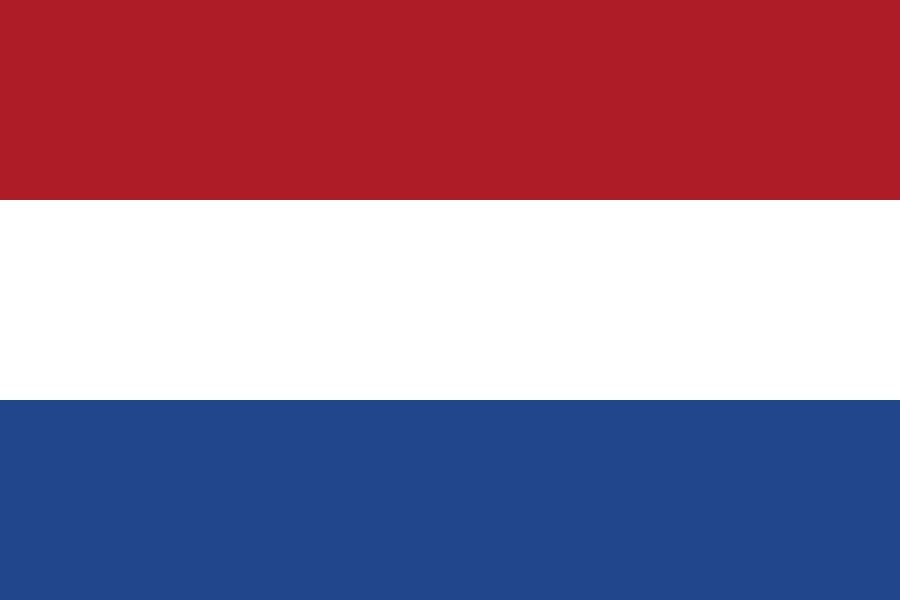
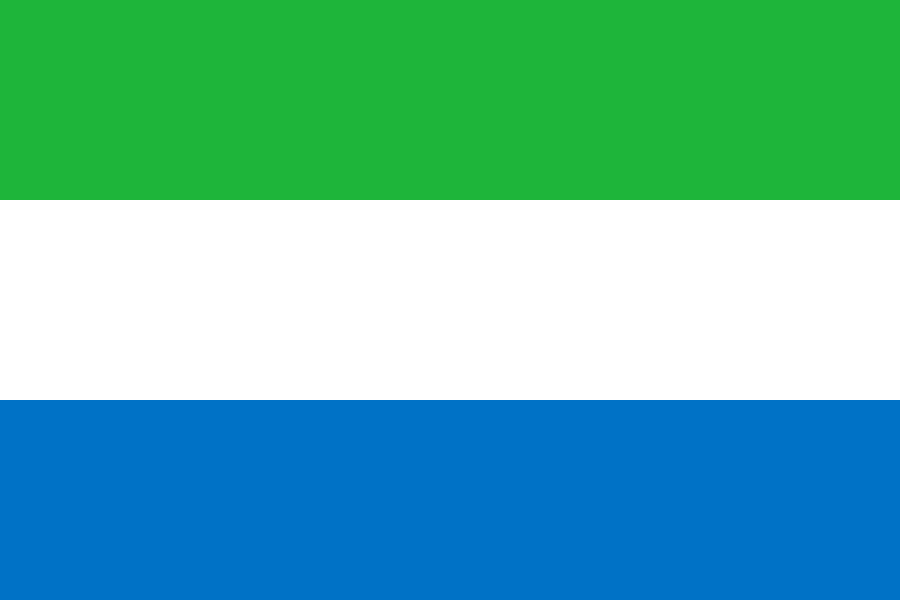
Neighboring countries

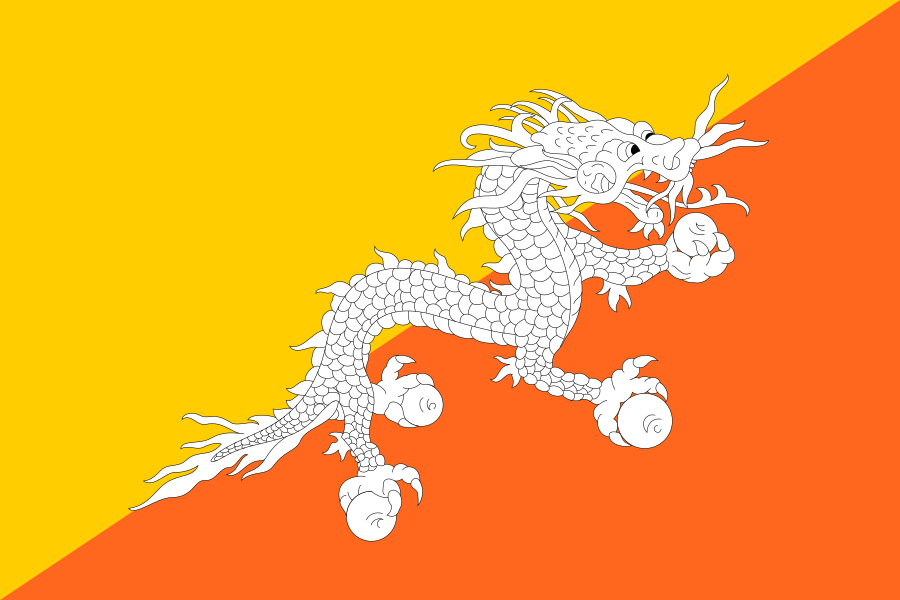
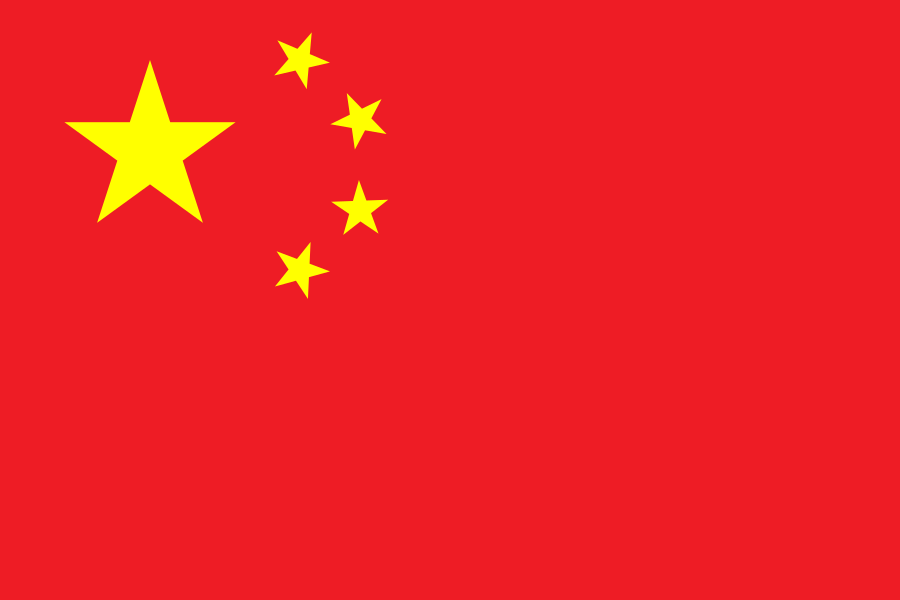
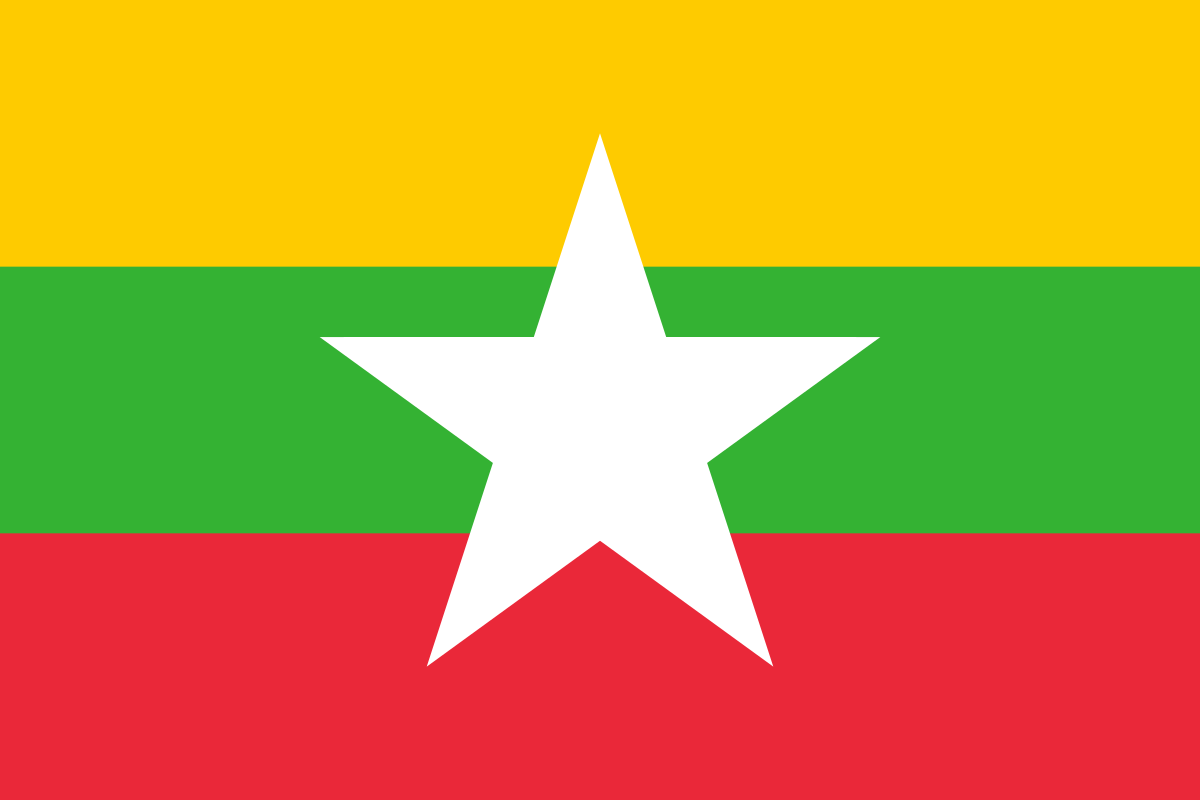
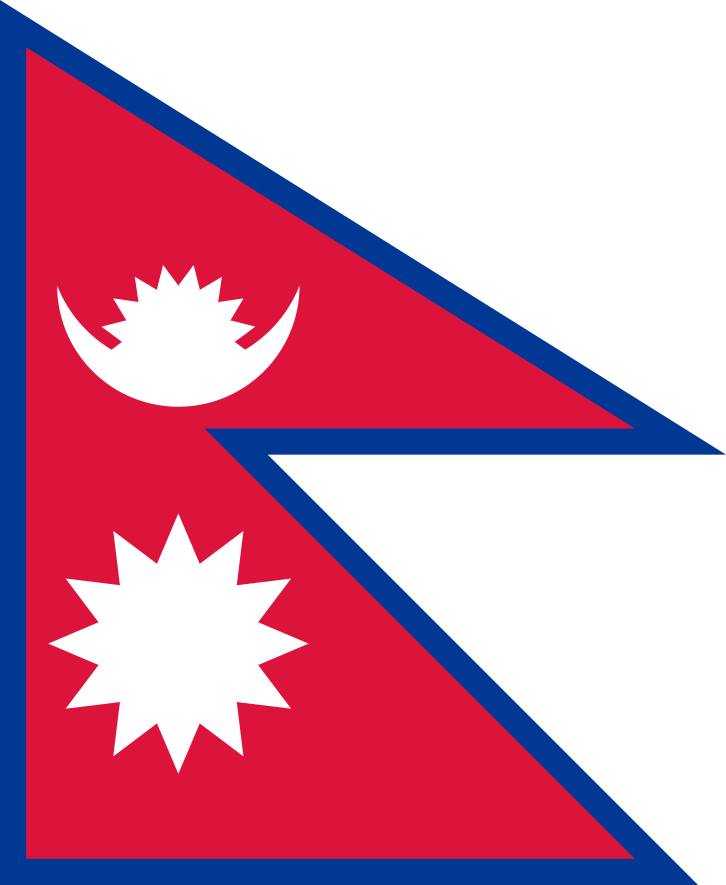
Land neighbors, approximated from simplified map outlines.
Symbols in History (1)
Coats of arms and emblems whose historic seat lies within this country’s present-day territory.

Bhagwa Dhwaj of the Maratha Empire
OriginThe Maratha state began with Shivaji, crowned at Raigad in 1674, and rose out of the Deccan until in the eighteenth century its weight was felt across much of the Indian subcontinent. Bhagwa Dhwaj means simply “the saffron banner”: it was the mark of Shivaji’s armies and remained the common sign of the Marathas even after leadership passed to the Peshwas and the territory was shared among several great houses. It came down in 1818, with the last war lost to the British.
DescriptionThe whole of this long cloth is a single deep saffron — no charge, no lettering, no border. The fly is cut by a V that bites about two fifths of the way back, leaving one long tapering point above it and another below. In India saffron is the colour of the ascetic’s robe, tied to renunciation, devotion and sacrifice, and as a war banner it carried that pledge into the field. The split tail catches the wind and streams wide, so the banner could be picked out from far off.

Data Sources
- What the flag means: Flag Code of India, 2002, Part I
- Population: Population, total (SP.POP.TOTL), latest available value
- Area: World countries in JSON, CSV, XML and YAML
- Organizations: Membership of Principal UN Organs