Flag of Switzerland
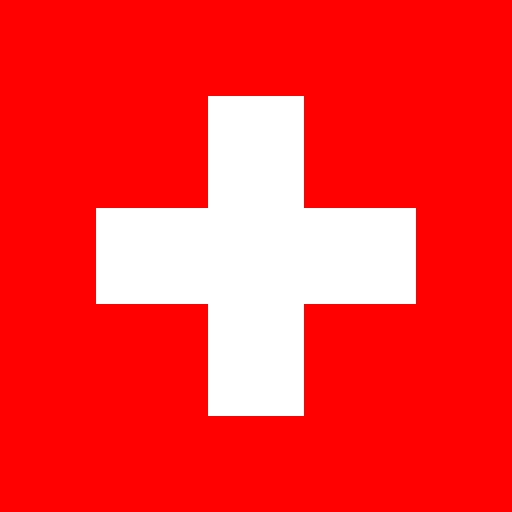
What the flag means
- White cross — Christian faith and neutrality
- Red field — one of only two square national flags (with the Vatican)
Design set by: Bundesgesetz über den Schutz des Schweizerwappens und anderer öffentlicher Zeichen (Wappenschutzgesetz, WSchG), SR 232.21, Art. 3 und Anhang 2 · Adopted 2017
Highlights
- 🏔️ Breathtaking Alpine views
- ⌚ Precision watchmaking
- 🍫 Swiss chocolate and cheese
- 🏦 Stable economy, great living
- 🚞 Mountain trains across the Alps
Quick facts
- Region
- Europe · Western Europe
- Population
- 9,092,436 people (2025)
- Area
- 41,284 km²
- Capital
- Bern
- Languages
- German, French, Italian, Romansh
- Currency
- Swiss franc (CHF)
- Organizations
- United Nations, OECD
Neighboring countries
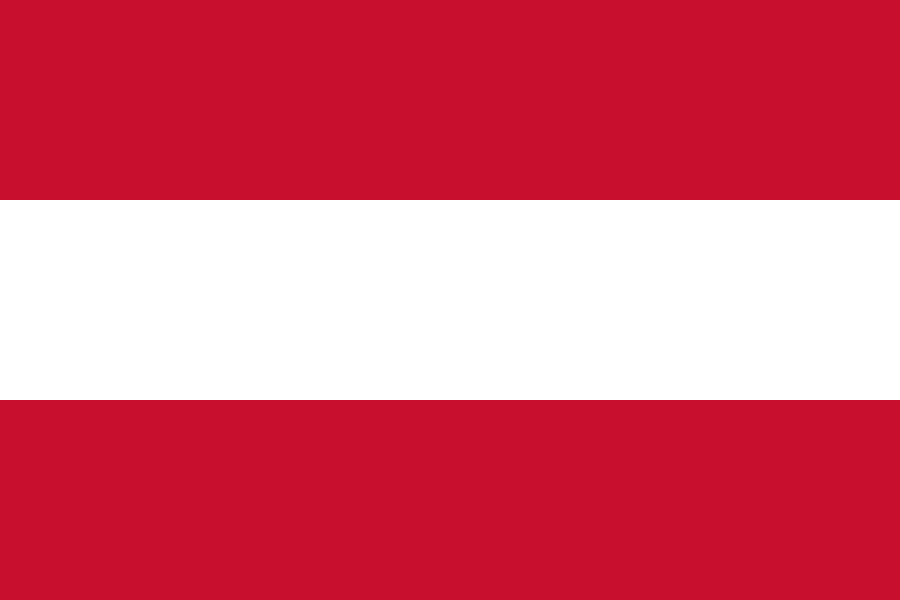
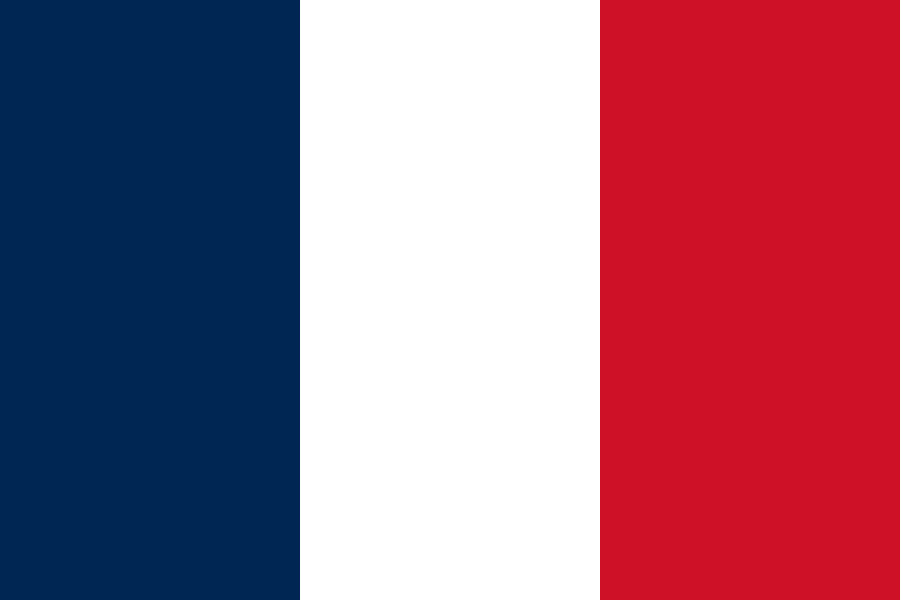
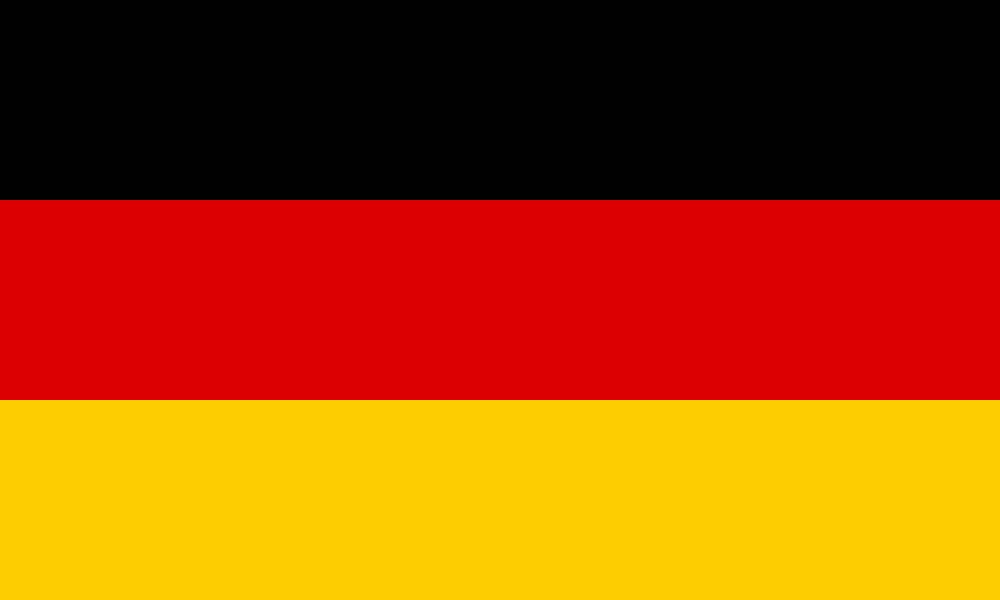
Land neighbors, approximated from simplified map outlines.
Symbols in History (1)
Coats of arms and emblems whose historic seat lies within this country’s present-day territory.
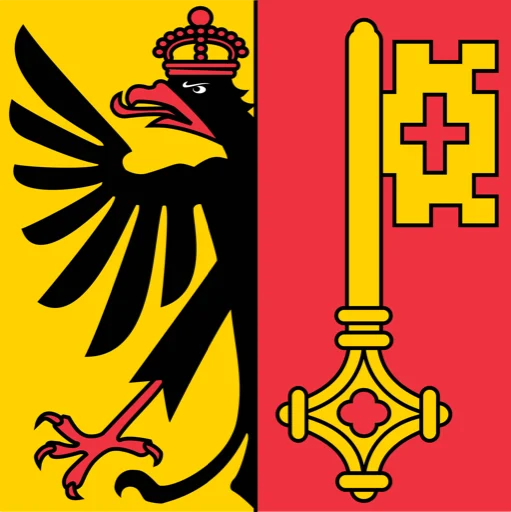
Arms of the City and Canton of Geneva
OriginThe arms of Geneva combine half of the imperial eagle with the key of Saint Peter. There is a current version used jointly by the city and the canton and a historical version from the days of the old Republic of Geneva, and which of the two this picture shows, and when it was adopted, has not yet been confirmed.
DescriptionThe shield is divided vertically into halves: on the left, on a golden field, is the front half of a black eagle wearing a red crown and with red beak and legs; on the right, on a red field, a golden key stands upright. The key has a cross-shaped opening pierced through its upper bit, and the handle below is a cross form with a quatrefoil pattern in it.

State & regional flags (26)
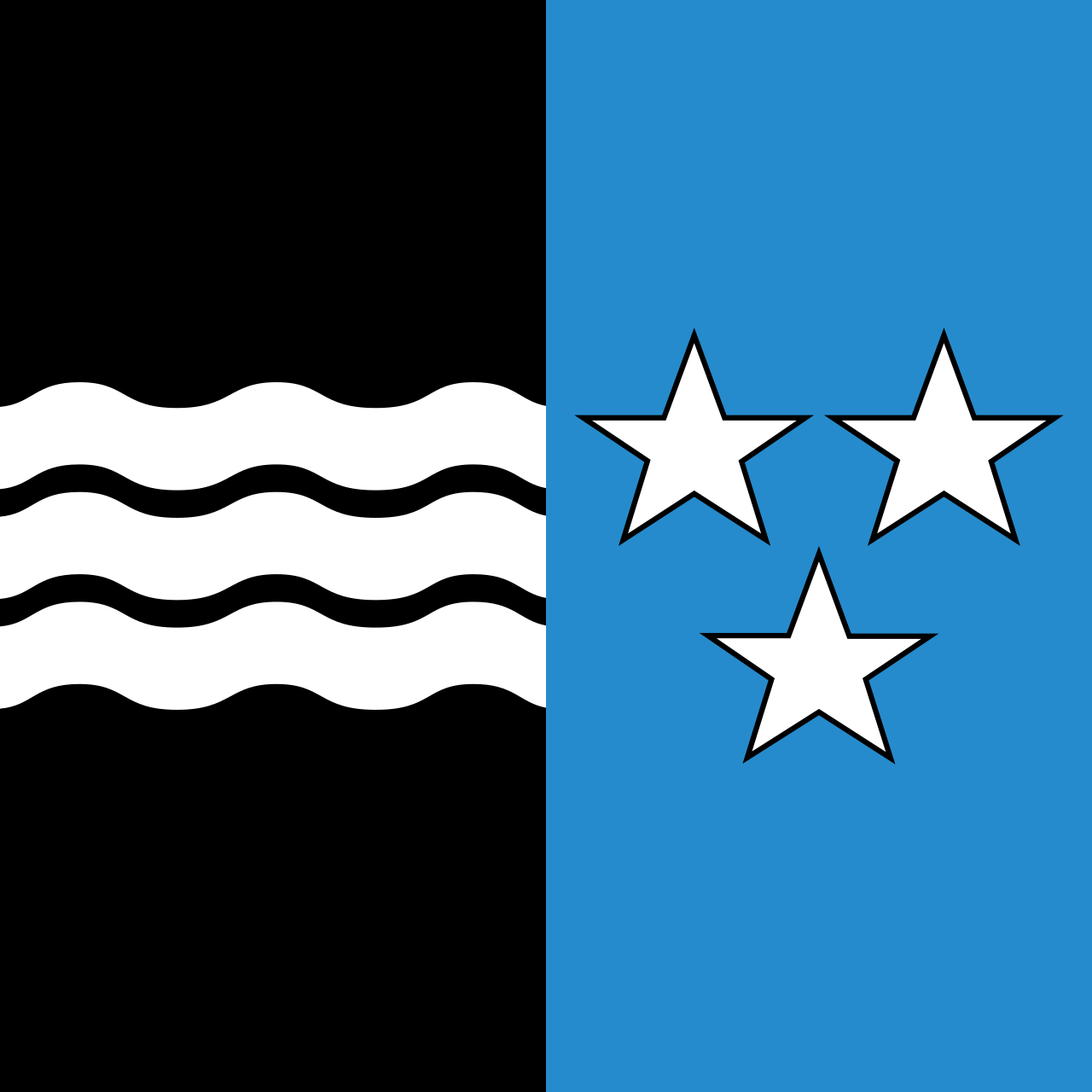
Aargau
Split down the middle: black with three white wavy bands for the canton's rivers, blue with three white stars.
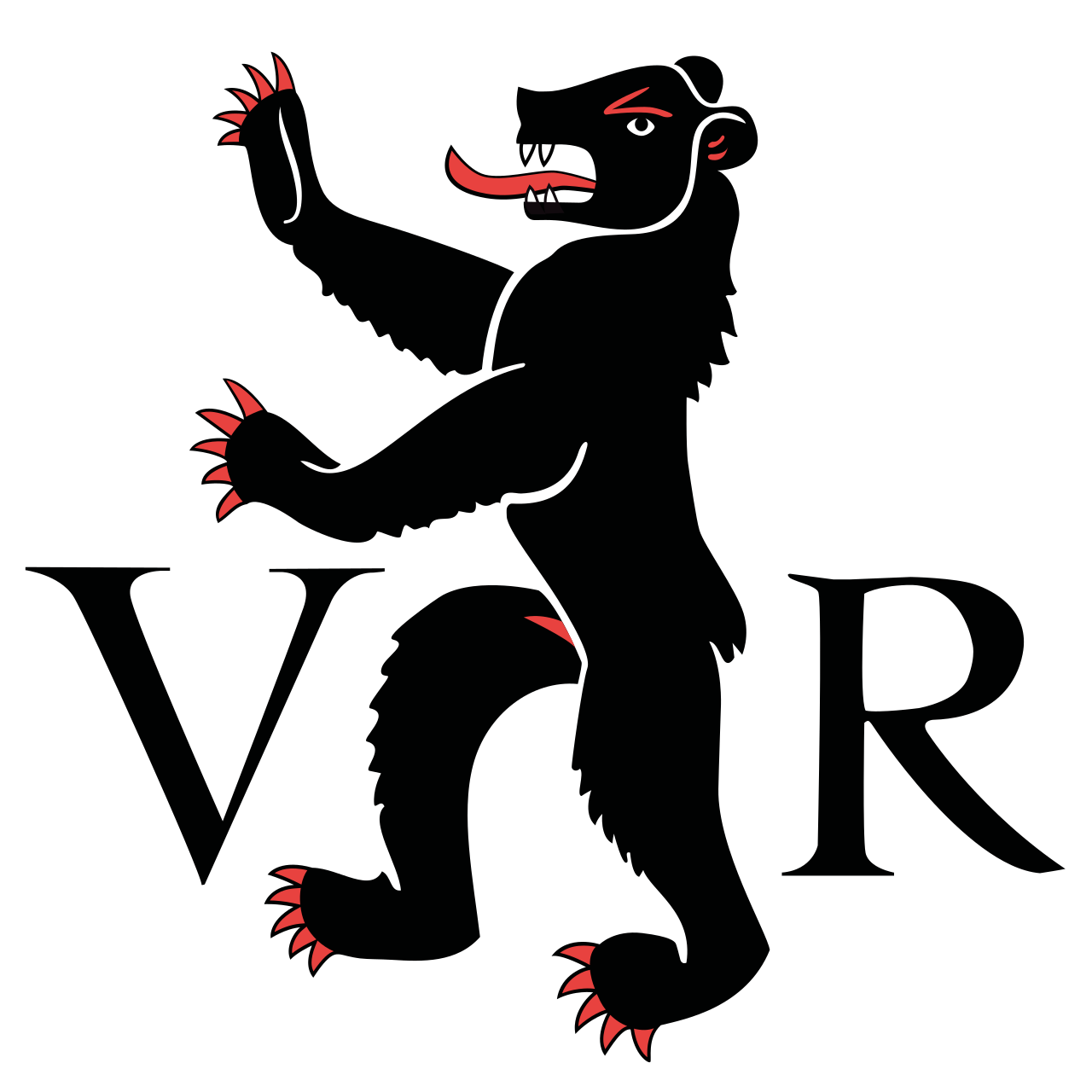
Appenzell Ausserrhoden
A black bear rears up on white, red tongue and claws bared, with the letters V and R — for Usser Rhoden — one at each side.
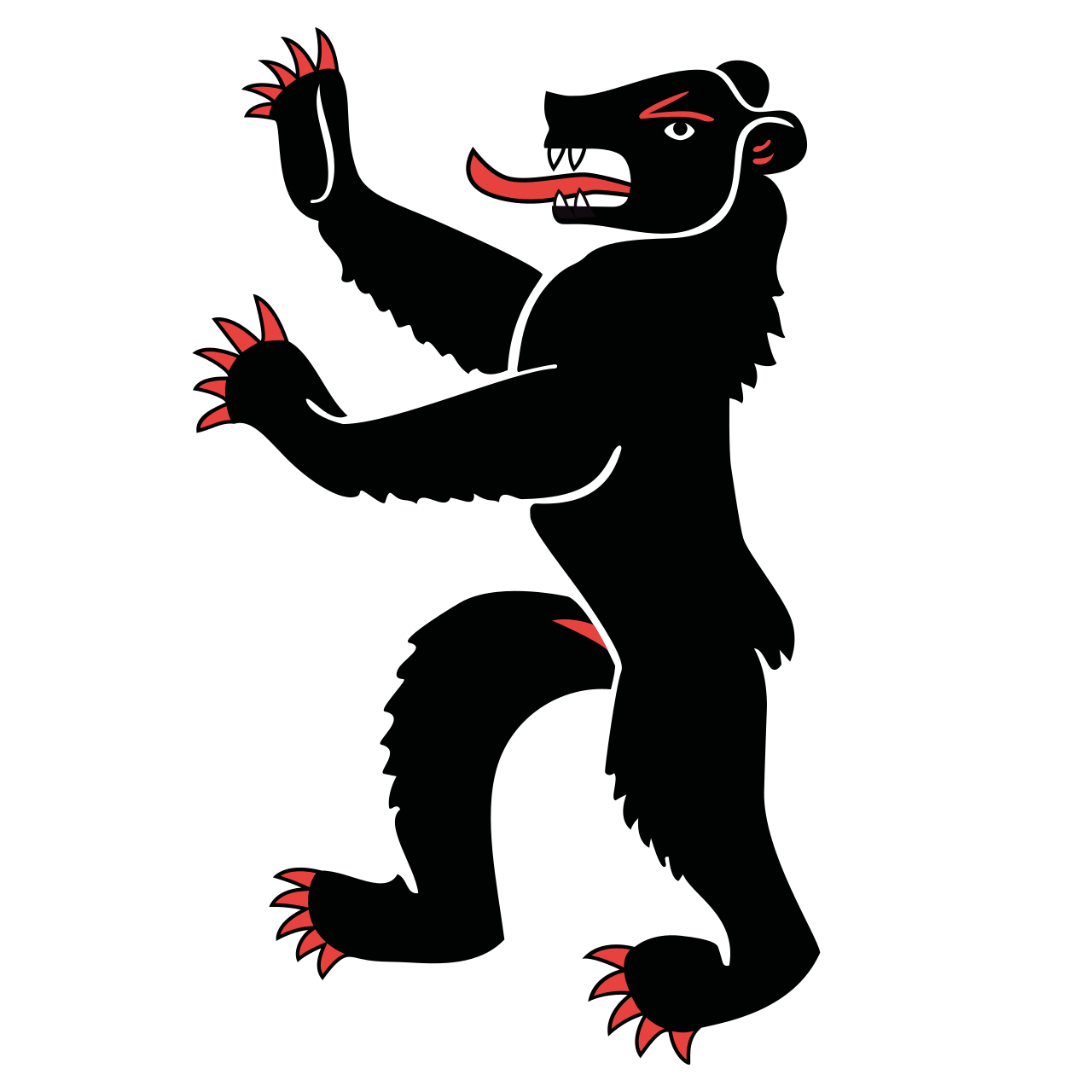
Appenzell Innerrhoden
Nearly the twin of its neighbour: the red-clawed black bear stands alone on plain white, with no letters beside it.
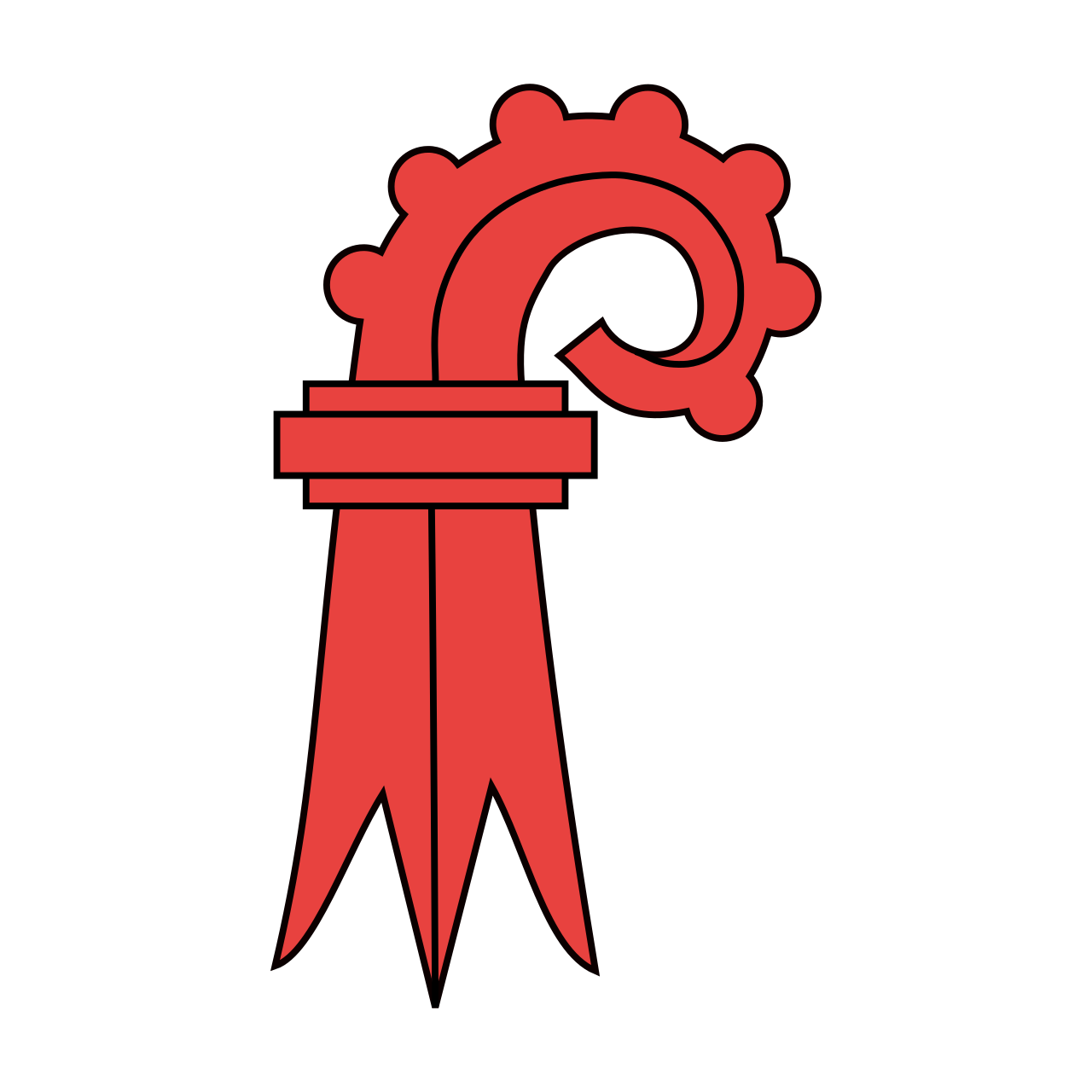
Basel-Landschaft
A red bishop's crozier fills the white field, rounded knobs rimming its crook, a bar across its neck, and the shaft cut off in a jagged three-pointed foot.
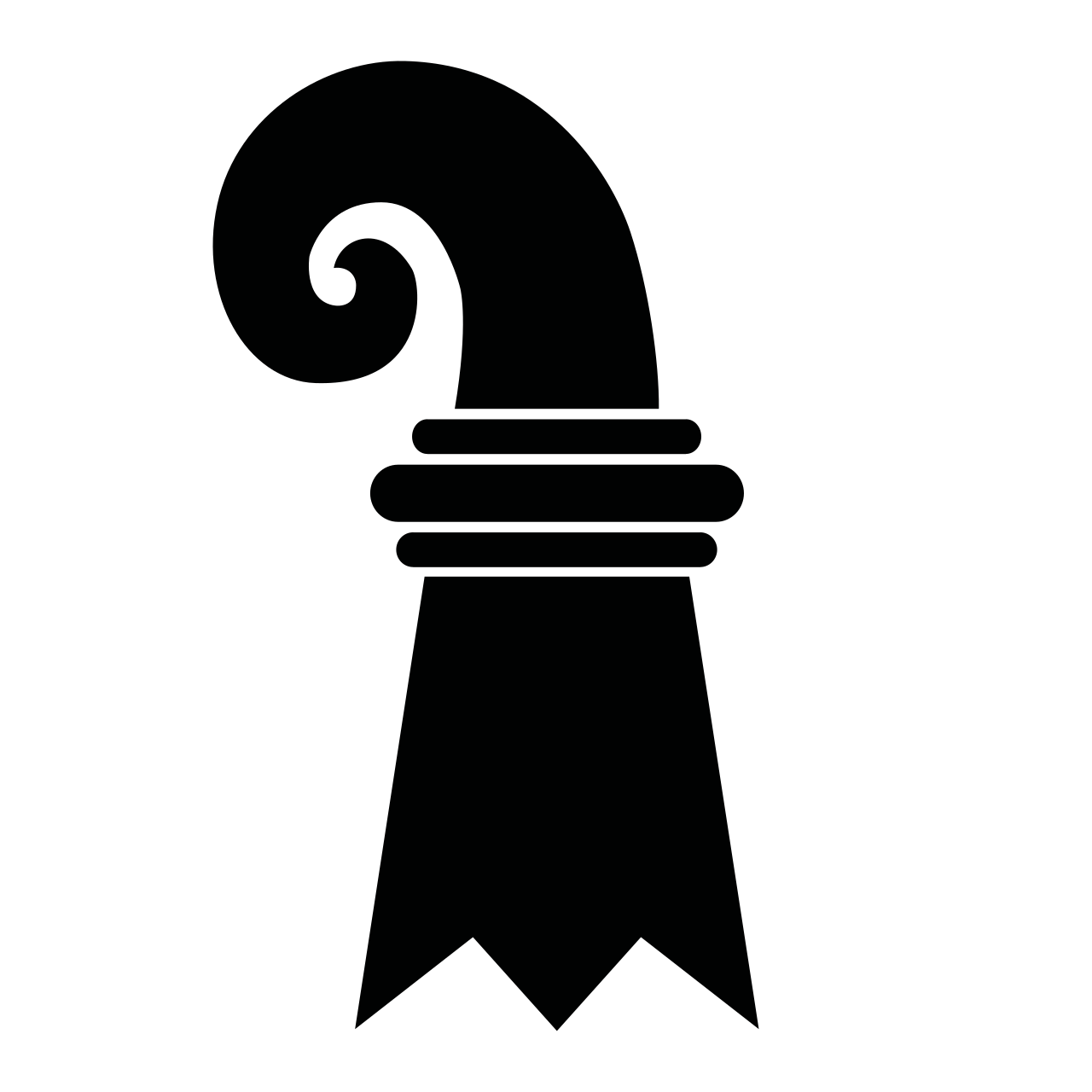
Basel-Stadt
The city's Baselstab is a smooth black crozier hooking toward the hoist, banded at the neck and jagged along the foot.
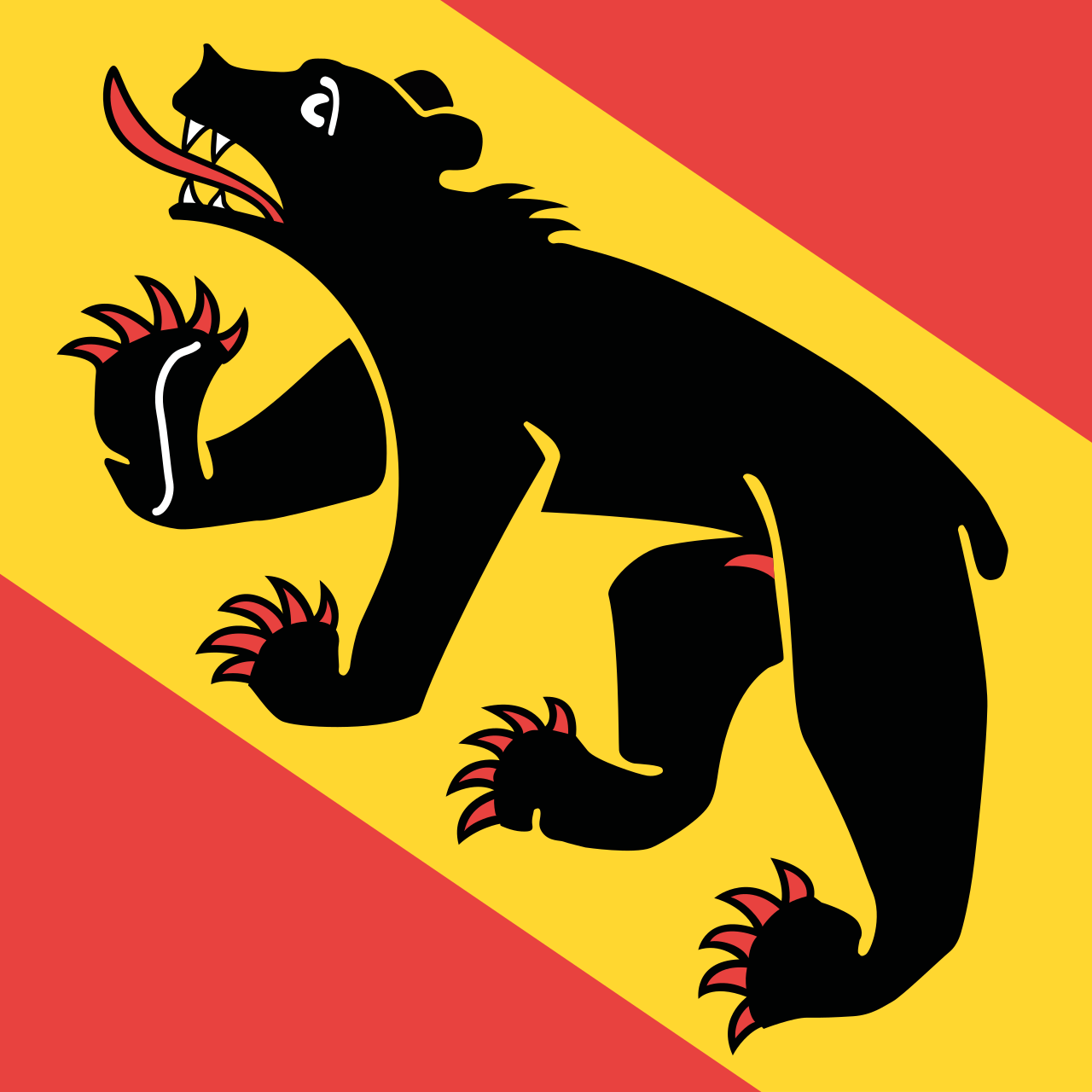
Bern
Bern's bear pads uphill along a broad yellow diagonal, red claws and tongue bared, with red triangles filling the corners.

Fribourg
No emblem at all here: the flag is a plain horizontal bicolour, solid black across the top and solid white below.
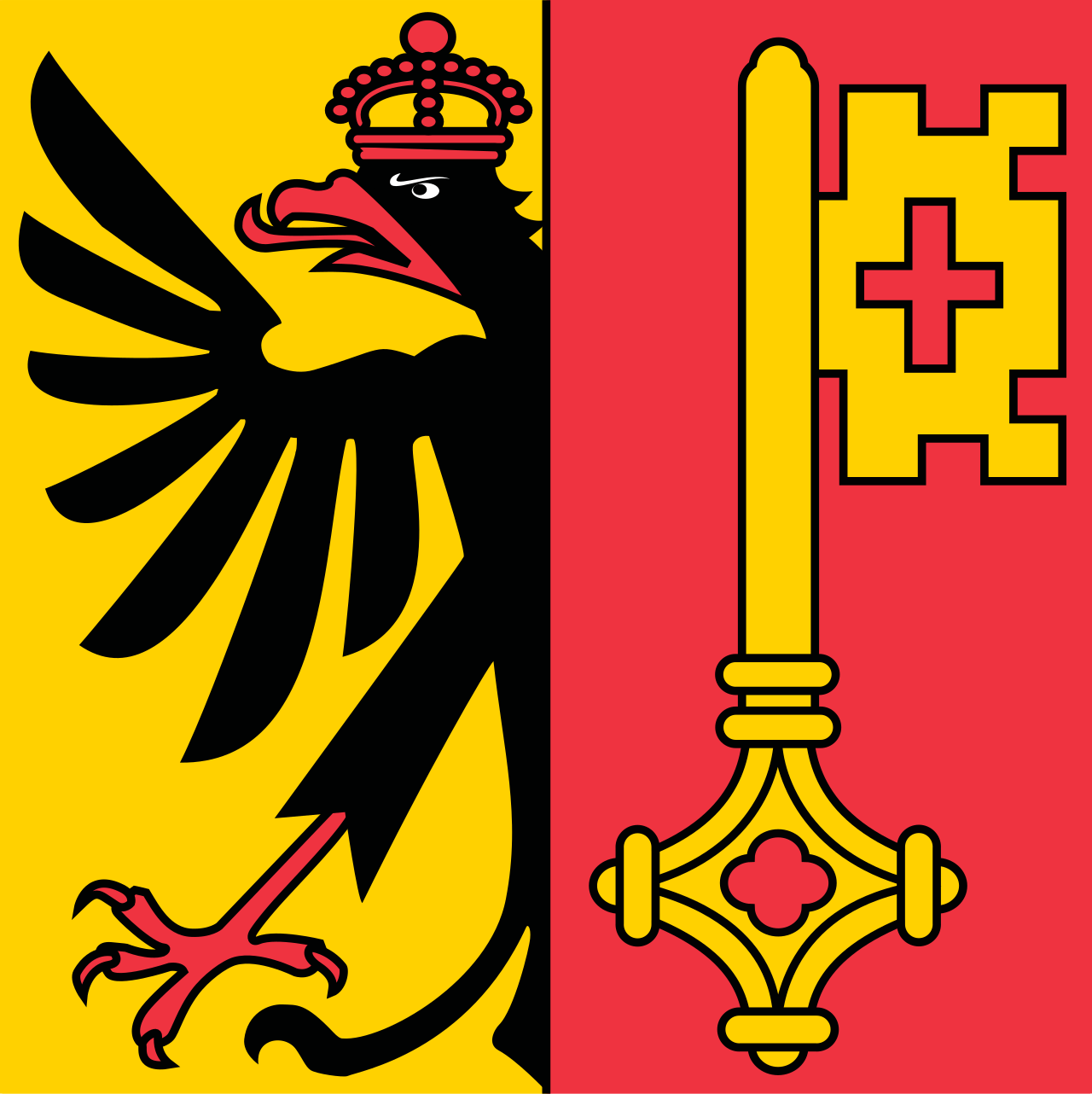
Geneva
Geneva pairs a crowned black half-eagle on gold with a gold key on red, its bit marked by a red cross — the key of Saint Peter.
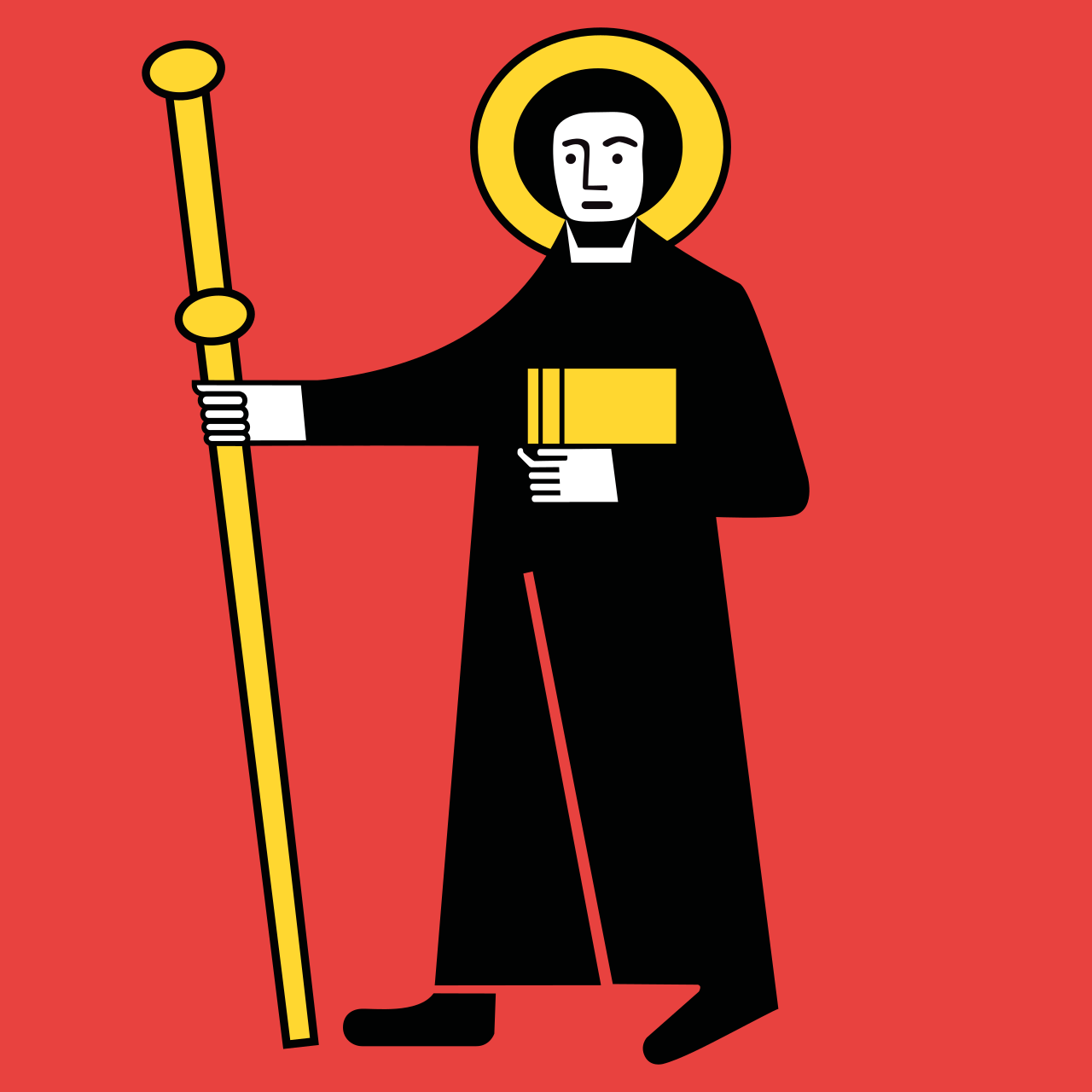
Glarus
On a red field stands Saint Fridolin, a pilgrim in a black robe with a gold halo, a gold staff in one hand and a gold book in the other.
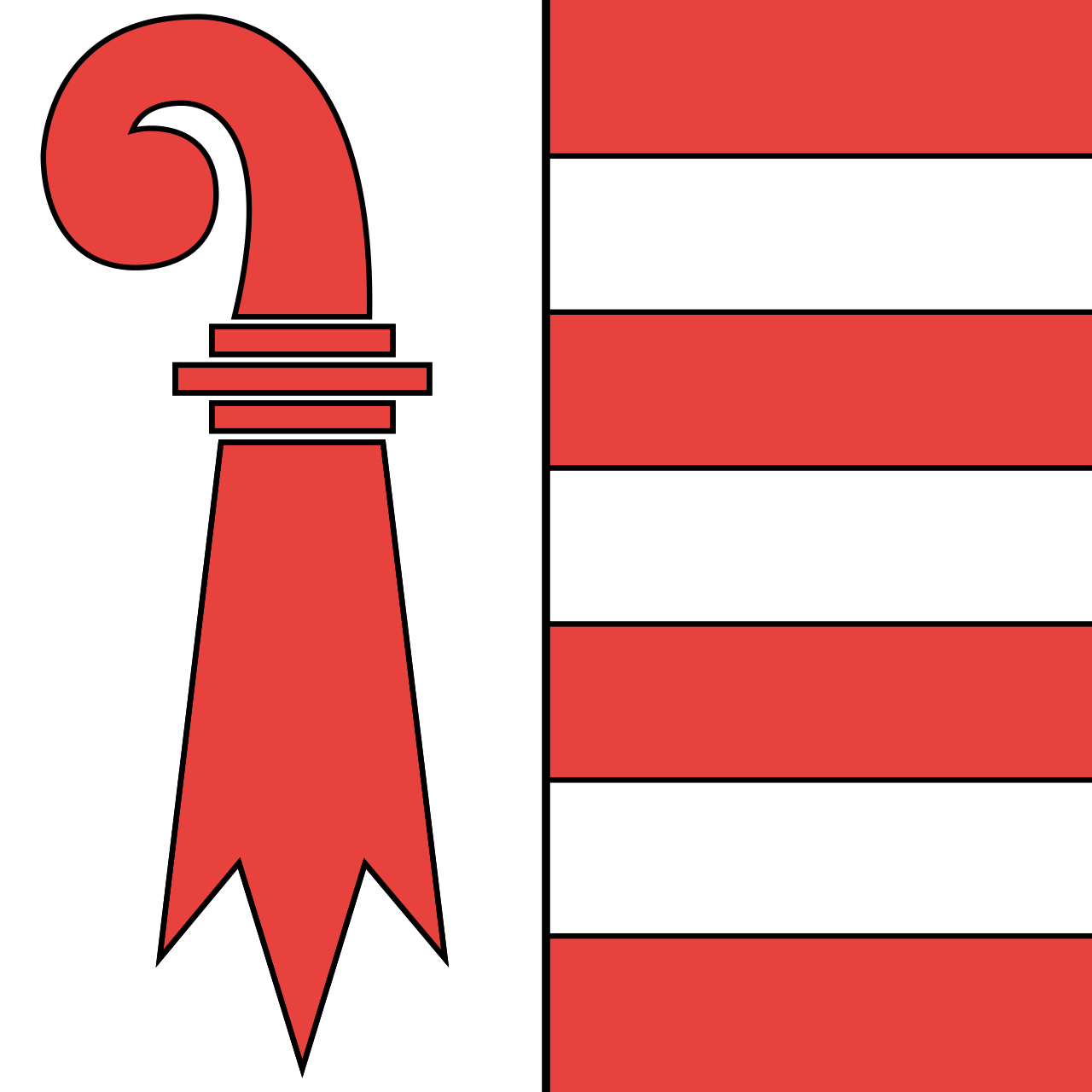
Jura
The left half is white and carries a red bishop's crozier; the right half is barred in seven red and white stripes.

Lucerne
Nothing but two plain bands here: white across the top half, blue across the bottom, with no emblem at all.
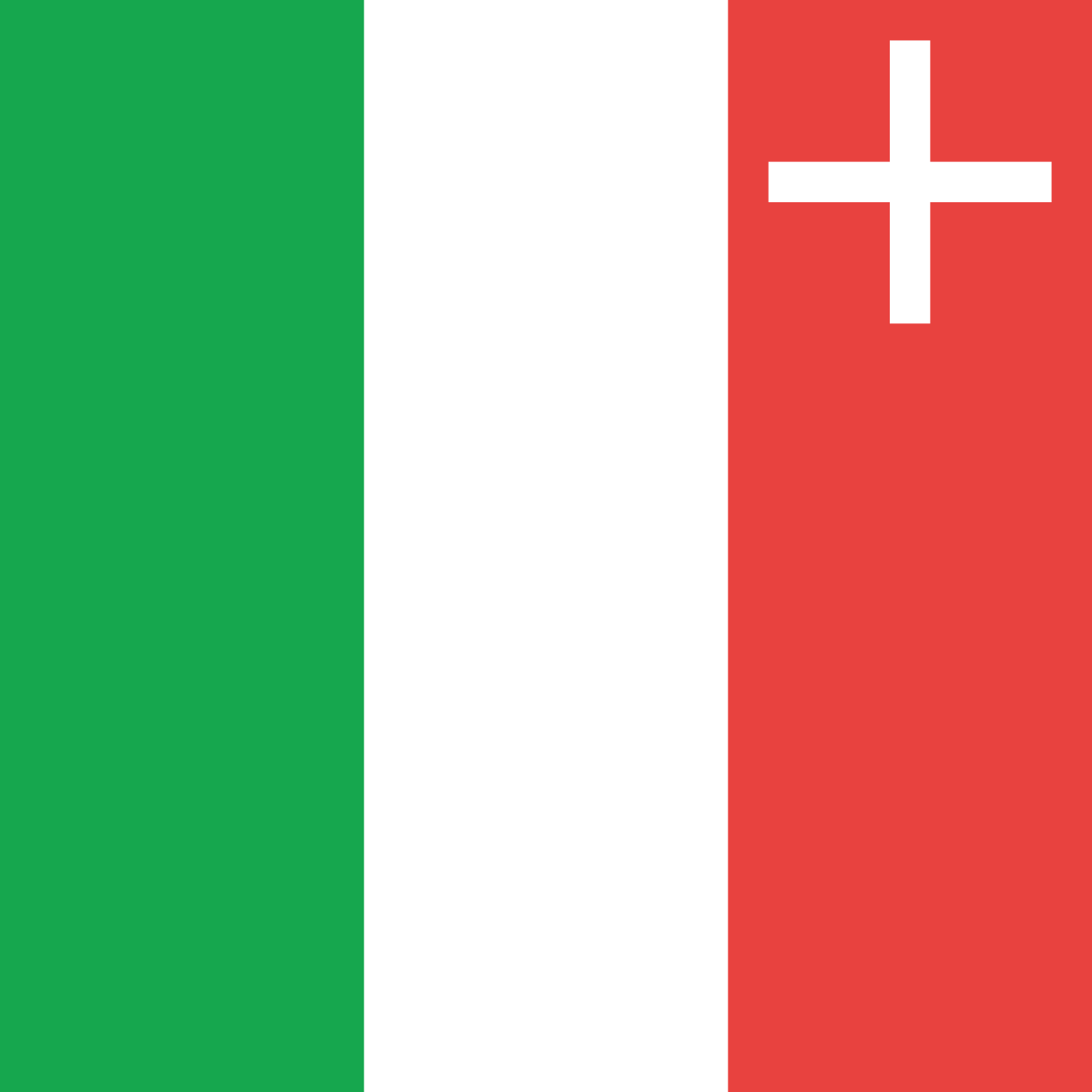
Neuchâtel
Three upright bands of green, white and red, with a small white cross sitting high up in the red band.
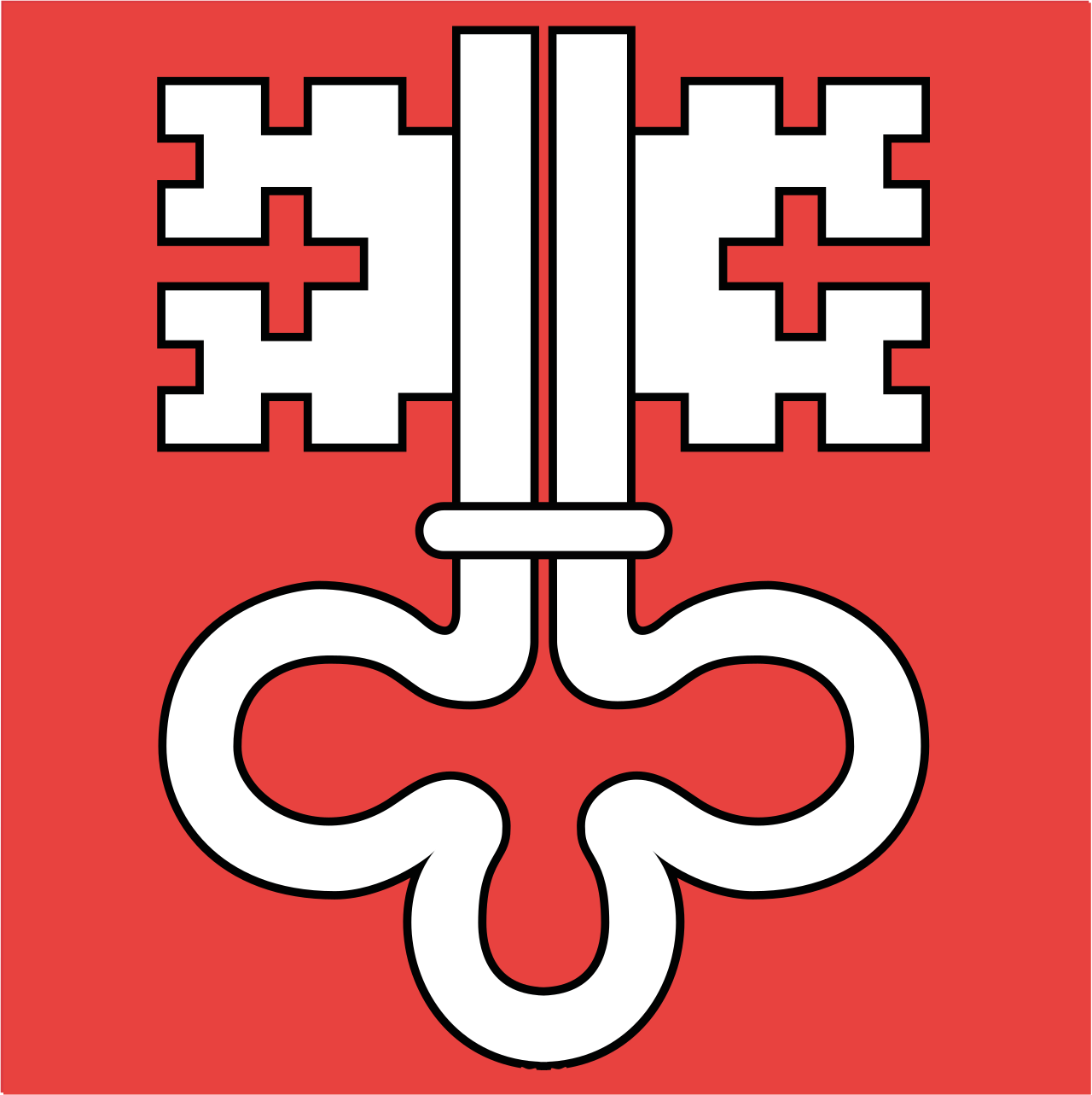
Nidwalden
A white double key stands upright on red: two toothed wards spread at the top and the shaft ends in a looping cloverleaf handle.
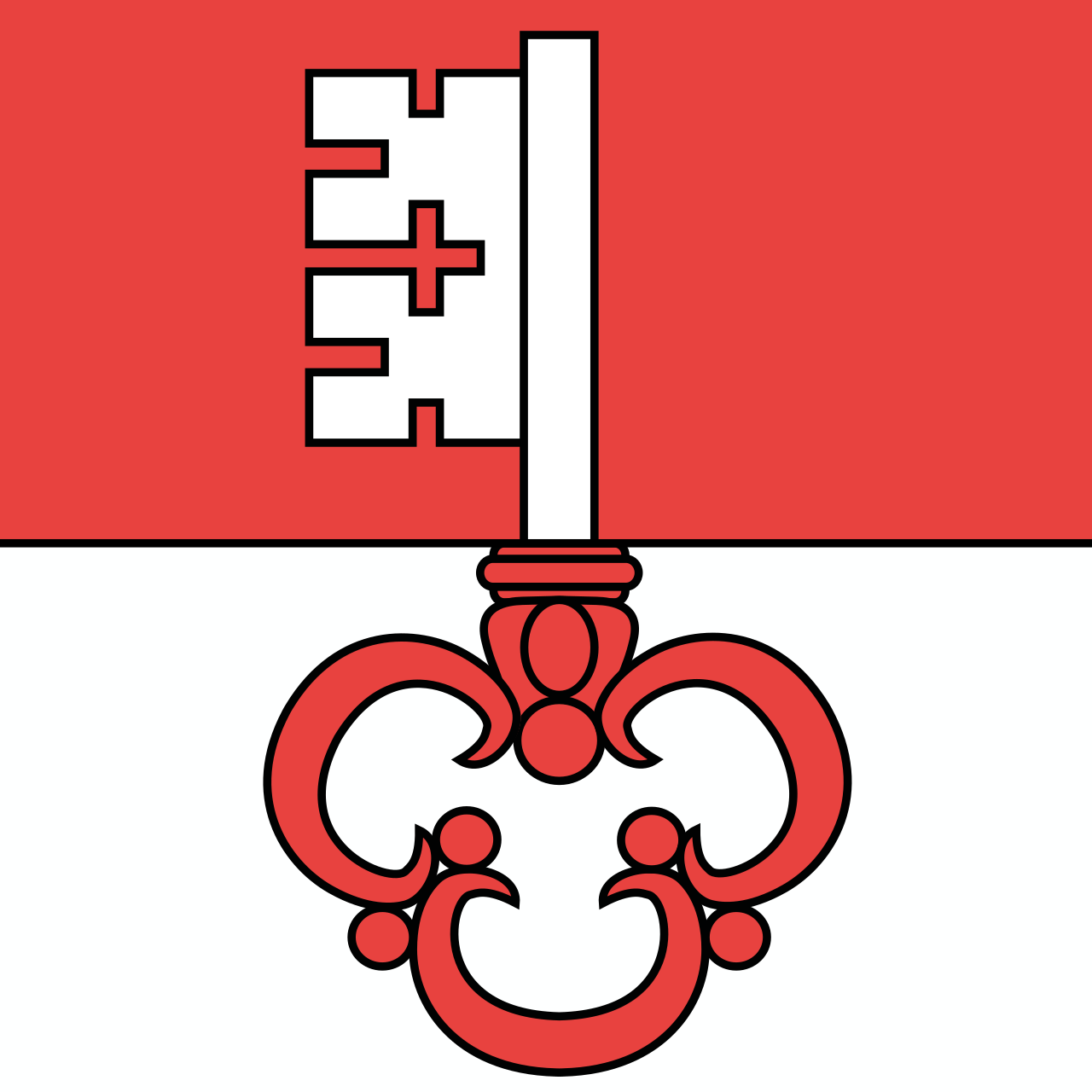
Obwalden
Red above and white below, with one key crossing the join — its toothed head white on the red, its curling handle red on the white.
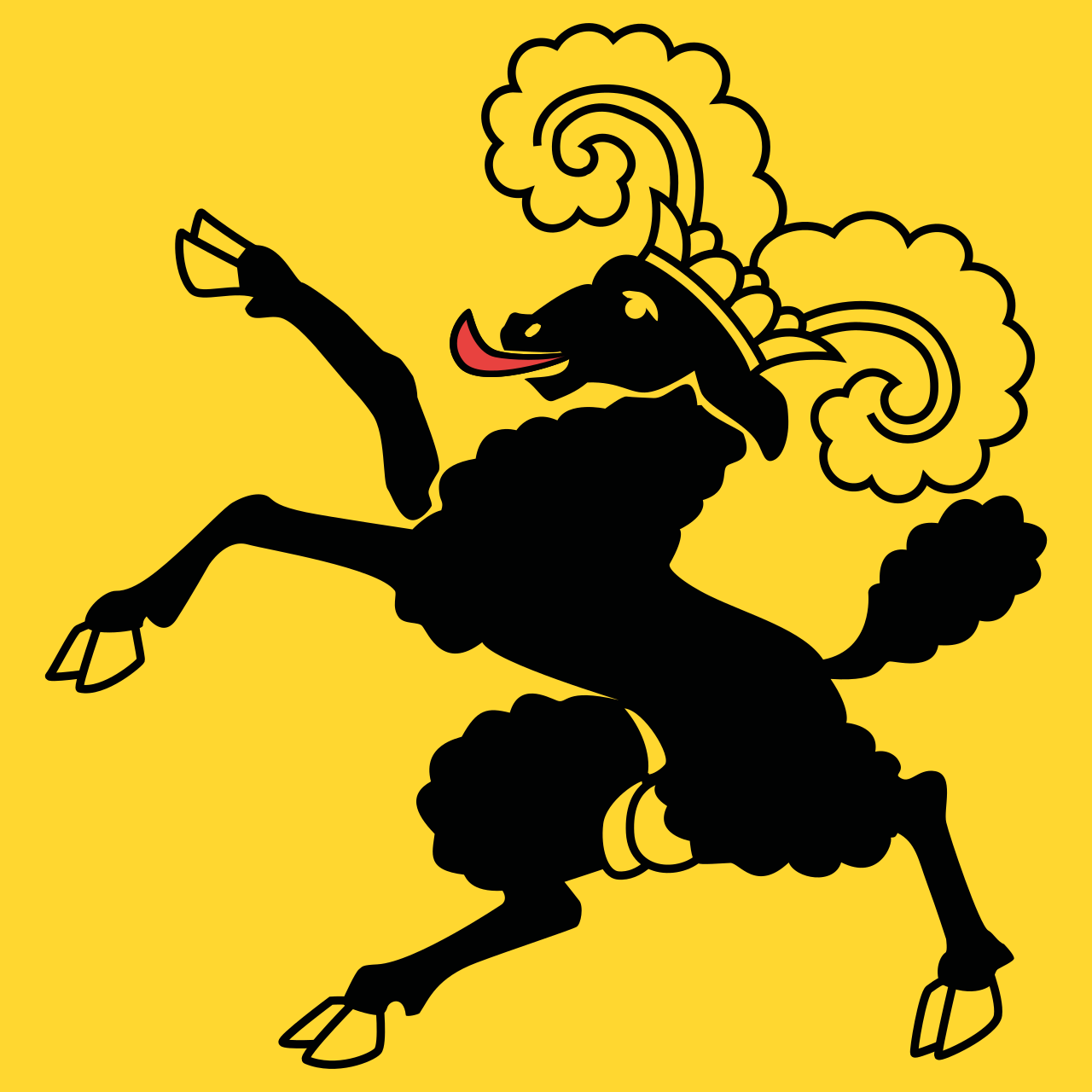
Schaffhausen
A black ram leaps across a golden field, its horns curling in gold and its tongue thrust out bright red.
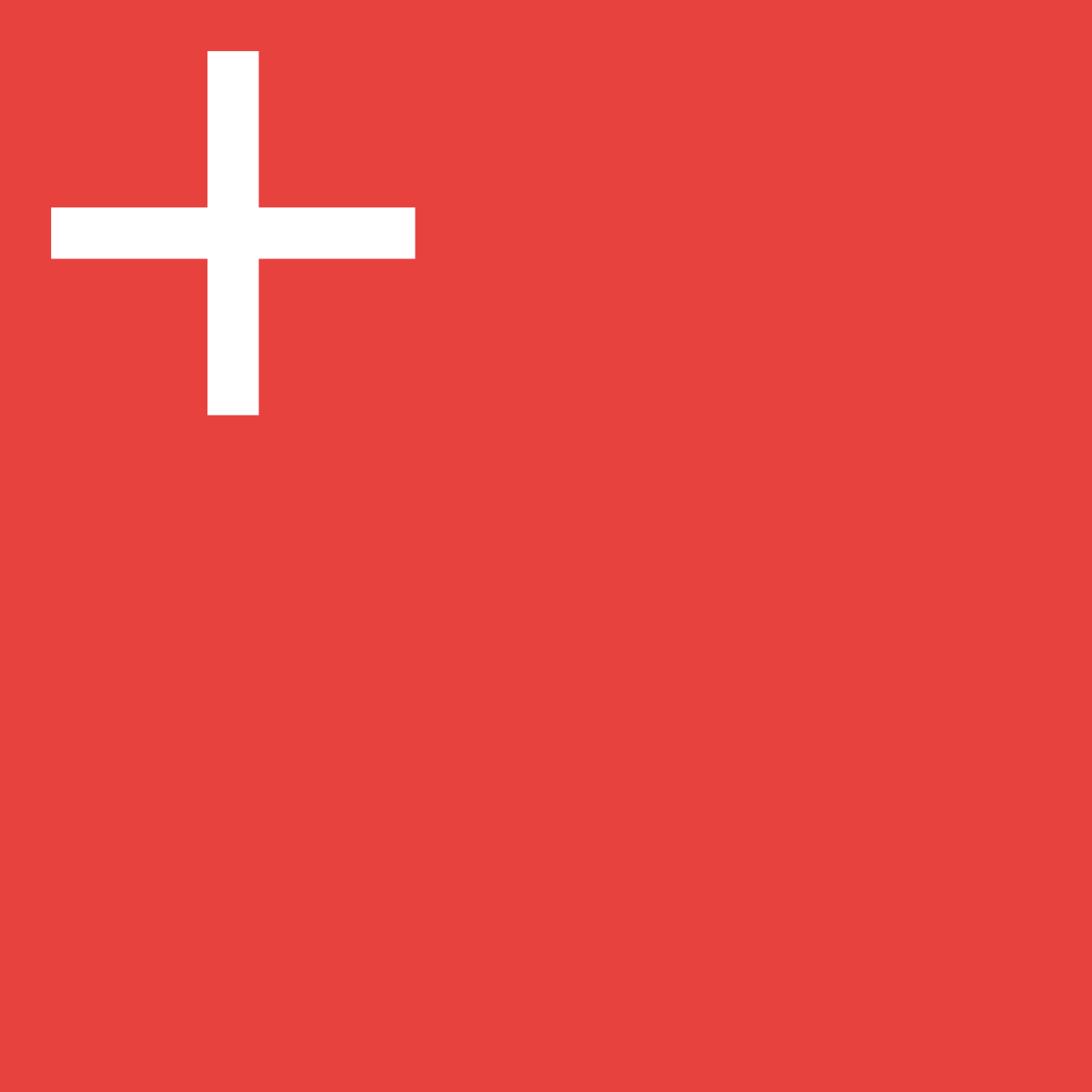
Schwyz
Plain red all over, broken only by a small white cross tucked into the upper corner beside the flagpole.
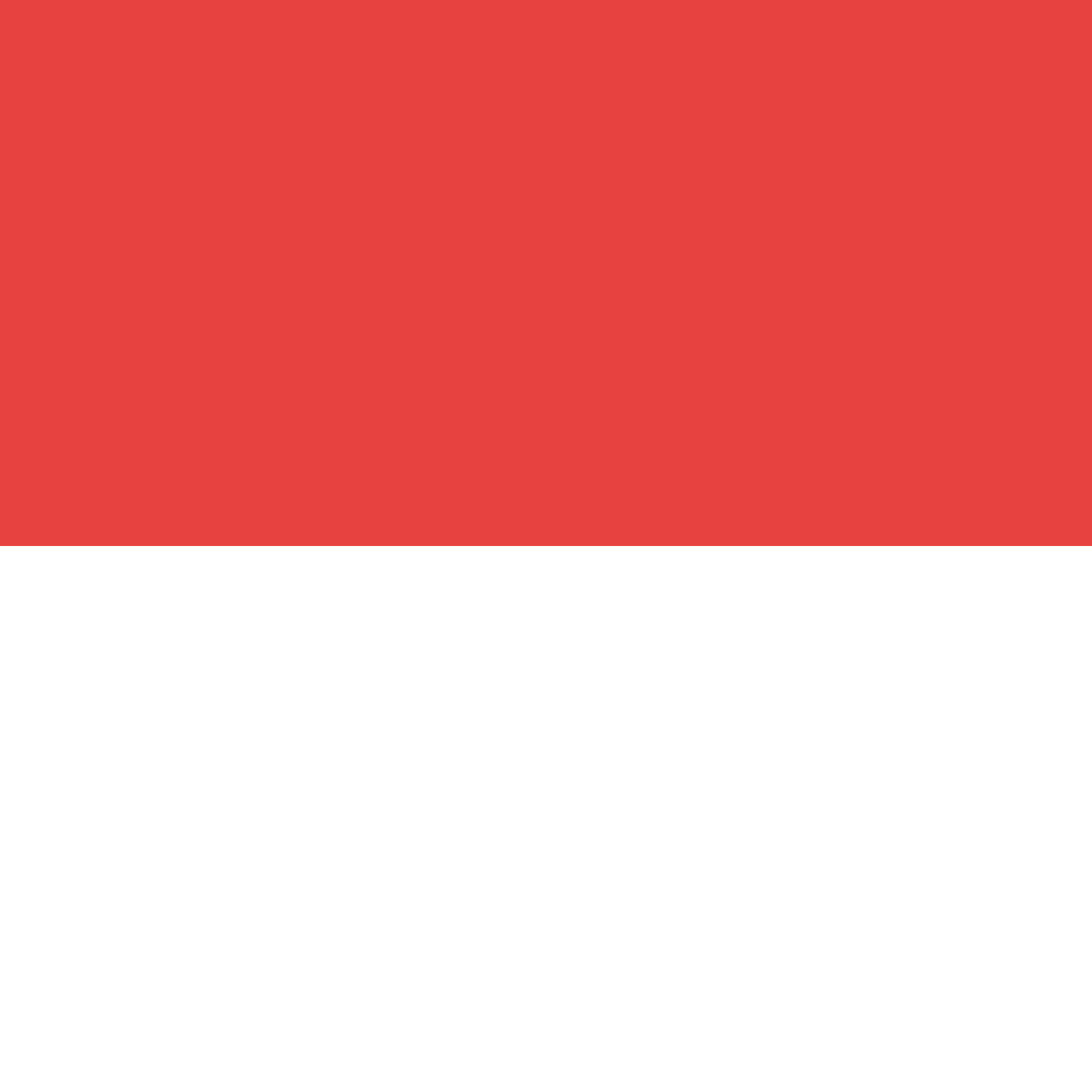
Solothurn
One horizontal line divides it: red across the top, white across the bottom, and no emblem on either band.
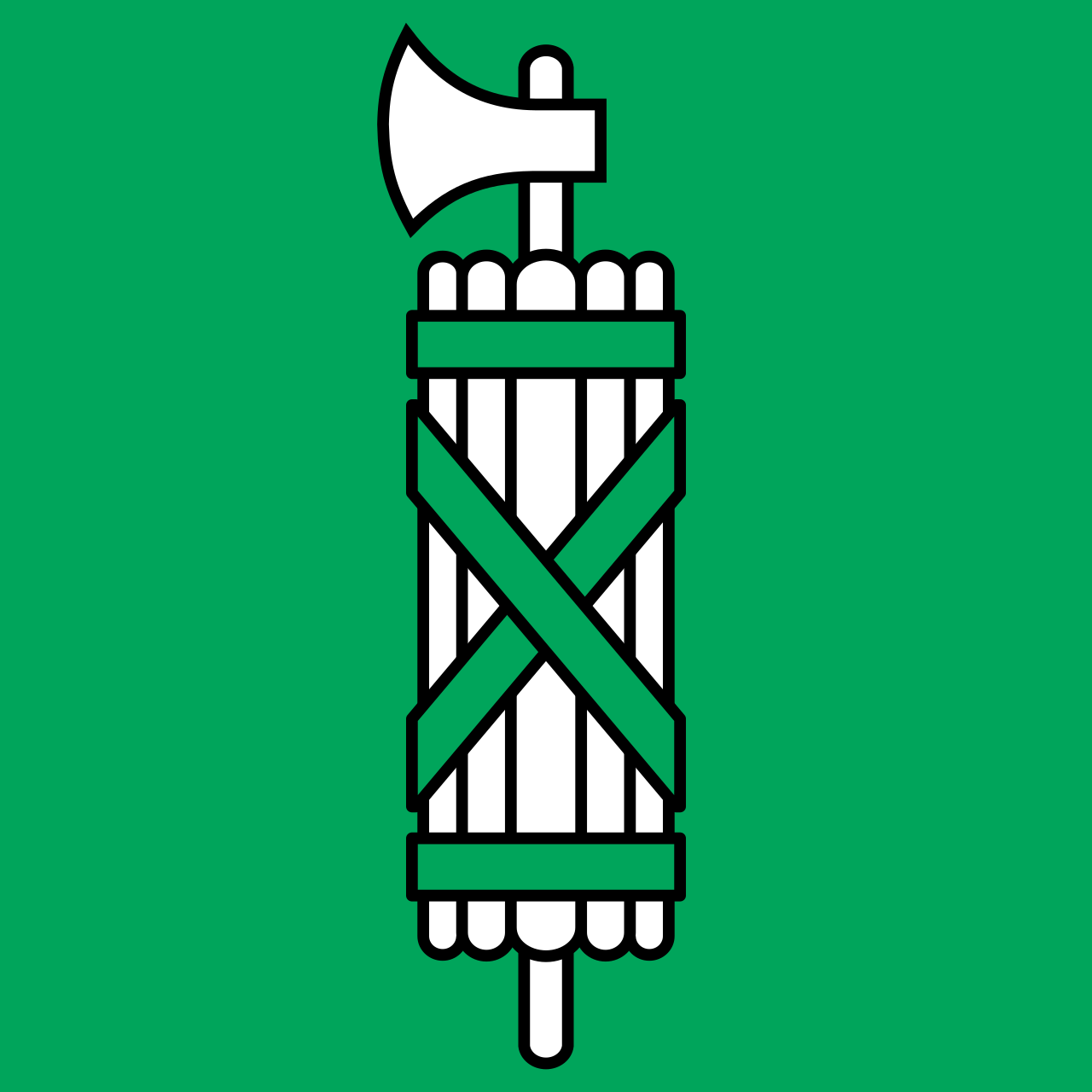
St. Gallen
On green stands a white fasces — a bundle of rods tied with crossed bands — with an axe blade rising from the top.
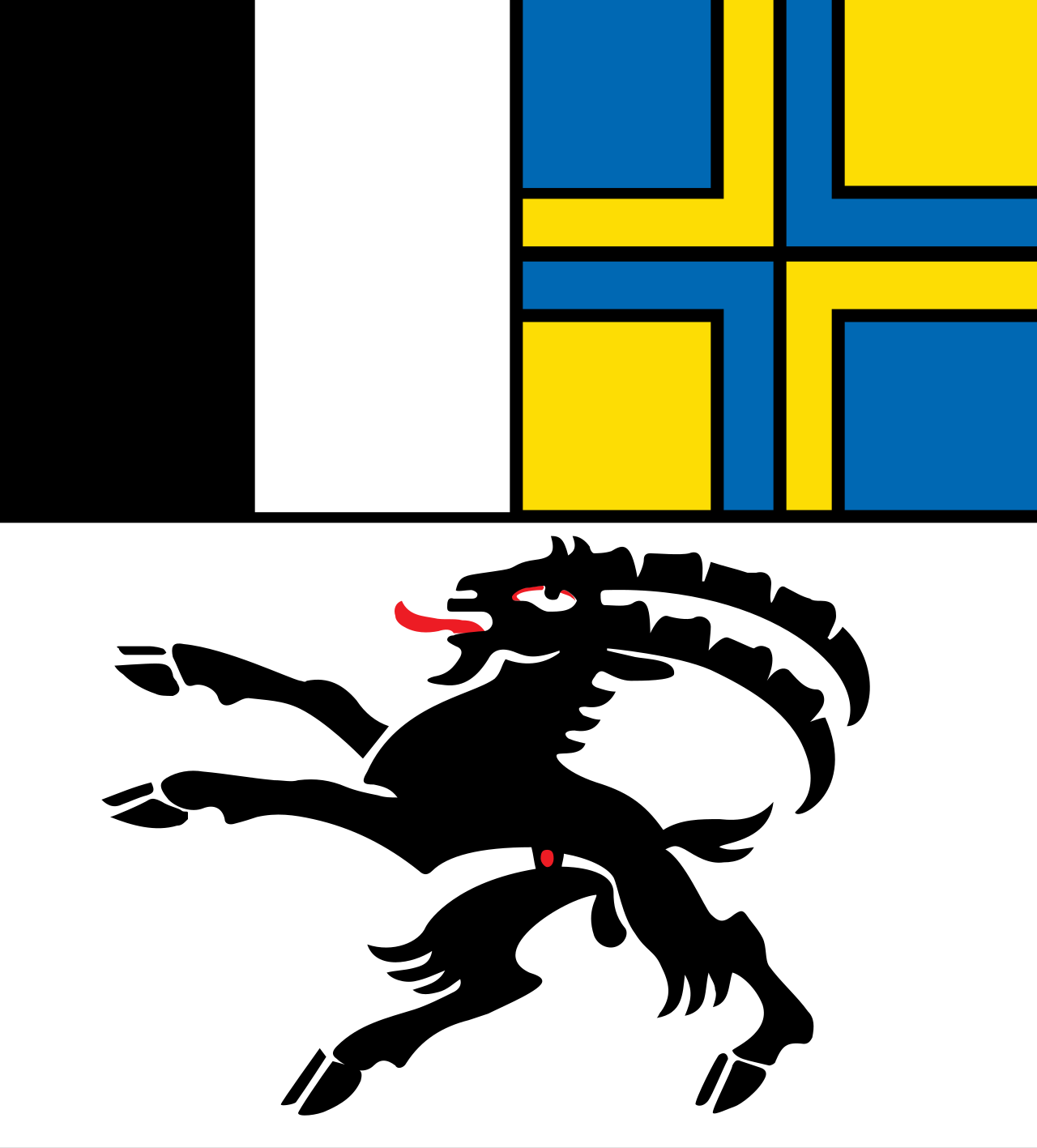
Grisons
Three old leagues meet on one square: black-and-white bars, a blue-and-gold cross, and a black ibex with a red tongue striding across the white lower half.
Thurgau
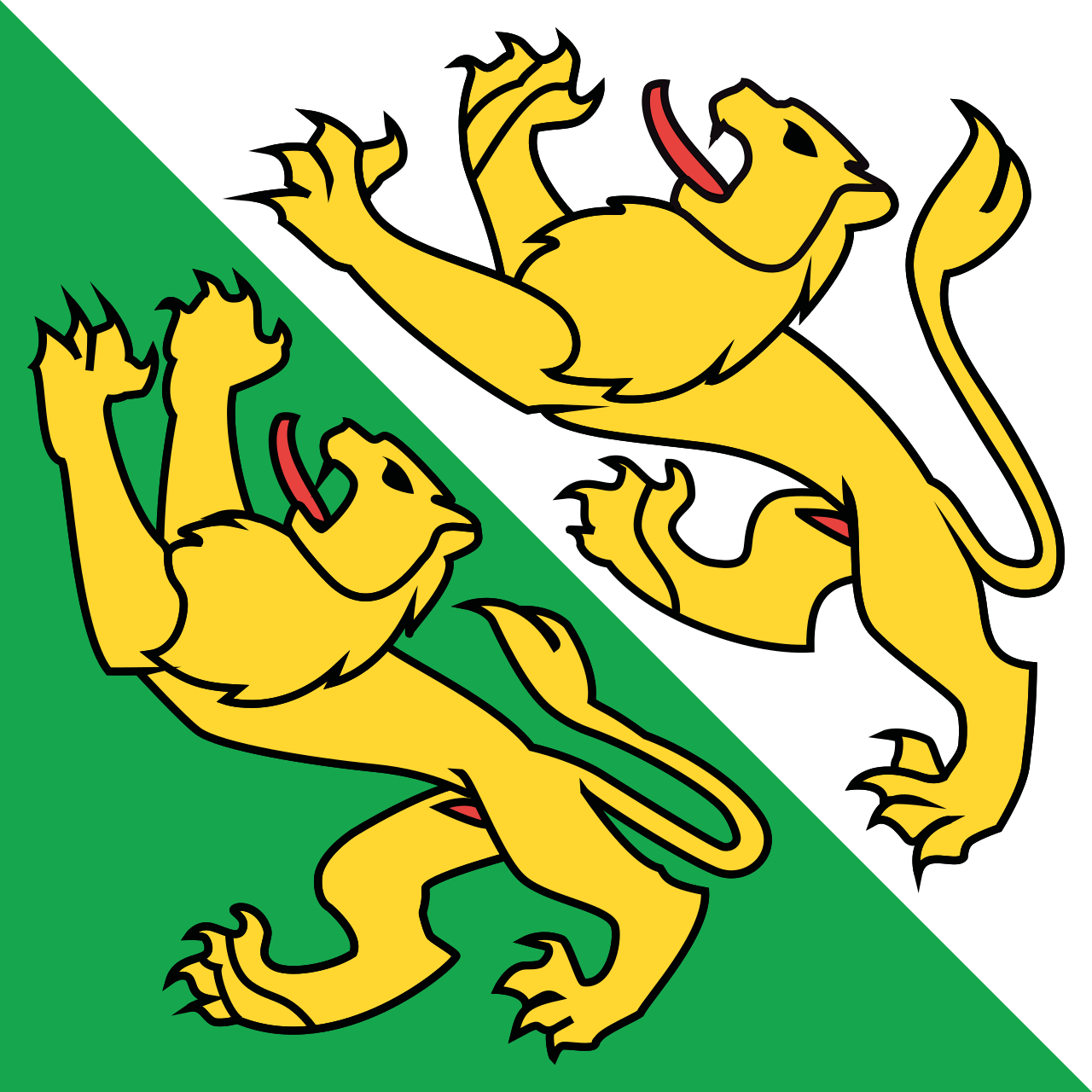
A diagonal line splits the square into green and white, and two golden lions with red tongues rear up along it, one in each half.
Ticino
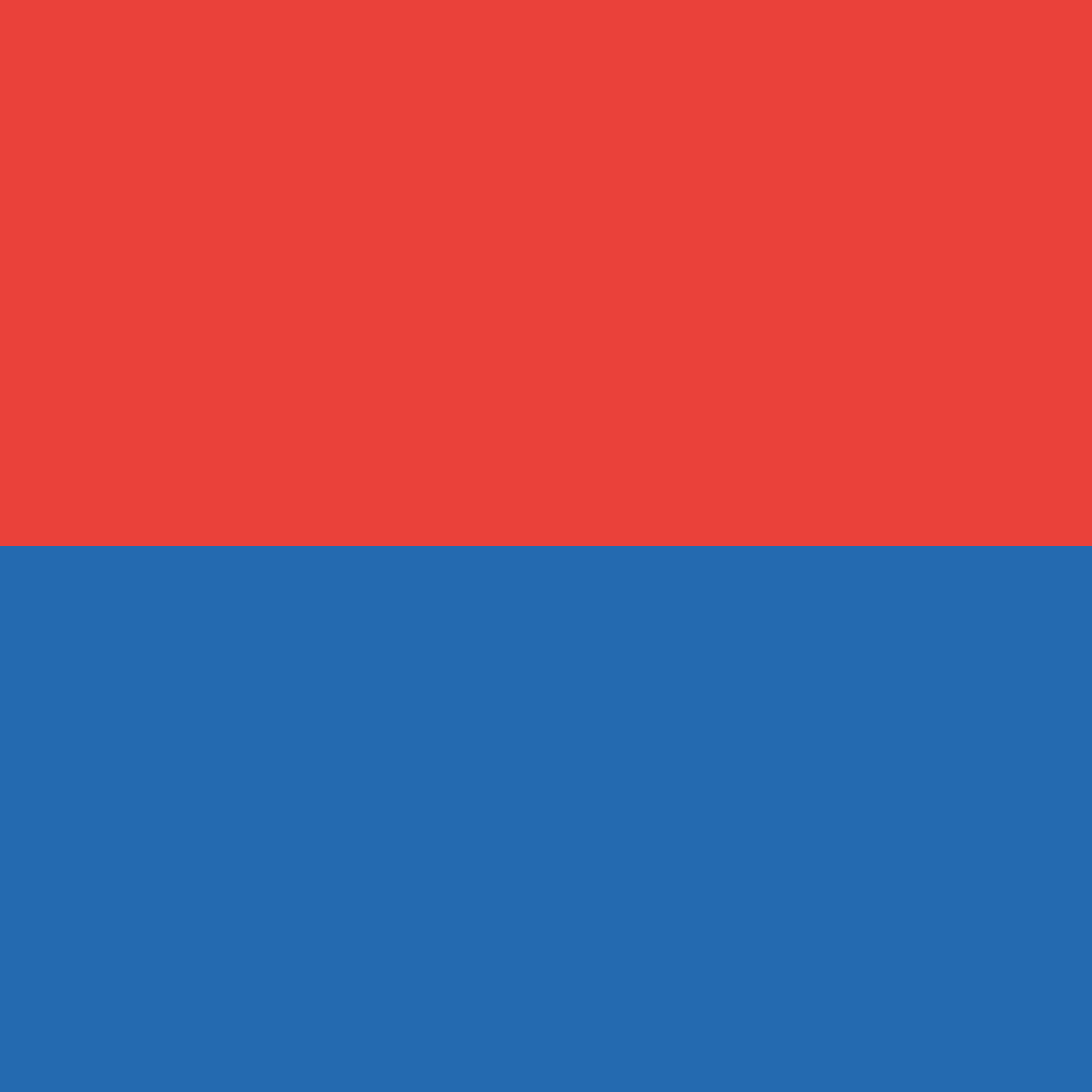
Nothing but two blocks of colour here — a red half above a blue half, filling the square with no emblem or charge at all.
Uri
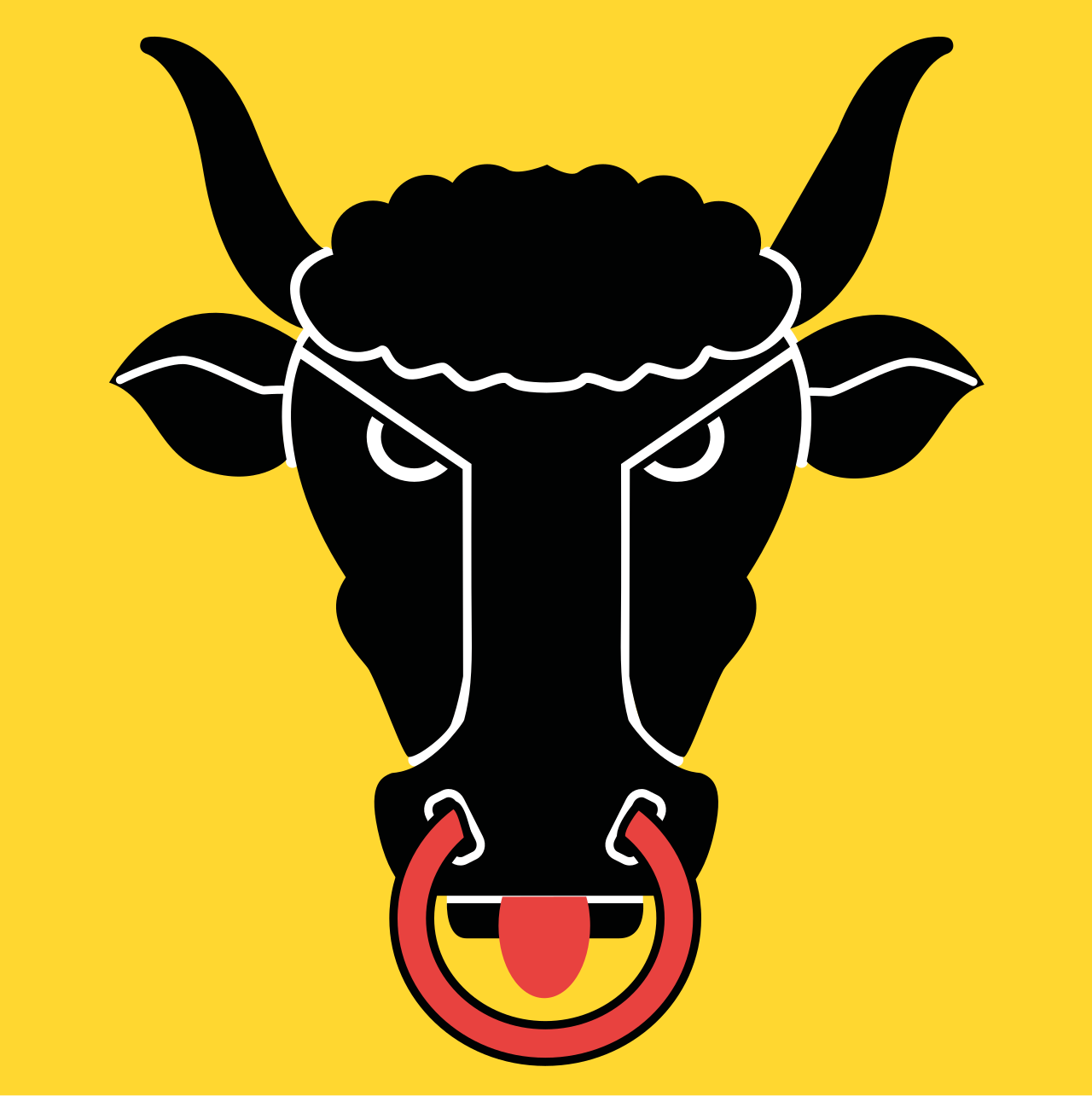
A black bull's head stares straight out of a yellow field, red tongue hanging past a red ring through its nose.
Valais
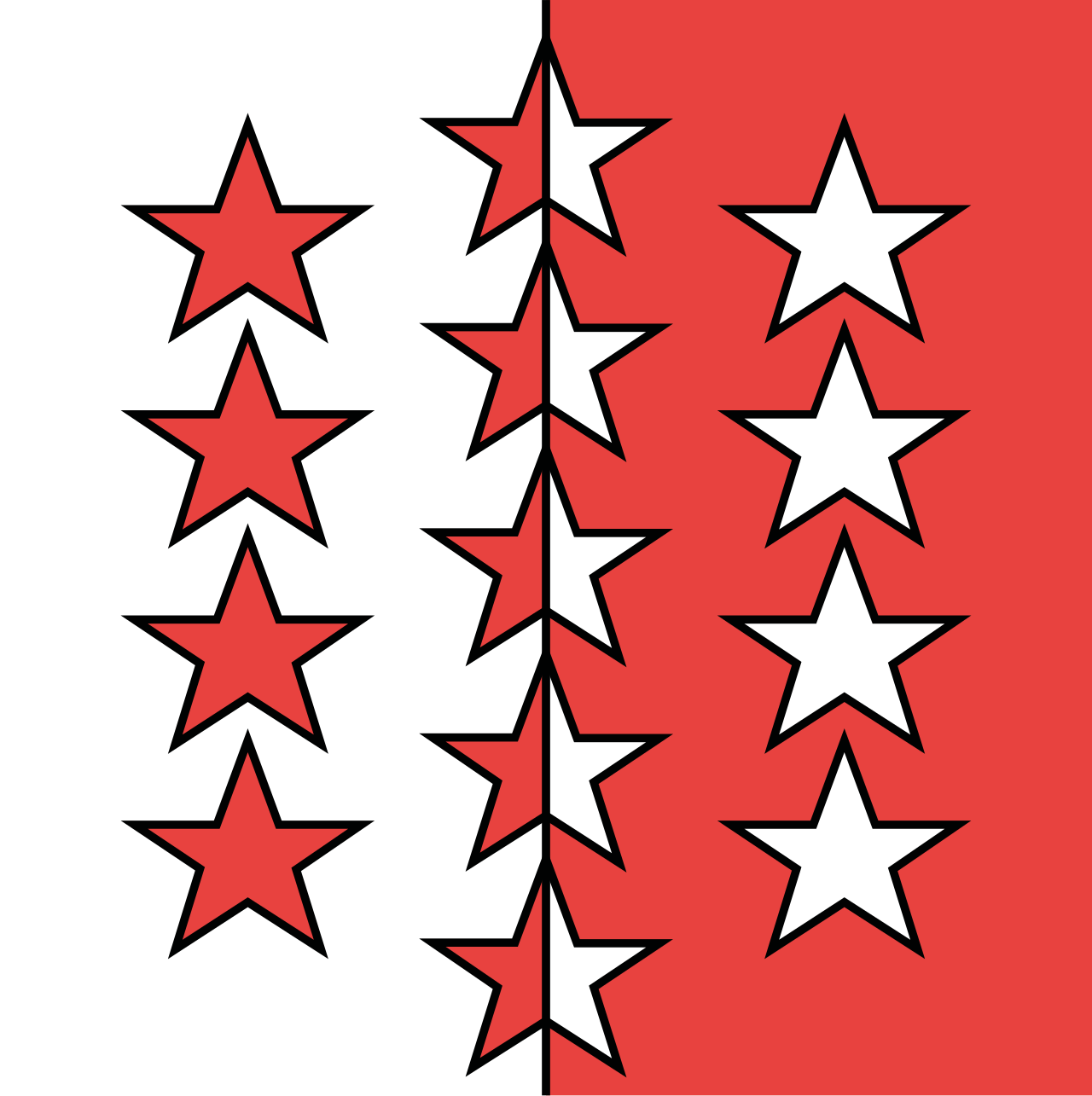
Thirteen stars, one per district, stand in three columns on a white and red field, and the middle column straddles the divide — half of each star in each colour.
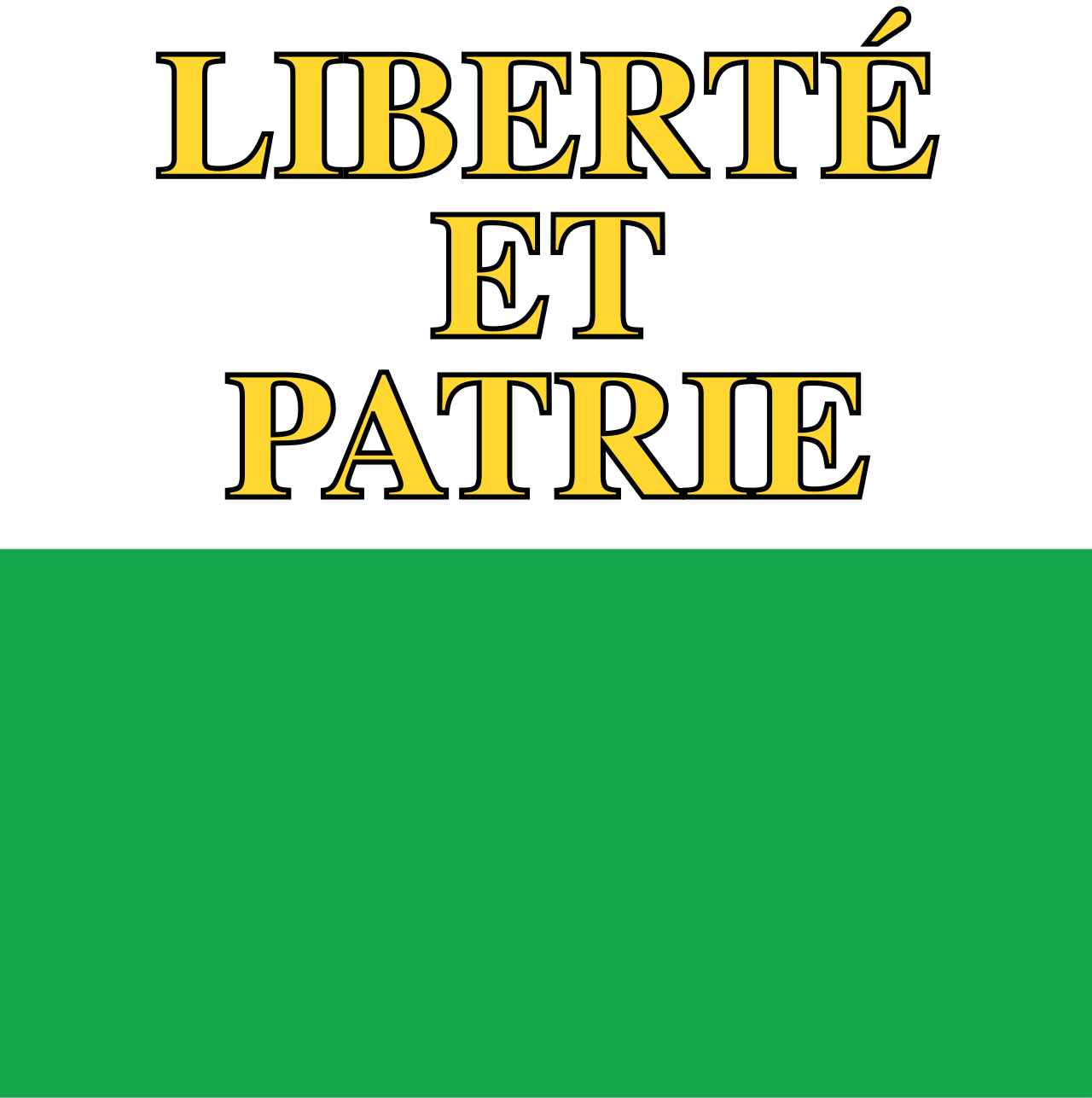
Vaud
Gold capitals spelling LIBERTÉ ET PATRIE — 'freedom and homeland' — fill the white upper half above a plain green lower half.

Zug
One broad blue band runs across the middle of a white square, with equal white bands above and below it and nothing else.
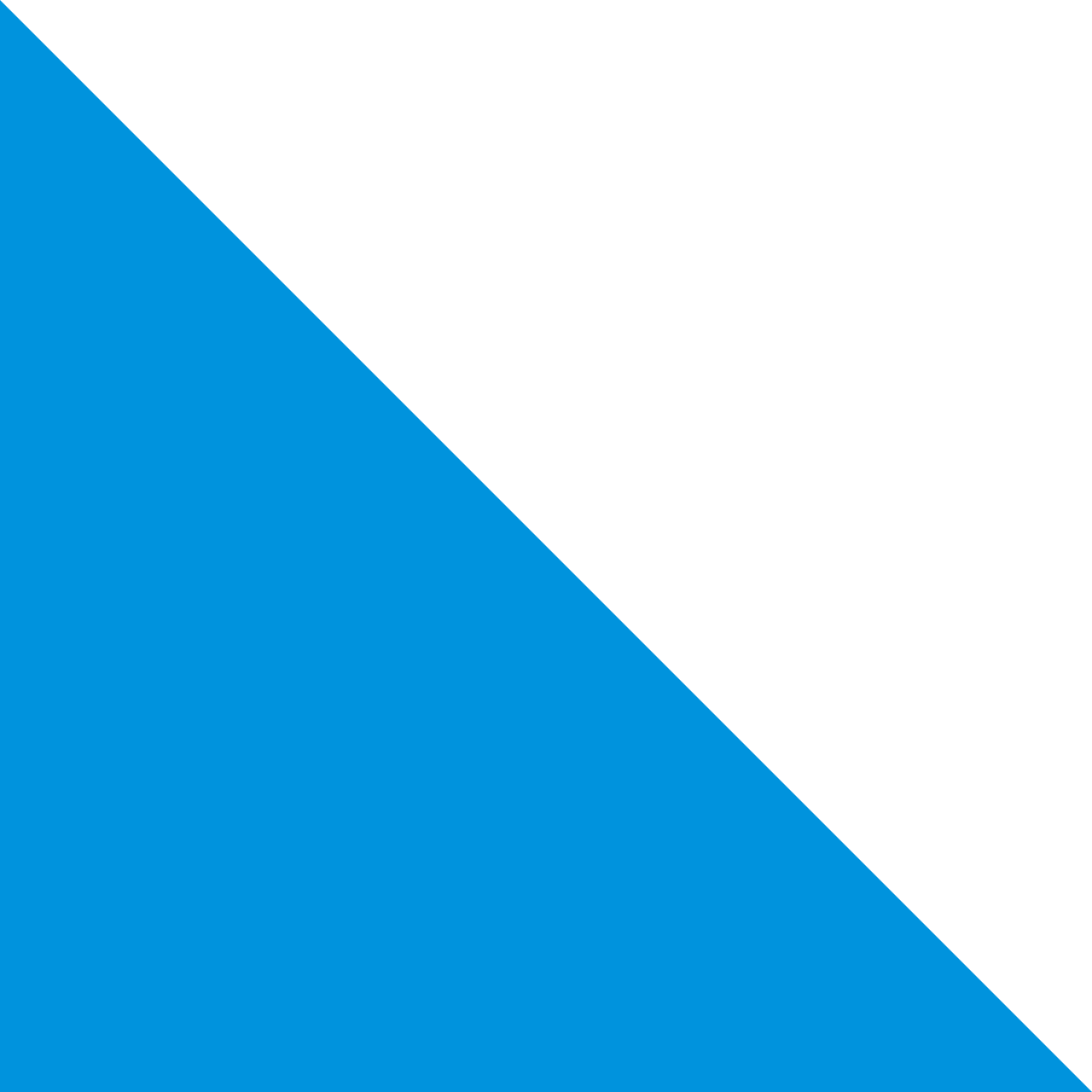
Zurich
Cut corner to corner, the square is half blue and half white: a single diagonal, blue below the line and white above it.
Data Sources
- What the flag means: Bundesgesetz über den Schutz des Schweizerwappens und anderer öffentlicher Zeichen (Wappenschutzgesetz, WSchG), SR 232.21, Art. 3 und Anhang 2
- Population: Population, total (SP.POP.TOTL), latest available value
- Area: World countries in JSON, CSV, XML and YAML
- Organizations: Membership of Principal UN Organs
- Organizations: Members and partners