Flag of Denmark

What the flag means
- The Dannebrog — the oldest continuously used national flag; legend says it fell from the sky in 1219
- White cross on red — Christianity
No law defining the design was found. · Adopted 1748
Highlights
- 🧜 The Little Mermaid and Andersen
- 🚲 Green, bike-friendly cities
- 🛋️ Hygge and Nordic design
- 🥐 Real Danish pastries
- 😊 One of the happiest nations
Quick facts
- Region
- Europe · Northern Europe
- Population
- 6,009,169 people (2025)
- Area
- 43,094 km²
- Capital
- Copenhagen
- Languages
- Danish, English
- Currency
- Danish krone (DKK)
- Organizations
- United Nations, European Union, NATO, OECD
Similar flags
Nordic crosses
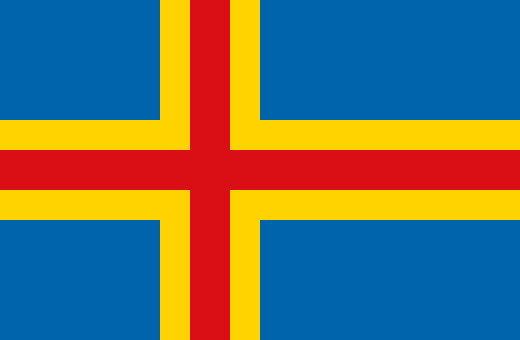
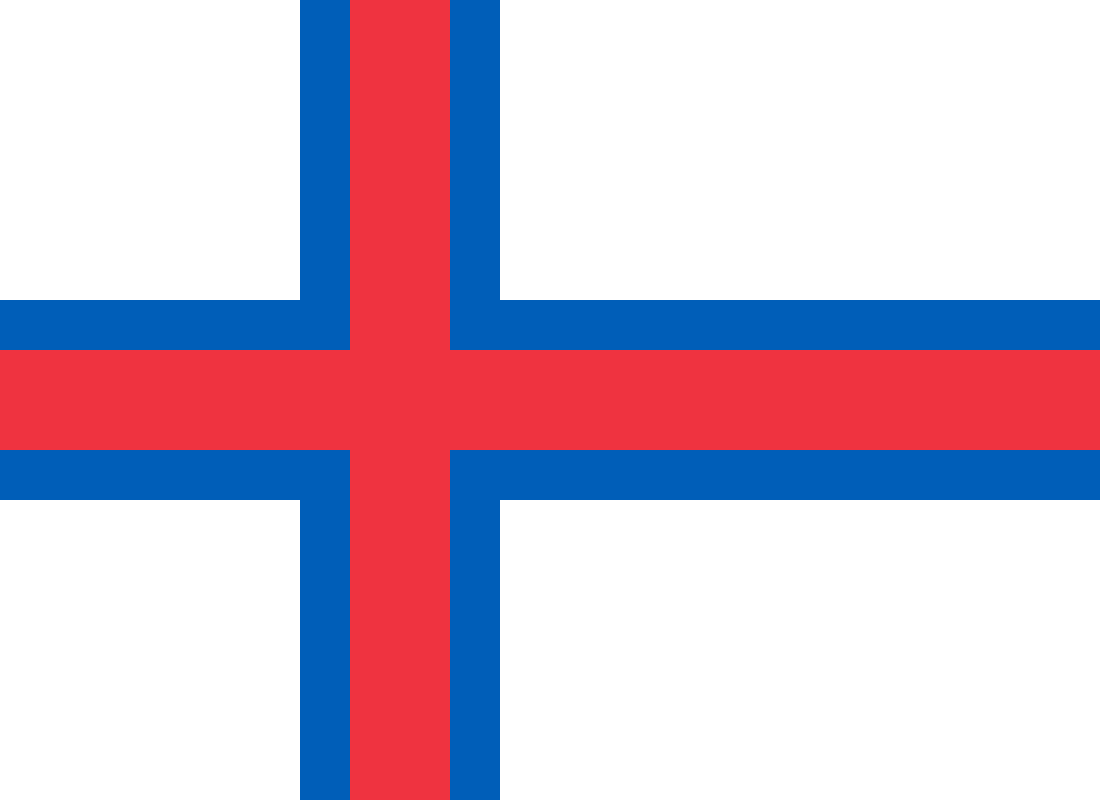
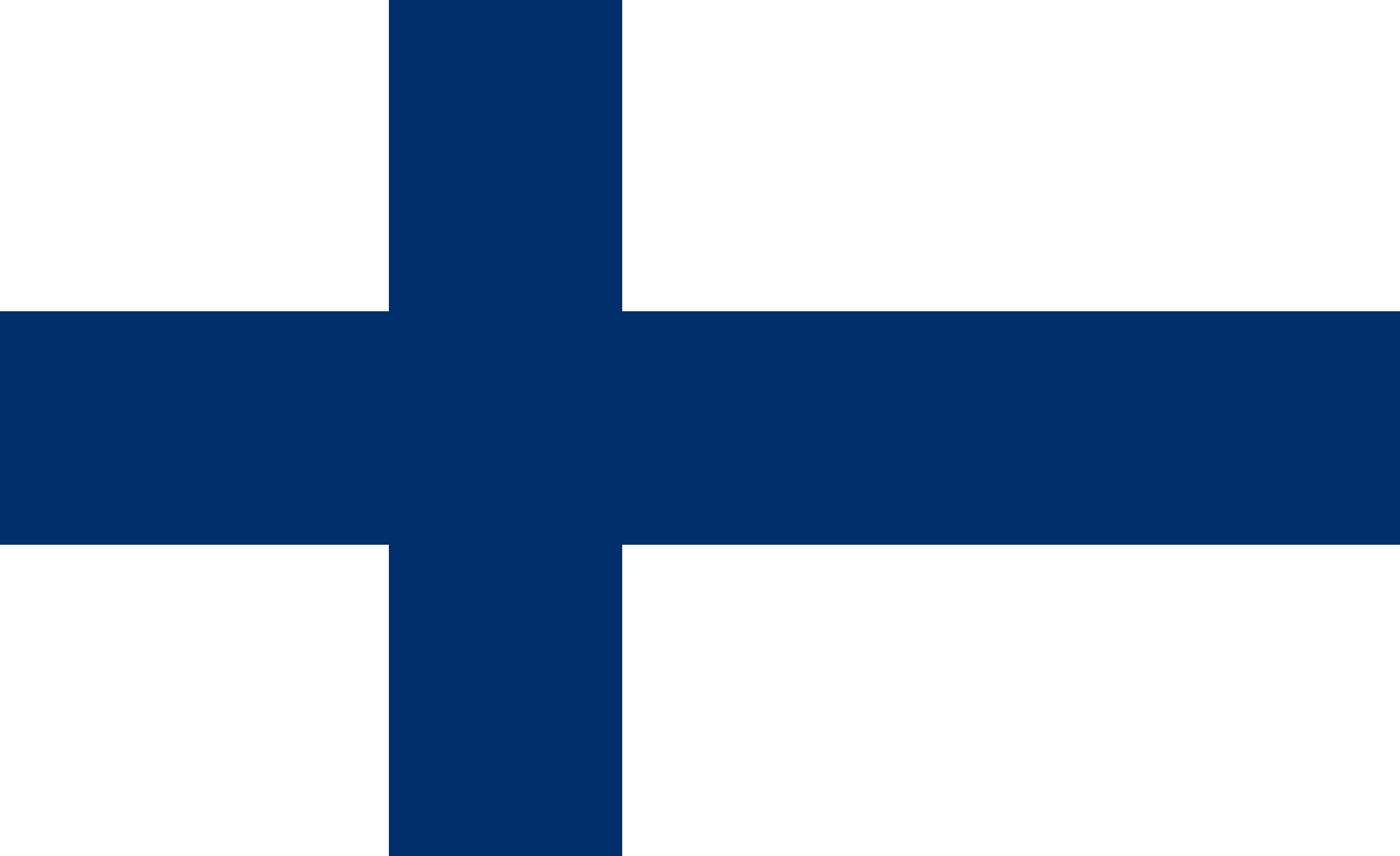
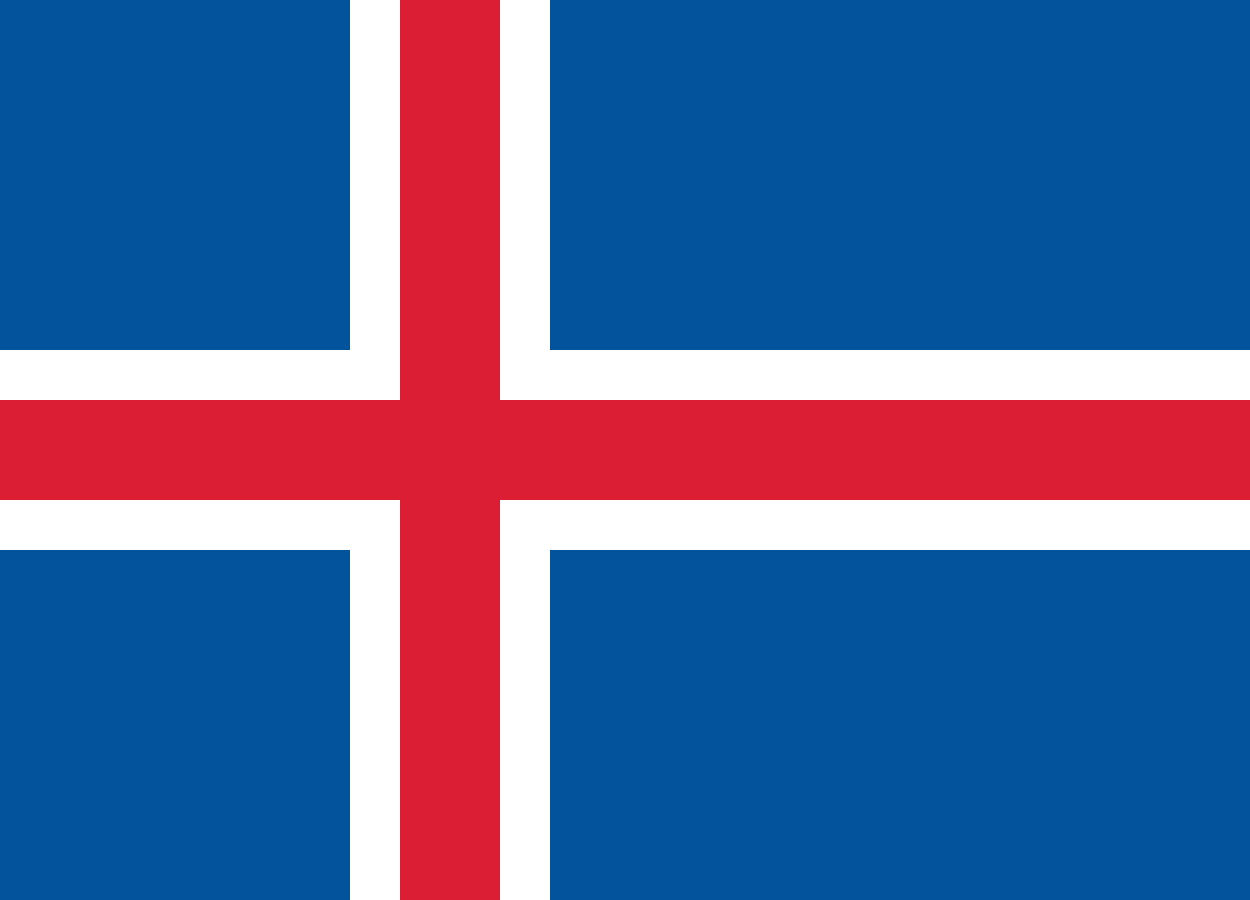

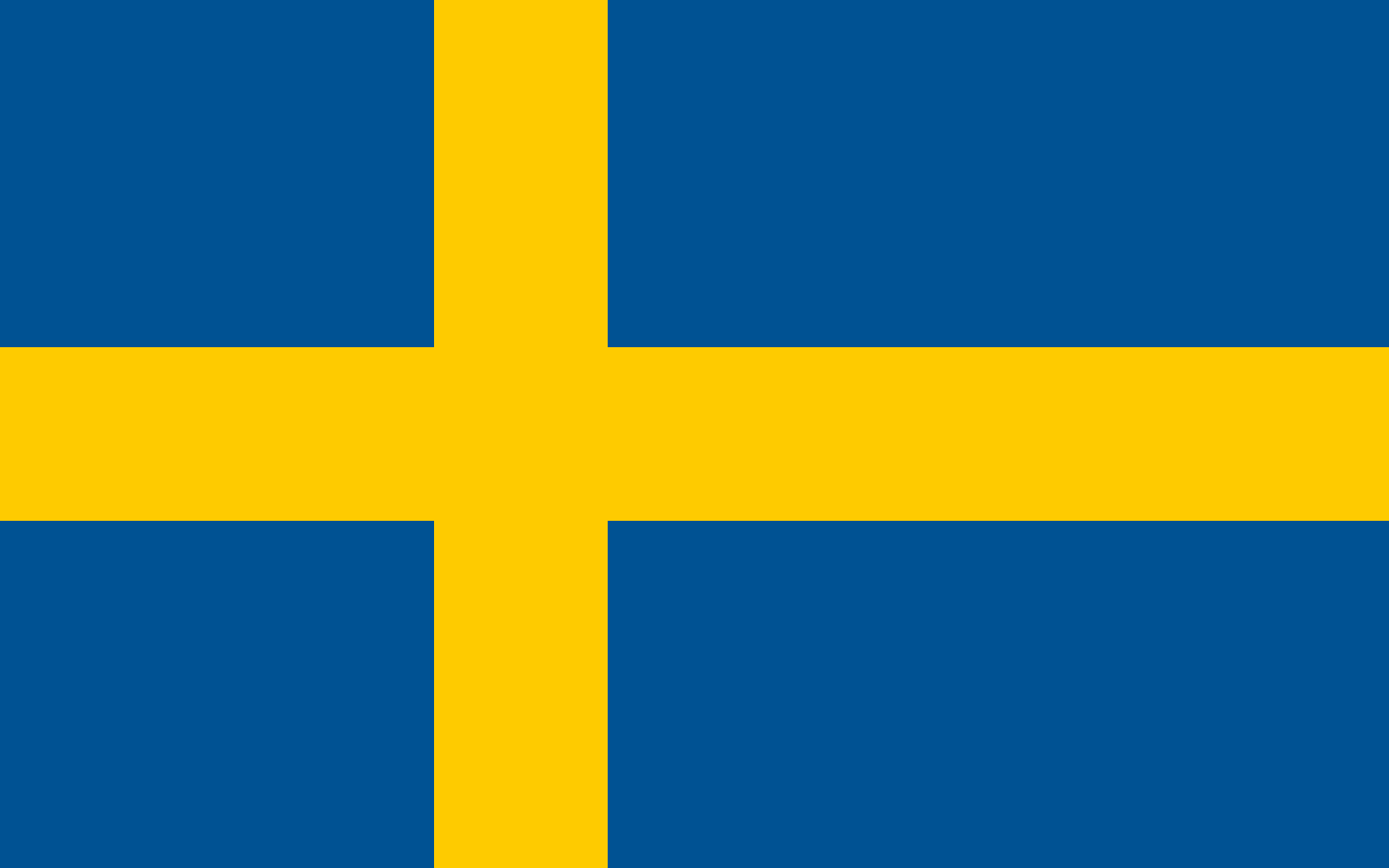
Neighboring countries
Land neighbors, approximated from simplified map outlines.
Symbols in History (1)
Coats of arms and emblems whose historic seat lies within this country’s present-day territory.
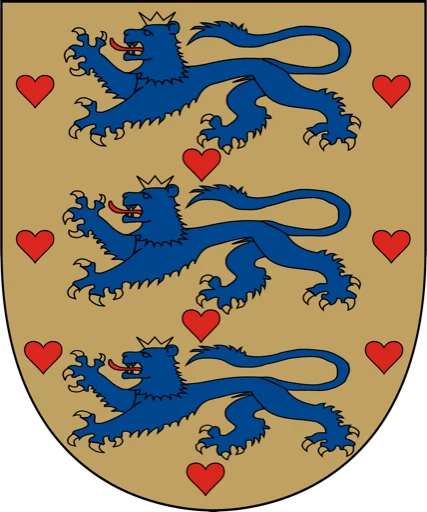
The Historical Lesser Arms of Denmark
OriginThe design of three crowned blue lions and nine red hearts on a gold field is the core of the Danish heraldic tradition running from the late 12th century onwards.
DescriptionOn a gold field three blue lions with red tongues out and crowns on their heads are drawn walking one above another. In the spaces between the lions and to either side of them are nine red heart shapes (a charge also called a water-lily leaf).

Data Sources
- Population: Population, total (SP.POP.TOTL), latest available value
- Area: World countries in JSON, CSV, XML and YAML
- Organizations: Membership of Principal UN Organs
- Organizations: Member States of the European Union
- Organizations: What is NATO? Member countries
- Organizations: Members and partners