Flag of Poland

What the flag means
- White — purity (from the white eagle emblem)
- Red — courage and blood
Design set by: Ustawa z dnia 31 stycznia 1980 r. o godle, barwach i hymnie Rzeczypospolitej Polskiej oraz o pieczęciach państwowych, art. 6 · Konstytucja RP, art. 28 ust. 2 · Adopted 1980
Highlights
- 🏰 Kraków and medieval old towns
- 🎼 The music of Chopin
- 🥟 Pierogi and hearty comfort food
- 🔭 The land of Copernicus
- 🕊️ A history of unbroken resilience
Quick facts
- Region
- Europe · Central Europe
- Population
- 36,435,861 people (2025)
- Area
- 312,679 km²
- Capital
- Warsaw
- Languages
- Polish, Ukrainian
- Currency
- Polish złoty (PLN)
- Organizations
- United Nations, European Union, NATO, OECD
Similar flags
Red & white


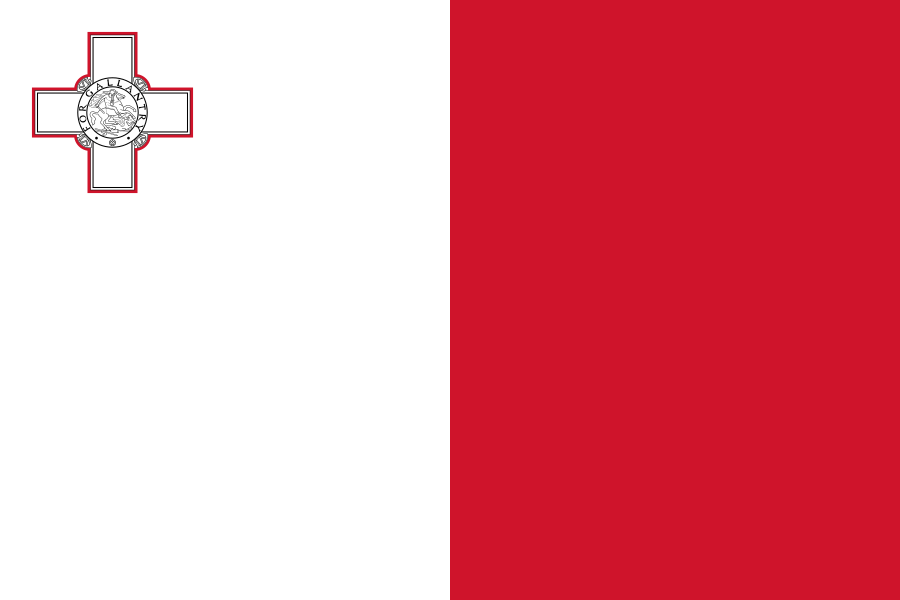



Neighboring countries
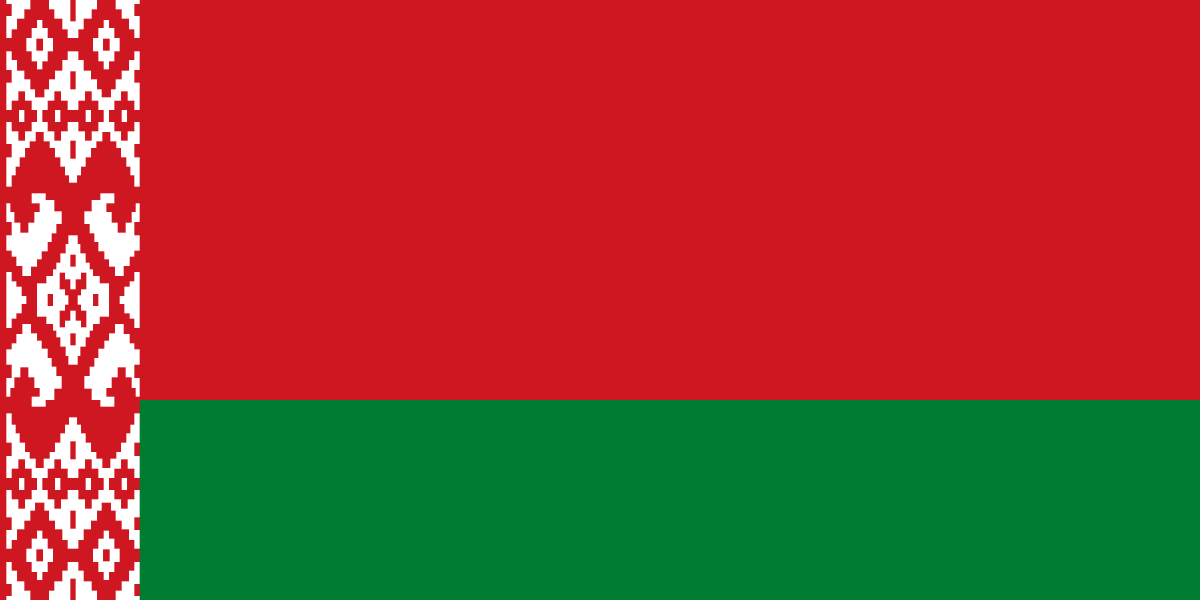
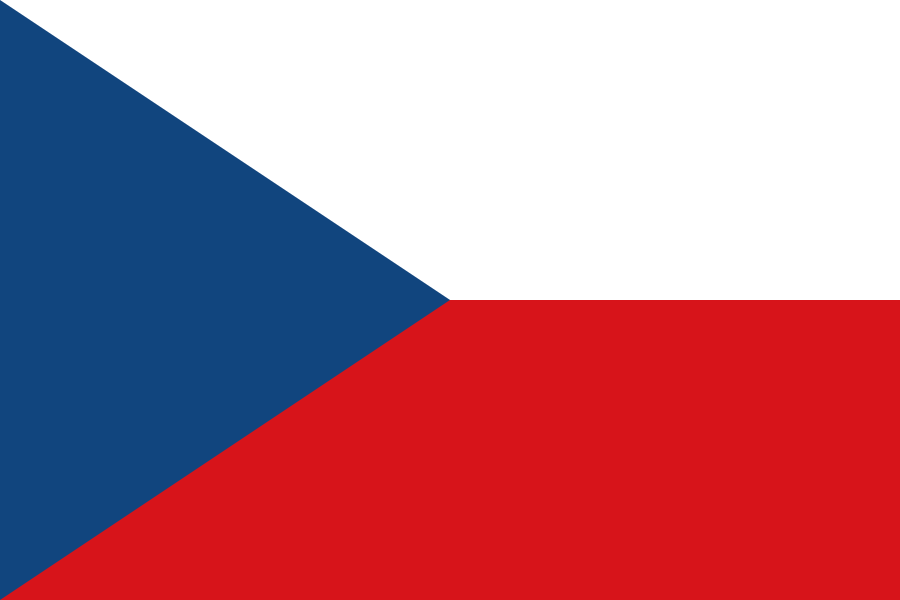
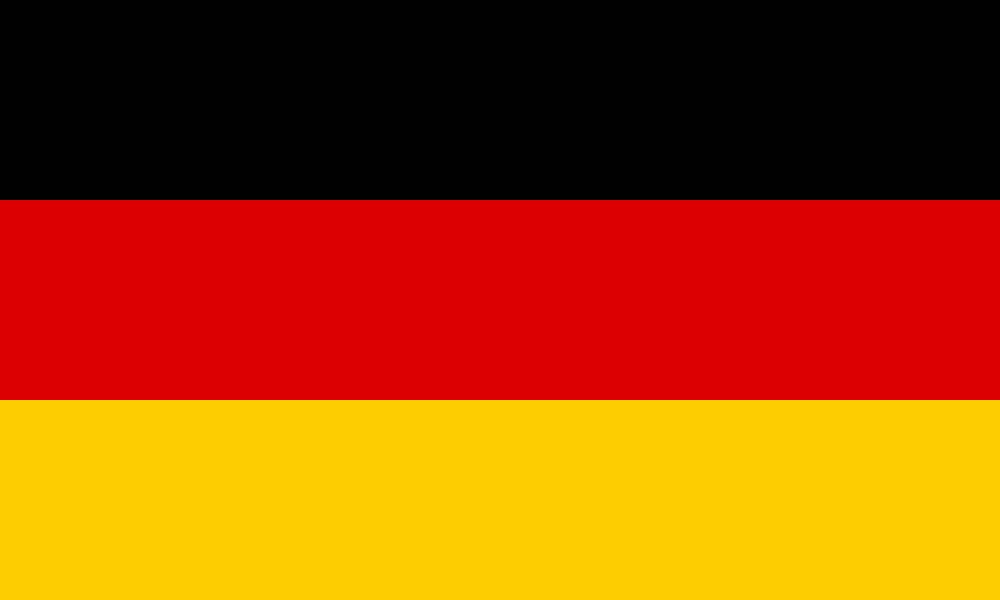
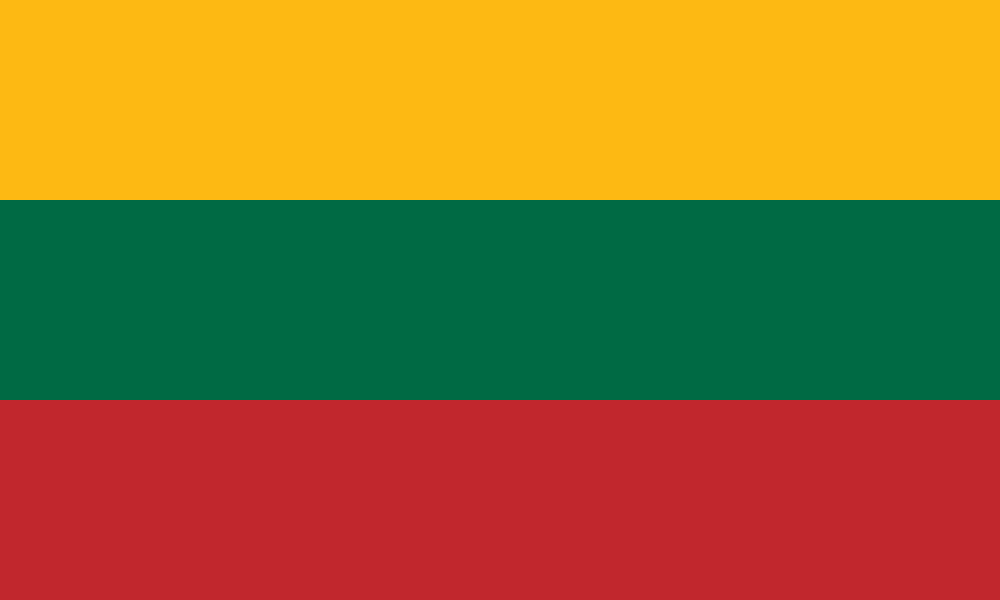
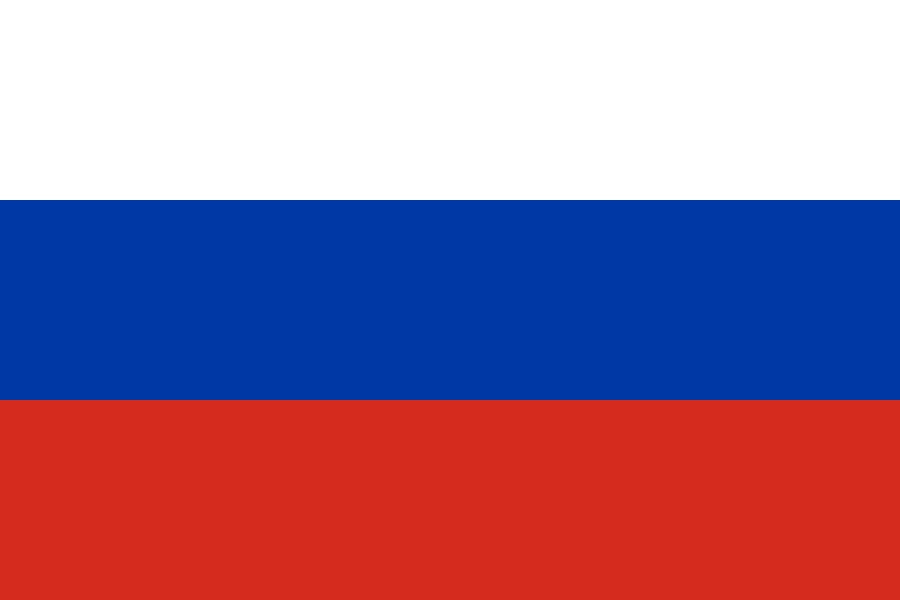
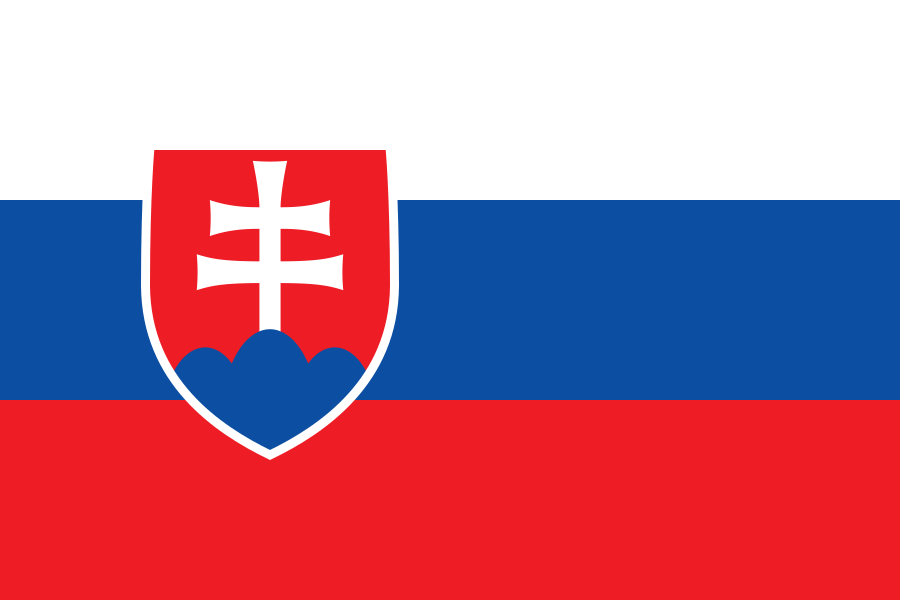
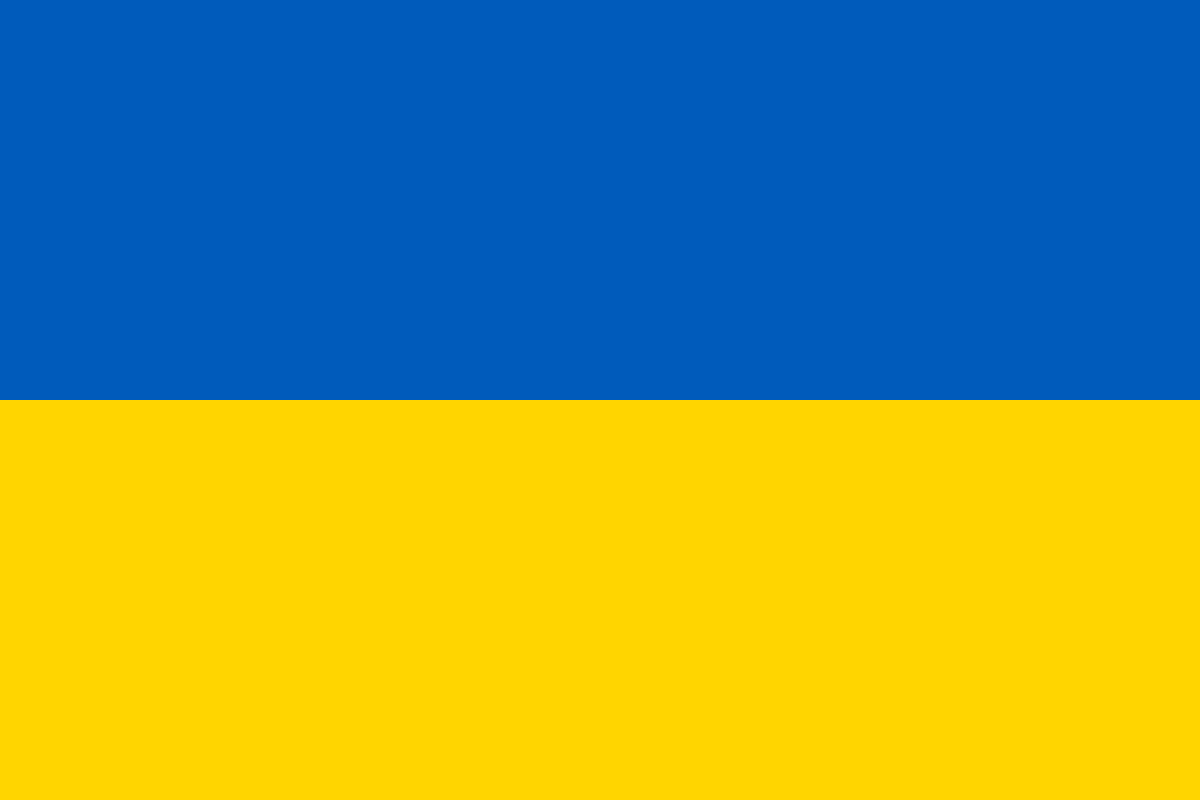
Land neighbors, approximated from simplified map outlines.
Symbols in History (3)
Coats of arms and emblems whose historic seat lies within this country’s present-day territory.
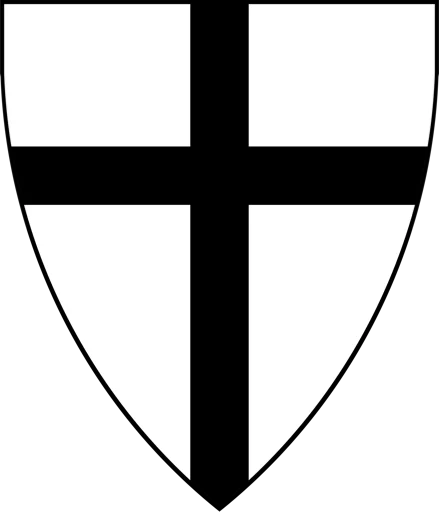
The black cross of the Teutonic Order
OriginThe basic emblem of the Teutonic Order is a black cross on white.
DescriptionIn the middle of a white shield is a single black cross running straight out to the edges of the shield, the basic emblem of the order. The arms used by the Grand Master are a separate design, adding a gold cross fleury and an eagle inescutcheon over this black cross.
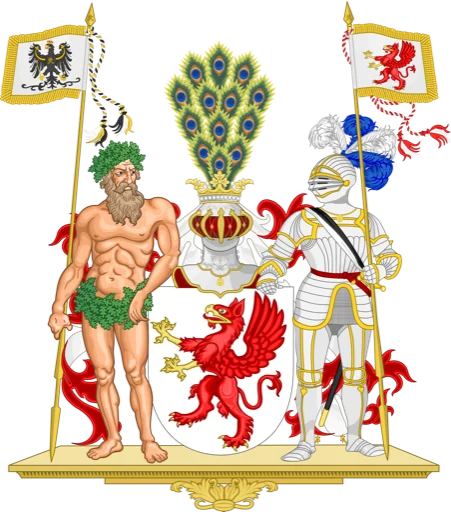
The red griffin of Pomerania
OriginA red griffin on a silver field is the signature arms of the Duchy of Pomerania and of the Griffin dynasty.
DescriptionOn a silver shield a red griffin stands on its hind legs with wings spread, showing a gold beak and gold talons. Above the shield a bunch of peacock feathers rises like a fan from a gold coronet enclosing a red cap; on the left a wild man wreathed in green leaves carries a black eagle banner and on the right an armoured knight carries a red griffin banner, both holding the shield up.
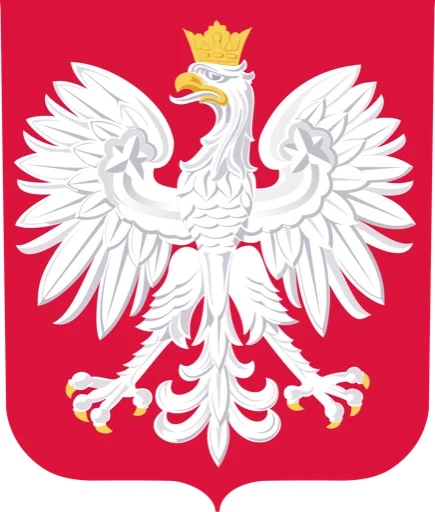
The white eagle arms of Poland
OriginThe crowned white eagle on a red shield became established as the arms of Polish royal power and of the state at the end of the thirteenth century. The story of Lech seeing the eagle is not a historical record but a founding legend handed down about the country.
DescriptionA white eagle stands on a red shield with its wings spread wide, wearing a gold crown, its beak and talons also painted gold. The crowned white eagle became the emblem of Polish royal power at the end of the 13th century, and this drawing carries that tradition on as the coat of arms Poland uses today.


Data Sources
- What the flag means: Ustawa z dnia 31 stycznia 1980 r. o godle, barwach i hymnie Rzeczypospolitej Polskiej oraz o pieczęciach państwowych, art. 6 · Konstytucja RP, art. 28 ust. 2
- Population: Population, total (SP.POP.TOTL), latest available value
- Area: World countries in JSON, CSV, XML and YAML
- Organizations: Membership of Principal UN Organs
- Organizations: Member States of the European Union
- Organizations: What is NATO? Member countries
- Organizations: Members and partners