Flag of the United Kingdom
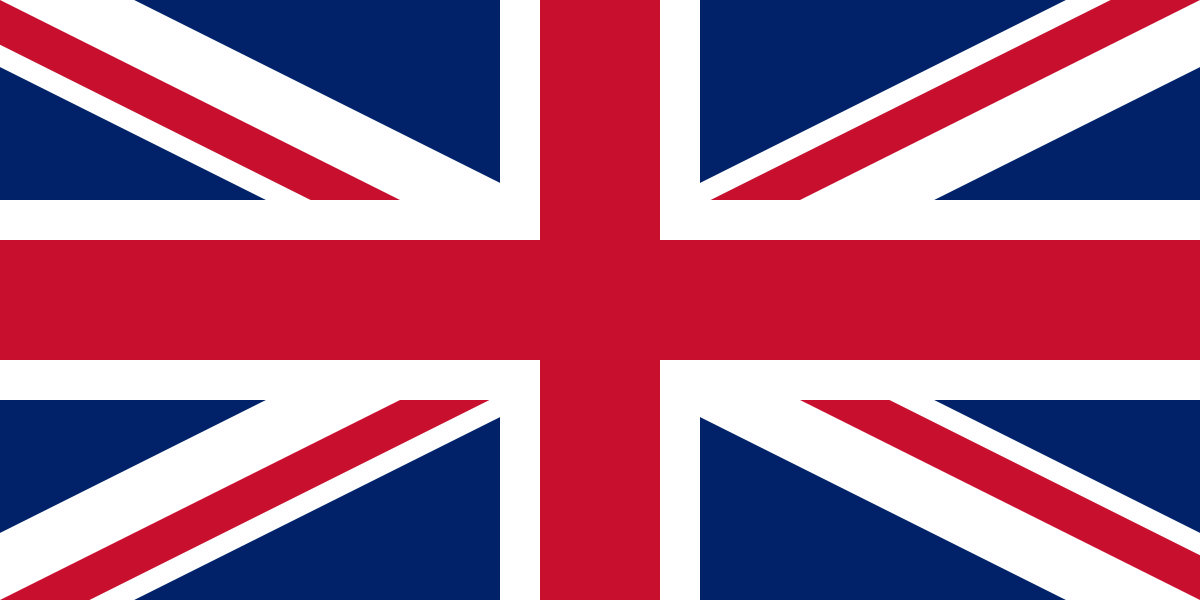
What the flag means
- England — St George's red cross
- Scotland — St Andrew's white saltire
- Ireland — St Patrick's red saltire (the three combined = the Union Jack)
No law defining the design was found. · Adopted 1801
Highlights
- 👑 Royals, Big Ben and deep tradition
- 🎸 Home of the Beatles and pop music
- 📚 Shakespeare and Harry Potter
- ⚽ Premier League soccer
- ☕ Afternoon tea culture
Quick facts
- Region
- Europe · Northern Europe
- Population
- 69,487,000 people (2025)
- Area
- 242,900 km²
- Capital
- London
- Languages
- English, Polish
- Currency
- British pound (GBP)
- Organizations
- United Nations, NATO, OECD
Similar flags
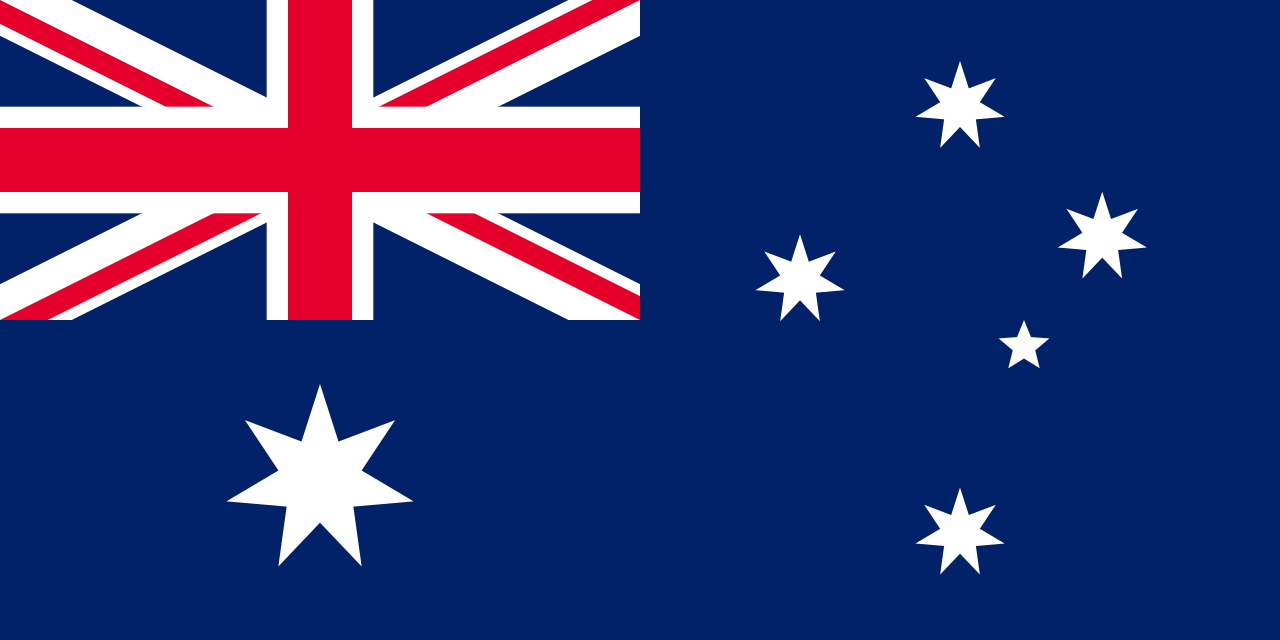
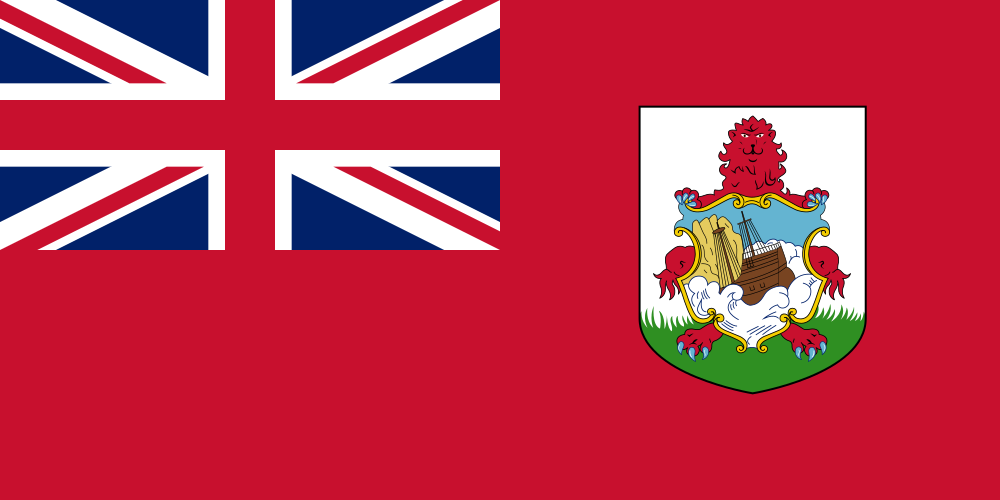
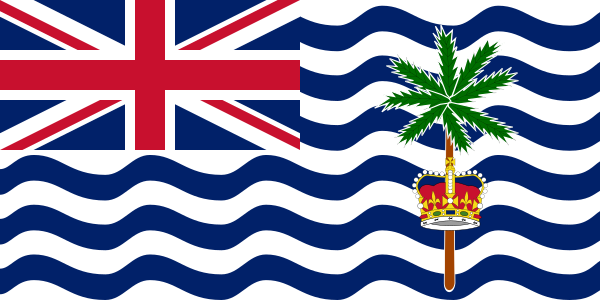
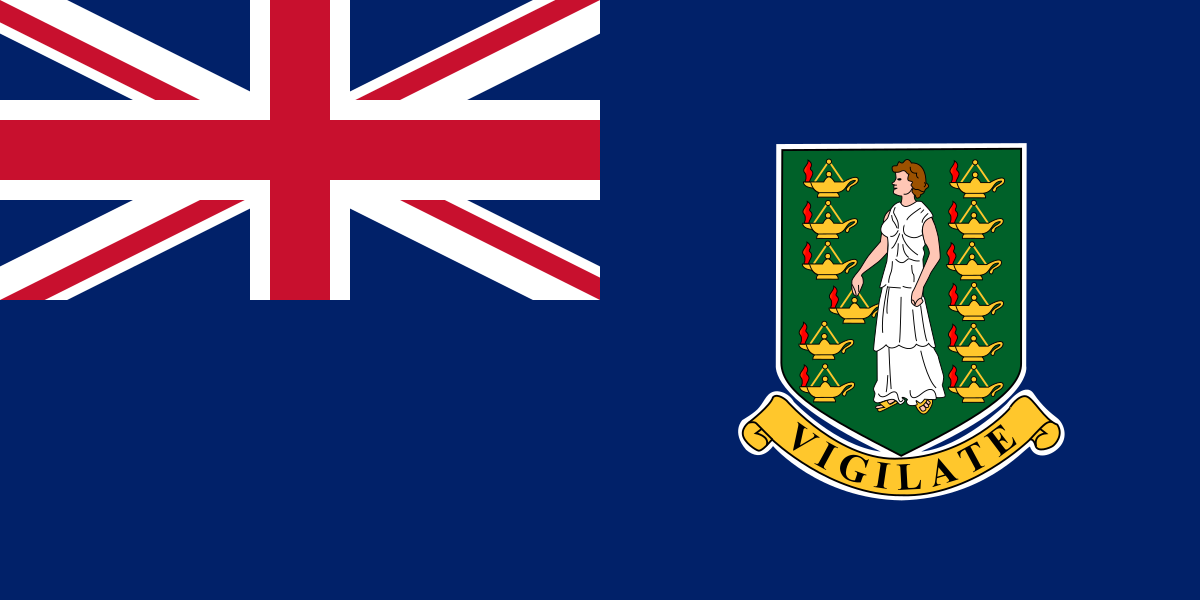
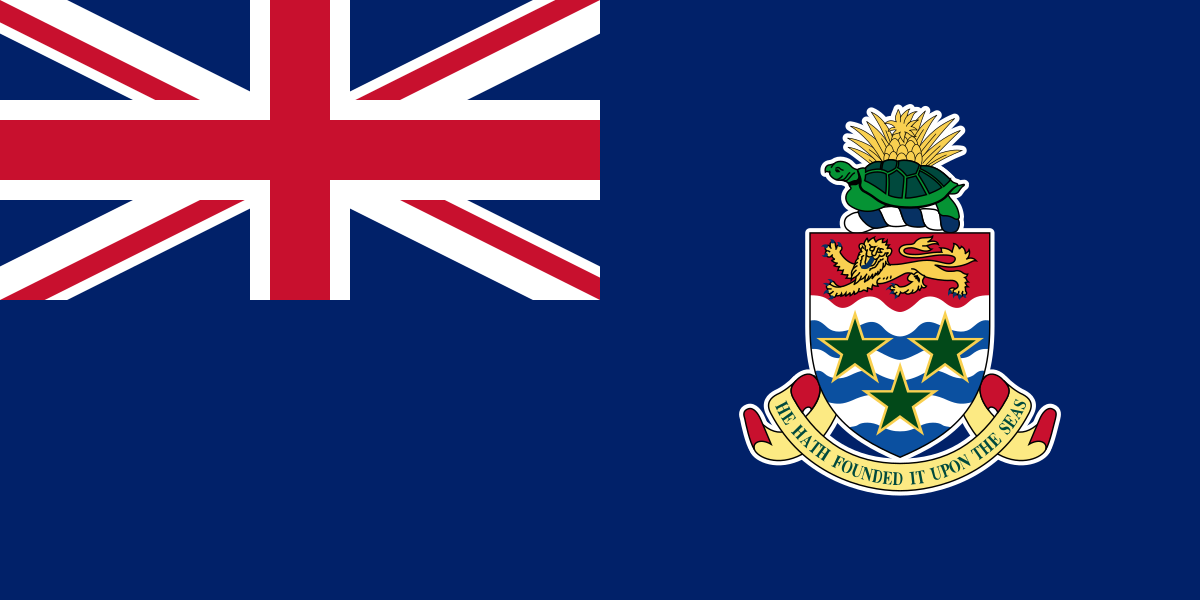
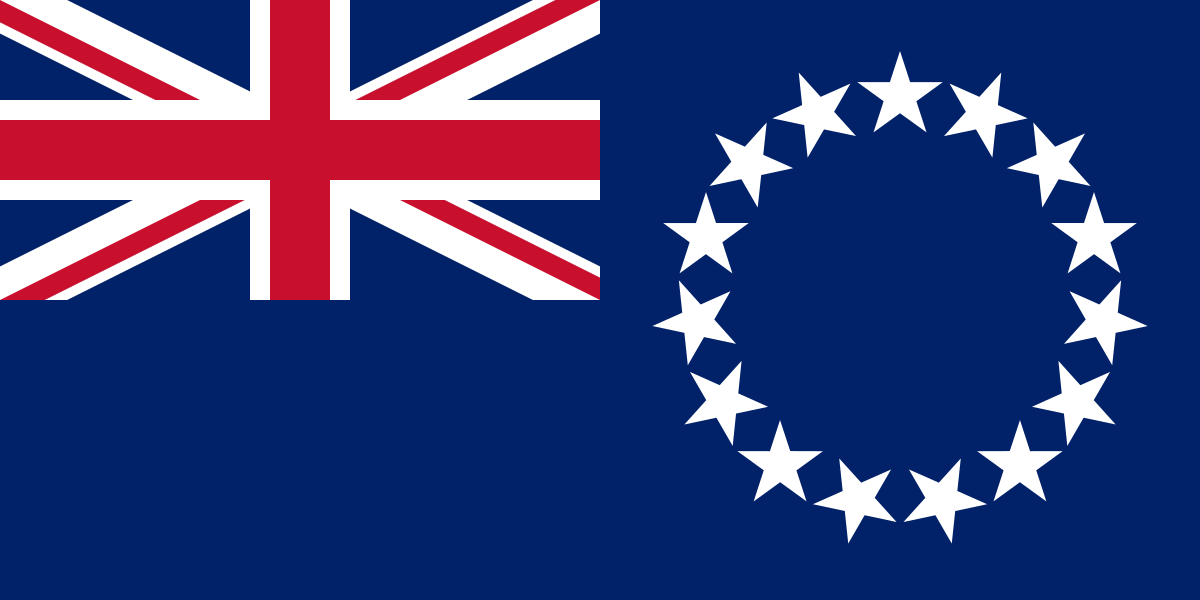
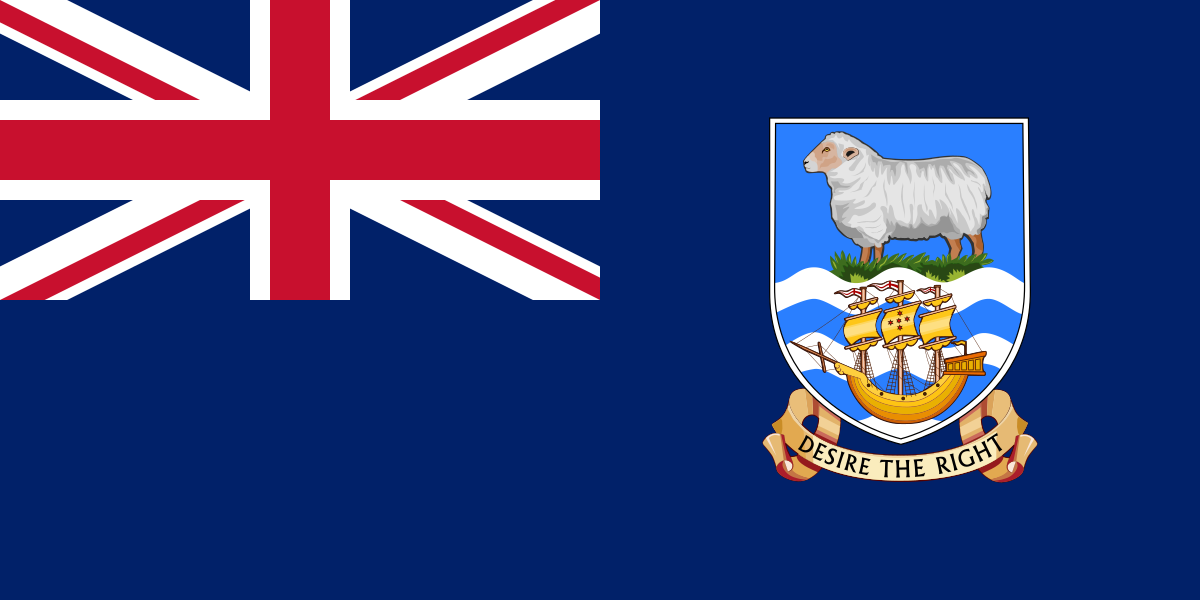
Union Jack family
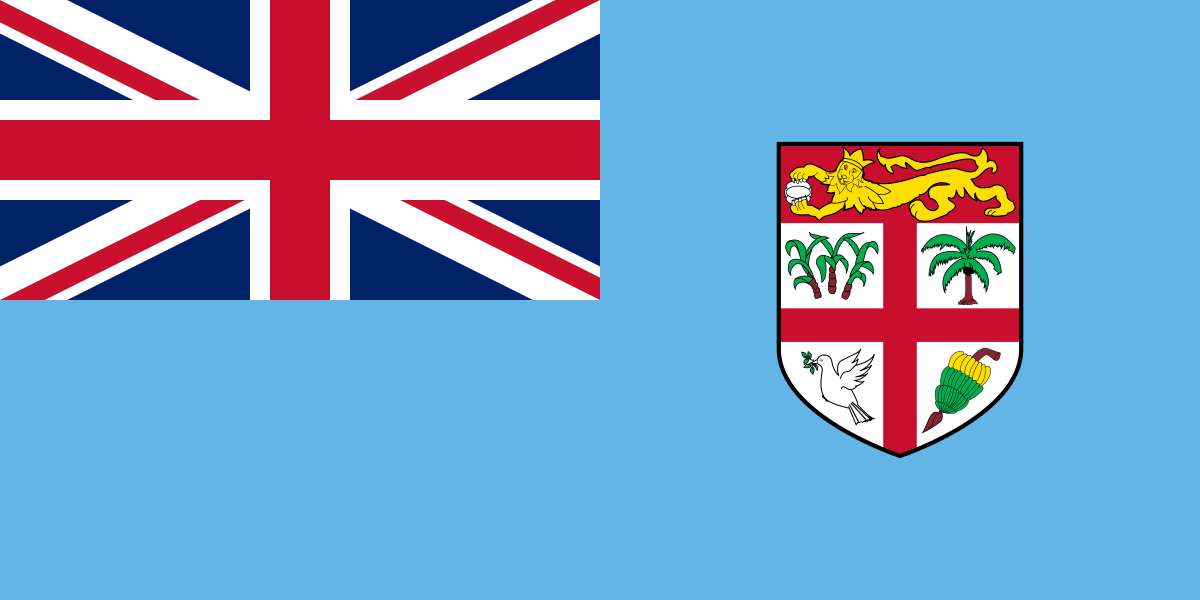
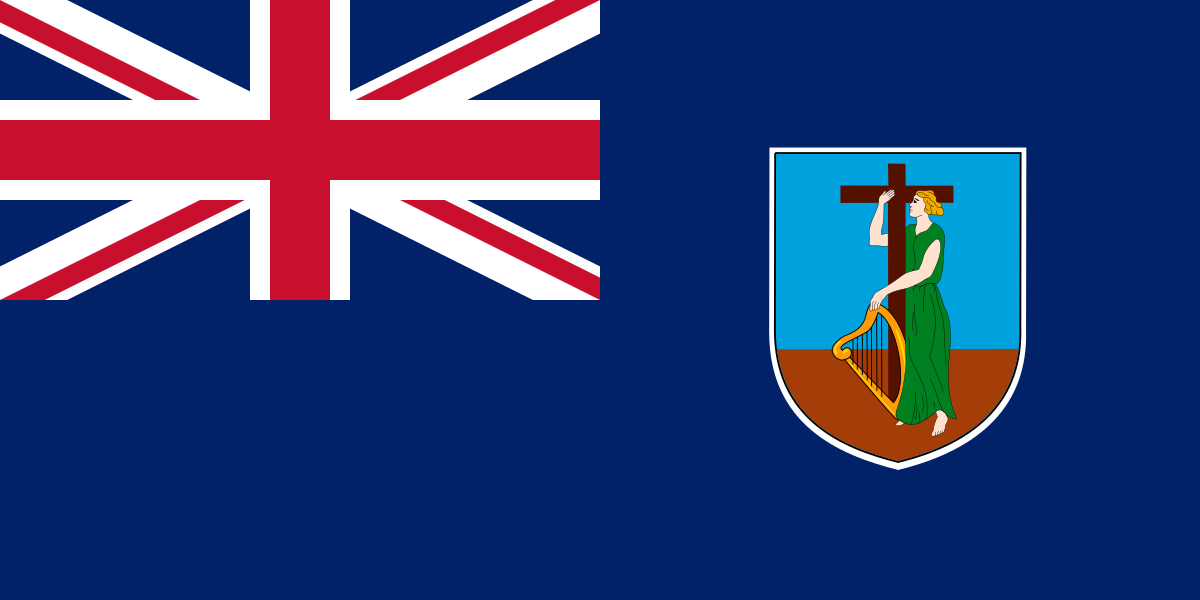
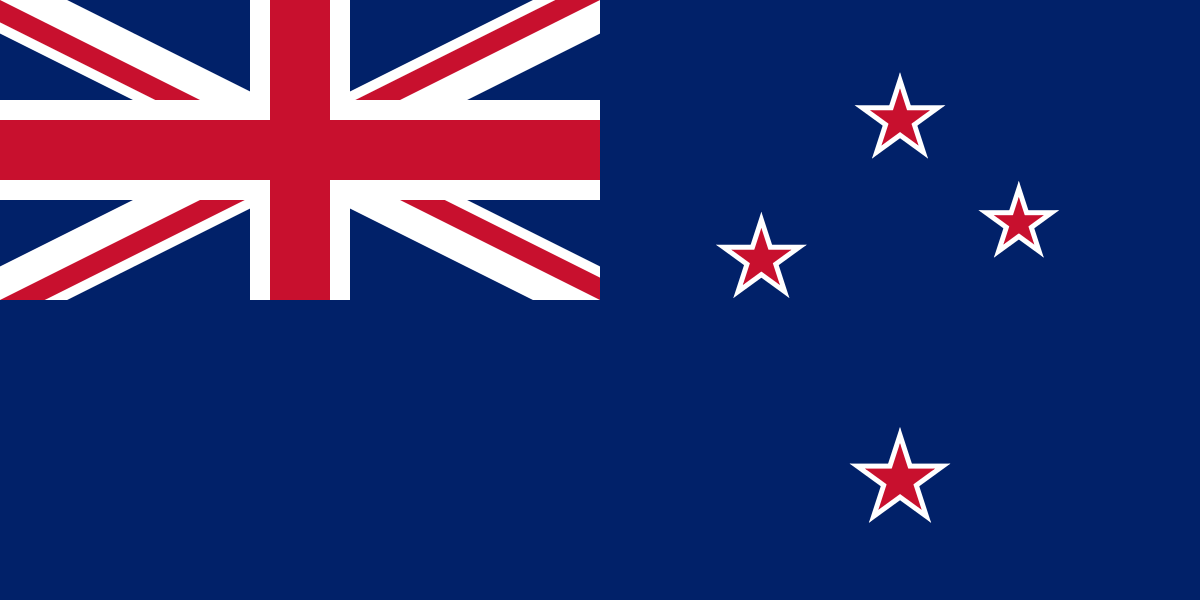

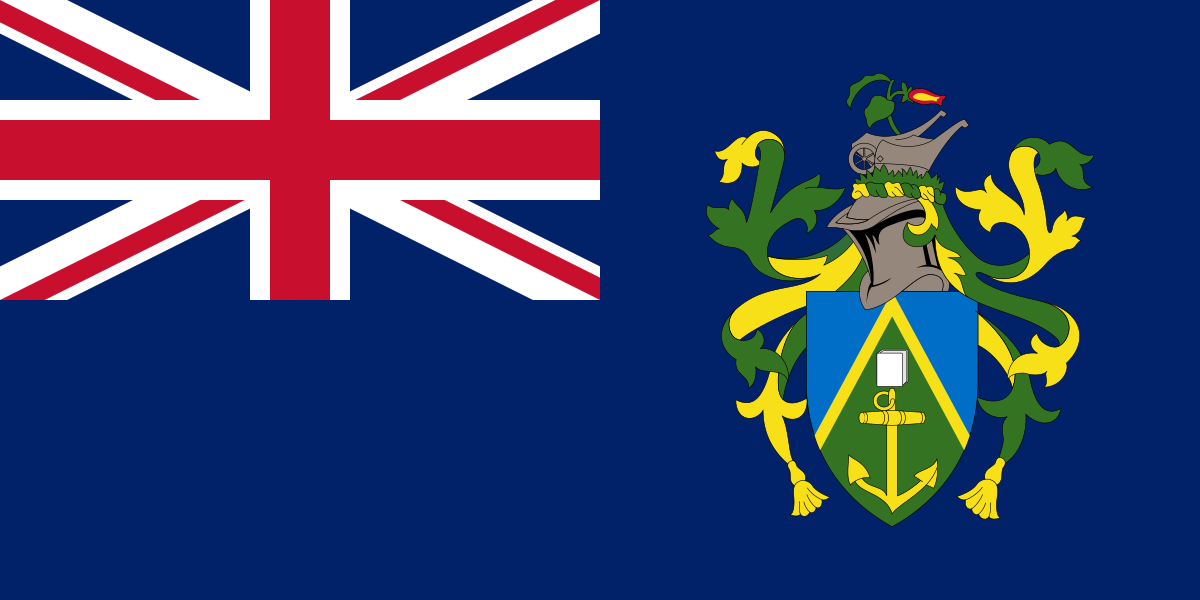
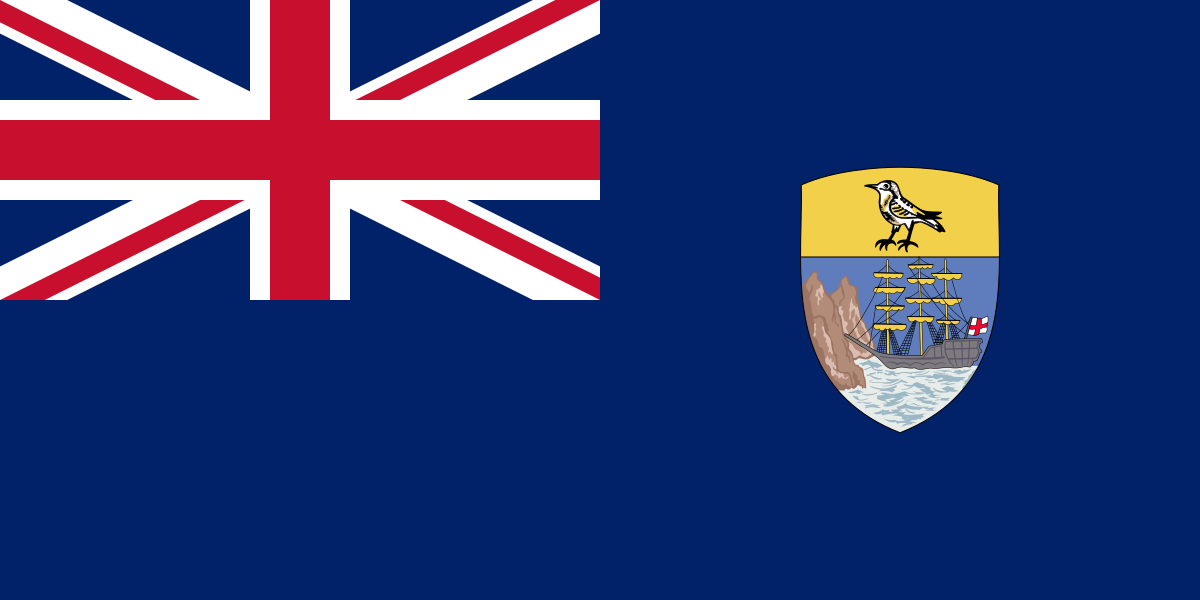
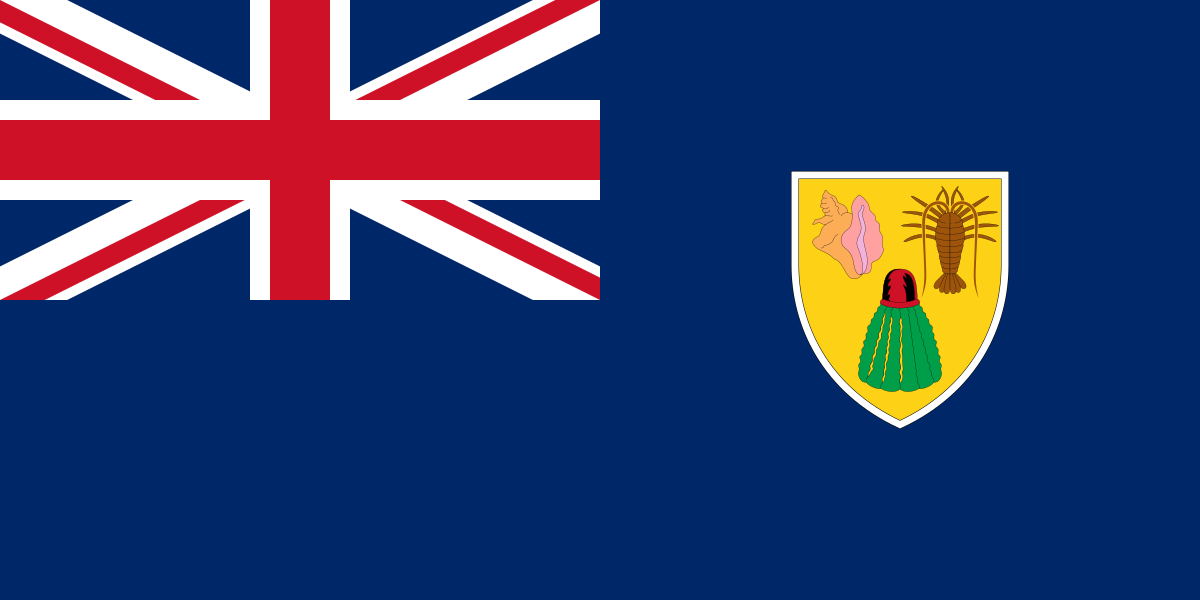
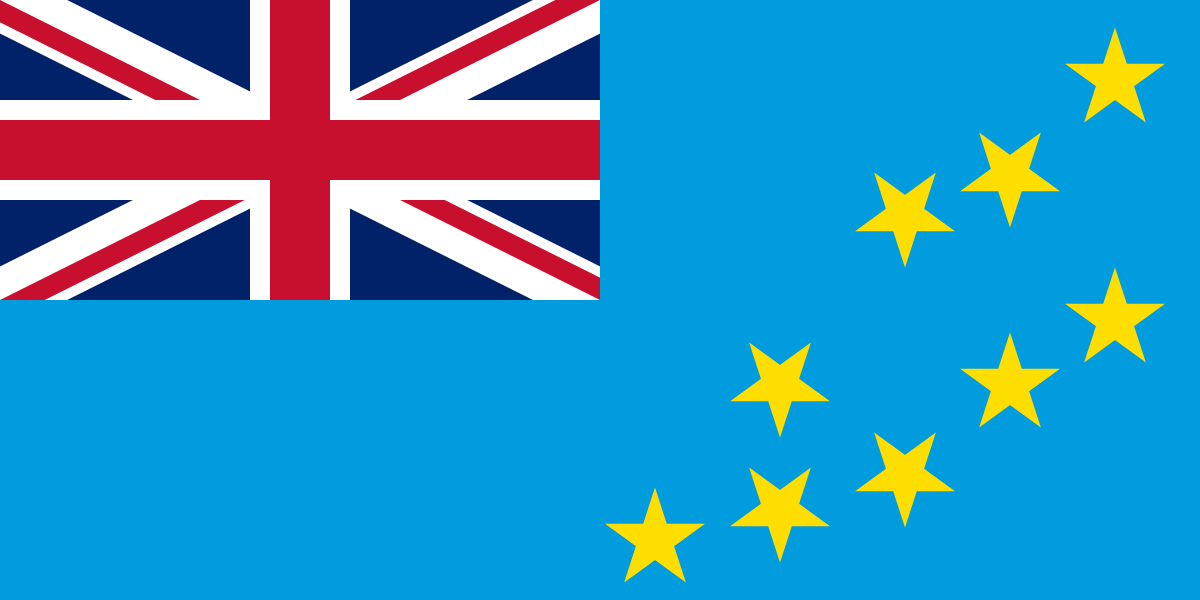
Neighboring countries

Land neighbors, approximated from simplified map outlines.
Symbols in History (12)
Coats of arms and emblems whose historic seat lies within this country’s present-day territory.
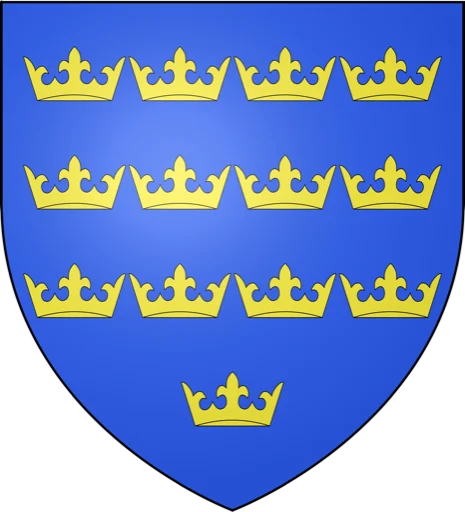
Arms Attributed to King Arthur, the Thirteen-Crown Variant
OriginKing Arthur is a legendary figure from before heraldry existed.
DescriptionOn a blue field thirteen gold crowns are drawn, set in three rows of four with one more placed at the bottom centre.
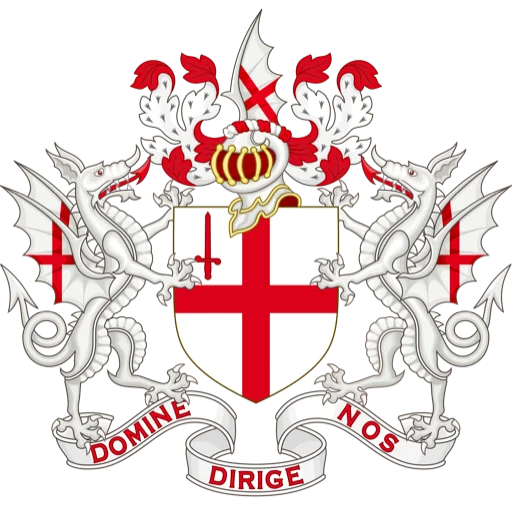
Arms of the City of London
OriginThe cross of Saint George on a white shield with a red sword in the upper left is the coat of the City of London. The red sword represents the instrument of Saint Paul's martyrdom, and these arms belong to the City of London Corporation rather than to the London-wide government.
DescriptionOn a silver shield a red cross is drawn, and in the upper left quarter stands a red sword with its point upward; above the shield rests a helm with red and white mantling and a silver dragon's wing charged with a red cross. On either side two silver dragons with red crosses on their wings hold the shield, and on the ribbon below are the words 'DOMINE DIRIGE NOS' (Lord, direct us).
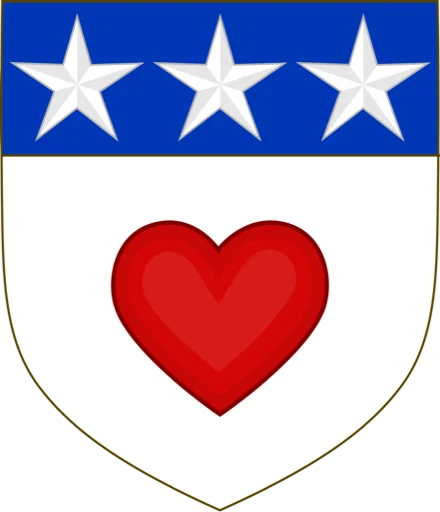
Arms of the Douglas Family
OriginThe design with an uncrowned red heart and three silver stars on a blue chief appears in the arms of several branches of the Douglas family. The tradition that Robert the Bruce's heart was to be carried to the Holy Land and the date at which this design actually came into use are two separate stories, and the heart with a crown on it is a variant found in some later branches.
DescriptionA large red human heart is drawn at the centre of a white field, and on the blue horizontal band at the very top of the shield (the chief) three silver five-pointed stars are set in a row.
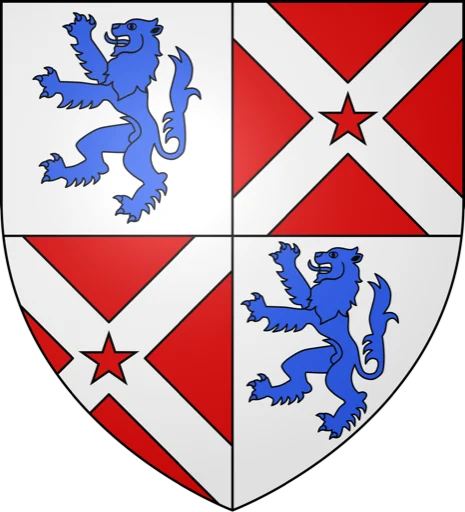
Arms of the Neville family
OriginA silver saltire on red is the main line of Neville family arms.
DescriptionThe shield is divided into four quarters: in the 1st and 4th, a blue lion stands on its hind legs on a silver field, and in the 2nd and 3rd, a silver X-shaped cross is drawn on red. A red five-pointed star is placed at each of the points where the X crosses.
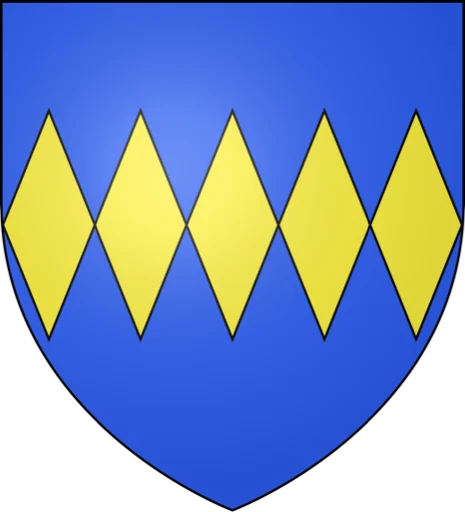
Arms of the Percy family
OriginFive gold fusils conjoined in a horizontal band on blue are the arms of the Percy family. The blue lion on gold often shown alongside them is recorded separately as the arms of Louvain.
DescriptionFive gold lozenges are joined together in a single horizontal row across the middle of a blue field. The lozenges are stretched tall from top to bottom, and the row reaches the edges of the shield on both sides.
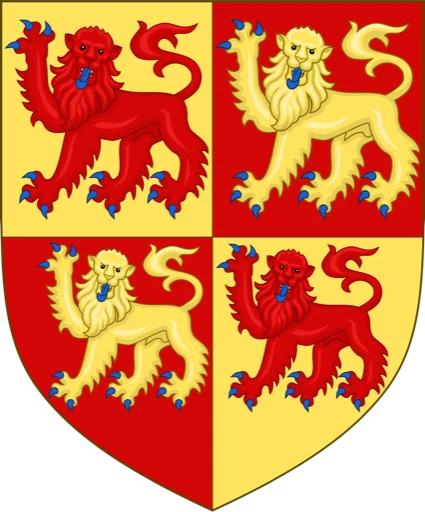
Four-lion arms attributed to the royal house of Gwynedd
OriginA shield quartered gold and red with four lions in the opposite colours is linked with the old rulers of Gwynedd and is used today in Welsh royal insignia.
DescriptionThe shield is quartered gold and red, and in each quarter a lion in the colour opposite to its field walks with its face turned to the viewer. The upper left and lower right have a red lion on gold, the upper right and lower left a gold lion on red, and their claws and tongues are painted blue.

Royal arms of Scotland
OriginA red lion on a gold field, within a double border decorated with fleurs-de-lys, is the core of the Scottish royal arms.
DescriptionOn a gold shield a red lion rears on its hind legs, surrounded by a red double border with lily ornaments set alternately facing inward and outward. Above the shield are a crown, a red lion crest holding a sword and a sceptre, and a scroll reading 'IN DEFENS'. On either side, two white unicorns, crowned and chained, hold a banner of the lion arms and a banner with a white diagonal cross on blue, and beneath their feet is green ground with thistles growing on it.
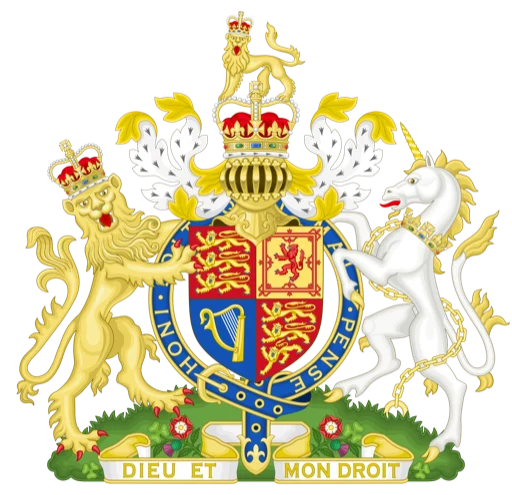
Royal arms of the British sovereign
OriginThe English lions, the Scottish lion and the Irish harp on the shield, together with the lion and unicorn supporters, make up the royal arms of the British monarch. A separate version with a different arrangement is used in Scotland, and the one shown here is the version used elsewhere.
DescriptionIn the quartered shield, the 1st and 4th quarters show three gold lions walking with their faces turned to the viewer on red, the 2nd a red lion within a border of lilies on gold, and the 3rd a gold harp on blue. The shield is encircled by a blue Garter lettered 'HONI SOIT QUI MAL Y PENSE', a crowned gold lion and a silver unicorn with a coronet and chain support it on either side, and the ribbon below reads 'DIEU ET MON DROIT'.
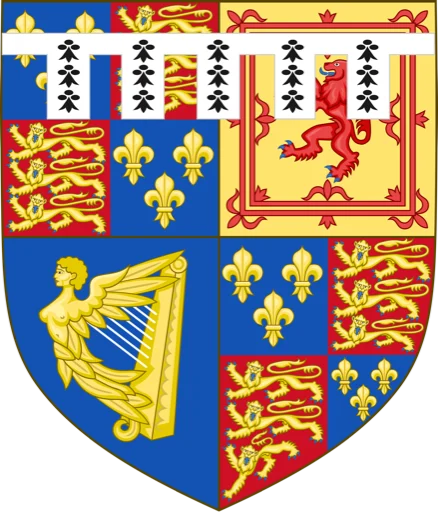
Stuart royal arms (differenced version)
Sources do not confirm exactly who bore this design or in which version, so no description is given.
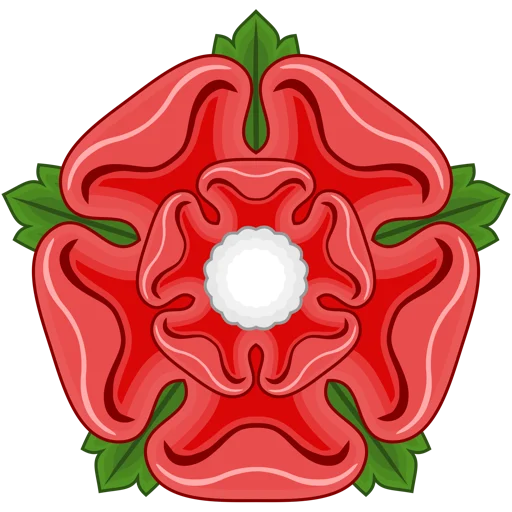
The Red Rose Badge of Lancaster
OriginThe red rose is a later emblematic badge associated with the House of Lancaster.
DescriptionA rose is drawn with five red petals spread wide open, and five green sepals extend out between the petals. The seed head at the very centre of the flower is painted white with a roughened edge.
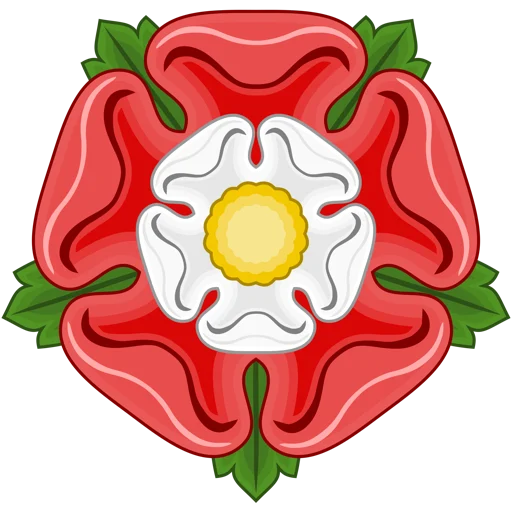
Tudor rose badge
OriginThe Tudor rose, combining a red rose and a white rose, is a dynastic badge used by Henry VII and later Tudor rulers.
DescriptionWithin the five spread petals of a red rose lie five petals of a white rose, and at the very centre is a round yellow eye. Five green sepals reach out between the outer petals.
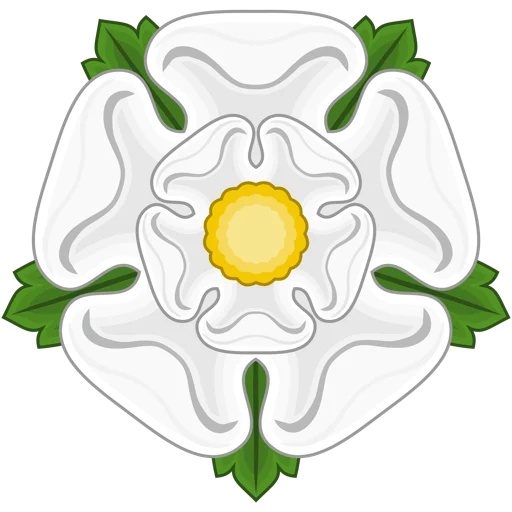
White rose badge of York
OriginThe white rose is the chief badge connected with the House of York.
DescriptionA rose of five white petals spread in a circle, with smaller white petals layered inside them and a round yellow seed-vessel at the centre. Five green sepals reach out in points between the outer petals.


State & regional flags (4)
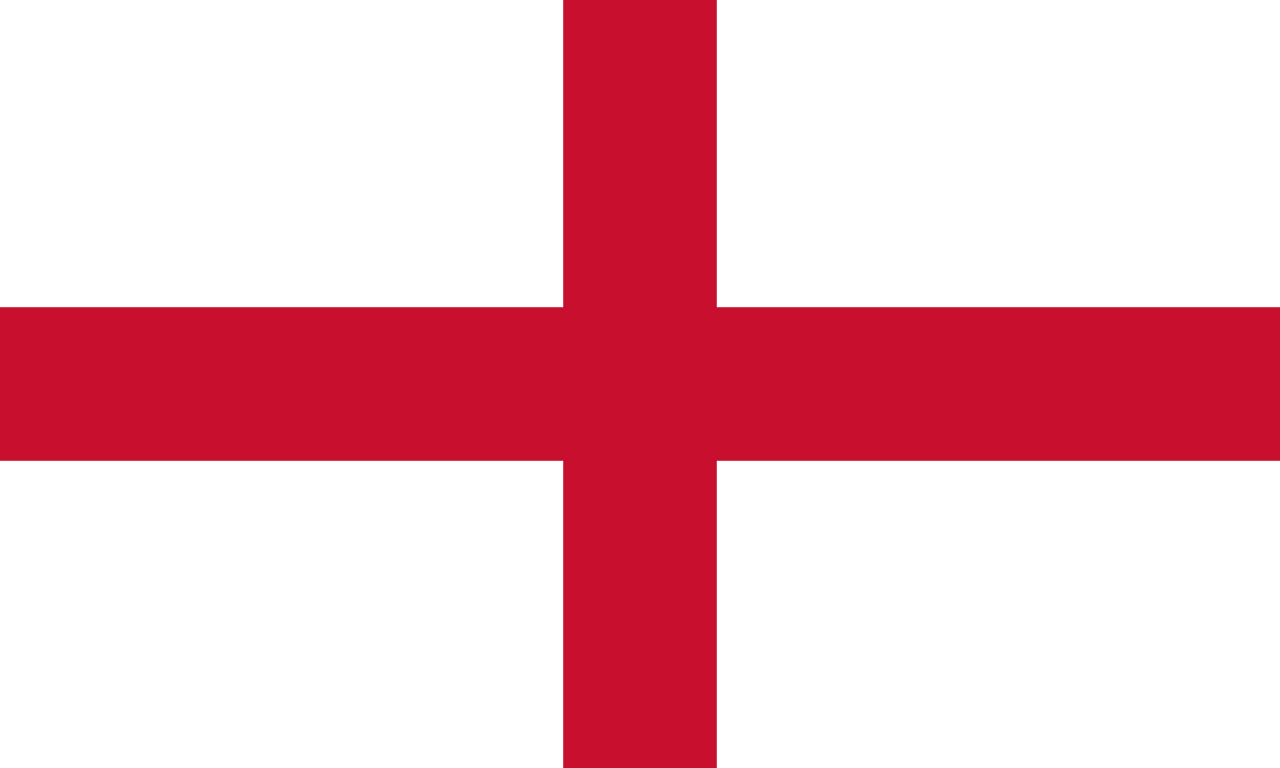
England
St. George's Cross, where the red cross on a white field symbolizes England's patron saint and bravery.
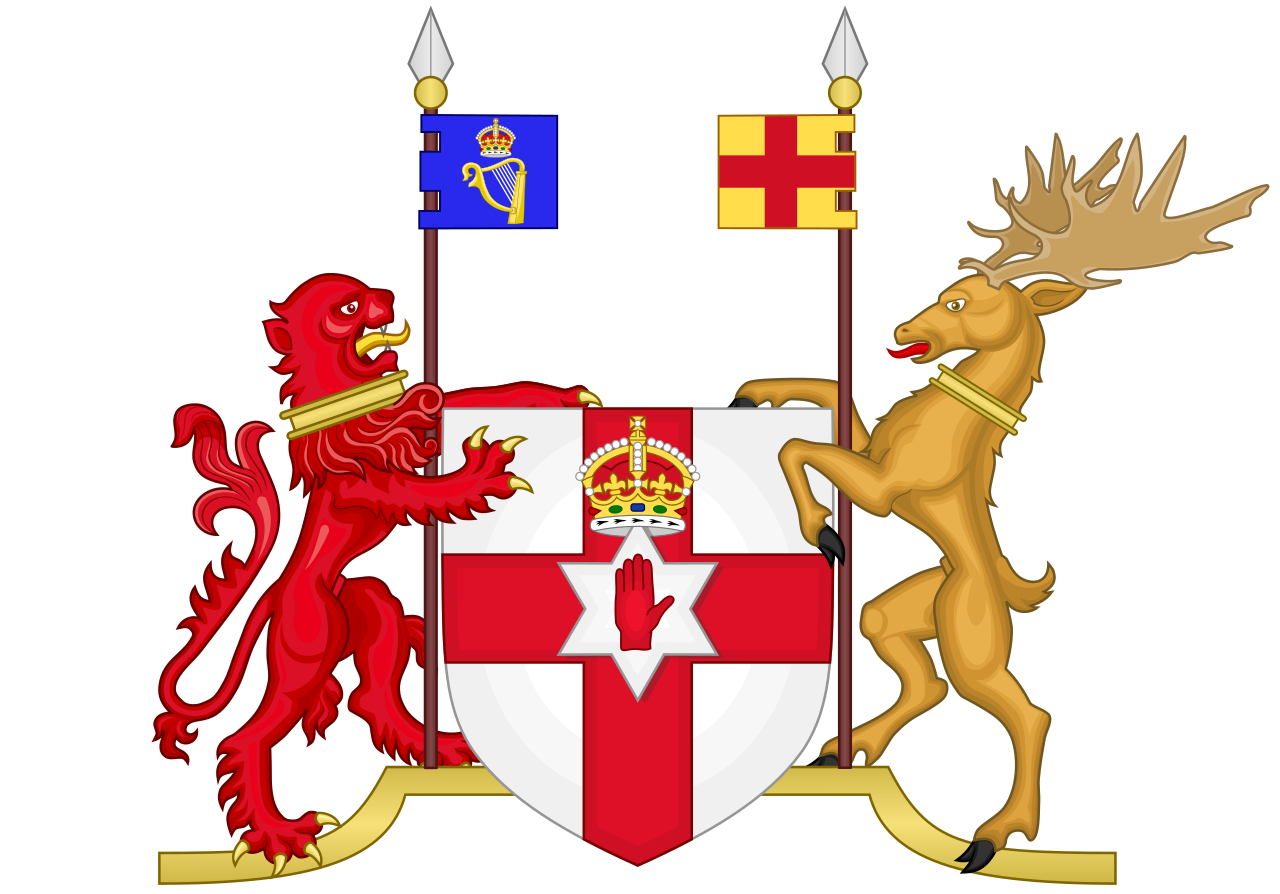
Northern Ireland
The full coat of arms of Northern Ireland. A red St George's cross crosses a white shield, surmounted by a red hand within a white six-pointed star and a crown, with a chained red lion and an Irish elk as supporters. The red hand is the old mark of Ulster.
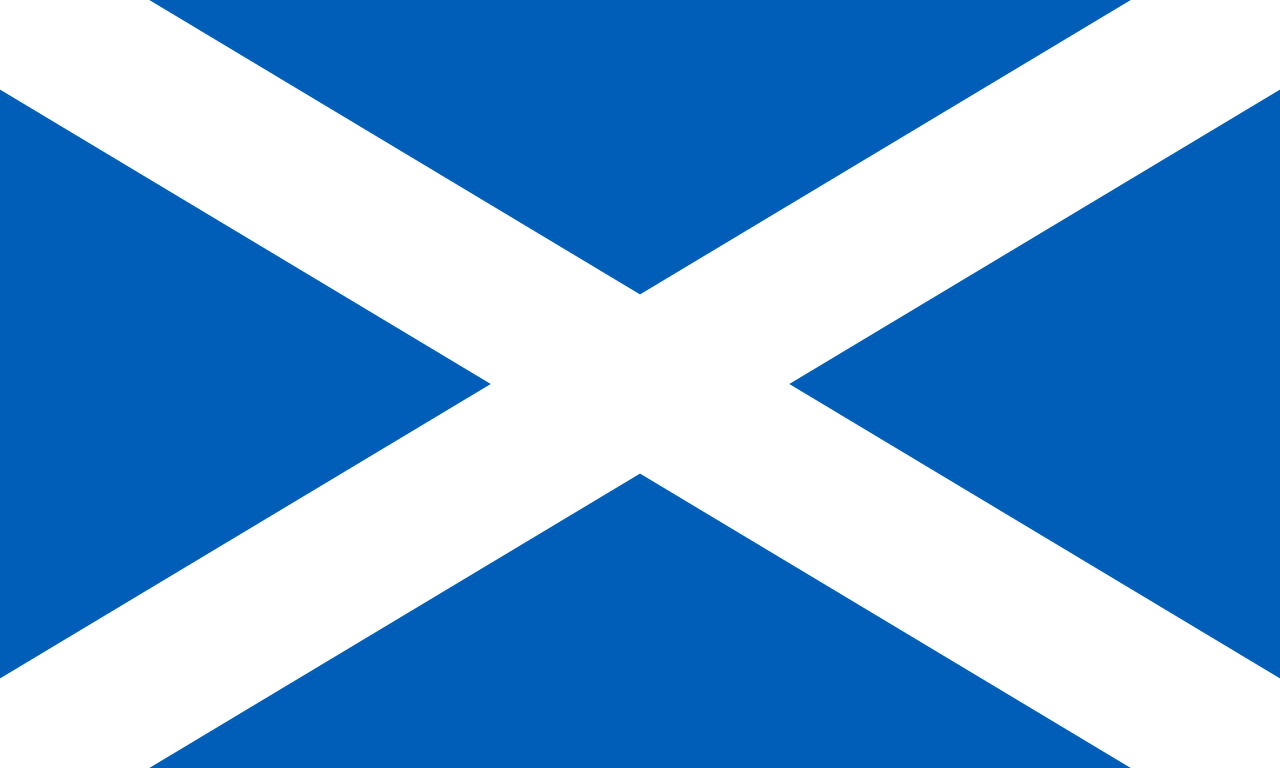
Scotland
St. Andrew's Cross, where the white saltire on a blue field symbolizes Scotland's patron saint.
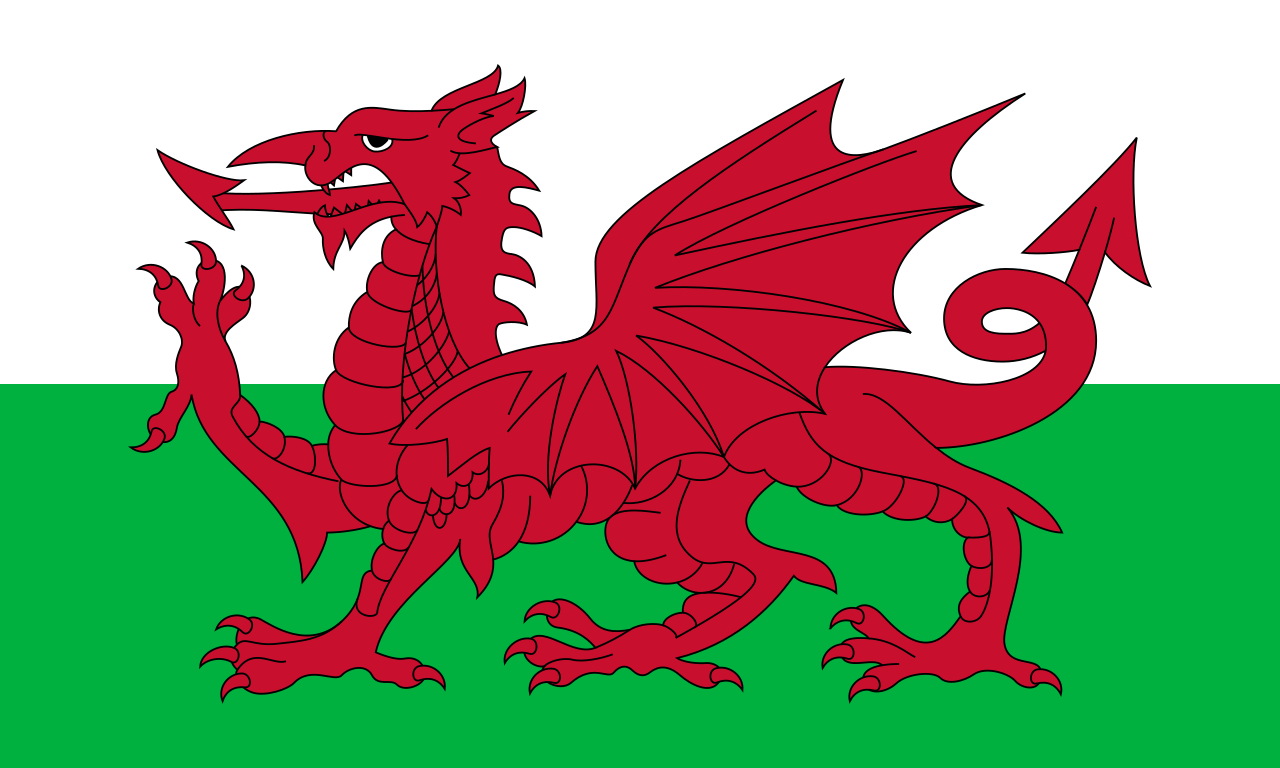
Wales
Red Dragon (Y Ddraig Goch) on green and white fields, representing victory, guard, and Welsh identity.
Data Sources
- Population: Population, total (SP.POP.TOTL), latest available value
- Area: World countries in JSON, CSV, XML and YAML
- Organizations: Membership of Principal UN Organs
- Organizations: What is NATO? Member countries
- Organizations: Members and partners