Flag of New Zealand
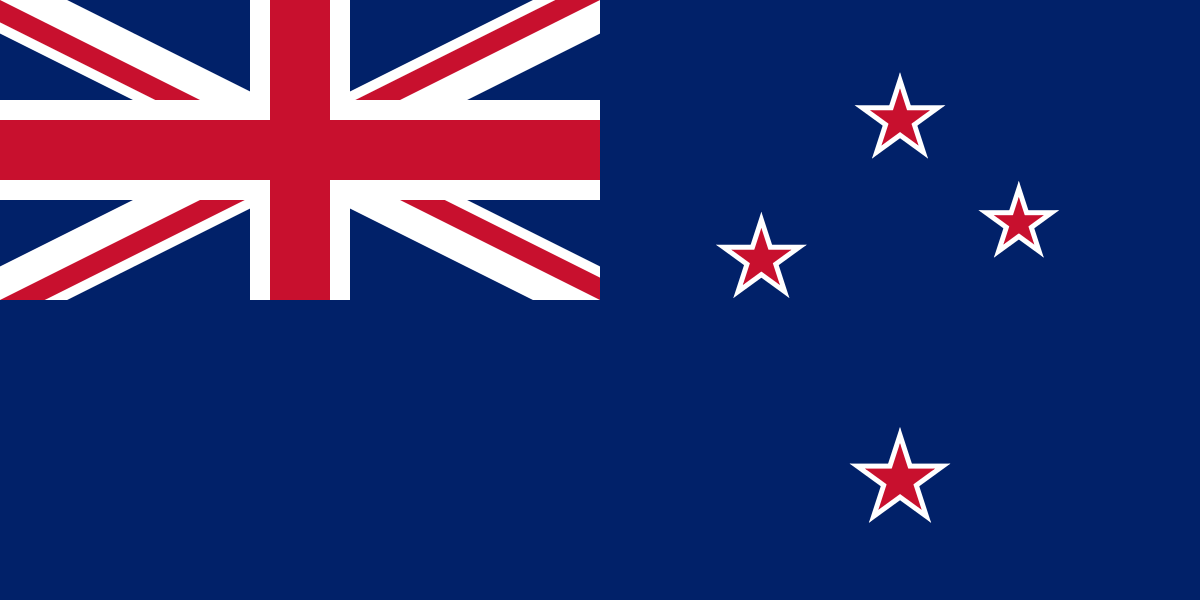
What the flag means
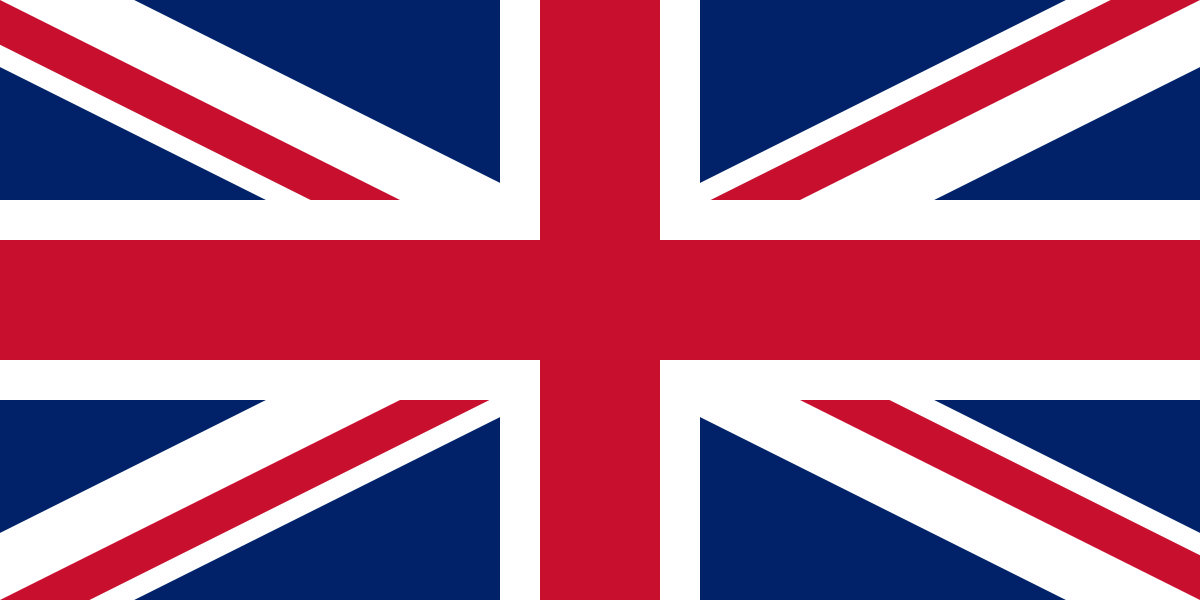
- Union Jack — historic ties to Britain
- Southern Cross (4 red stars) — its place in the South Pacific
Design set by: Flags, Emblems, and Names Protection Act 1981, s 5 and Schedule 1 · Adopted 1902
Highlights
- 🏔️ Nature straight out of a movie
- 🐑 Pristine land and sheep farms
- 🌋 Geothermal pools and hot springs
- 🥝 Kiwifruit and clean produce
- 🏉 The pride of the All Blacks
Quick facts
- Region
- Oceania · Australia and New Zealand
- Population
- 5,324,700 people (2025)
- Area
- 270,467 km²
- Capital
- Wellington
- Languages
- English, Māori
- Currency
- New Zealand dollar (NZD)
- Organizations
- United Nations, OECD
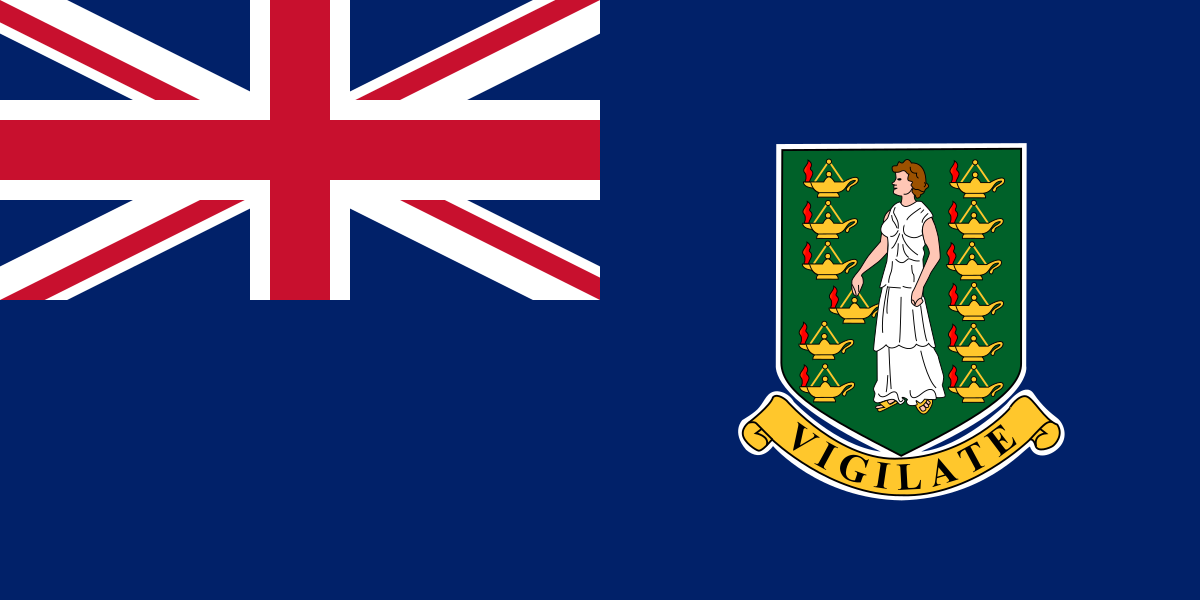
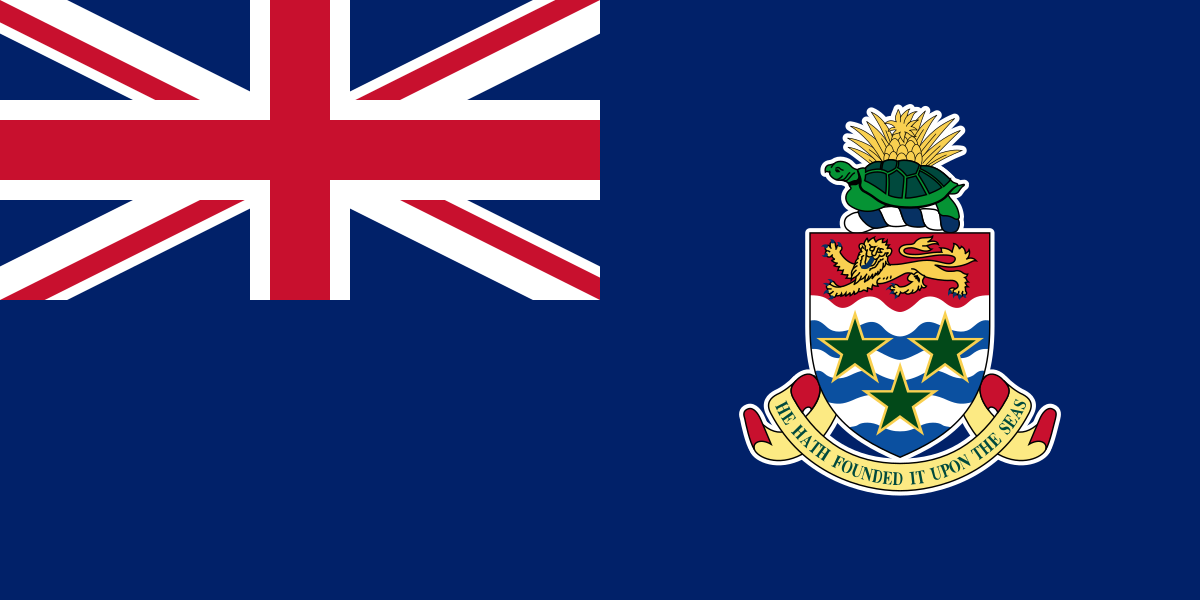
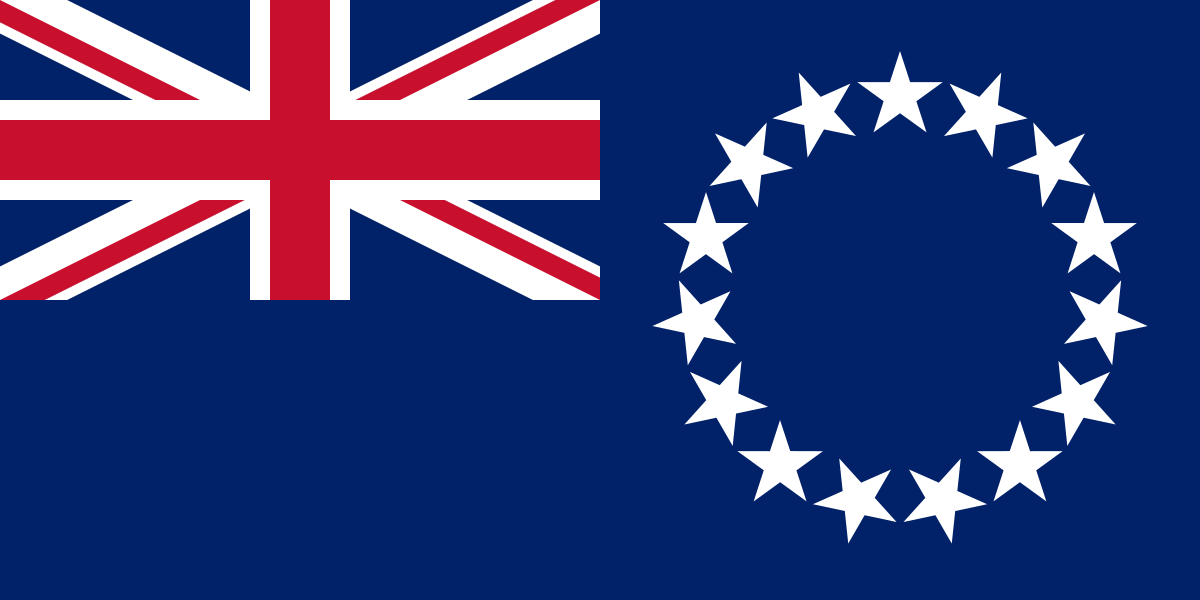
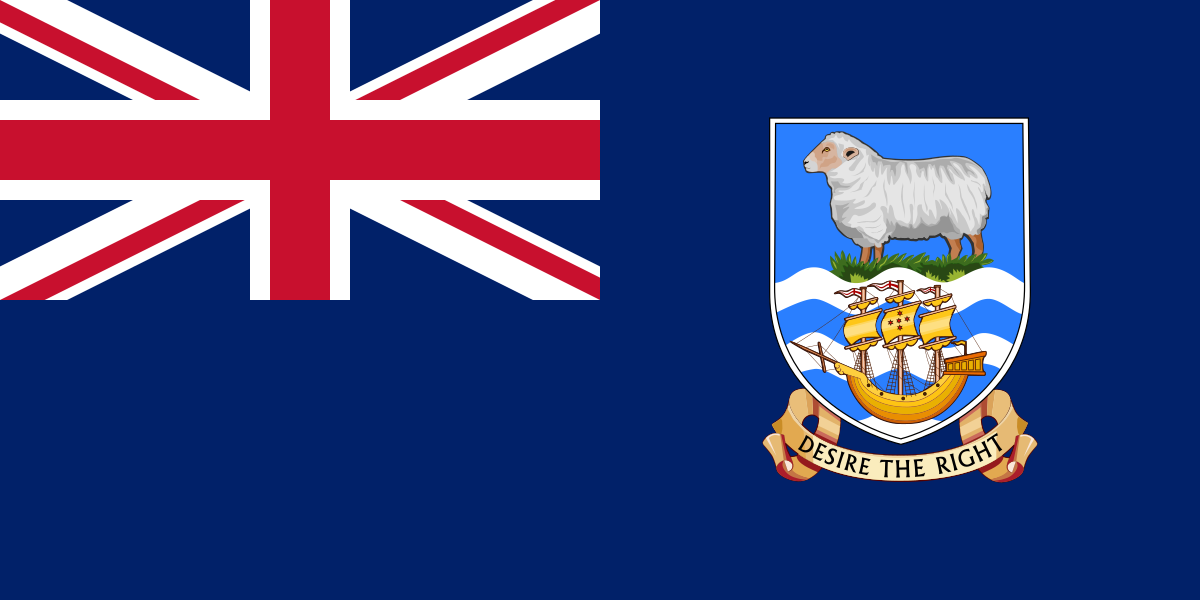
Similar flags
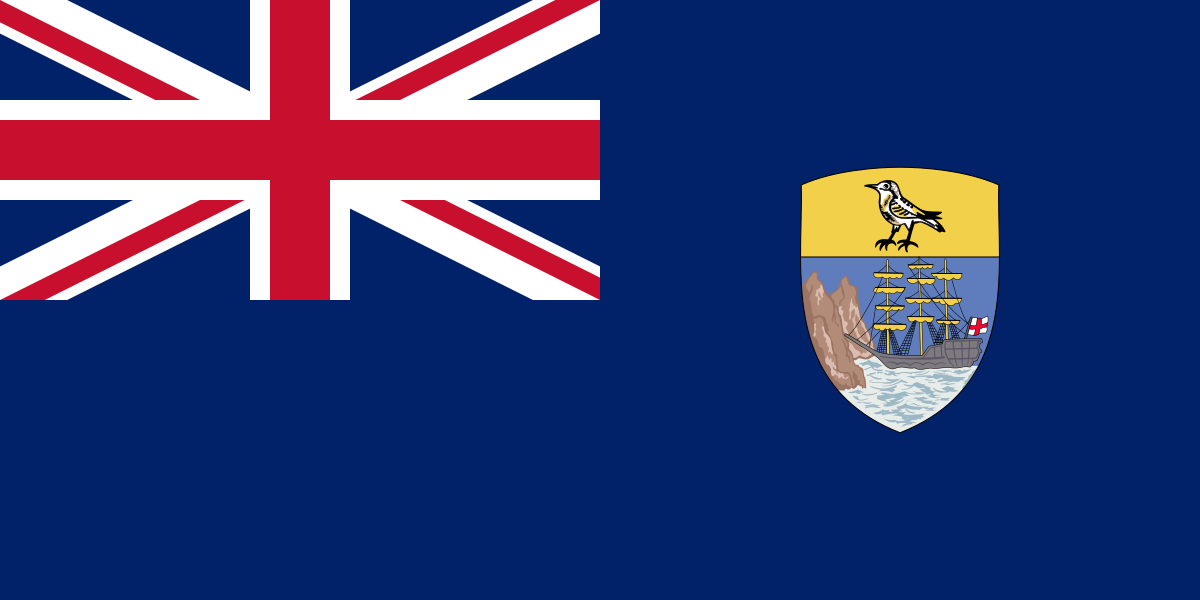
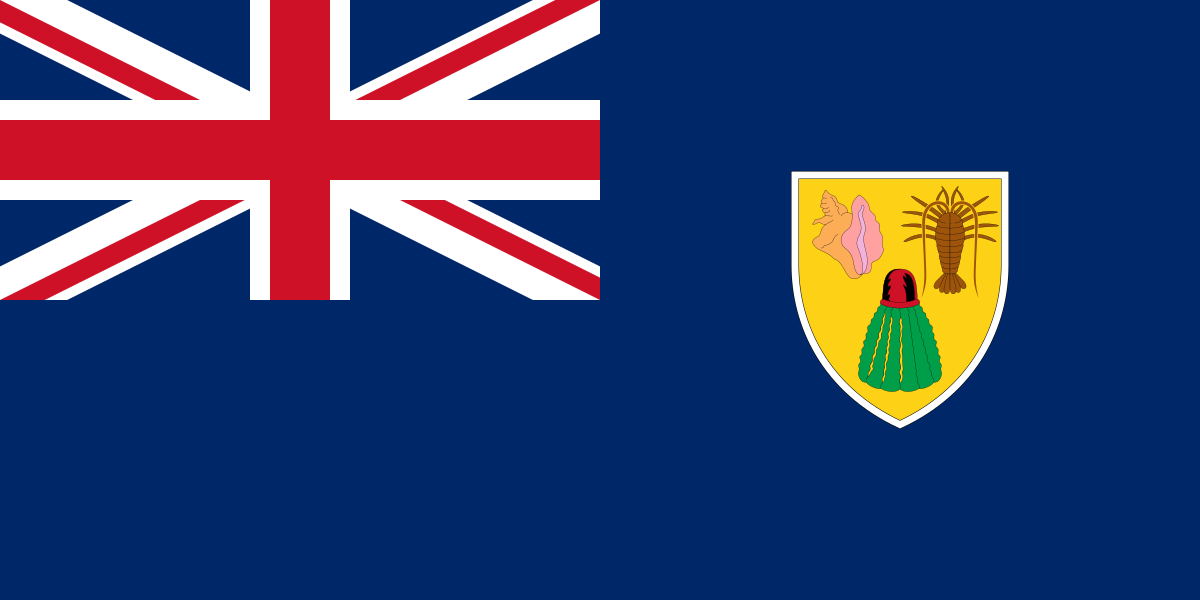
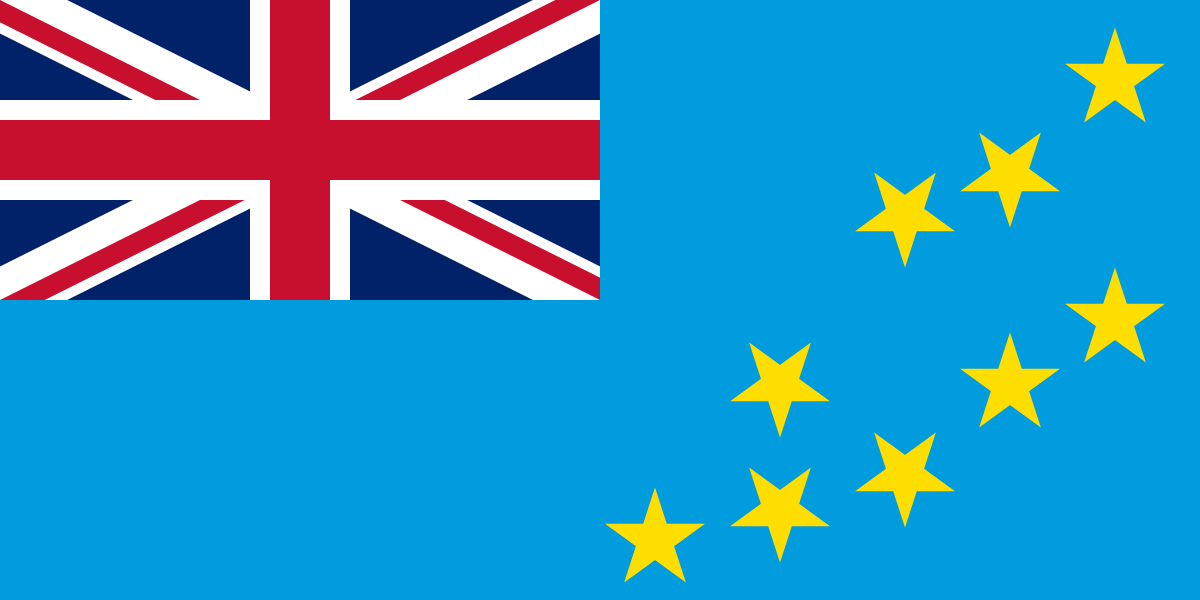
Union Jack family
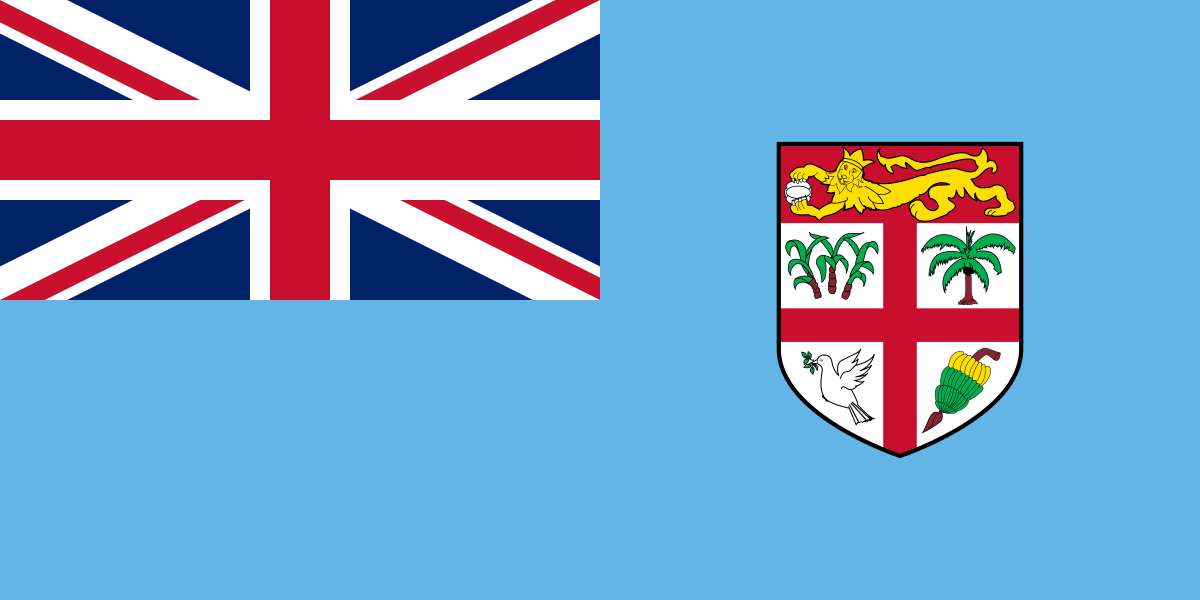
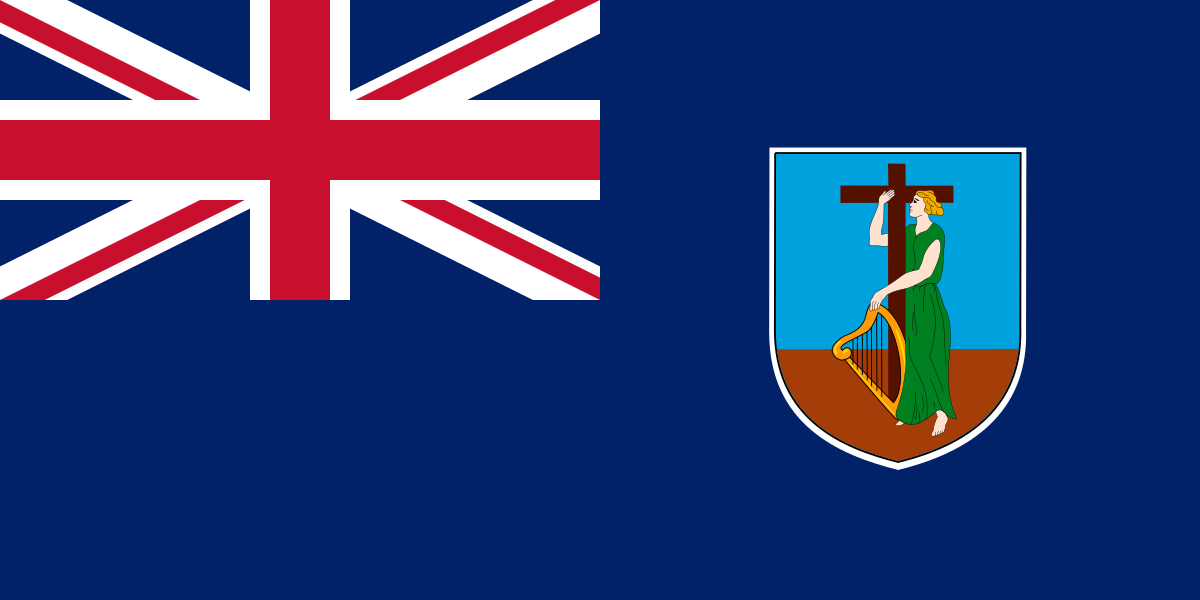
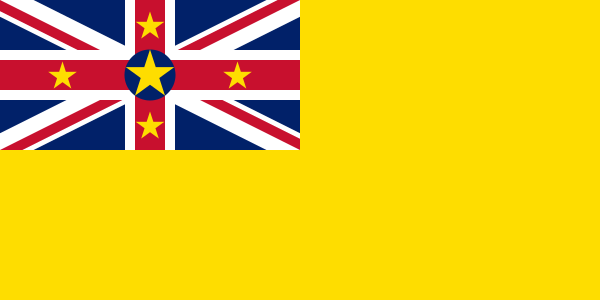
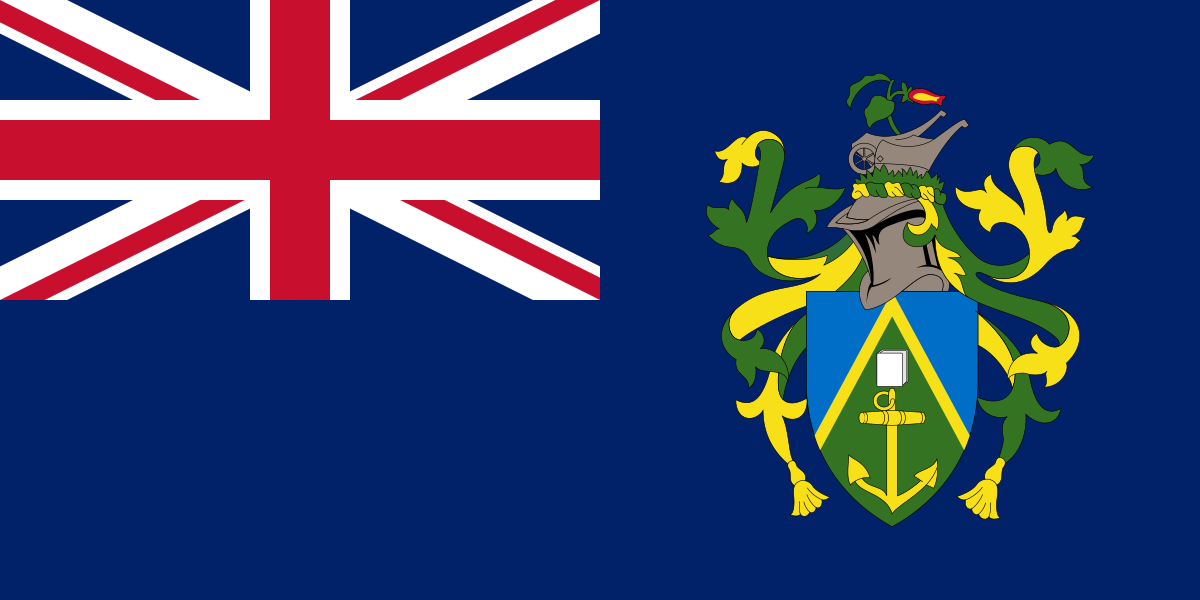
Symbols in History (1)
Coats of arms and emblems whose historic seat lies within this country’s present-day territory.
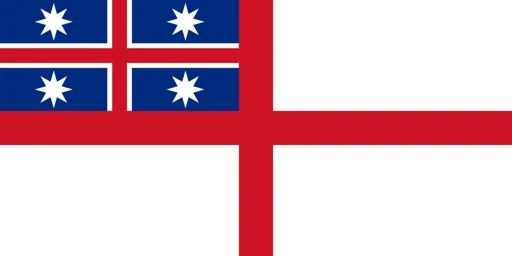
Flag of the United Tribes of New Zealand
OriginTrading ships built in New Zealand carried no flag and held no register, and in 1830 a vessel built at Hokianga was detained in Sydney for exactly that reason. On 20 March 1834 rangatira (chiefs) of the north gathered at Waitangi at the invitation of the British Resident James Busby, looked over a set of designs drawn up with missionary help, and chose this one. It became the flag of the Confederation of United Tribes, which declared its independence in 1835, and it flew until the Treaty of Waitangi in 1840.
DescriptionA broad red cross runs across the white field from edge to edge and cuts it into four. The upper quarter beside the staff is deep navy, and inside it a smaller red cross edged in white splits the blue into four panels, each holding a single white eight-pointed star. The red cross is the cross of St George, the mark every ship in the Pacific trade could read at a glance, while the blue canton and its four stars made the flag New Zealand's own. Māori call it Te Kara, 'the colours'; the drawing shown here is a modern redrawing of the 1834 design.

Data Sources
- What the flag means: Flags, Emblems, and Names Protection Act 1981, s 5 and Schedule 1
- Population: Population, total (SP.POP.TOTL), latest available value
- Area: World countries in JSON, CSV, XML and YAML
- Organizations: Membership of Principal UN Organs
- Organizations: Members and partners