Flag of the Cook Islands
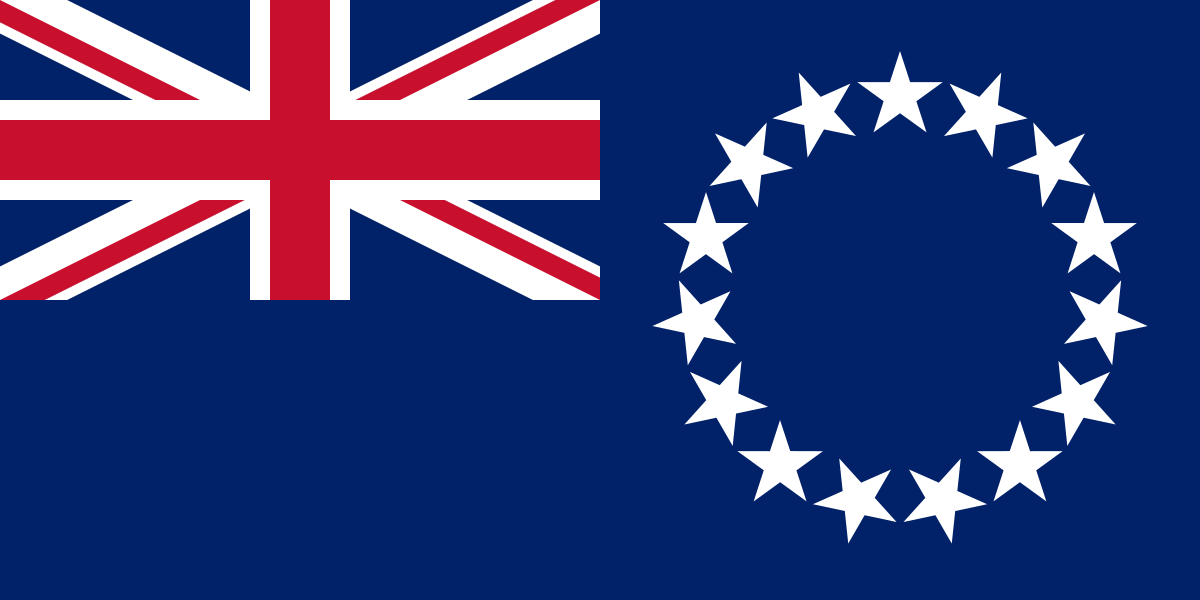
What the flag means
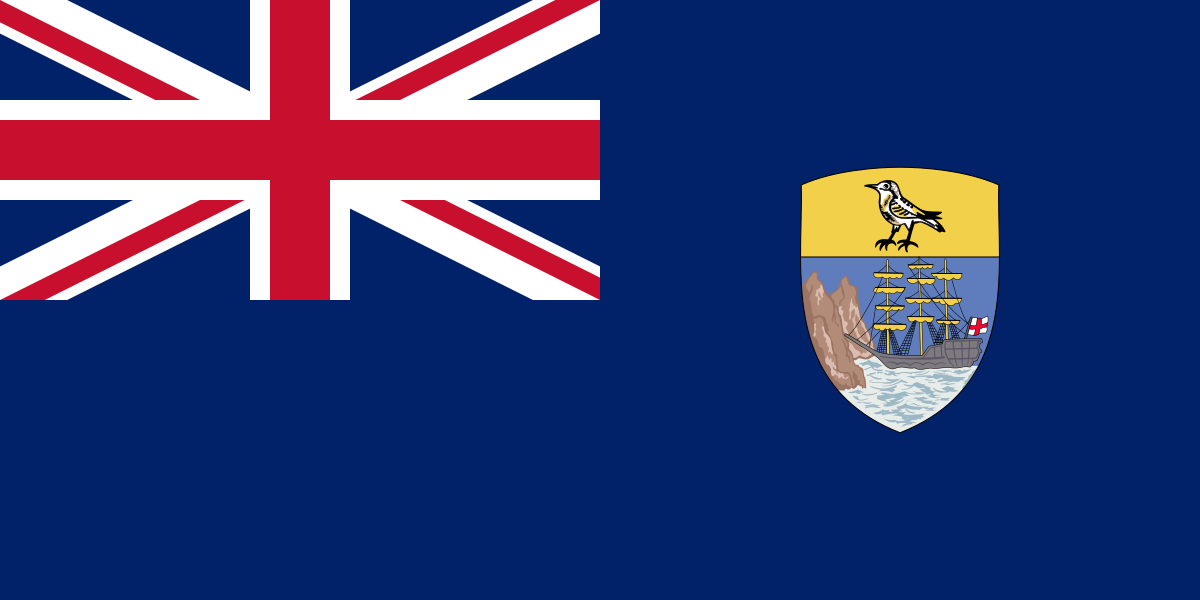
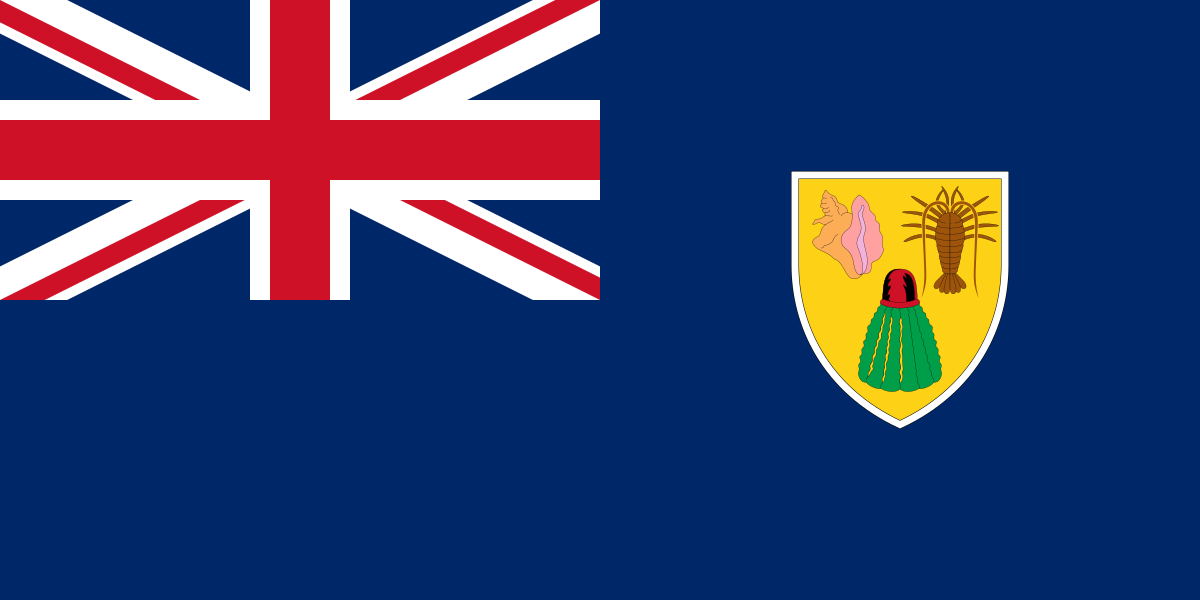
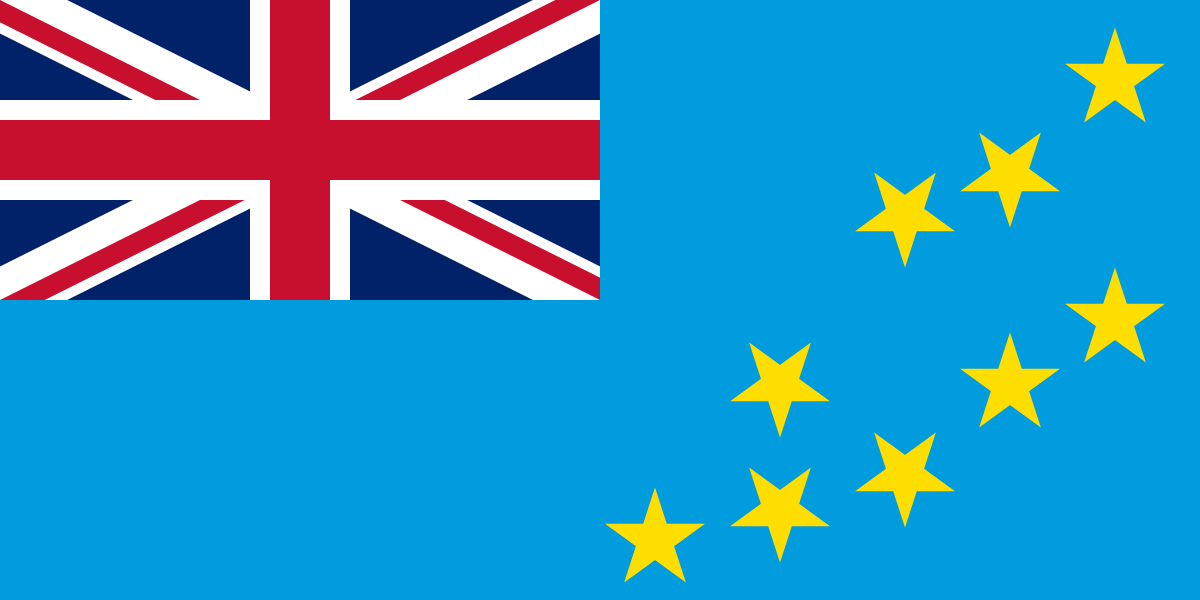
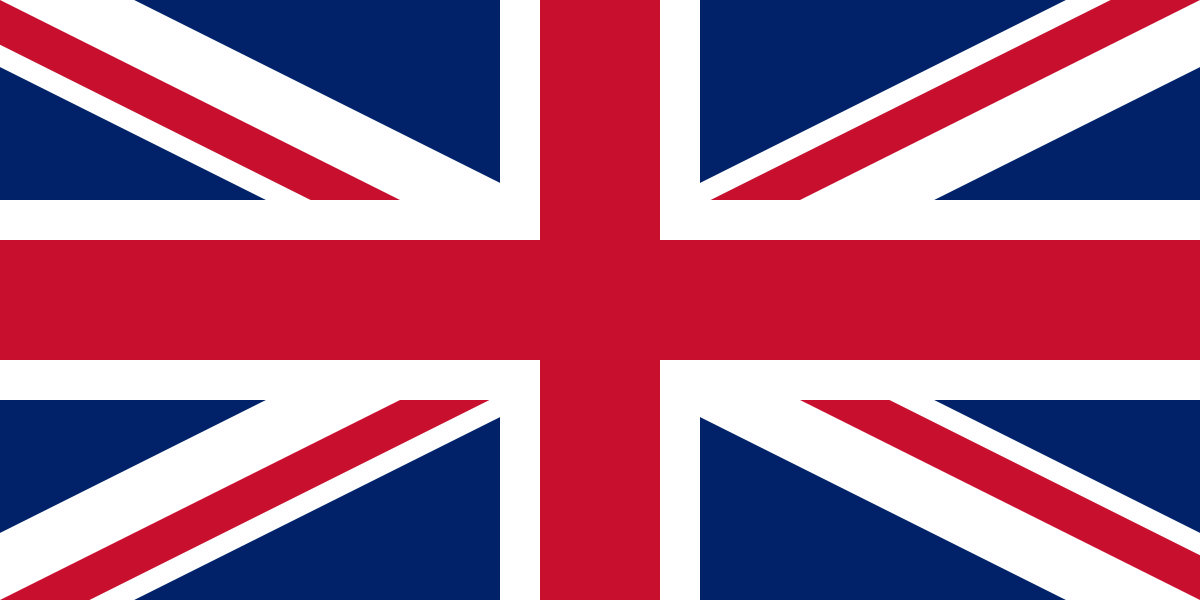
- Union Jack — historic ties to Britain
- Circle of 15 stars — the 15 islands of the Cook Islands
Design set by: Constitution of the Cook Islands, Article 76C and Third Schedule (inserted by the Constitution Amendment (No. 9) Act 1980-81) · Adopted 1979
Highlights
- 🏝️ South Pacific coral lagoons
- 🌊 Emerald Aitutaki Lagoon
- 🌴 Palm-lined white sand
- 🥥 Warm Polynesian culture
- 💃 Lively drums and dancing
Quick facts
- Region
- Oceania · Polynesia
- Status
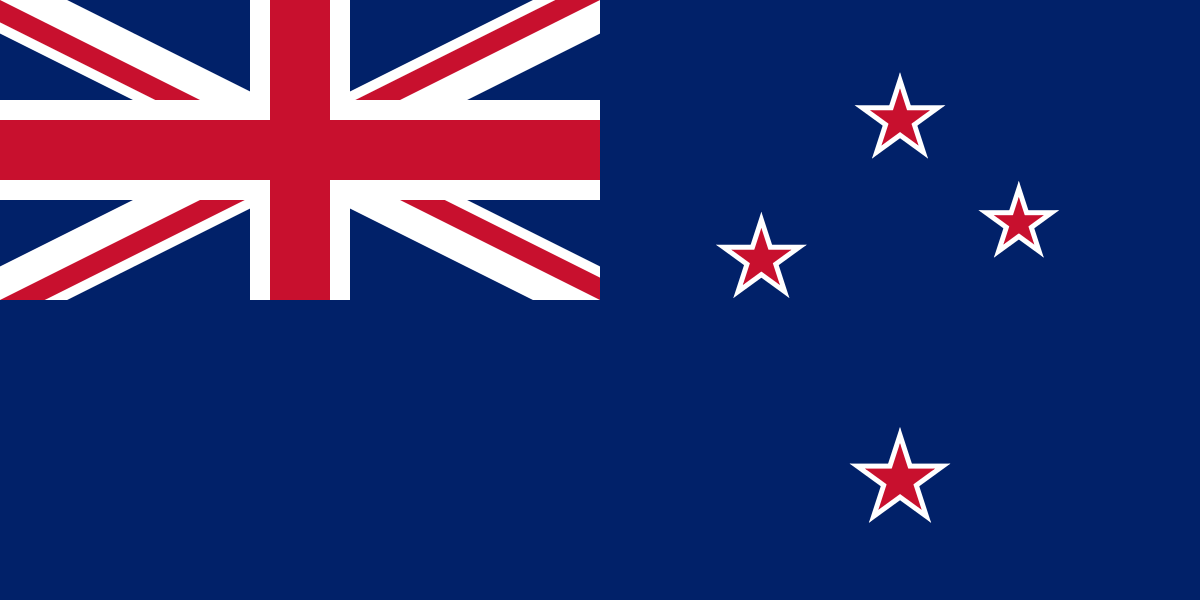 In free association with New Zealand
- Population
- 13,000 people (2025)
- Area
- 236 km²
- Capital
- Avarua
- Languages
- English, Rarotongan
- Currency
- Cook Islands dollar (CKD), New Zealand dollar (NZD)
Similar flags
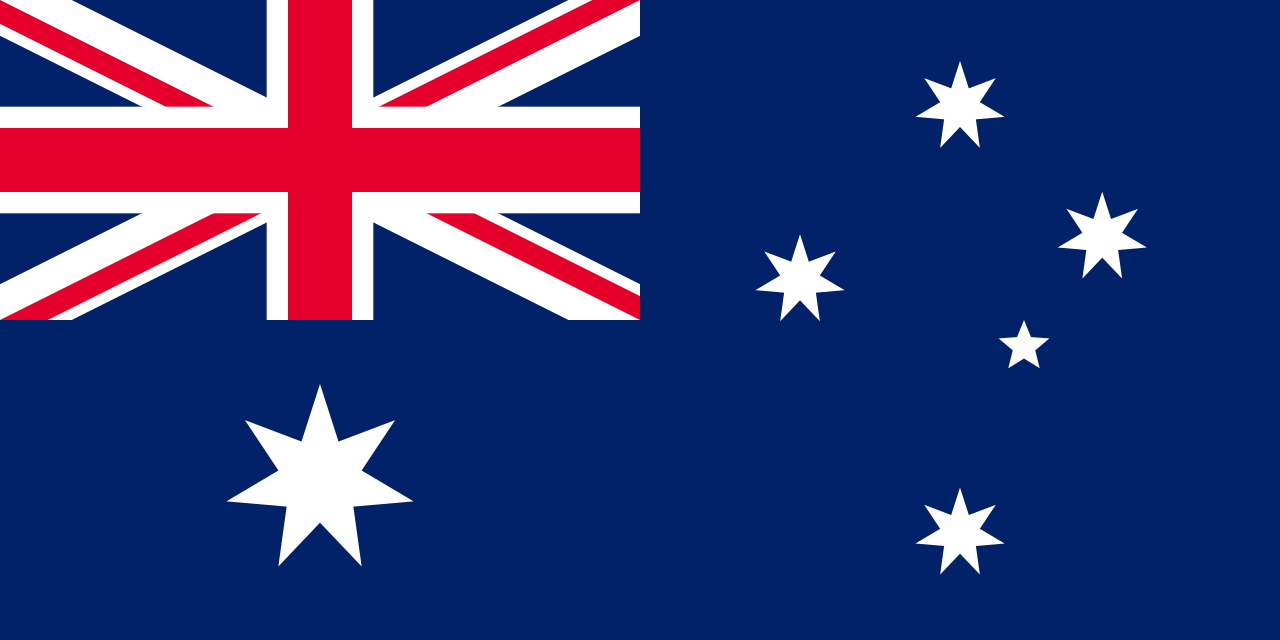
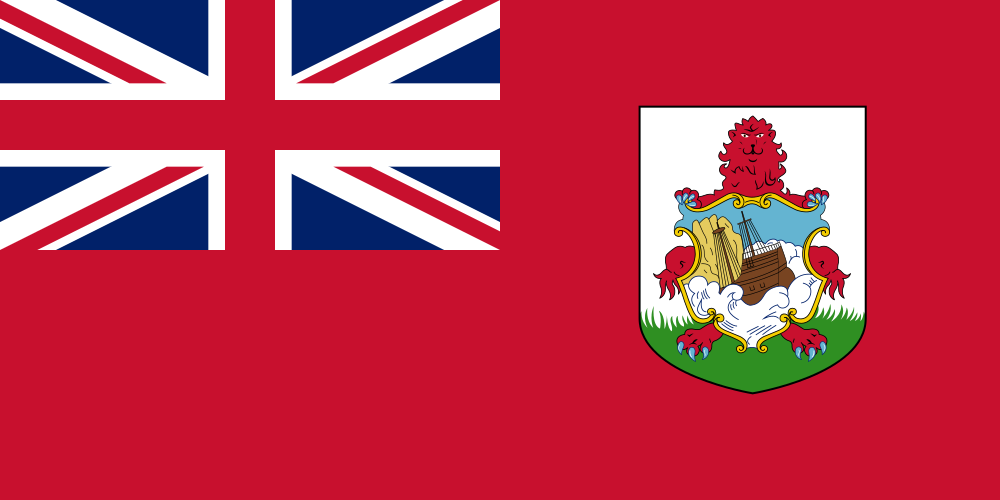
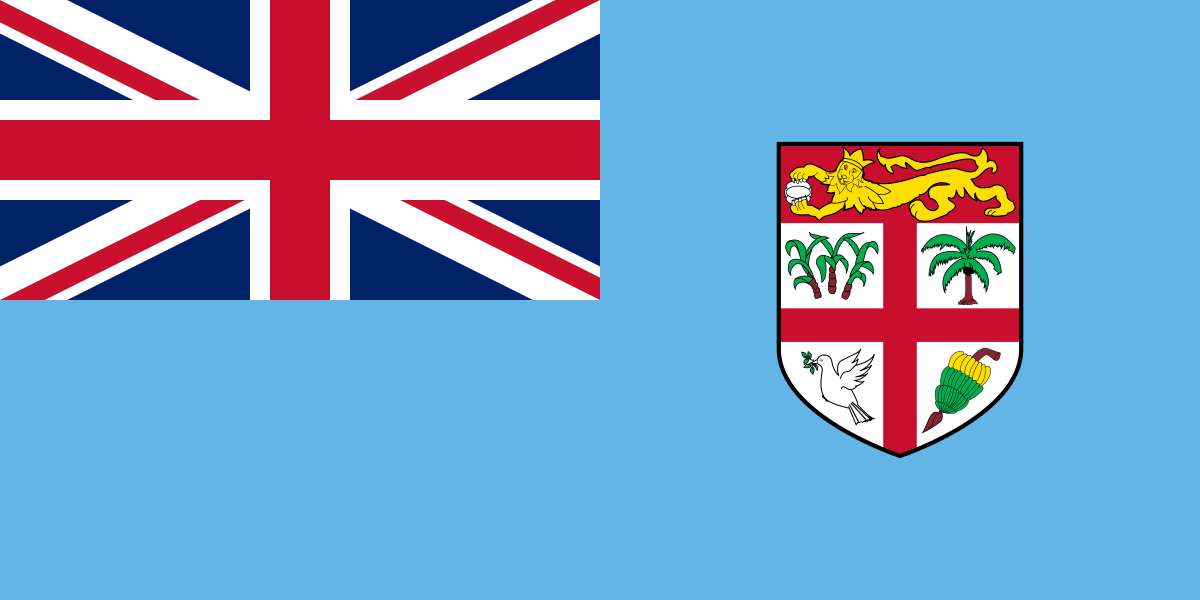
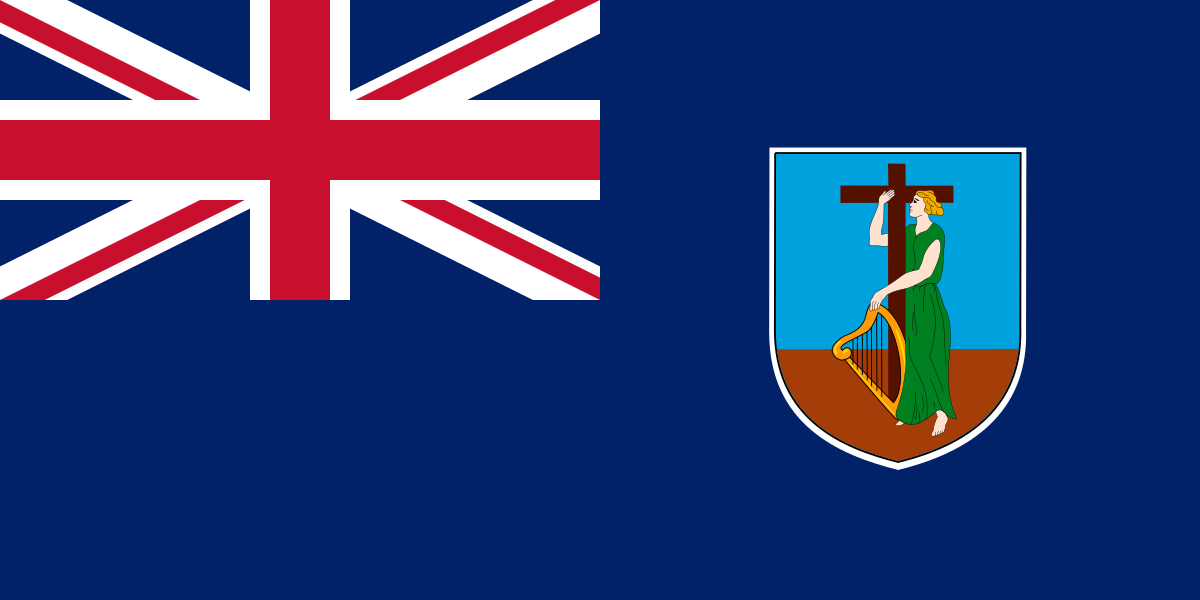
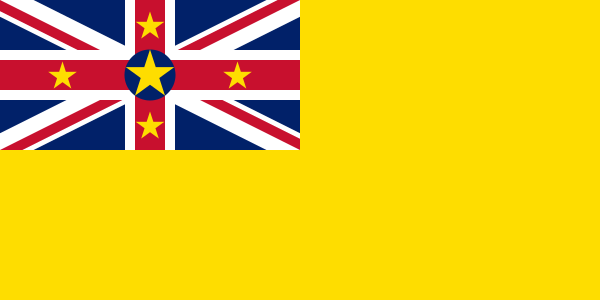
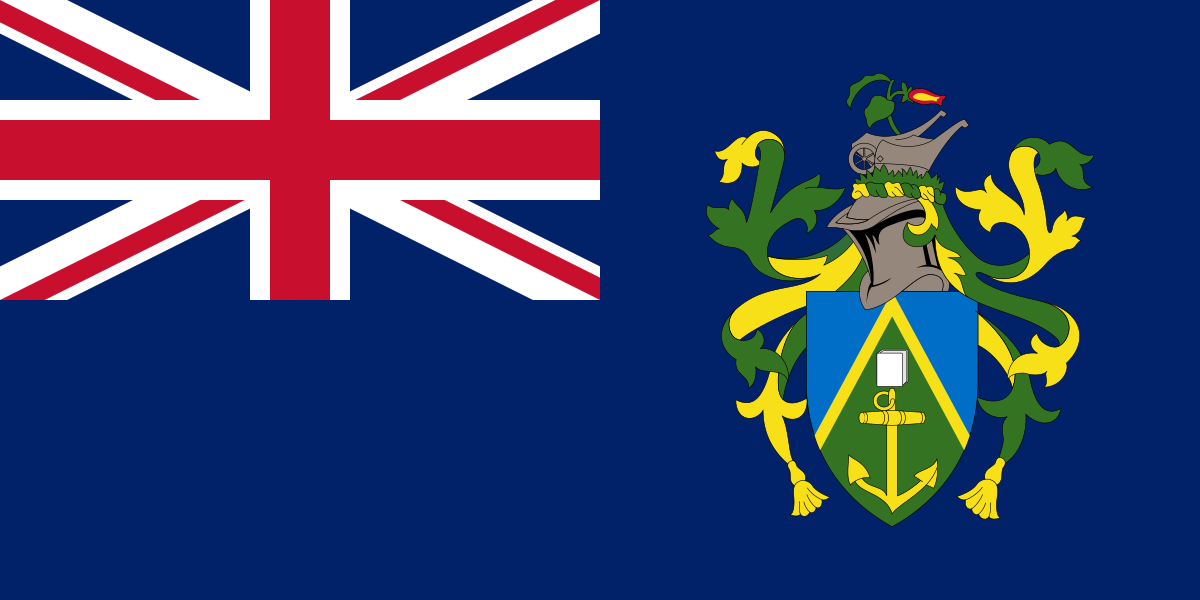
Union Jack family
Symbols in History (1)
Coats of arms and emblems whose historic seat lies within this country’s present-day territory.
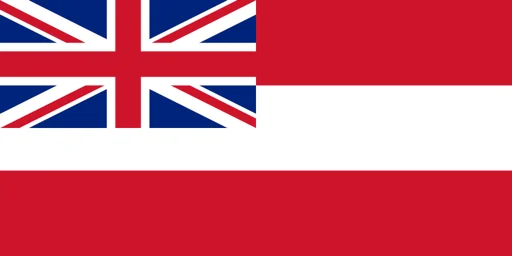
Flag of Rarotonga
OriginRarotonga, the largest of the Cook Islands, was governed by its ariki, the high chiefs of the island's districts. In 1888 Britain declared a protectorate over the island, and this flag flew from then until 1893, when the Cook Islands Federation took a flag of its own. The picture shown here is a modern redrawing of that flag.
DescriptionThe field is three horizontal bands of equal depth: red above, white across the middle, red below. The upper quarter at the hoist — half the flag's width and half its height — is filled by the British Union Flag: a dark blue ground carrying a white diagonal cross, a narrower red diagonal cross laid off-centre inside it — beside the staff the white shows broader above the red, further out broader below it — and an upright red cross edged in white running through the centre. The canton drops to the flag's mid-height, covering the whole upper red band and the top half of the white one, so beside the staff the white band is left only half as deep as it is out at the fly. The Union Flag announced the British protection Rarotonga had accepted, while the red and white bands around it kept the flag the island's own rather than simply Britain's.
