Flag of Tanzania
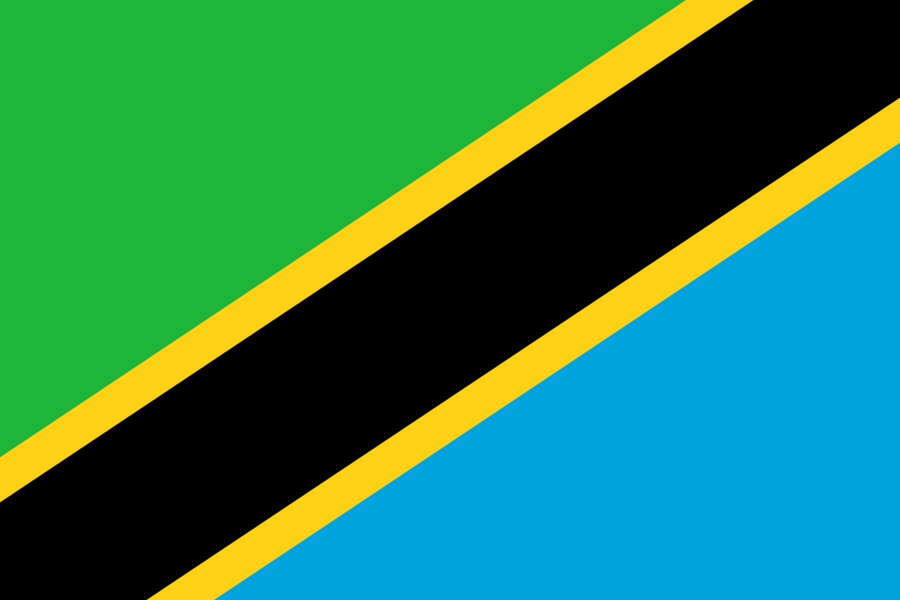
What the flag means
- Green — the land and agriculture
- Blue — the lakes, rivers and ocean
- Black — the Swahili people
- Yellow edges — mineral wealth
Design set by: The National Emblems Act, 1971 (Act No. 15 of 1971), First Schedule · Adopted 1964
Highlights
- 🏔️ Kilimanjaro, Africa's highest peak
- 🦁 Wild safari on the Serengeti
- 🏝️ Zanzibar, the spice island
- 🌊 Blue Indian Ocean beaches
- 🦒 Wildlife of Ngorongoro Crater
Quick facts
- Region
- Africa · Eastern Africa
- Population
- 70,545,865 people (2025)
- Area
- 945,087 km²
- Capital
- Dodoma
- Languages
- Swahili, English
- Currency
- Tanzanian shilling (TZS)
- Organizations
- United Nations, African Union
Neighboring countries
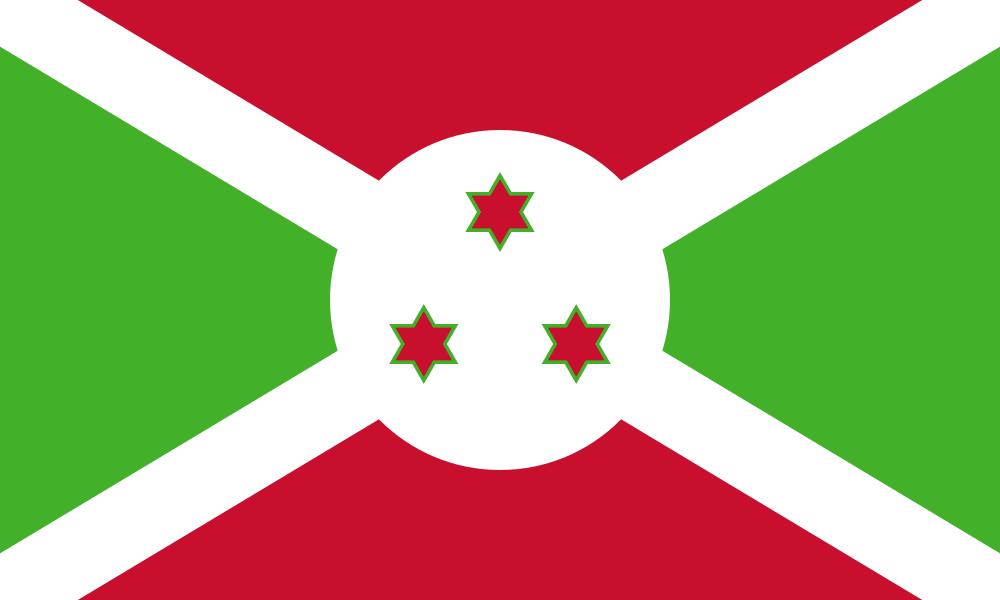
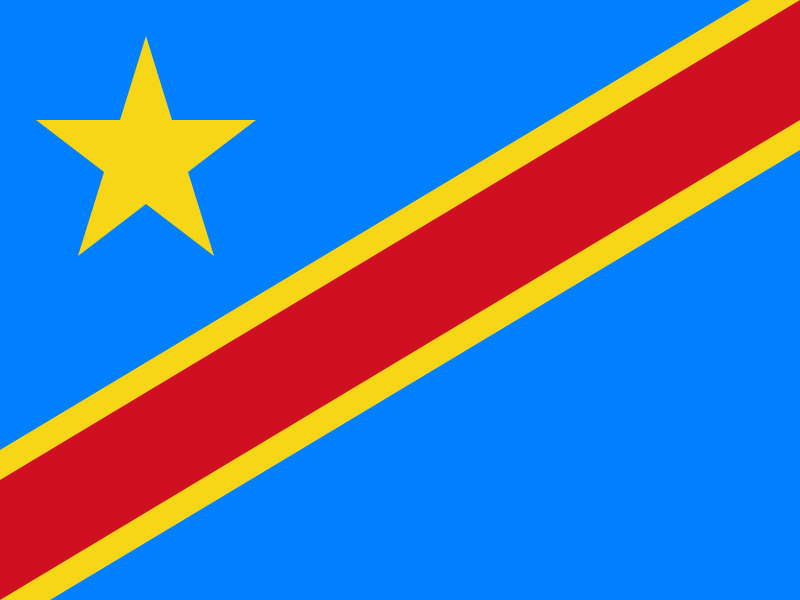
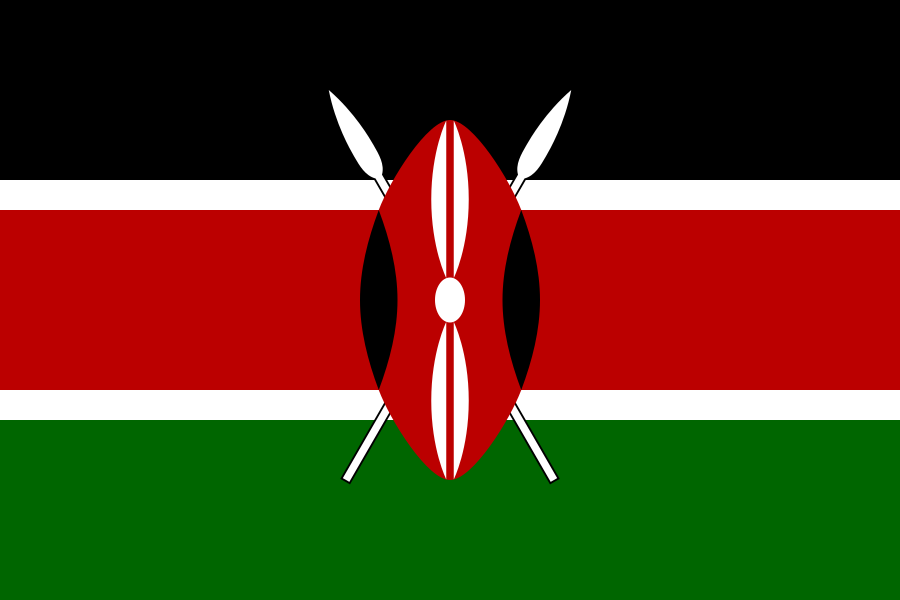
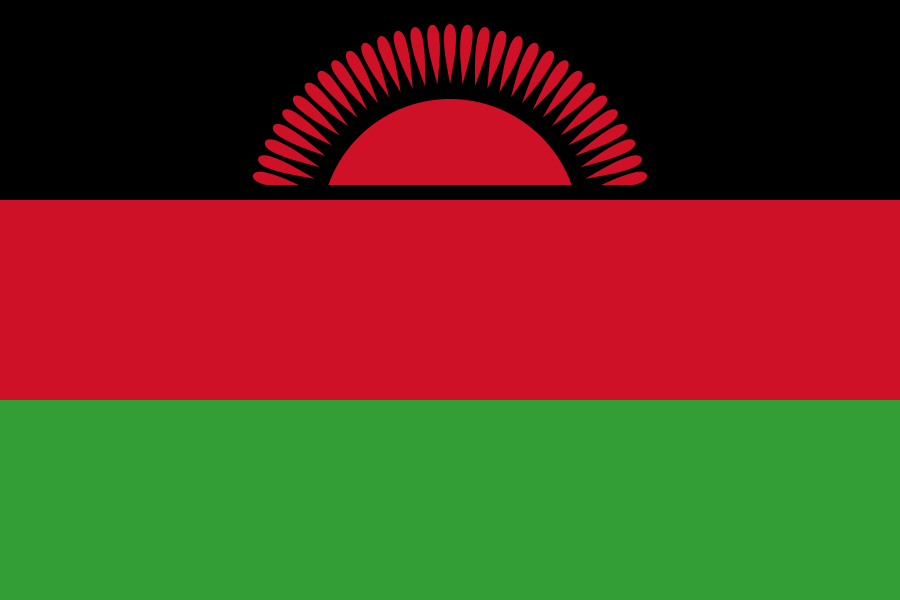
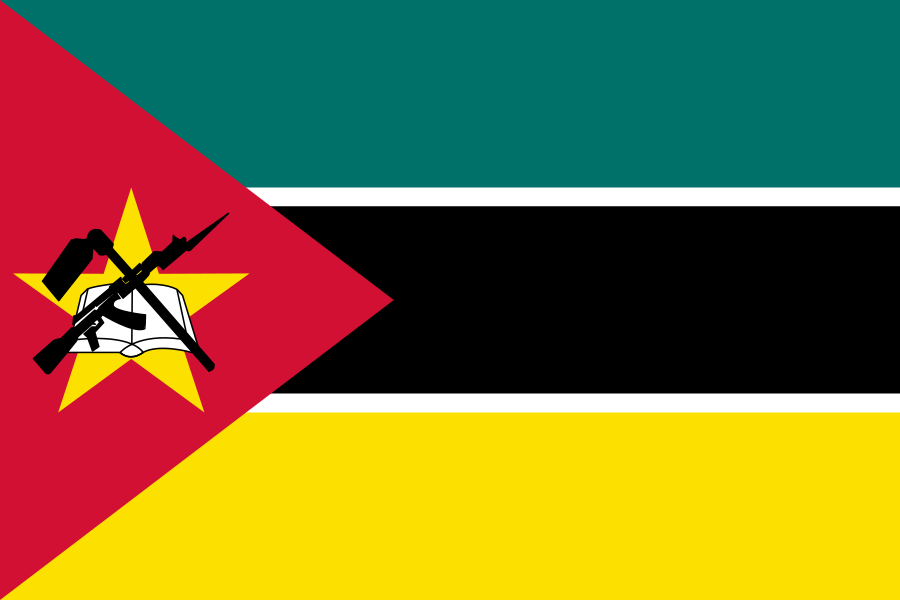
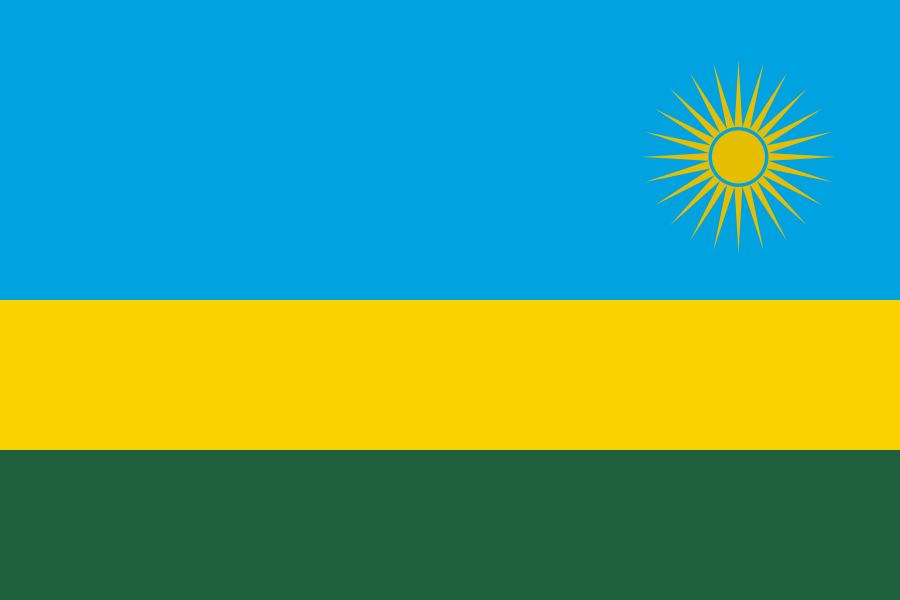
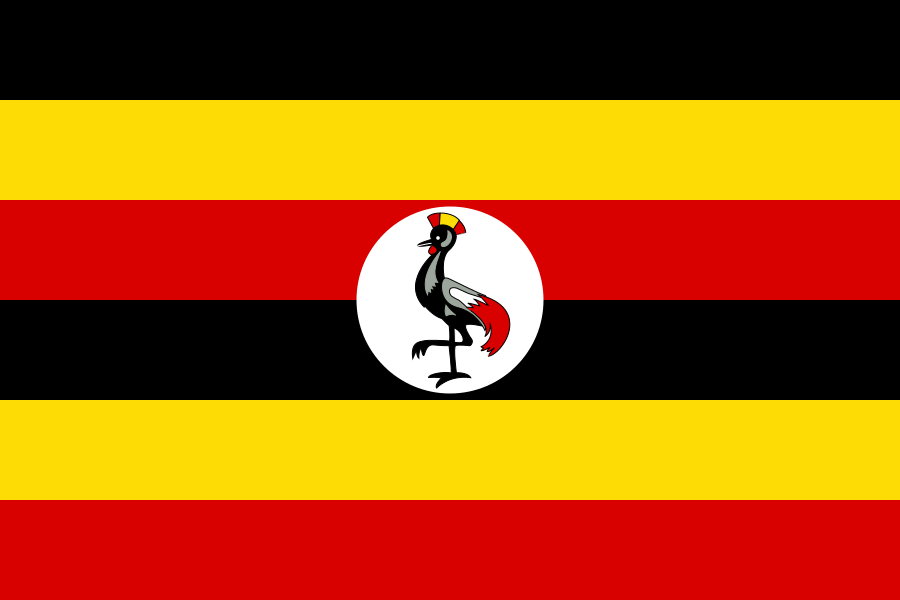
Land neighbors, approximated from simplified map outlines.
Symbols in History (1)
Coats of arms and emblems whose historic seat lies within this country’s present-day territory.
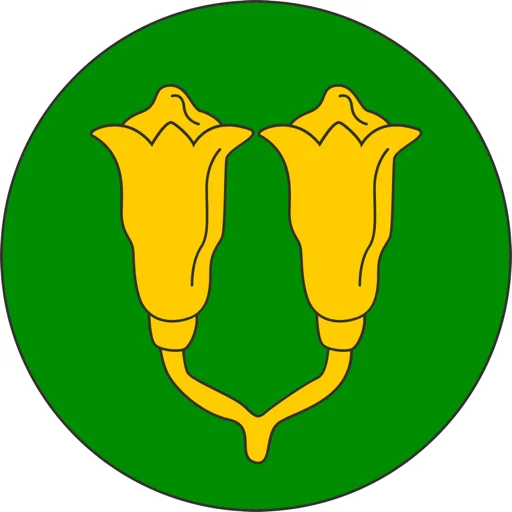
Emblem of the Sultanate of Zanzibar
OriginIn 1856 the Omani empire was divided after the death of Said bin Sultan, and Zanzibar became a sultanate of its own under the Busaidi dynasty. From the islands of Unguja and Pemba it commanded the trade of the East African coast — cloves, ivory and spices — and through the nineteenth century the archipelago was the world's leading producer of cloves. At the centre of this emblem, accordingly, stands neither a weapon nor a crown but the spice the islands lived by.
DescriptionA green disc carries two golden clove buds standing side by side, one the mirror of the other. Each is drawn in three parts: a rounded head at the very top; below it the calyx opening out like a small crown, with a sharp point in the middle and a broad piece sweeping out to either side; and under that a bell-shaped body that narrows as it goes down and ends in a short collar. From that collar the two stalks curve inward, meet at the centre and continue as a single short stem — two buds from the same plant. Green is the colour of Islam and of the clove plantations that covered the islands, gold that of the wealth the spice brought.

Data Sources
- What the flag means: The National Emblems Act, 1971 (Act No. 15 of 1971), First Schedule
- Population: Population, total (SP.POP.TOTL), latest available value
- Area: World countries in JSON, CSV, XML and YAML
- Organizations: Membership of Principal UN Organs
- Organizations: Member States