The Union Jack: How It Was Built and Who Has Tried to Drop It
The Union Jack is several flags stacked on top of each other, and it still sits in the corner of other countries' flags. Here is how it was built, and how those countries have dealt with it.
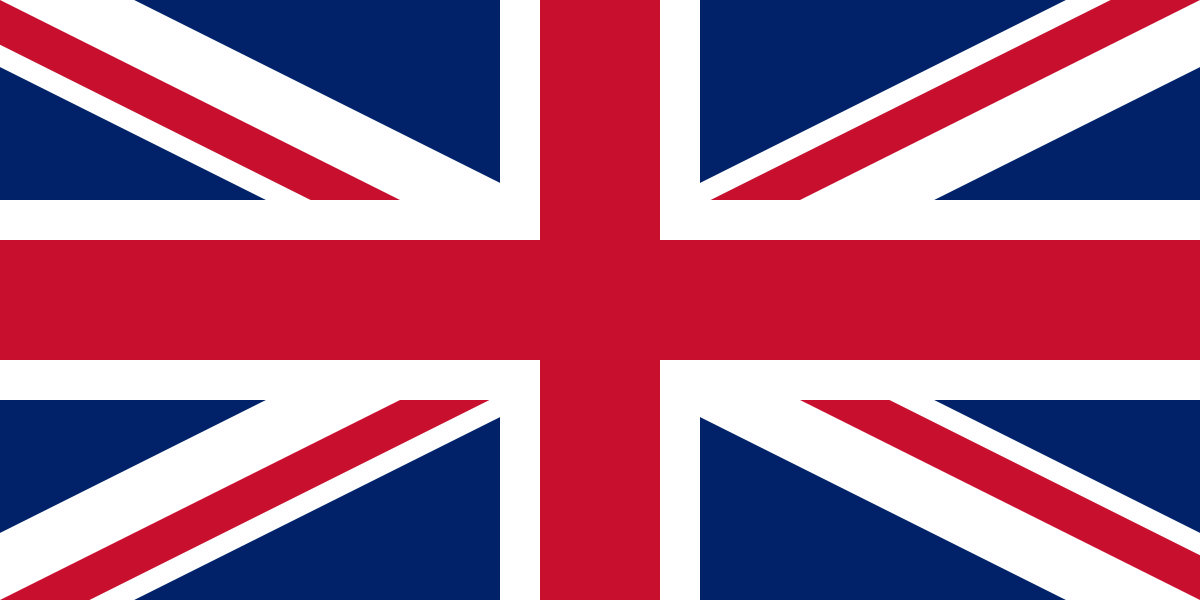
1606 and 1801
The first Union Flag was set by a proclamation of 12 April 1606. The design that went with it has not survived.[1] A proclamation by Charles I in 1634 restricted it to the Navy Royal and ships in royal service.[1]
The present design dates from 1 January 1801, when the union with Ireland took effect and St Patrick's saltire was added.[2]
On why Wales has no symbol, the Royal Household says the Principality of Wales was already united with England when the first flag was made in 1606.[3] The same site says the origin of the name "Union Jack" is uncertain, and it uses both names.[3] The government uses "Union Flag".[2] We found no basis for calling either one wrong.
Australia: a flag by competition
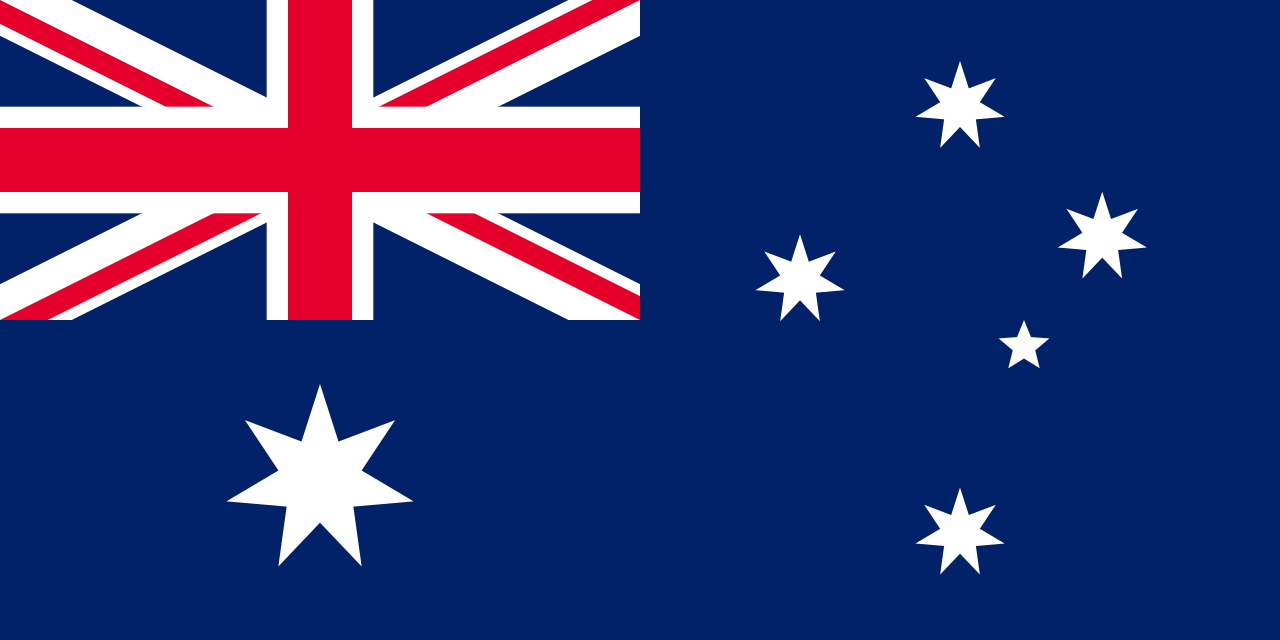
The 1901 competition drew 32,823 entries, and five people with nearly identical designs shared the prize.[4] They were Leslie Hawkins, Ivor Evans, Annie Dorrington, William Stevens and Egbert Nuttall. The flag first flew on 3 September that year over the Royal Exhibition Building in Melbourne.[5]
Its legal status came much later. Section 3 of the Flags Act 1953 declared the blue flag the Australian National Flag, and the same section allows it to be replaced only by a vote of electors in every State and Territory.[6] The version we read is the 2008 compilation.
New Zealand: two referendums
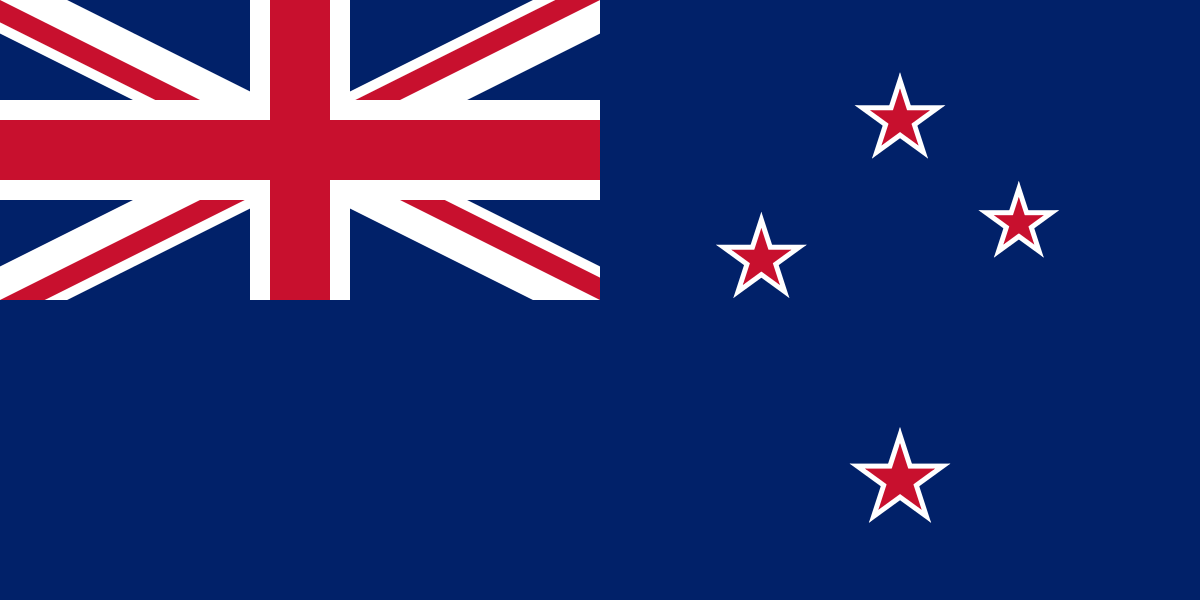
When New Zealand's flag became the national flag is more complicated than it looks. 1902 is the usual answer, but the researcher Paul Christoffel argues that the law of that year only reconfirmed an ensign in use since 1869, and that the Act of 1981 was the first to call the blue ensign the national flag.[7] Section 5 of that Act declares the New Zealand Ensign to be the New Zealand Flag.[8]
New Zealand held two referendums, in 2015 and 2016. The first asked which design voters would prefer if the flag changed, and a silver fern design came top of five options, on a turnout of 48.78%.[9] The second, in March 2016, set that design against the current flag.
| Second vote | Votes | Share |
|---|---|---|
| Current flag | 1,208,702 | 56.6% |
| Silver fern | 921,876 | 43.2% |
Turnout was 67.78%[10], and the result was declared in the Gazette on 30 March.[11] The Union Jack stayed.
Fiji and Tuvalu: attempts that didn't last
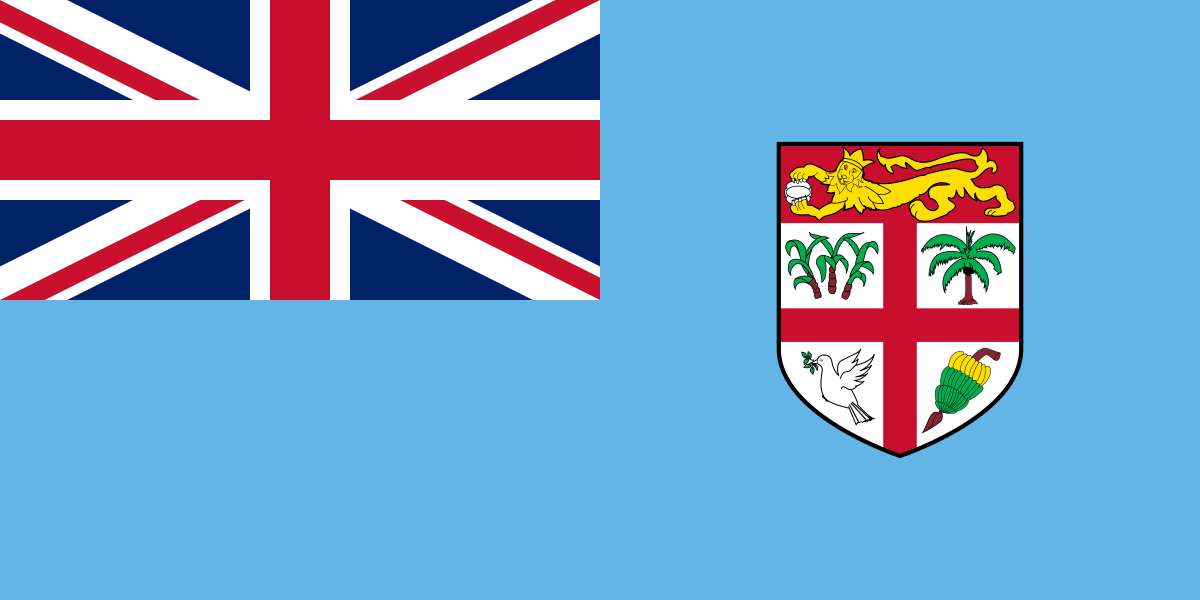
In February 2015 Fiji's Prime Minister Frank Bainimarama said the Union Jack and colonial symbols would go.[12] More than 1,400 entries were cut to 23, but the timetable slipped[13], and in August 2016 he said the flag wouldn't change for the foreseeable future. He cited the national mood after the rugby sevens Olympic gold and the cost of recovery from Cyclone Winston.[14]
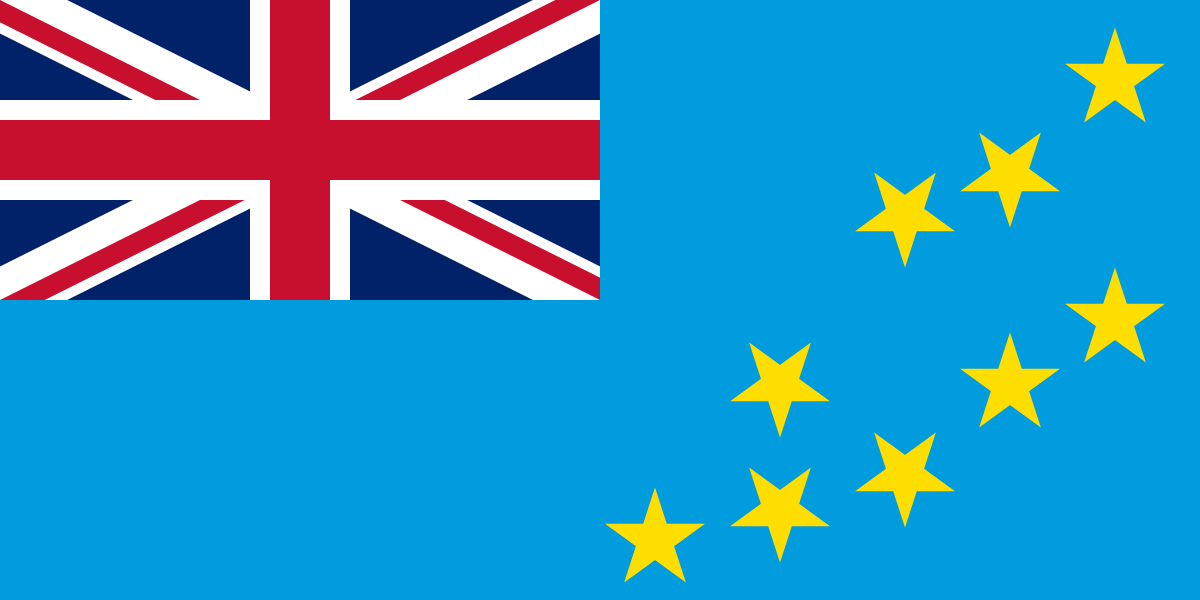
Tuvalu actually did change. The design described in its National Flag Act 1995 has no Union Jack.[15] Yet today's Tuvaluan flag has one again. We couldn't confirm how that reversal happened from a primary source, so we leave it there.
No single reason it remains
Attempts to leave the Union Jack behind haven't come easily. New Zealand stopped at the ballot box, Fiji by a government decision, and Australia has written a high bar into law.
Sources
- History of the Union Flag
- Union Flag flying guidance
- Union Jack
- On this day: Australia's national flag gazetted
- Red, White and Blue: The Australian Flag
- Flags Act 1953 (compilation of 2008)
- We are not changing it: A Reassessment of the History of the Flag (Paul Christoffel)
- Flags, Emblems, and Names Protection Act 1981
- Official result of the first referendum on the NZ flag
- Official result of the second referendum on the flag
- Declaration of Result of Second Flag Referendum
- Fiji to remove Union Jack from flag
- Fiji flag change process delayed
- Fiji PM says flag won't be changed
- Tuvalu National Flag Act 1995
Read next
- Telling Look-Alike Flags Apart
How to tell apart twelve groups of confusable flags, from Nordic crosses and Pan-Arab colors to vertical tricolors, one difference at a time.
- Some Countries That Have Changed Their Flags Since 2000
Georgia, Iraq, Myanmar, Libya, Mauritania, Kyrgyzstan and Syria: dates, procedures and new designs for flags revised since 2000, from laws and reports.
This page was drafted with AI (Claude). Its facts were checked against the sources listed below, and the site owner read it before publication. Found a mistake? Please write to us and include a source: Contact