Were the Pan-Slavic Colors Really Set in Prague in 1848?
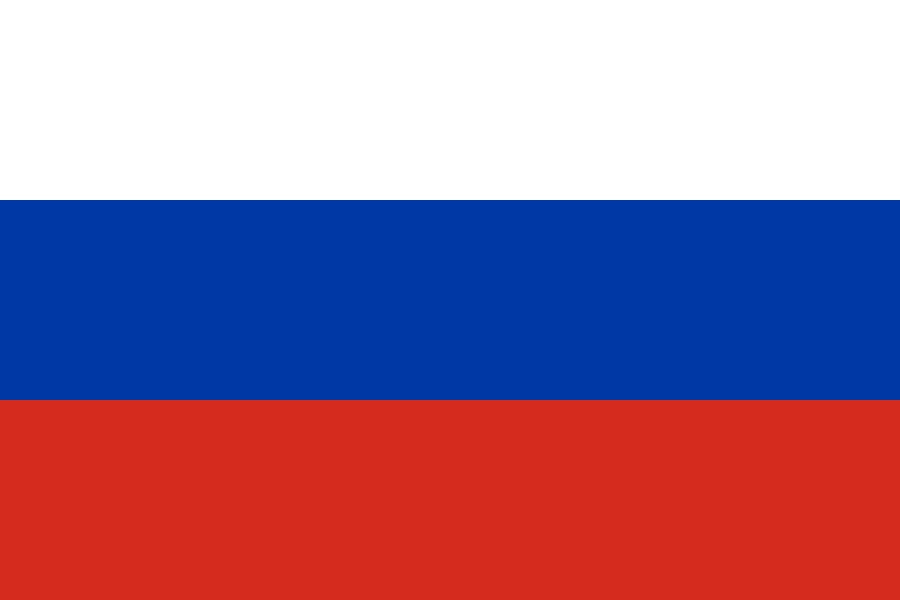
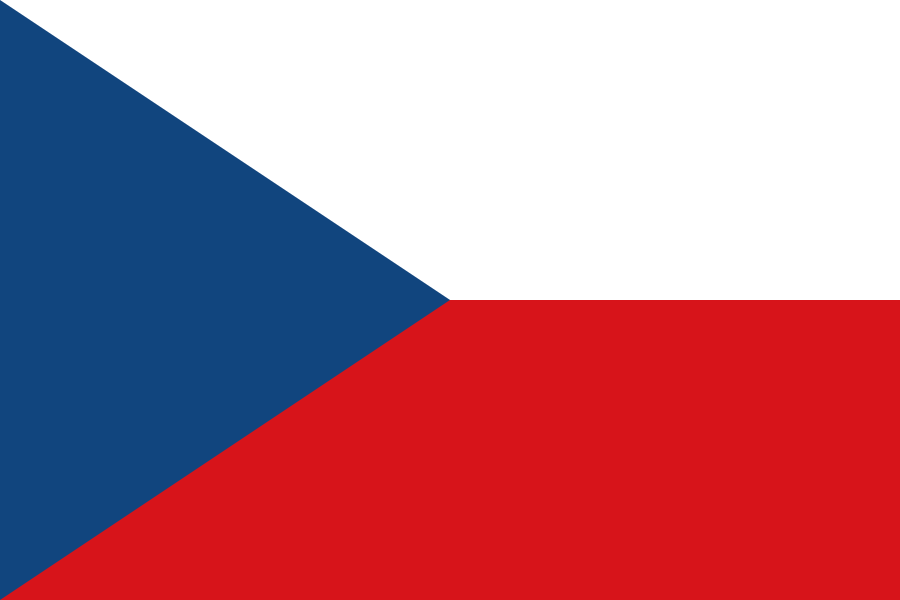
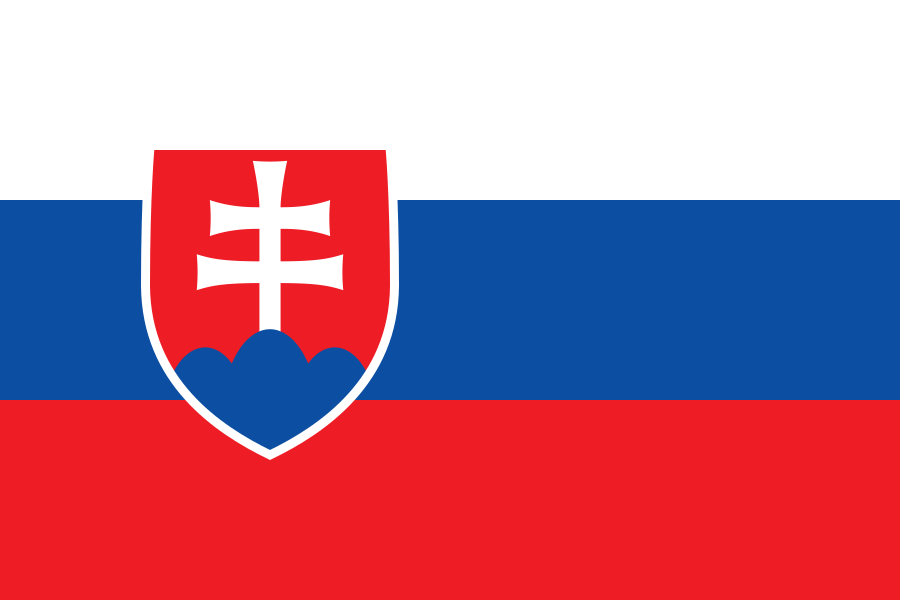
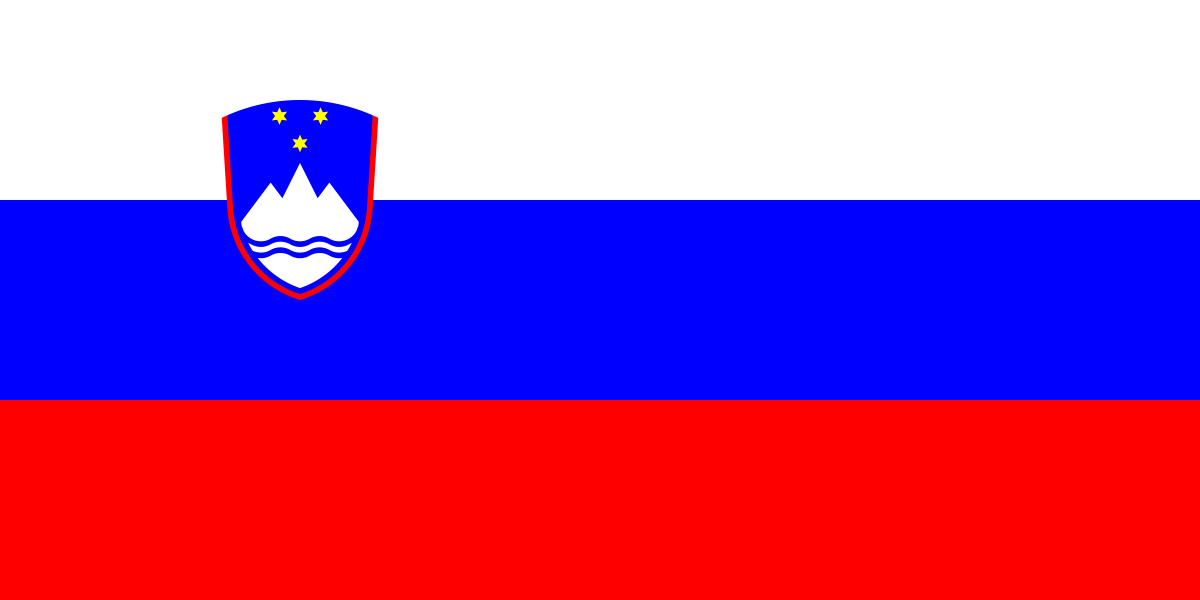
The flags of Russia, Serbia, Slovakia, Slovenia, Croatia and Czechia all use white, blue and red. The usual explanation is that the Prague Slavic Congress of 1848 adopted the colors of the Russian flag as the colors of the Slavic peoples. Check that sentence piece by piece, and it stands on thinner ground than you'd expect.
No record that the congress chose a flag
The Czech flag researcher Aleš Brožek went through the newspapers of the time and the printed congress records. He concluded that they don't confirm the common claim that the congress proposed or adopted a Slavic flag.[1]
What he did find is more modest.[1]
- Pan-Slavic flags were already in use before the congress and came to it alongside other Slavic flags.
- On 3 June 1848, one section rather than the whole congress accepted Hanuš Kolovrat's suggestion to put blue in the center of tricolors, because the order of the colors had never been officially set.
- The order really was unsettled. On 30 May a Polish delegate described a flag of Croatia and Moravia as blue, white and red.
The congress opened on 2 June and was cut short by the Prague uprising on 12 June.[1] There wasn't much time for formal decisions about flags.
Did it come from Russia?
According to Russia's Central Naval Museum, Peter I ordered merchant ships to fly a white, blue and red flag on 20 January 1705 (Old Style), and drew the pattern himself. The museum also holds a tricolor it says he raised on a yacht in 1693.[2] So the Russian tricolor clearly predates pan-Slavism.
But we found no primary or scholarly source proving that the pan-Slavic colors came from it. In April 1848 in Prague, F. C. Kampelík proposed adding blue to the Bohemian white and red, and the example he cited was France's tricolor, not Russia's.[1]
Flag by flag
Here is what we found linking each flag to the pan-Slavic idea.
| Flag | Recorded basis | Pan-Slavic link |
|---|---|---|
| Czechia | Blue added in 1919, citing the Slavic tricolor[3] | Documented |
| Slovakia | Reported as created by the Štúr circle in 1848[4] | No clear record |
| Slovenia | Government traces it to the arms of Carniola[5] | Disputed |
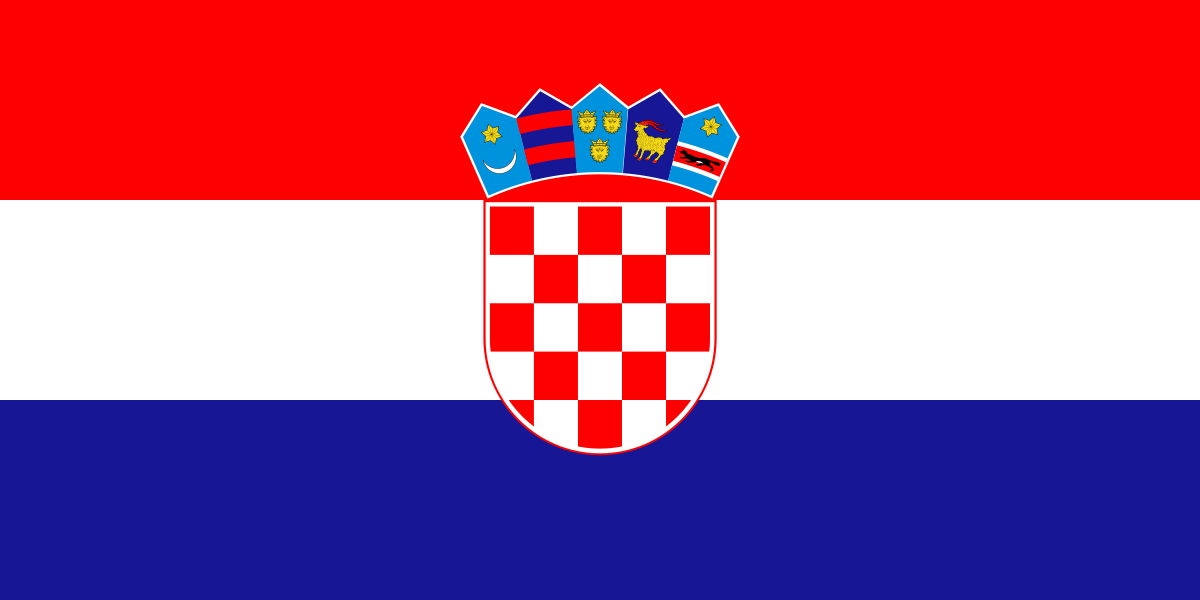
| Croatia | Parliament ties it to Jelačić's 1848 inauguration[6] | None found |
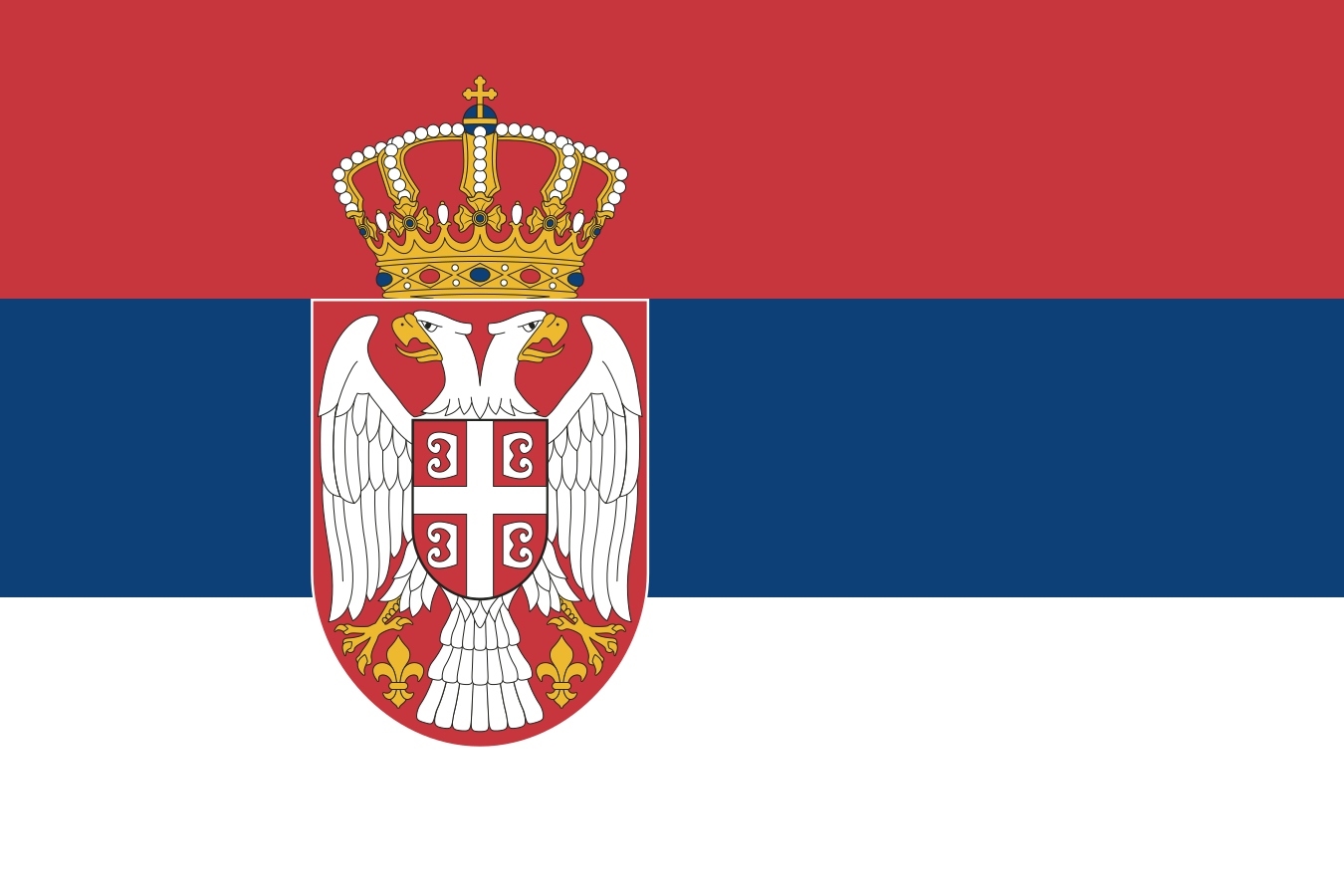
| Serbia | Government account gives no origin[7] | None found |
| Bulgaria | Uses green rather than blue[8] | Not applicable |
Czechia is the clearest case. On 3 June 1919 the Arms Committee decided to add blue for two stated reasons: white and red alone would be confused with Poland and Austria, and blue, white and red was the so-called Slavonic tricolor.[3] A law of 30 March 1920 confirmed the flag[3], and today's Czech flag is set out in the same form in a law of 1993.[9] The popular story of a contest won by the artist Jaroslav Jareš isn't supported by the archives. The design was submitted by Jaroslav Kursa.[3]
Slovenia is where the official account and research collide. The government traces the colors of the flag Lovro Toman first raised in Ljubljana on 7 April 1848 to the arms of Carniola.[5] The researcher Aleksander Hribovšek questions that, arguing the arms used yellow rather than white since the Middle Ages, though he doesn't prove a pan-Slavic link either.[10]
Serbia's first official flag dates from 1835, before the Prague congress.[11] Bulgaria uses green, so it was never part of this set, and the deputy director of the National Museum of Military History says most researchers see the Braila flag of 1876 as the prototype of its design.[12]
In short
White, blue and red really were used as Slavic colors by the mid-19th century. But the record doesn't support the idea that one congress decided it, or that everything came from Russia. The real histories ran separately, country by country.
Sources
- A Vexillological View of 1848: the Year of the Revolution in the Lands of the Bohemian Crown (Aleš Brožek)
- Contribution to the development of the Czechoslovak state flag (Aleš Brožek)
- 35 years ago the Slovak National Council adopted the law on state symbols
- Slovenian Flag Day
- Parliament declares 5 June Croatian Flag Day
- National symbols
- Constitution of Bulgaria, Article 166
- Zákon č. 3/1993 Sb., o státních symbolech České republiky
- Historical errors behind the creation of the national flag of Slovenia in 1848 (Aleksander Hribovšek)
- Od Prvog srpskog ustanka do danas: kako se menjala srpska zastava
- National Museum of Military History Deputy Director Kostova: Braila Flag Underpins Bulgaria's Tricolour
Read next
- Telling Look-Alike Flags Apart
How to tell apart twelve groups of confusable flags, from Nordic crosses and Pan-Arab colors to vertical tricolors, one difference at a time.
- We Counted the Pixels in 193 National Flags
We measured the flags of all 193 UN members pixel by pixel: the most common colors, the colors that cover the most area, and the flags with the most colors.
This page was drafted with AI (Claude). Its facts were checked against the sources listed below, and the site owner read it before publication. Found a mistake? Please write to us and include a source: Contact