Flag of Türkiye
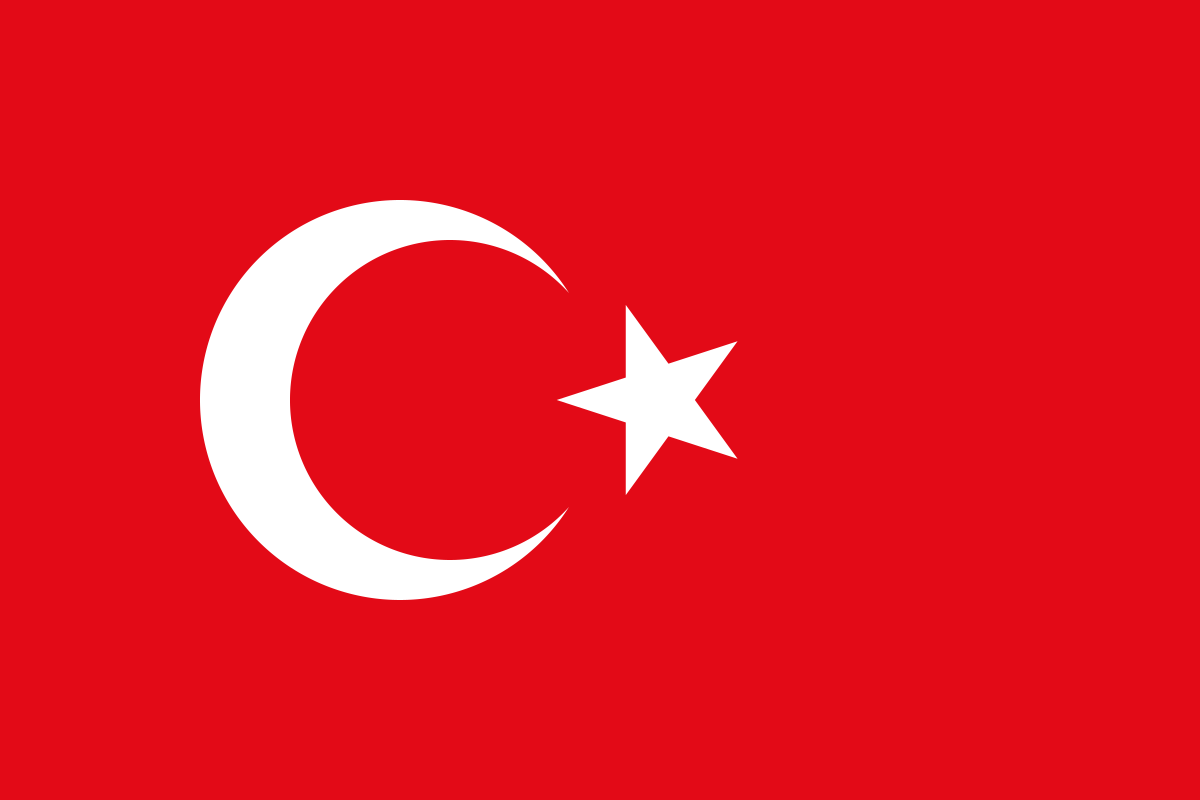
What the flag means
- Red field — the Ottoman heritage
- Crescent and star — Islam and the nation
Design set by: Türkiye Cumhuriyeti Anayasası, madde 3 · Türk Bayrağı Kanunu, Kanun No. 2893 (22.09.1983, RG 24.09.1983 sayı 18171) · Adopted 1983
Highlights
- 🕌 Istanbul, where East meets West
- 🎈 Cappadocia's hot-air balloons
- ☕ Turkish coffee and sweets
- 🏛️ A crossroads of ancient worlds
- 🛁 Traditional hammam culture
Quick facts
- Region
- Asia · Western Asia
- Population
- 85,878,556 people (2025)
- Area
- 783,562 km²
- Capital
- Ankara
- Languages
- Turkish, Kurdish
- Currency
- Turkish lira (TRY)
- Organizations
- United Nations, NATO, OECD
Similar flags
Star & crescent
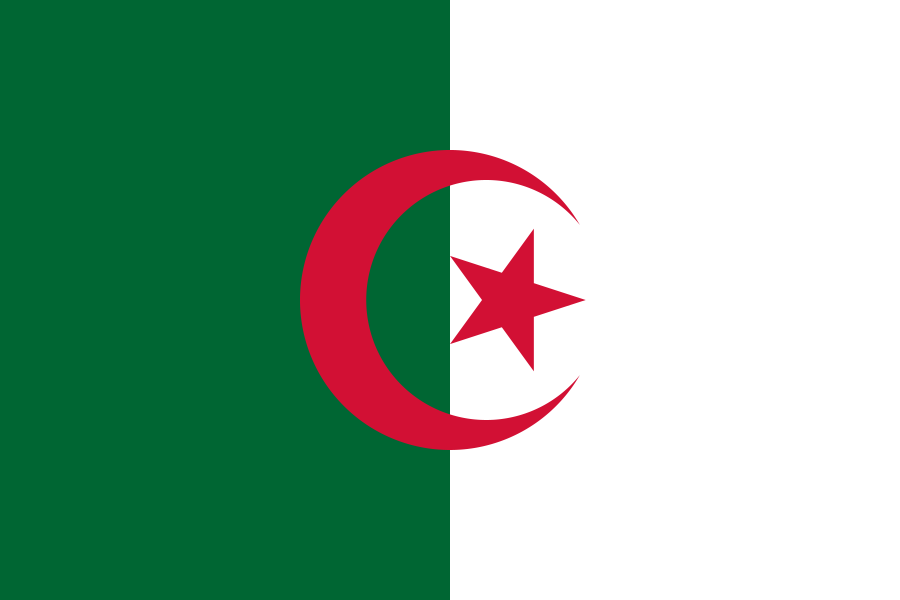
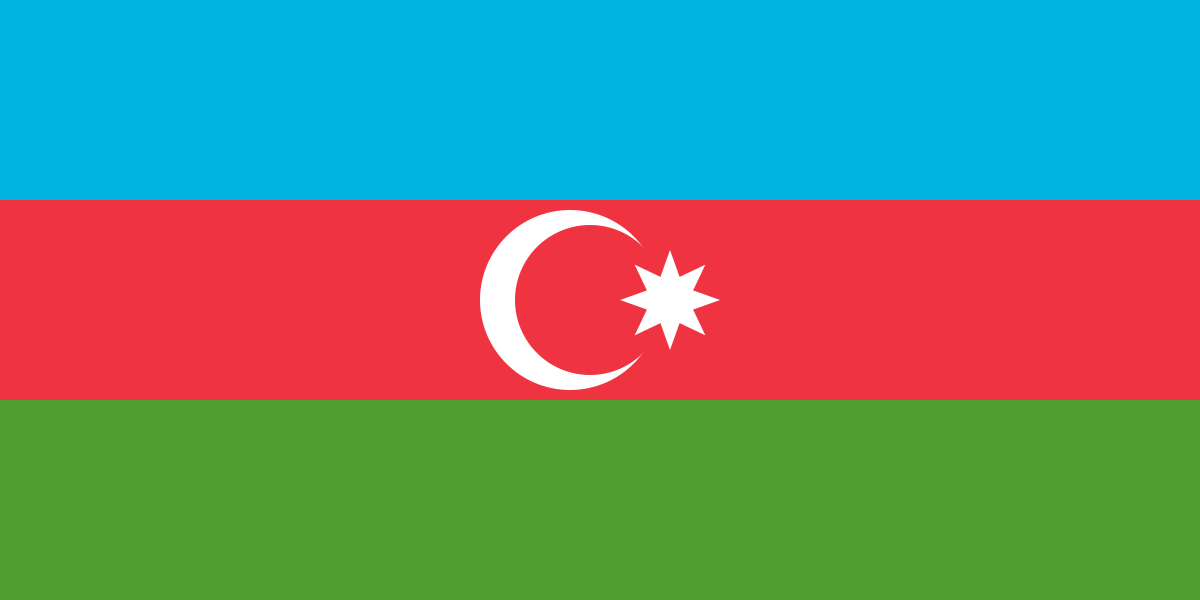
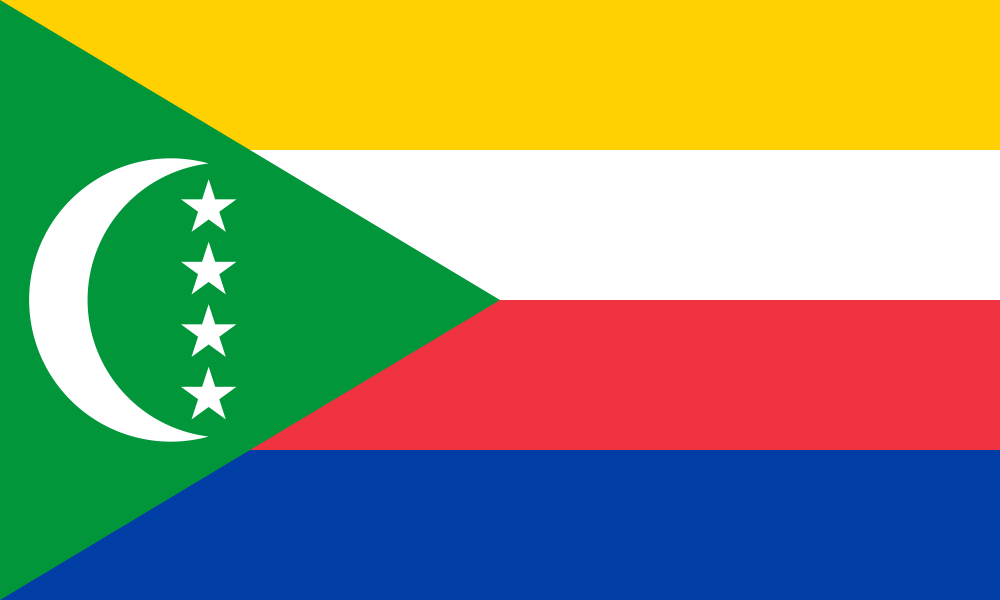
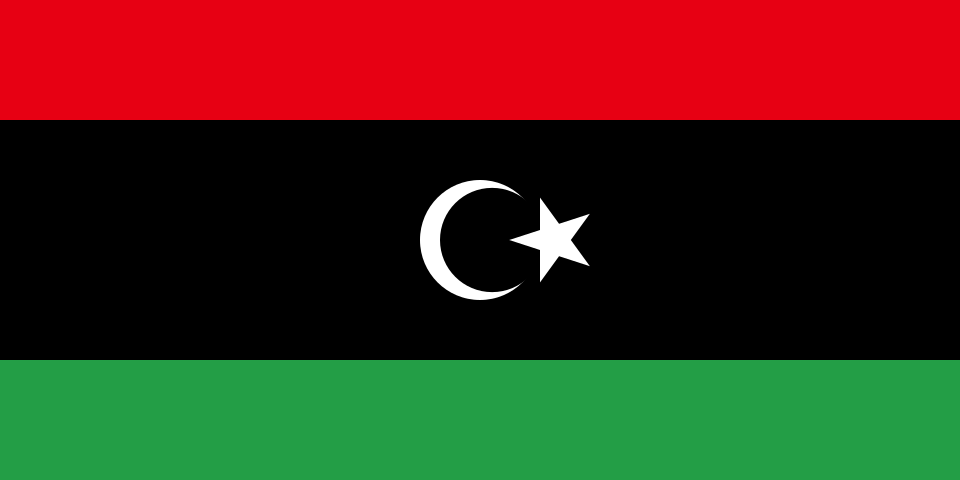
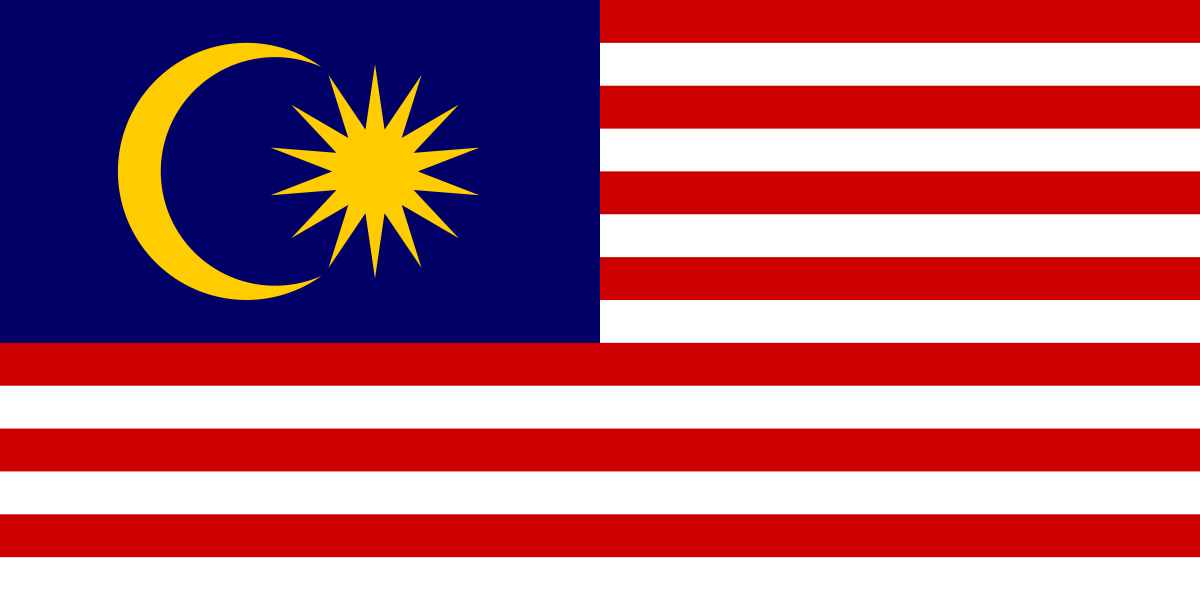
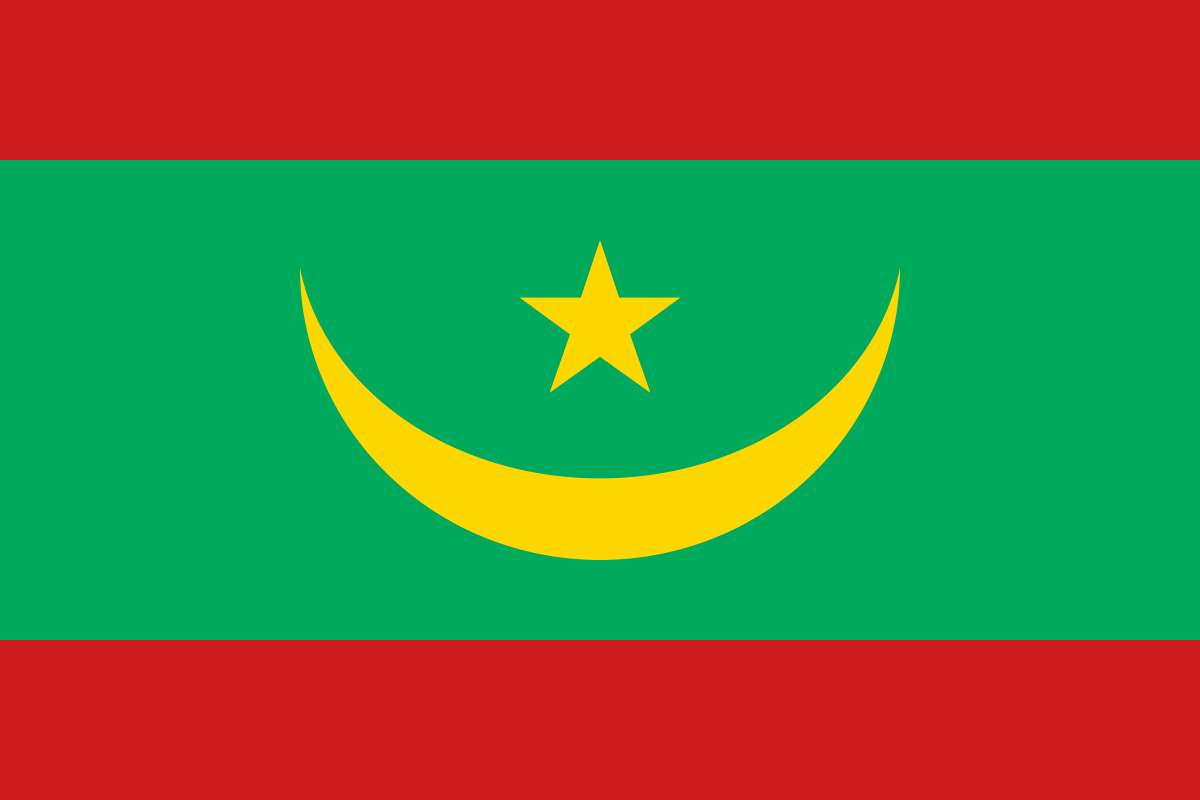
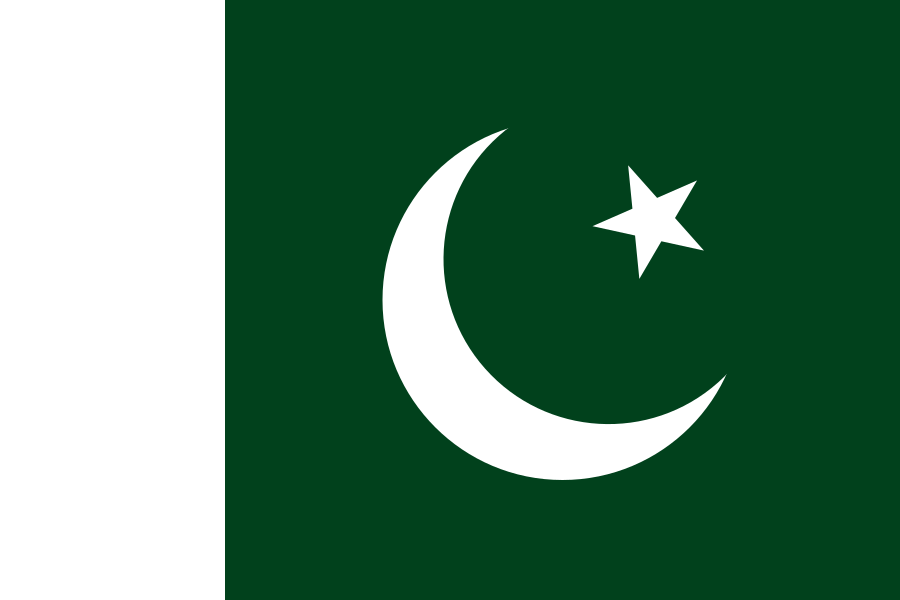
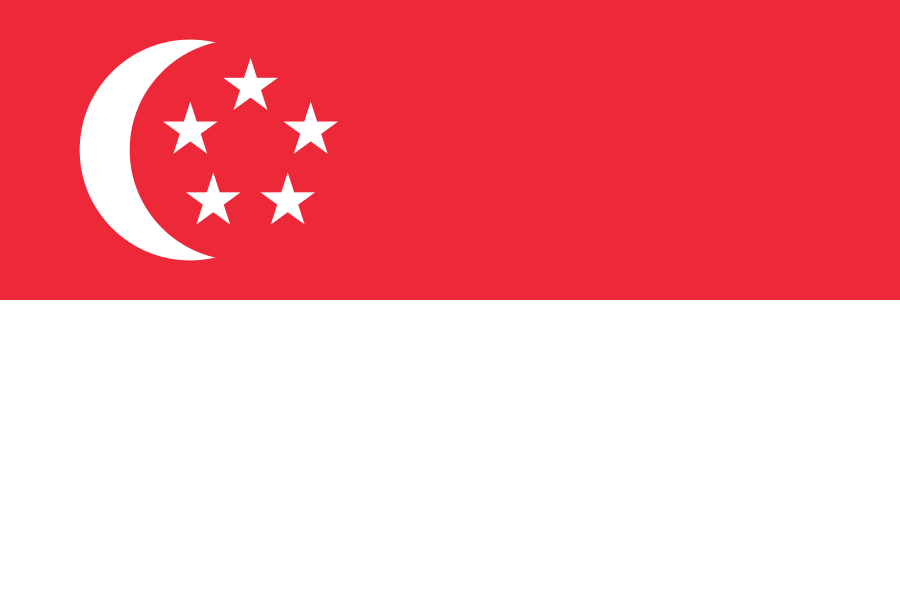
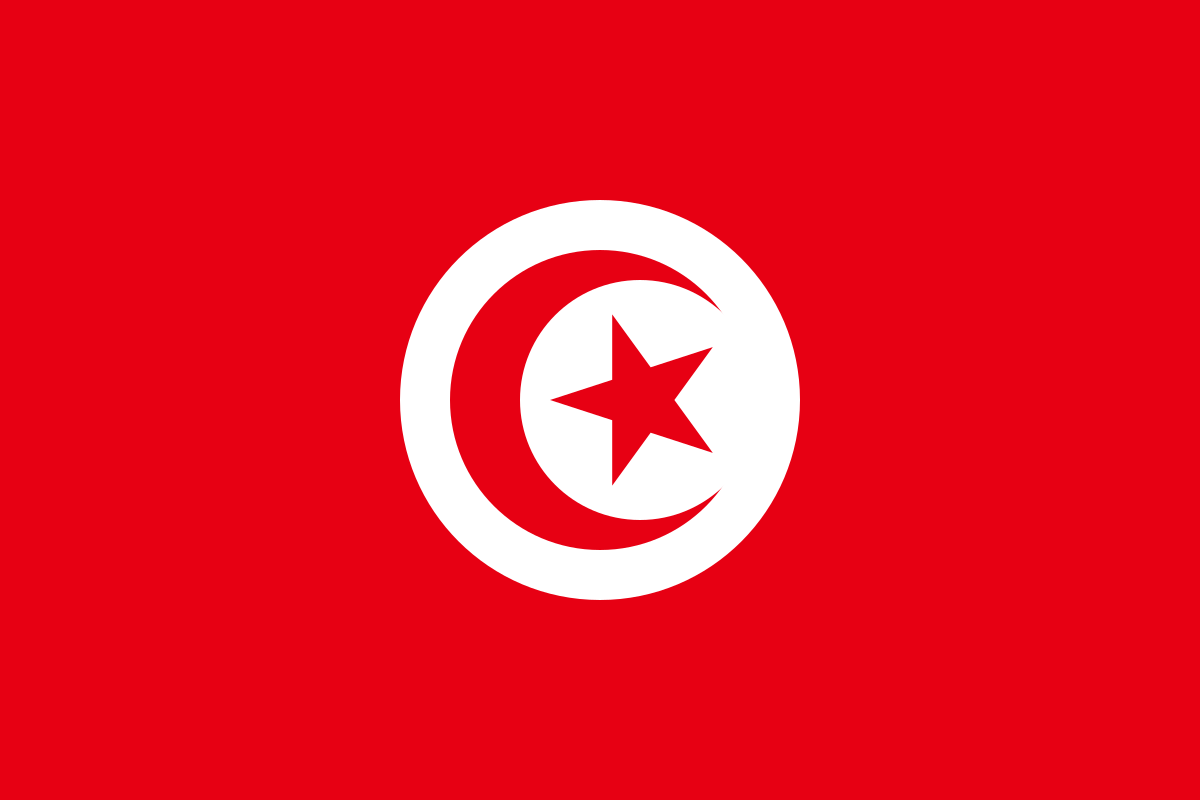
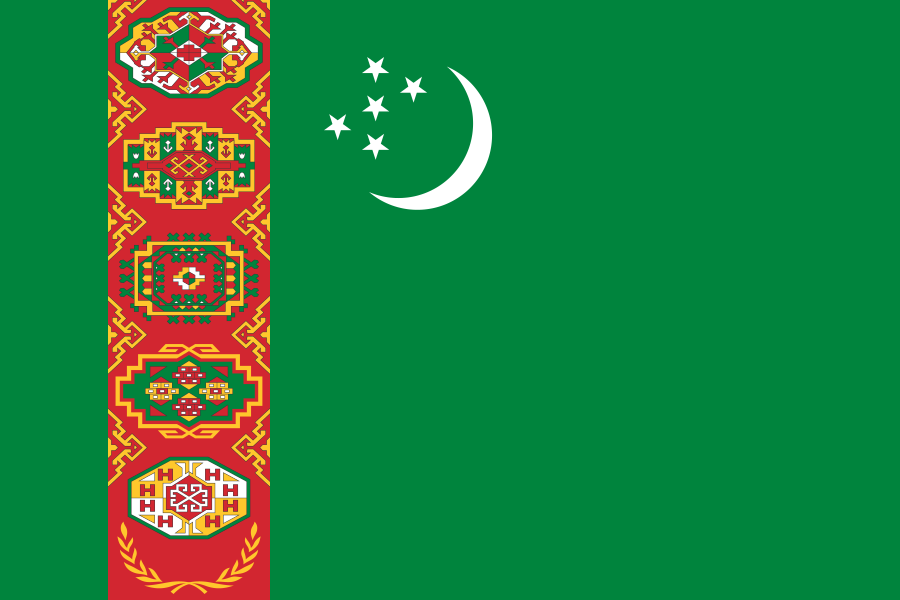
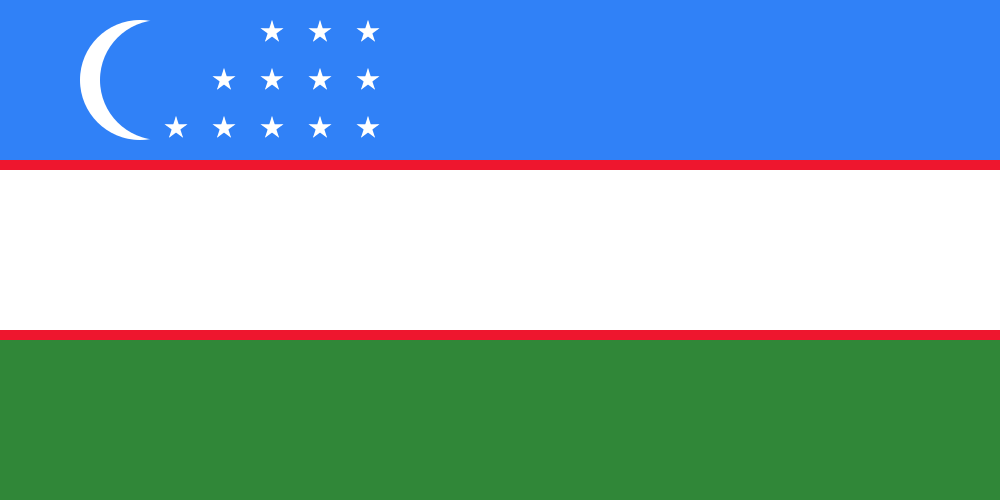
Neighboring countries
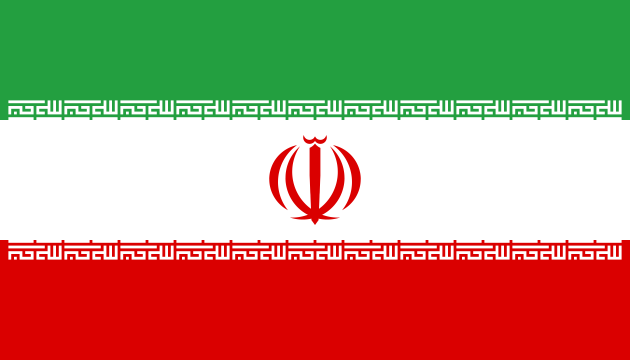
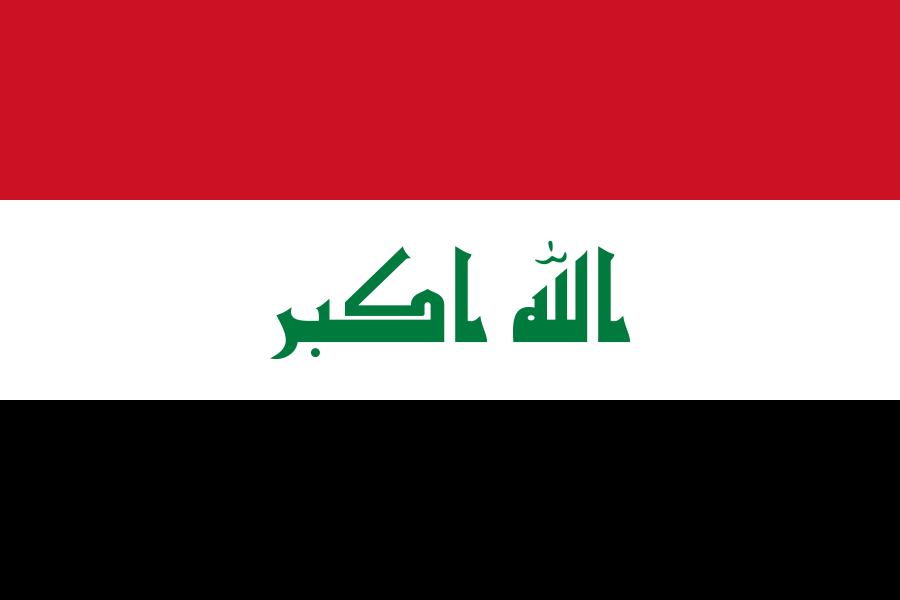
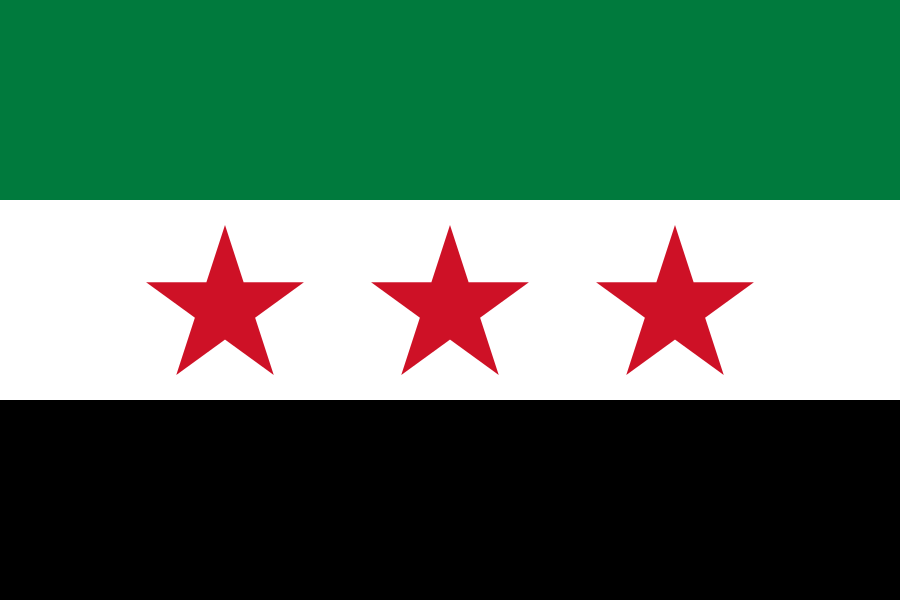
Land neighbors, approximated from simplified map outlines.
Symbols in History (2)
Coats of arms and emblems whose historic seat lies within this country’s present-day territory.
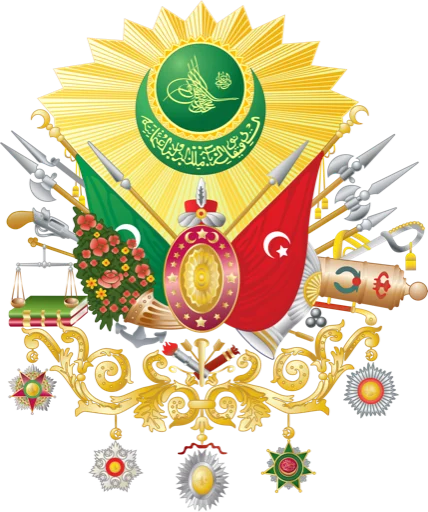
Arms of the Ottoman Empire, later nineteenth-century version
OriginCombining a tughra, weapons, orders and flags, the arms of the Ottoman Empire are a state emblem of the later nineteenth century.
DescriptionAt the centre of spreading gold rays sit a green disc and a crescent, and over them are the tughra, the sultan's signature form, and gold Arabic writing. Below, a green flag and a red flag bearing a white crescent and star cross each other, and spears, halberds, cannon, guns, swords and scales, stacked books, a bunch of flowers and an anchor crowd densely around; beneath a red oval ornament topped with a white turban, several orders hang from gold vine patterns.
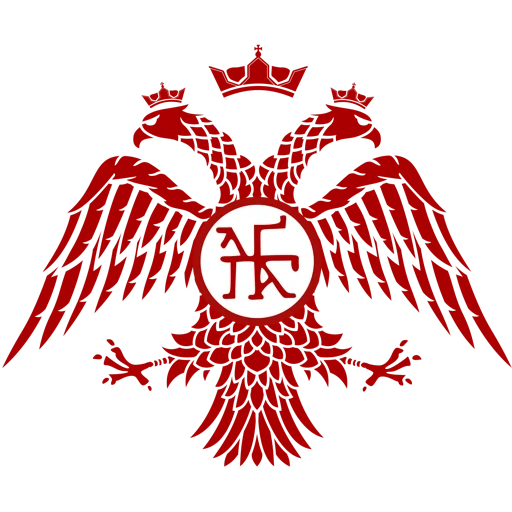
The Double-Headed Eagle Emblem of the Palaiologos Dynasty
OriginThe crowned red double-headed eagle with the round monogram on its breast is a late Byzantine emblem of the Palaiologos period. It was not one fixed official coat of arms in the way a modern state has one, and there are several theories about how the monogram on the breast should be read.
DescriptionA deep red double-headed eagle is drawn with both wings spread, each of the two heads wearing a crown, and above and between them sits one more large crown topped by a cross. On its breast, inside a round border, is a monogram woven from interlaced lines, and both feet are empty claws holding nothing. An emblem with a gold cross and four B-shaped firesteels on a red field was also used in the same period, but that is a different design from the one in this image.


Data Sources
- What the flag means: Türkiye Cumhuriyeti Anayasası, madde 3 · Türk Bayrağı Kanunu, Kanun No. 2893 (22.09.1983, RG 24.09.1983 sayı 18171)
- Population: Population, total (SP.POP.TOTL), latest available value
- Area: World countries in JSON, CSV, XML and YAML
- Organizations: Membership of Principal UN Organs
- Organizations: What is NATO? Member countries
- Organizations: Members and partners