Flag of Argentina
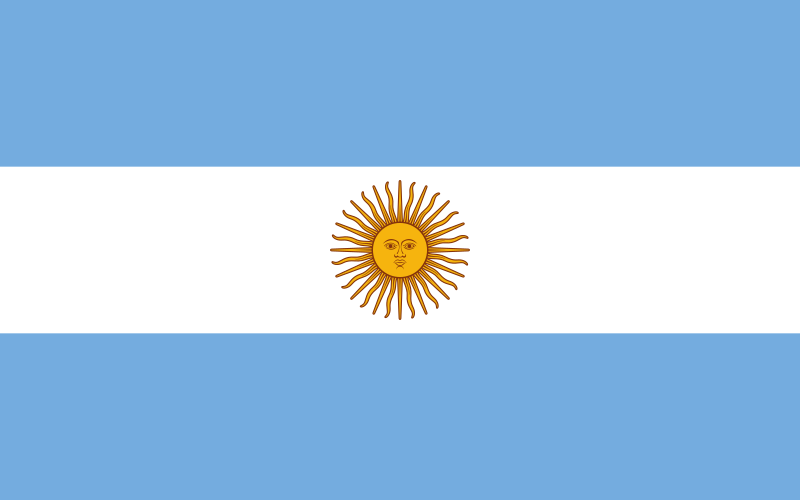
What the flag means
- Sky blue and white — the colors of independence
- Sun of May — the Inca sun god and the dawn of independence
Design set by: Decreto N° 10.302/1944, Art. 2º · Adopted 1944
Highlights
- ⚽ Messi and a passion for soccer
- 🥩 World-famous beef and asado
- 🏔️ Majestic Patagonian nature
- 💃 Birthplace of the fiery tango
- 🍷 Famed for its Malbec wine
Quick facts
- Region
- Americas · South America
- Population
- 45,851,378 people (2025)
- Area
- 2,780,400 km²
- Capital
- Buenos Aires
- Languages
- Spanish, Quechua
- Currency
- Argentine peso (ARS)
- Organizations
- United Nations
Similar flags
Blue & white
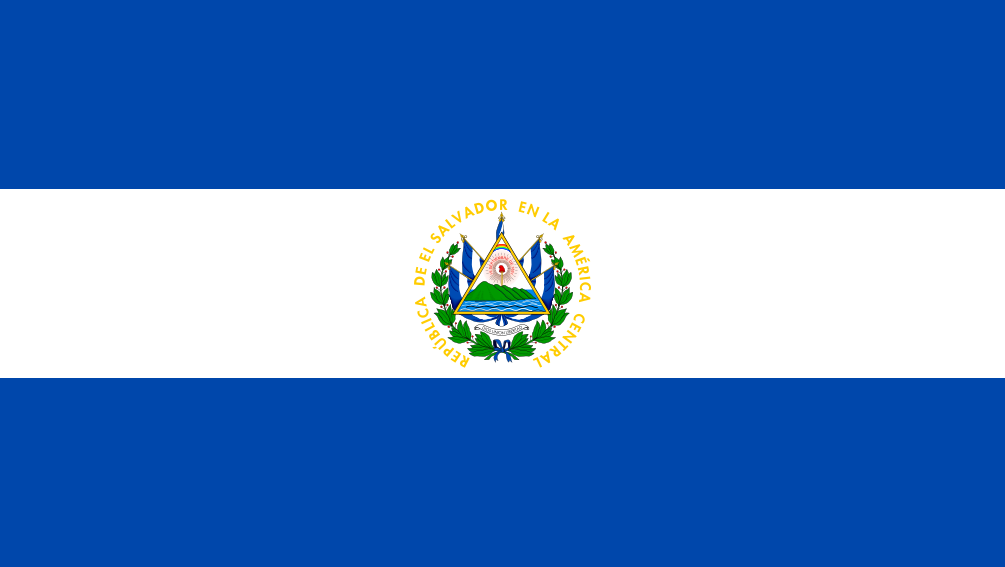
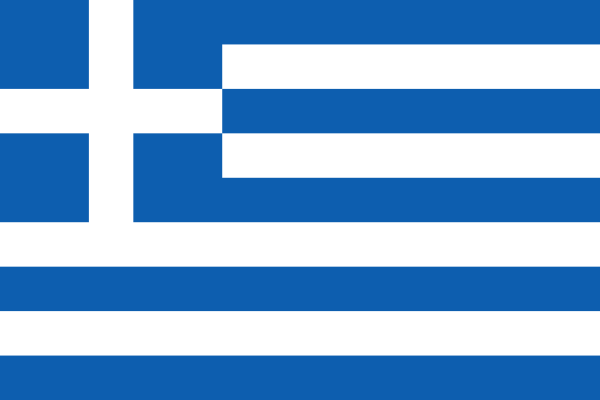
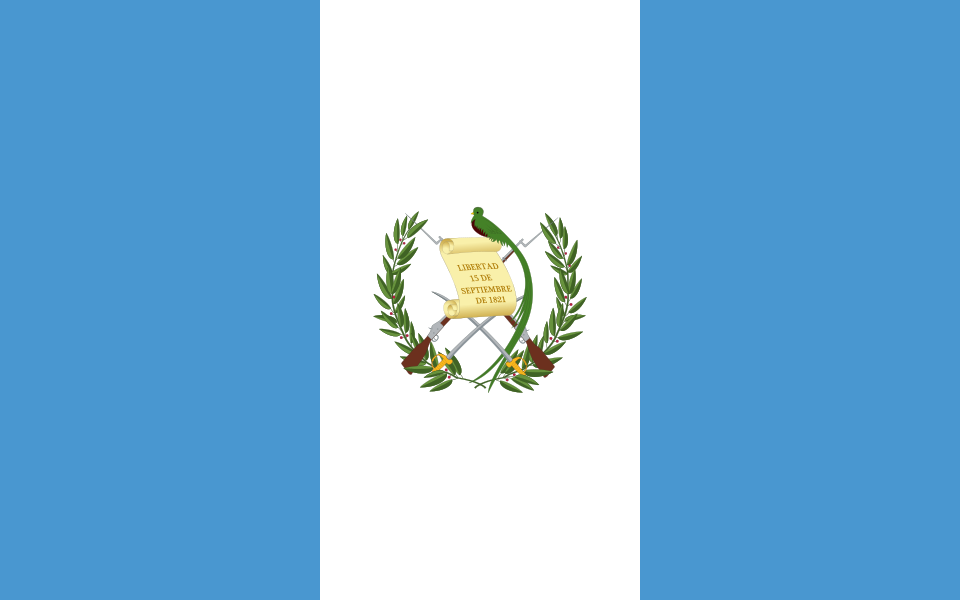
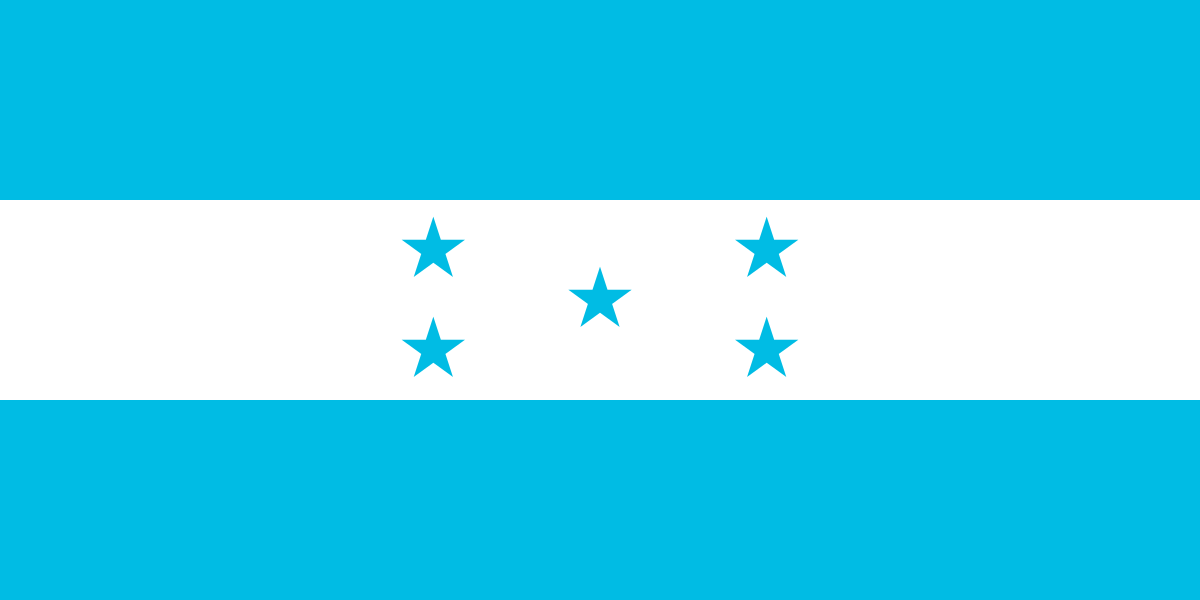
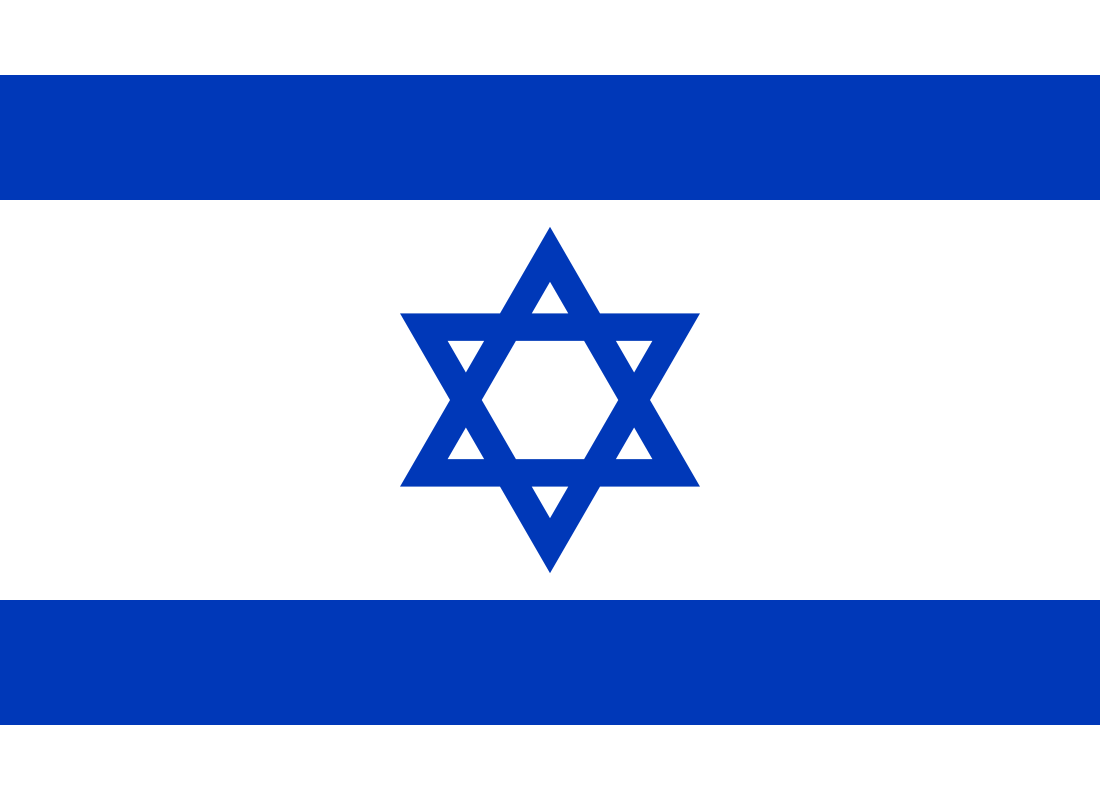
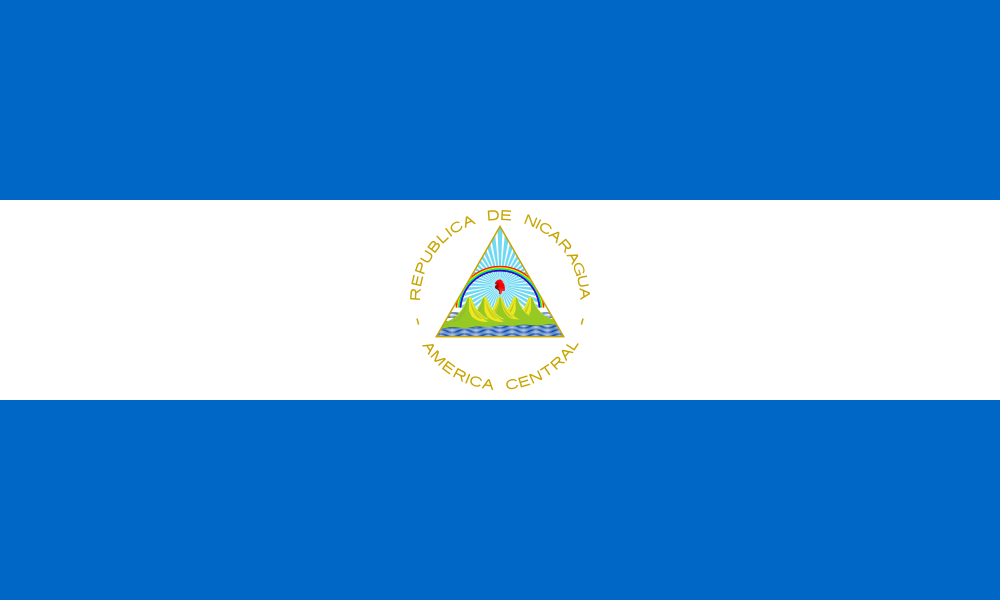
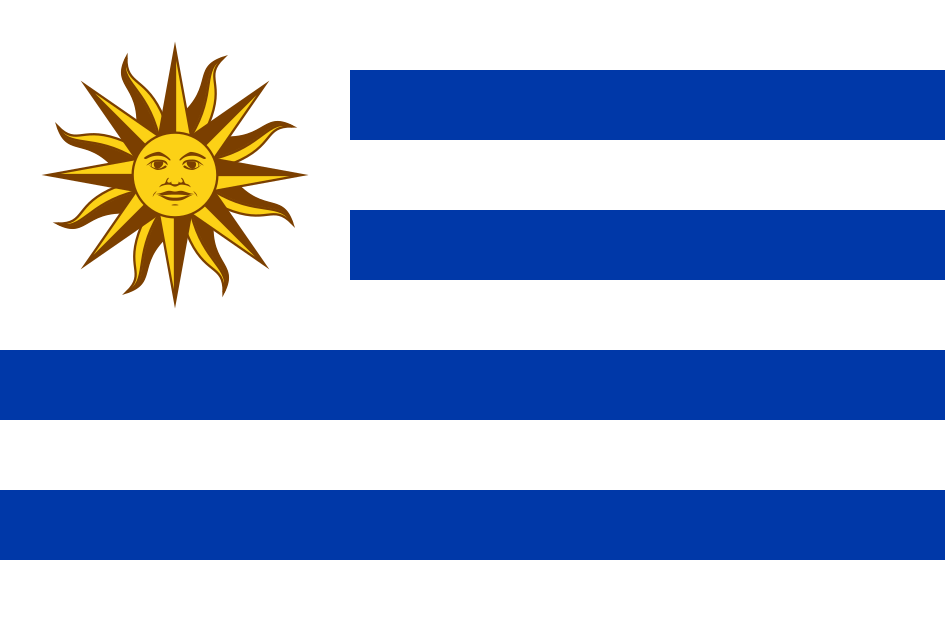
Neighboring countries
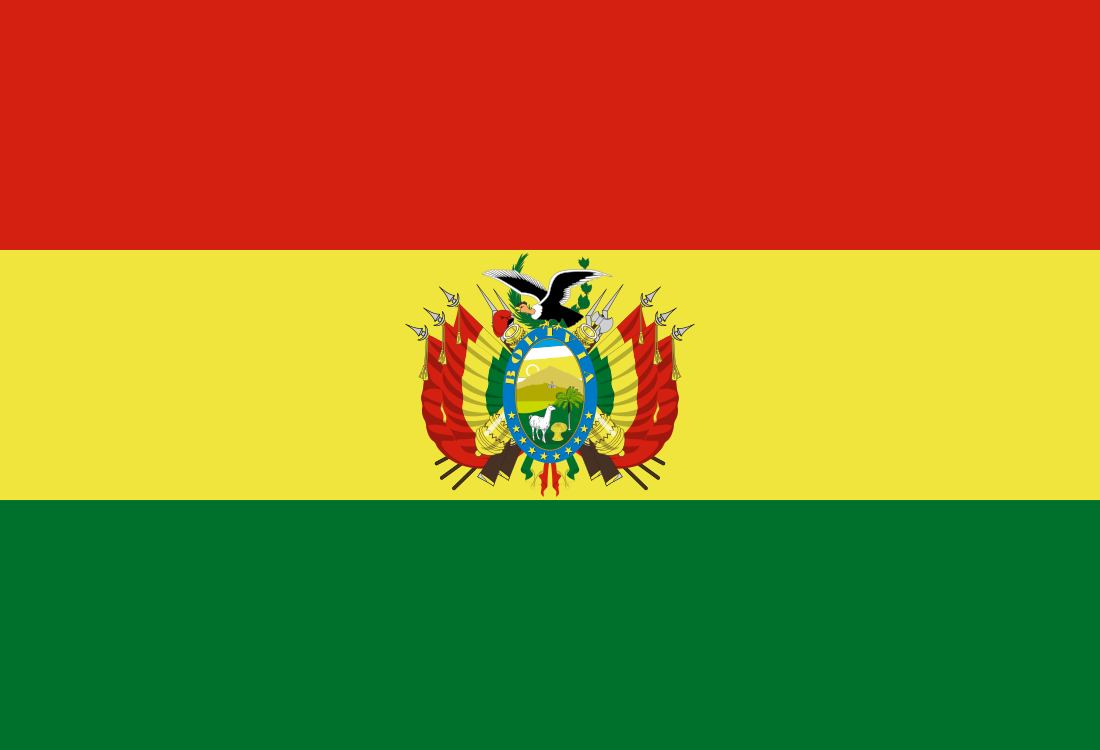
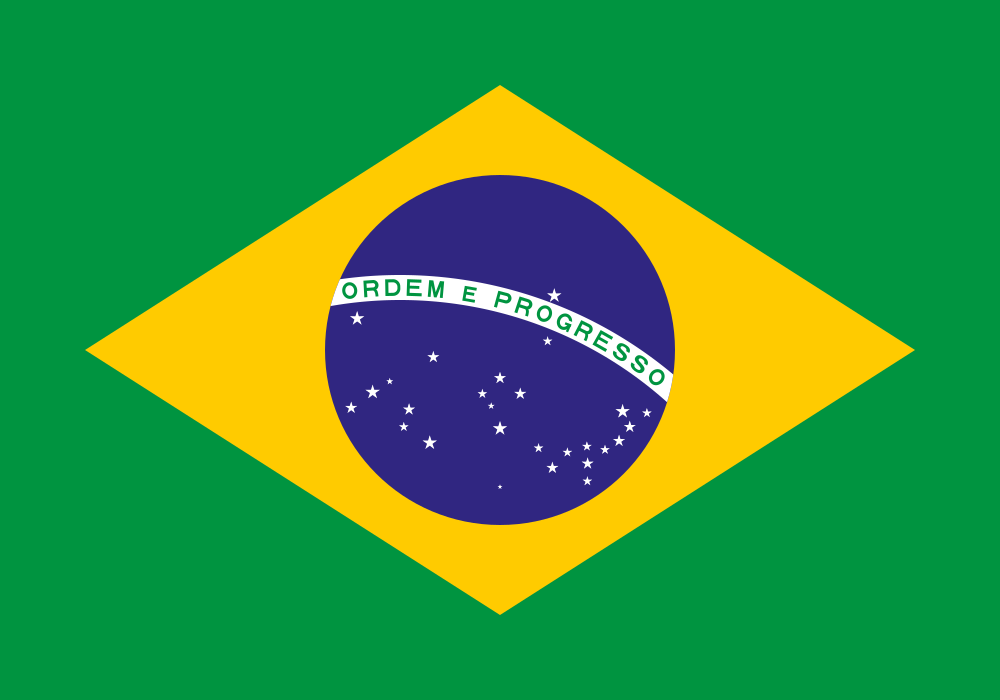
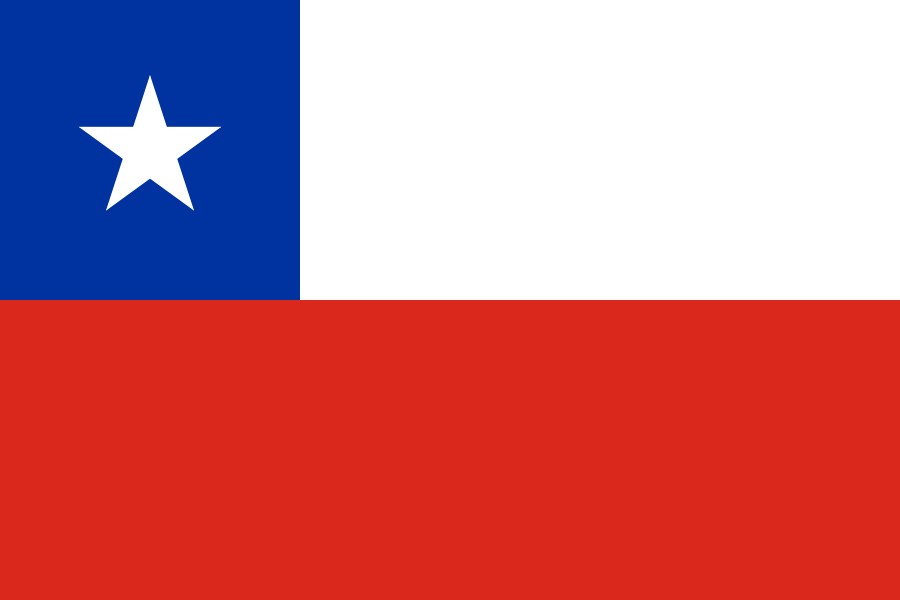
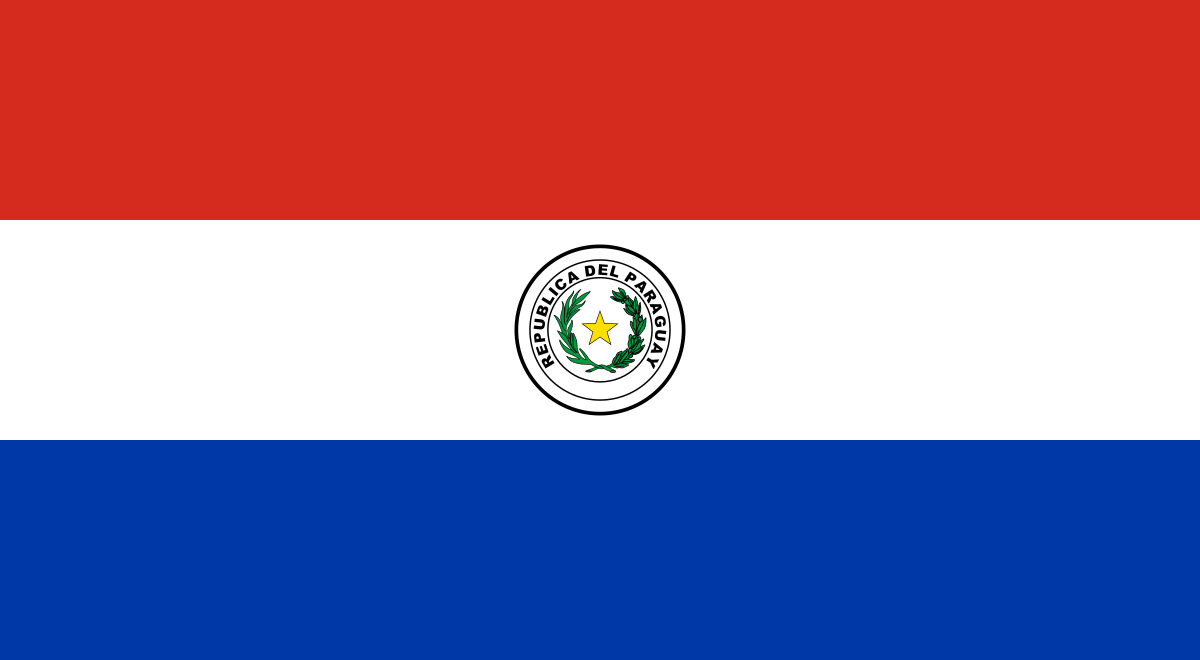
Land neighbors, approximated from simplified map outlines.
State & regional flags (24)
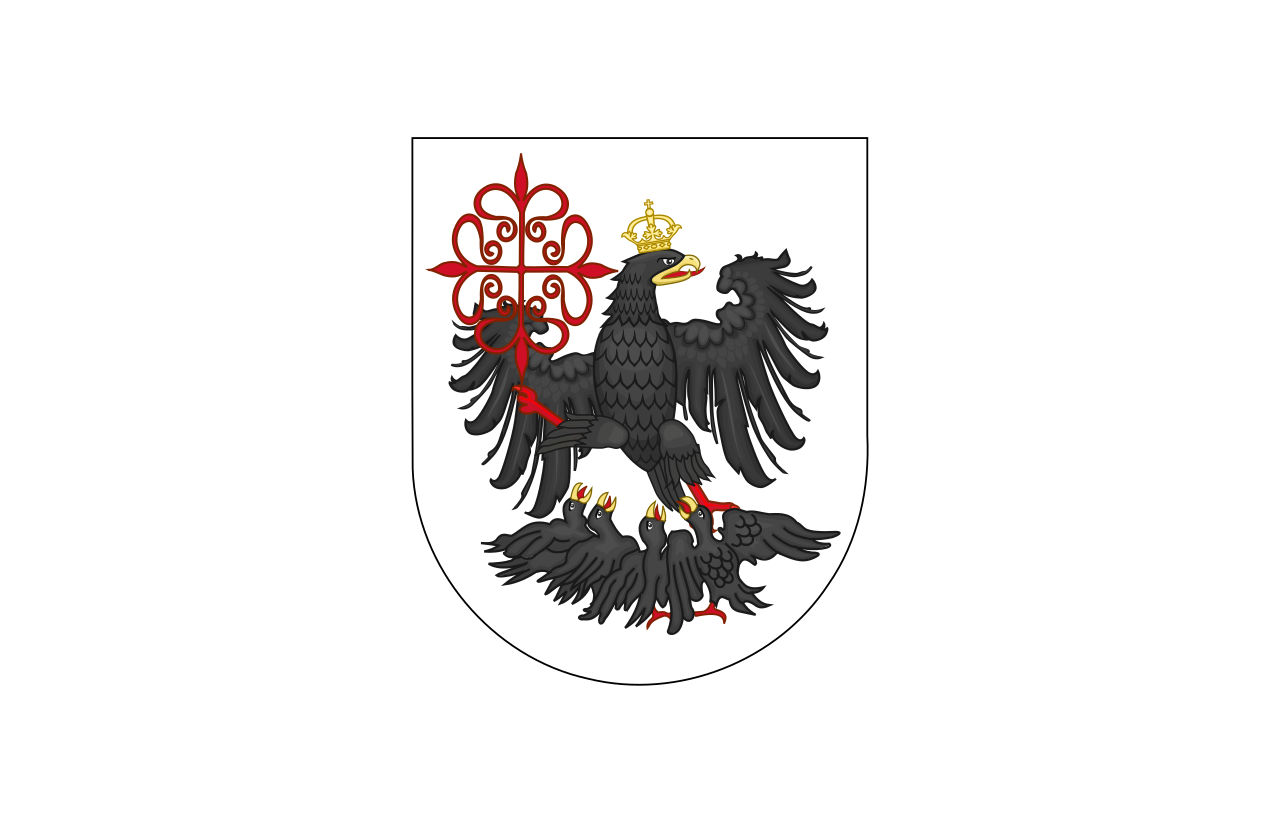
Buenos Aires City
A shield at the centre of a white field holds a black eagle wearing a gold crown, its wings spread wide. One claw grips a red Calatrava cross, and four eaglets sit beneath it. It marks Buenos Aires as a port city founded under the Spanish crown.
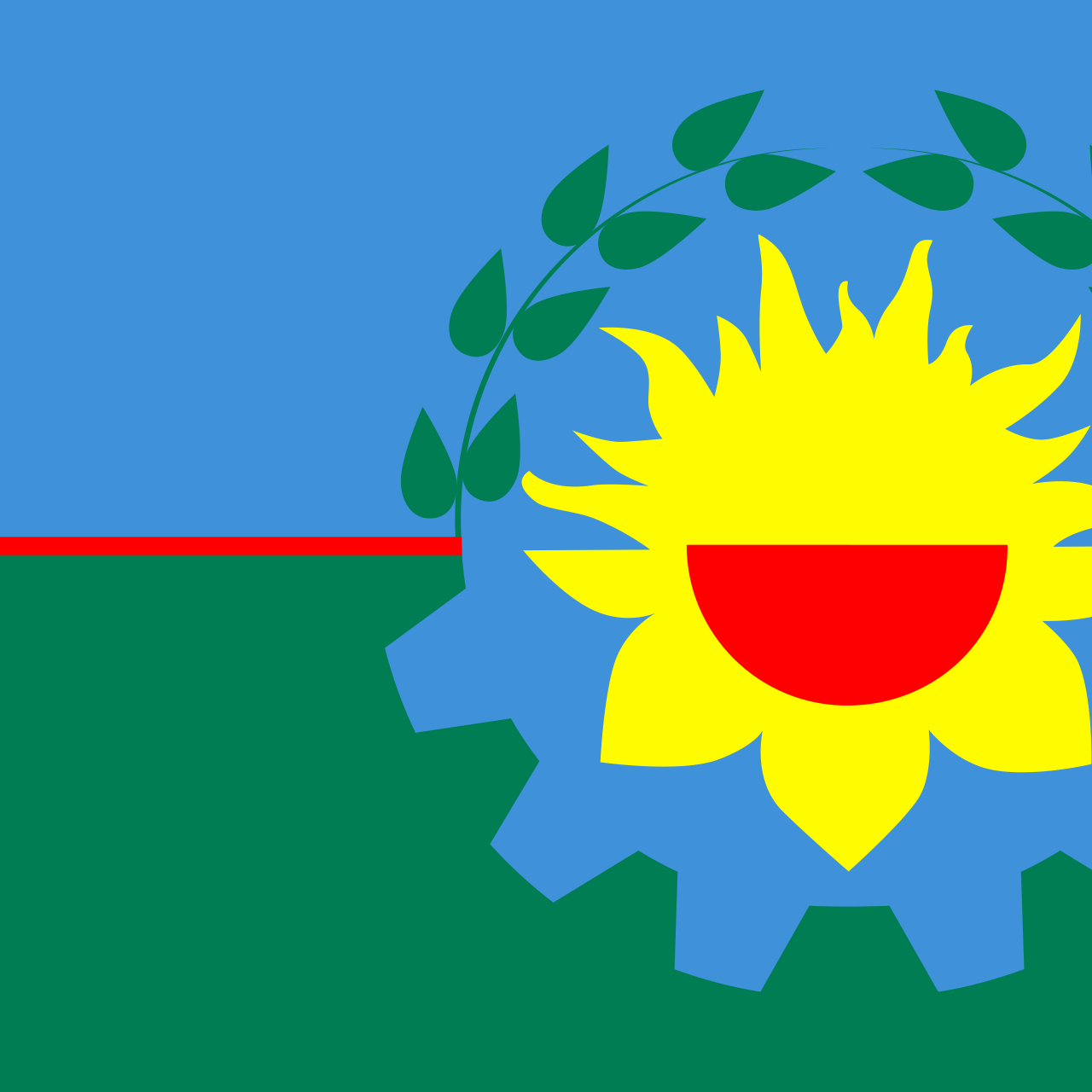
Buenos Aires Province
Sky blue above, green below, with a thin red line along the join. A yellow sun framed by a blue cogwheel and a green laurel wreath stands for a province of farming and industry set between sky and pampas.
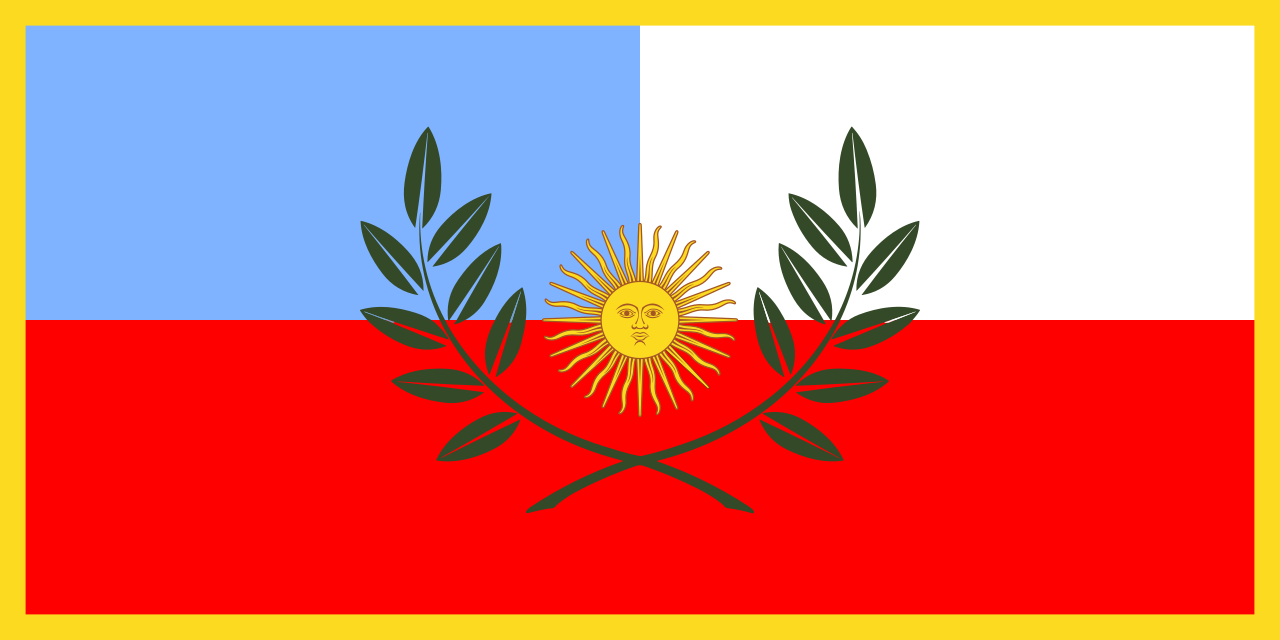
Catamarca
Inside a heavy gold border sit three fields — sky blue upper hoist, white upper fly, red across the lower half — with a May Sun bearing a face at the centre and crossed olive branches at its sides. The sun stands for independence, the olive for peace.
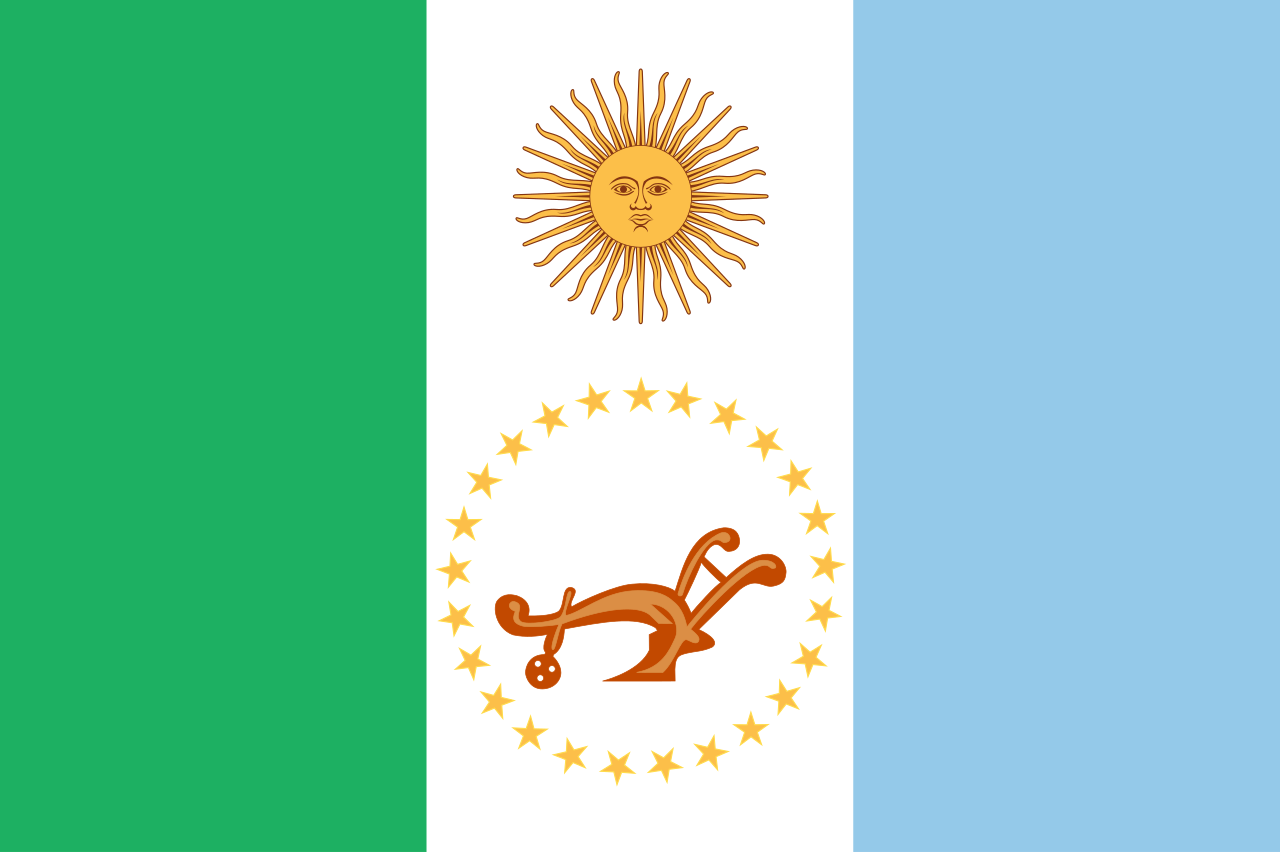
Chaco
A vertical tricolour: green at the hoist, white in the middle, sky blue at the fly. On the white band a May Sun with a face rides above a plough, ringed by twenty-five stars for the province's twenty-five municipalities.
Chubut
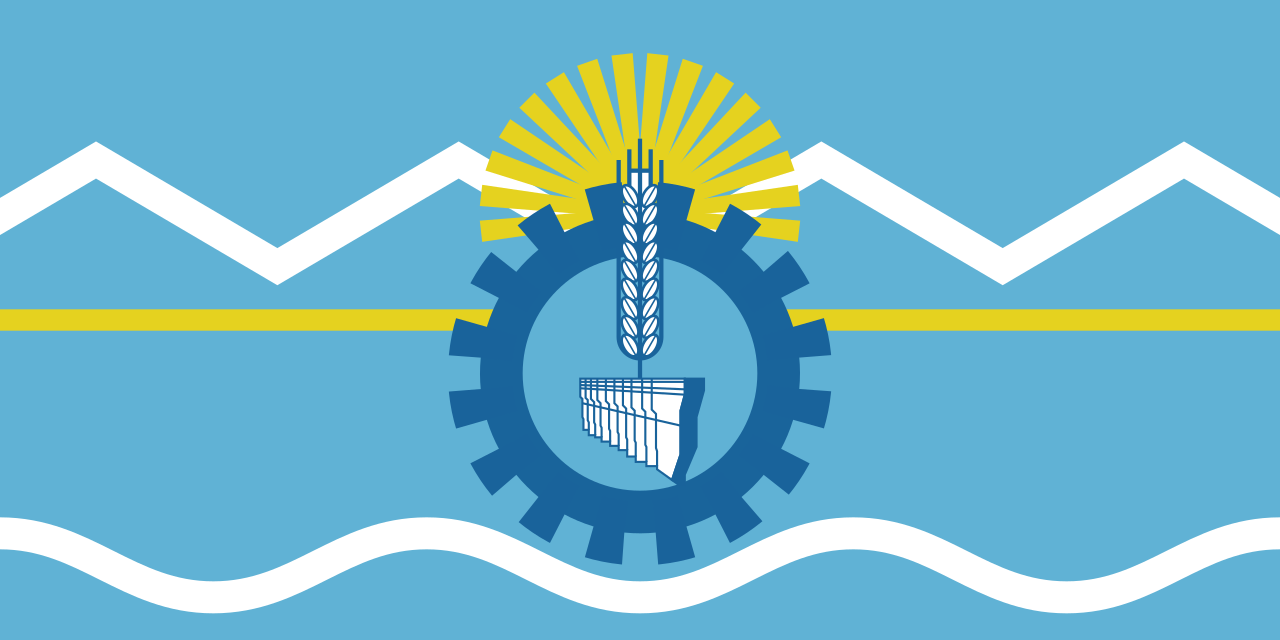
A light blue field with a white zigzag mountain range across the top and white waves below, divided by a yellow band through the middle. At the centre yellow rays fan out like a sun, and in front of them a blue cogwheel encloses ears of wheat and the Florentino Ameghino hydroelectric dam.
Córdoba
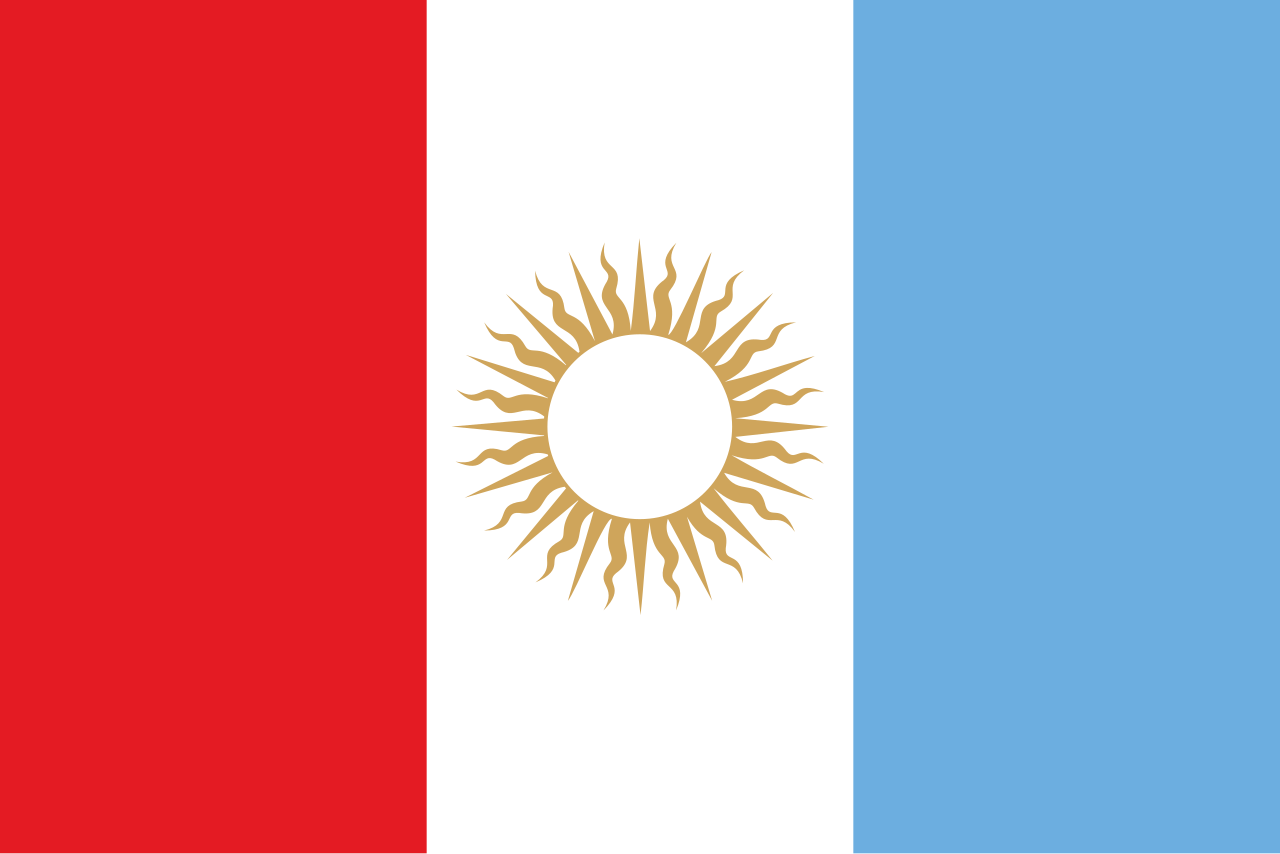
Vertical tricolor of red (federalism), white (purity), and blue (justice), centered with the May Sun.
Corrientes
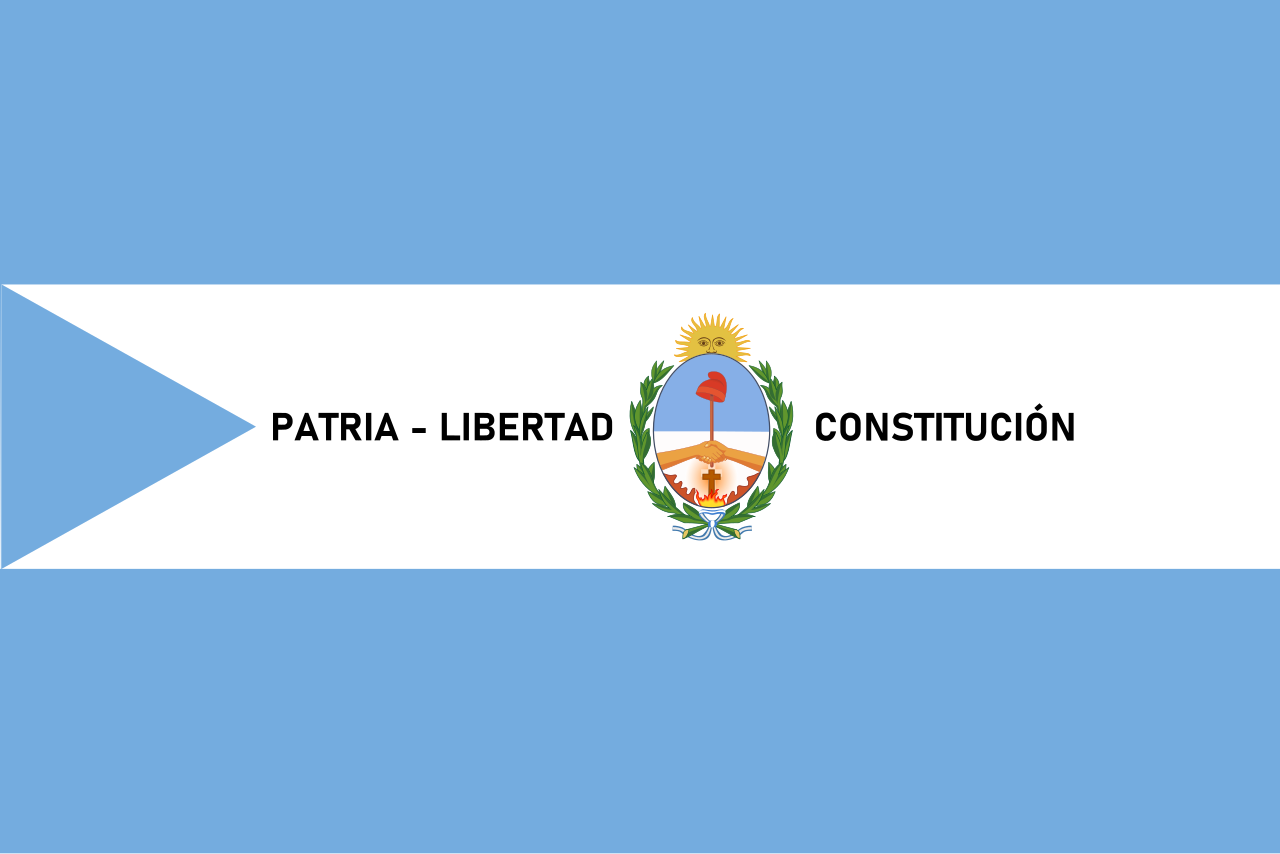
Three bands — sky blue, white, sky blue — with a sky-blue triangle cutting in from the hoist, and across the white band the words 'PATRIA - LIBERTAD ... CONSTITUCIÓN' in large letters. In the central laurel oval a red Phrygian cap, two clasped hands and a sun stand for liberty and federal union.
Entre Ríos
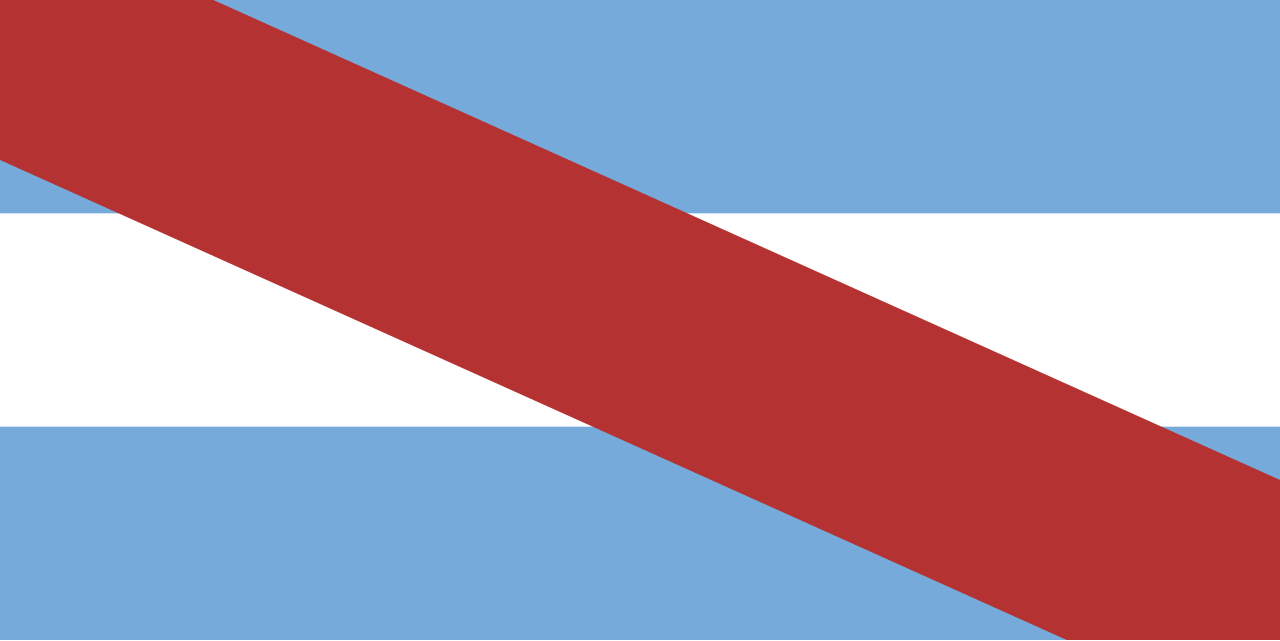
Light blue and white horizontal stripes with a bold red diagonal stripe (Artigas stripe) representing federalism.
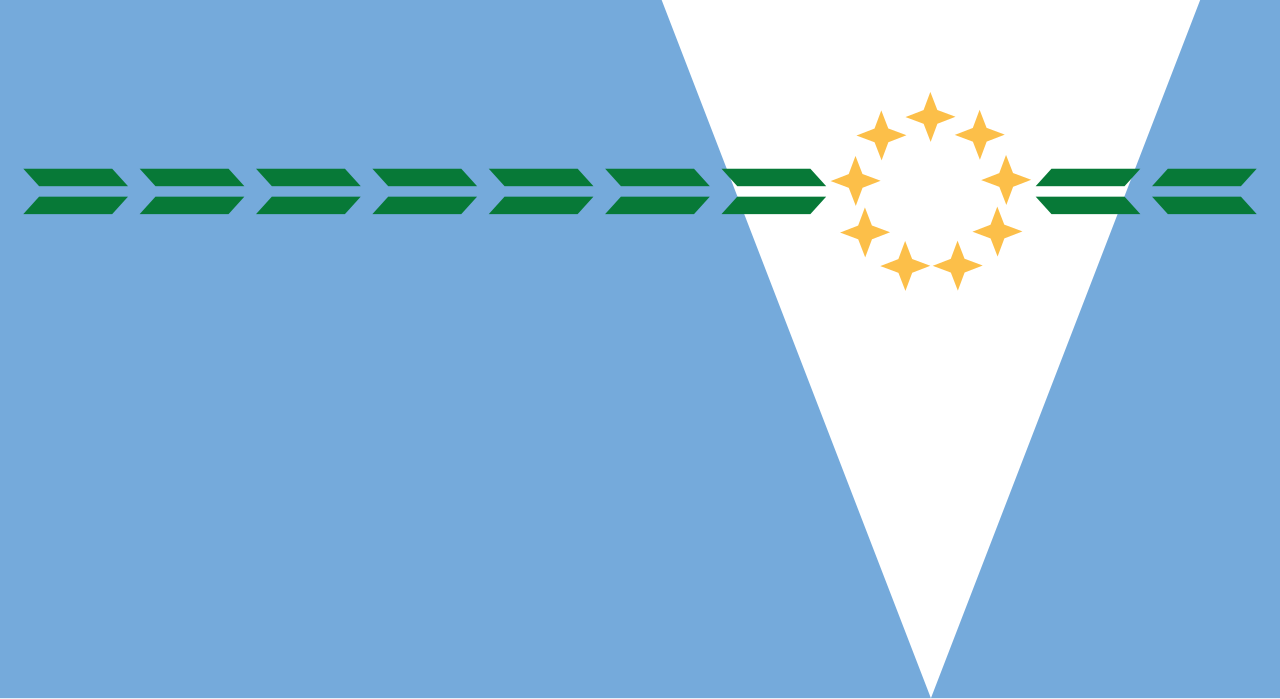
Formosa
A green wedge crosses a blue field, and a white inverted triangle cuts in from the fly. Within it nine four-pointed gold stars stand in a ring for the province's nine departments.
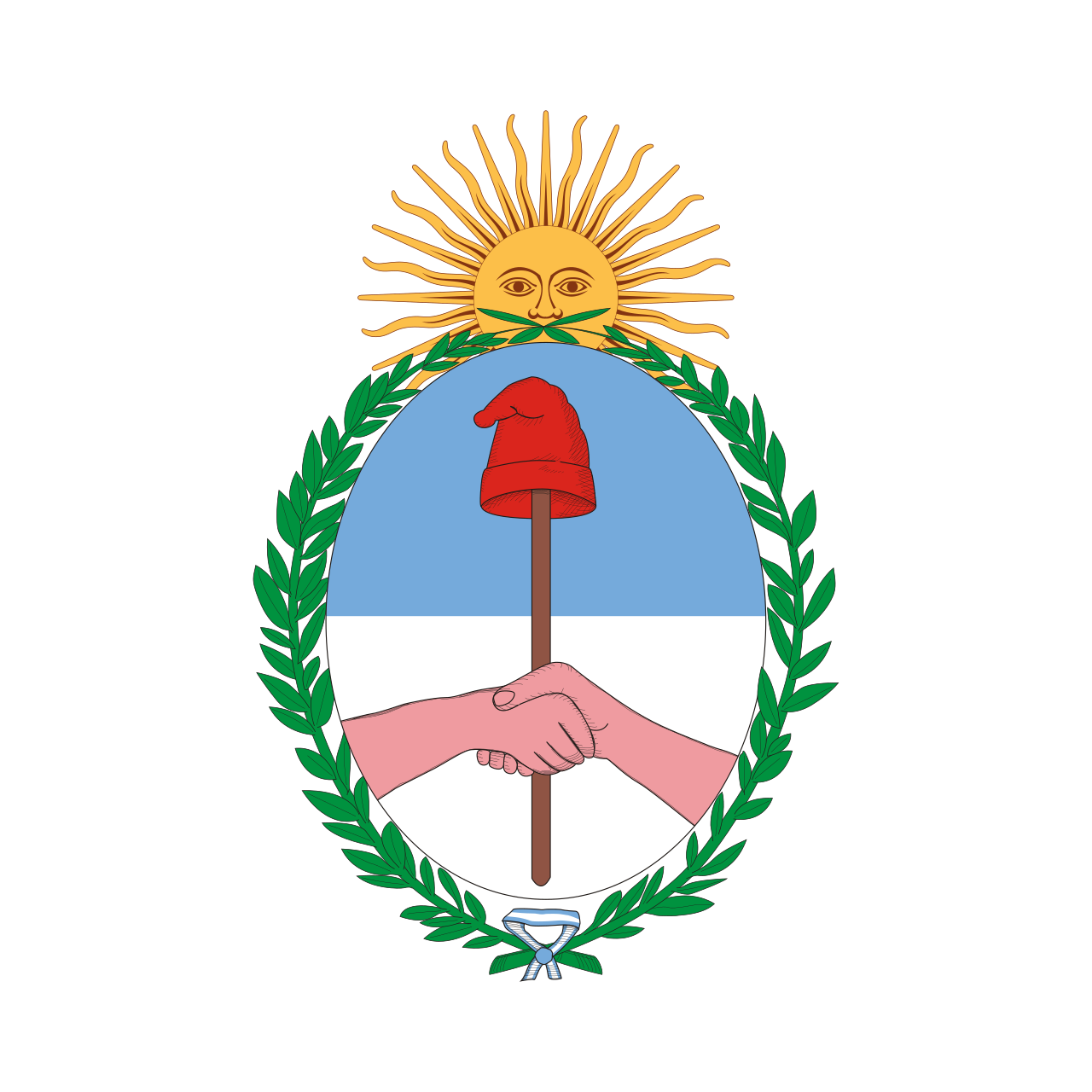
Jujuy
A white field centred on an oval coat of arms within a laurel wreath. Inside the oval are a pole carrying a red Phrygian cap and two clasped hands, with a sun bearing a face above them. The design comes from the 'Flag of Civil Liberty' (Bandera Nacional de la Libertad Civil) that General Manuel Belgrano gave to the people of Jujuy in 1813.
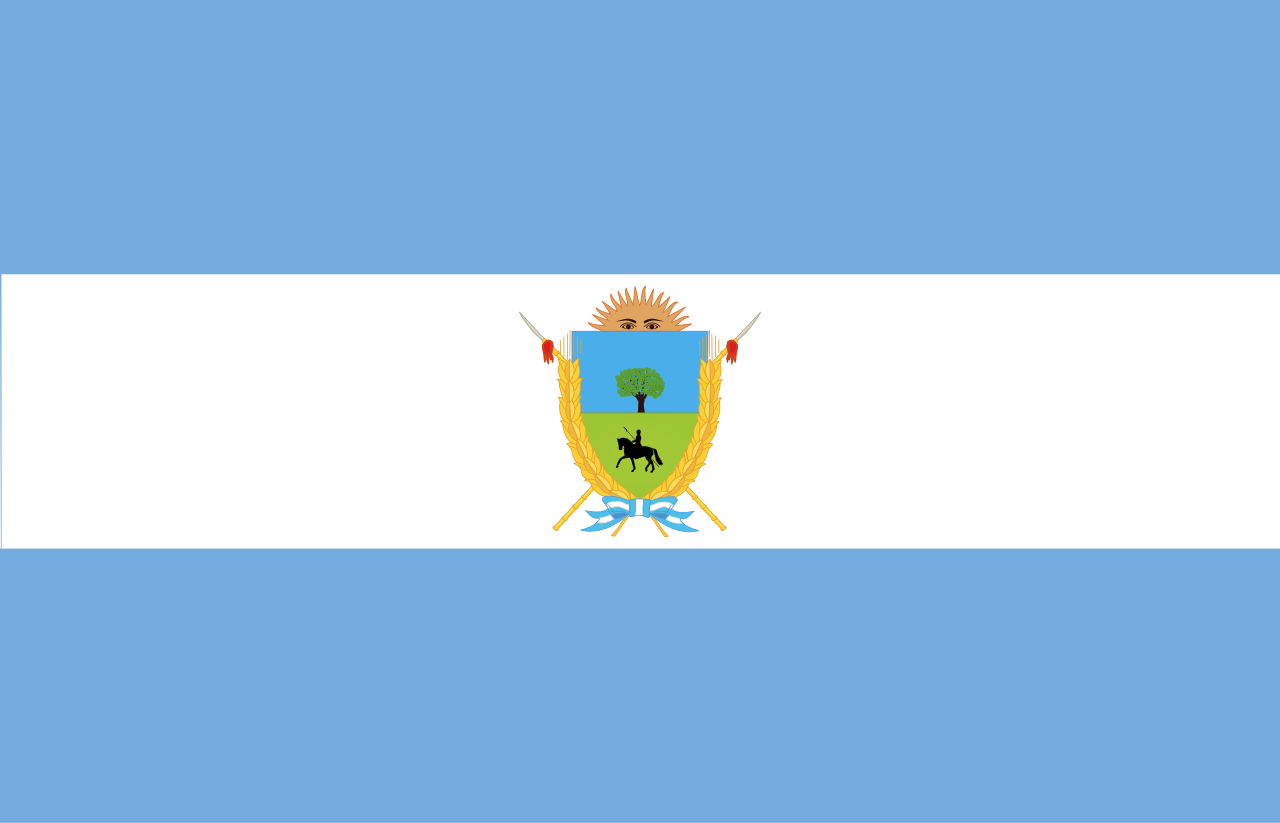
La Pampa
The Argentine national colours carry the provincial arms at the centre. The upper, sky-blue half of the shield holds a caldén tree of the pampa; the lower, pale green half a mounted figure with a lance in black silhouette, framed by golden wheat and two red-tasselled lances.
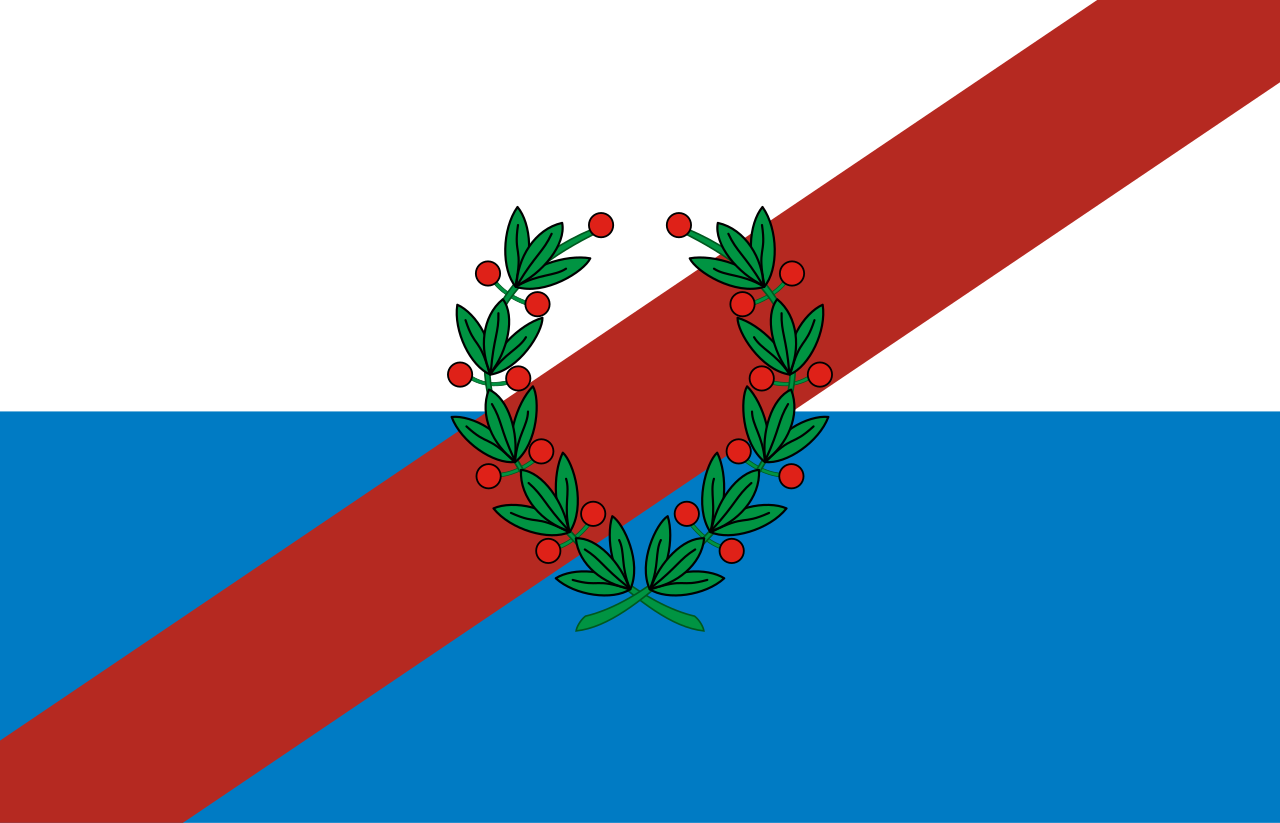
La Rioja
White above and blue below, crossed from lower hoist to upper fly by a red diagonal band. At the centre a green laurel wreath bearing red berries stands for the federalist tradition and the fruit of this land.
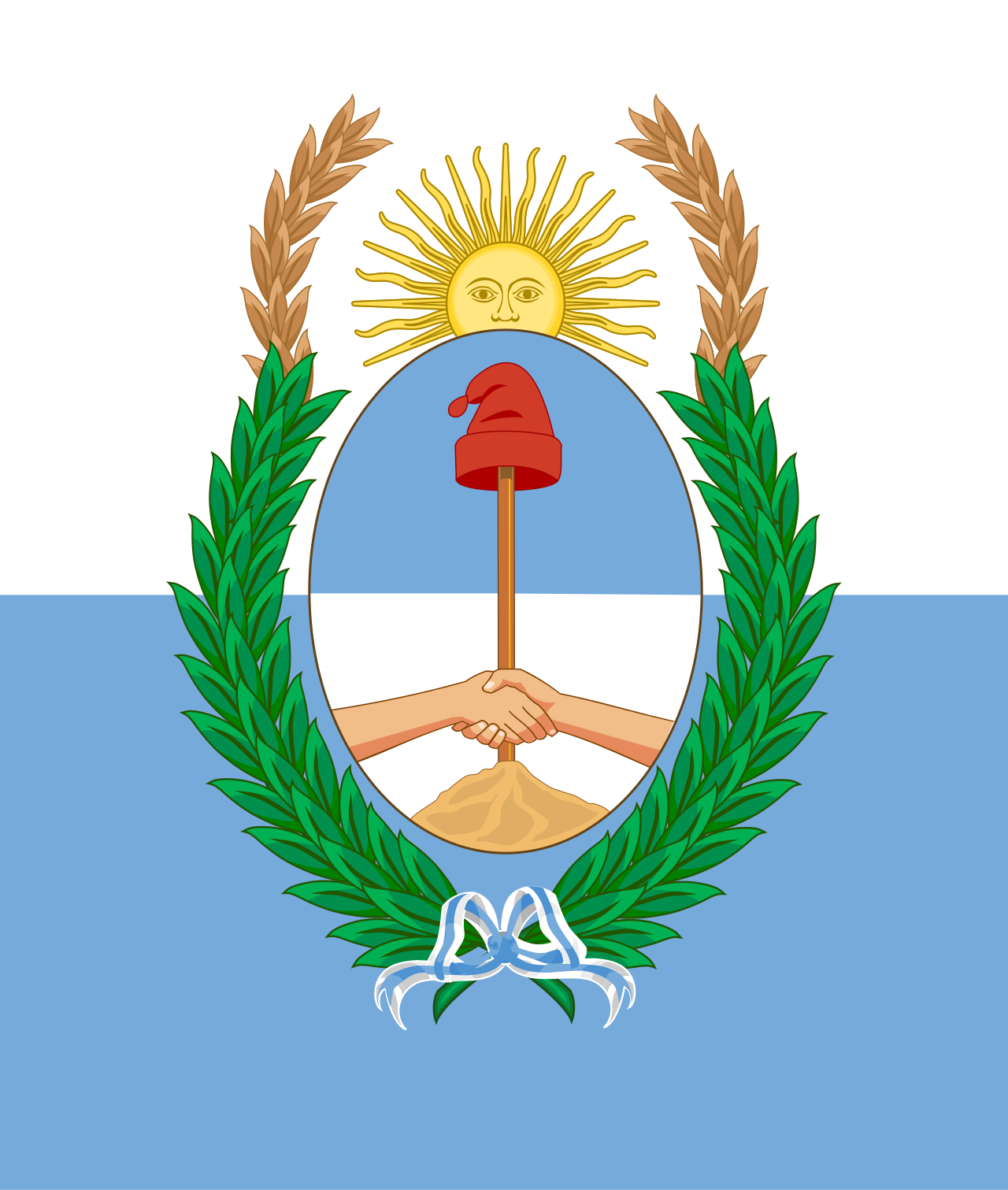
Mendoza
A vertical field recreating the historic Flag of the Army of the Andes used by General José de San Martín in 1817.
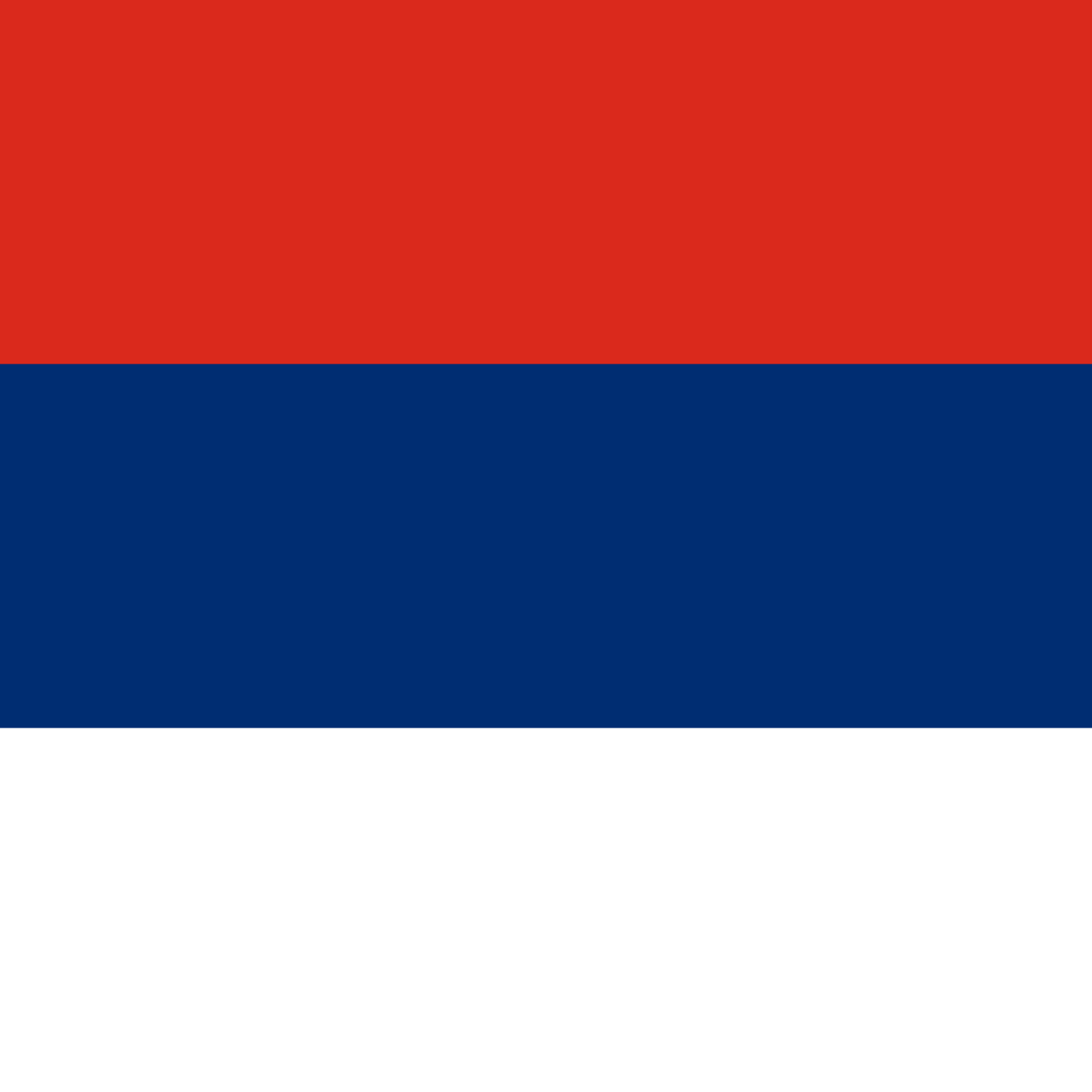
Misiones
Horizontal tricolor of red (courage and shed blood), blue (rivers and sky), and white (greatness and purity), created by José Artigas.
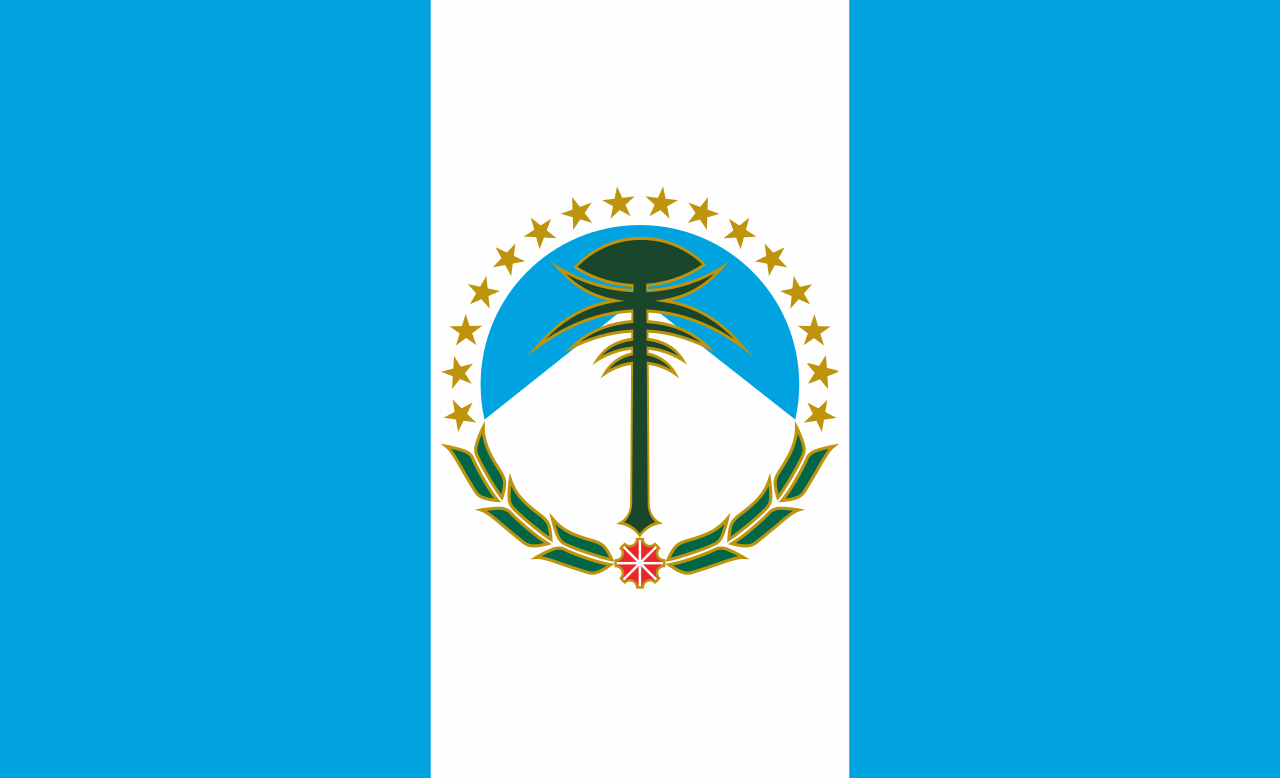
Neuquén
Vertical stripes of blue, white, and blue featuring the silhouette of Mount Lanín, the sacred Pehuén (Araucaria) tree, and stars.
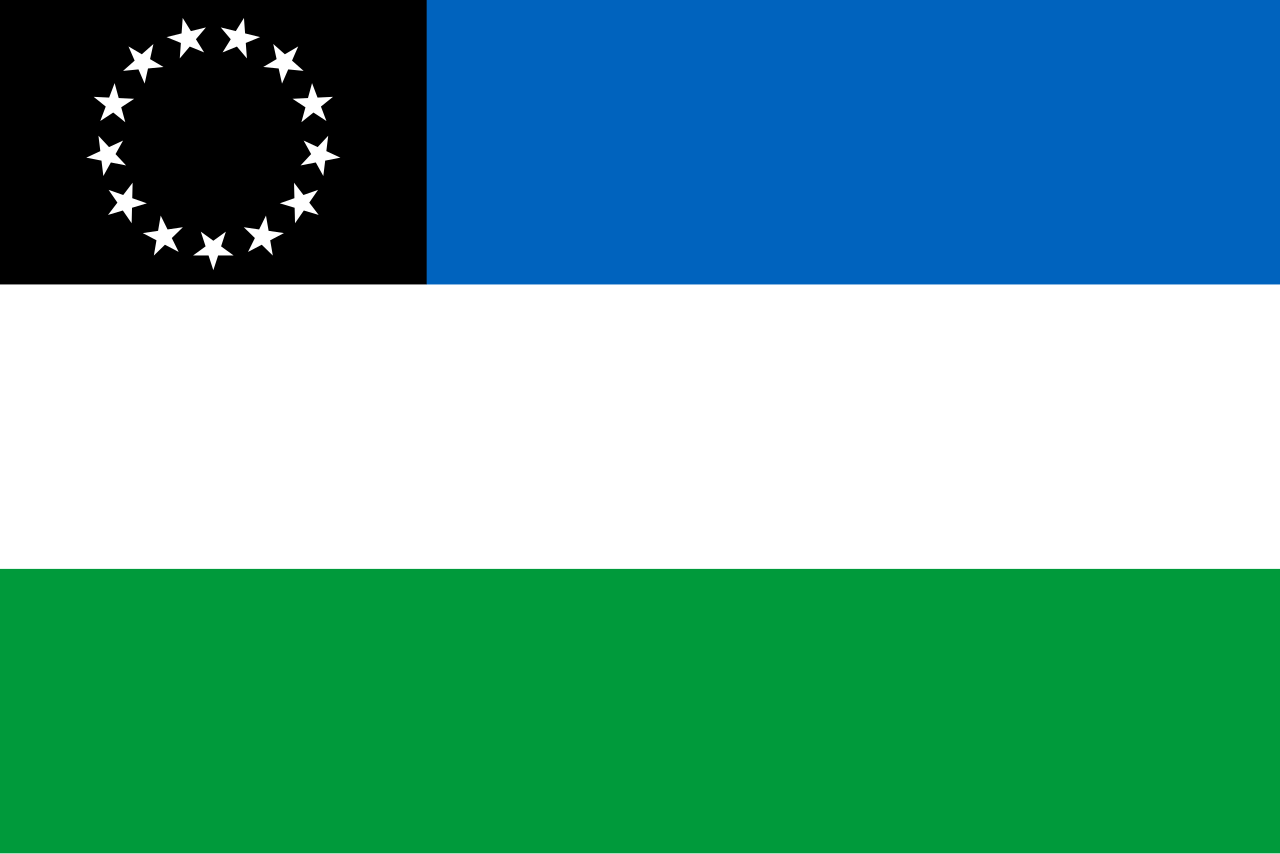
Río Negro
Horizontal bands of blue (sky and lakes), white (snow and ice) and green (the orchards of the Río Negro valley), with a black square canton in the upper hoist. Within it thirteen white stars form a circle, one for each department of the province.
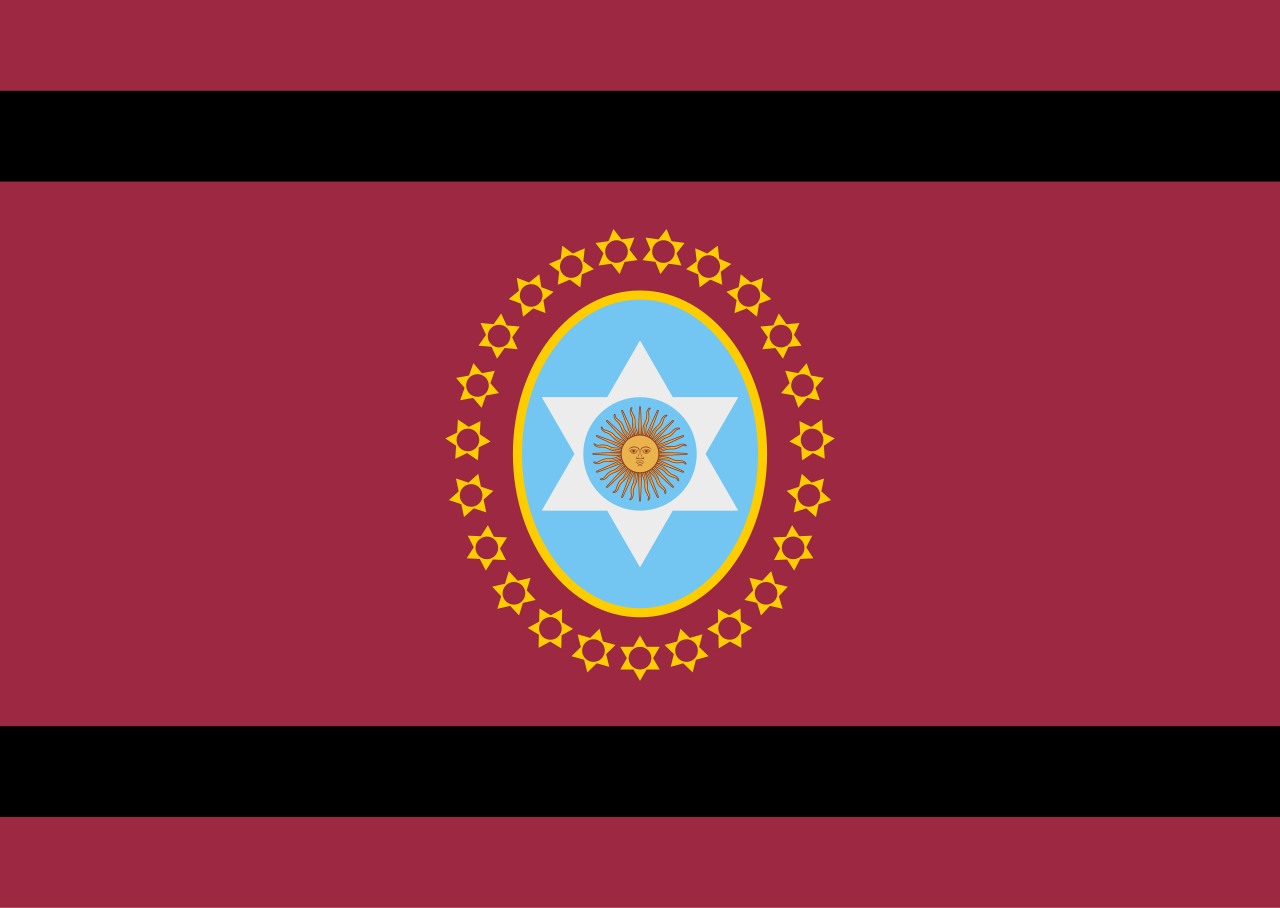
Salta
A red field with black stripes, in the pattern of the Salta poncho, carrying a gold-rimmed light blue oval. Inside the oval is a white six-pointed star with a sun bearing a face at its centre, and around the oval runs a ring of 23 gold six-pointed stars, one for each department of the province.
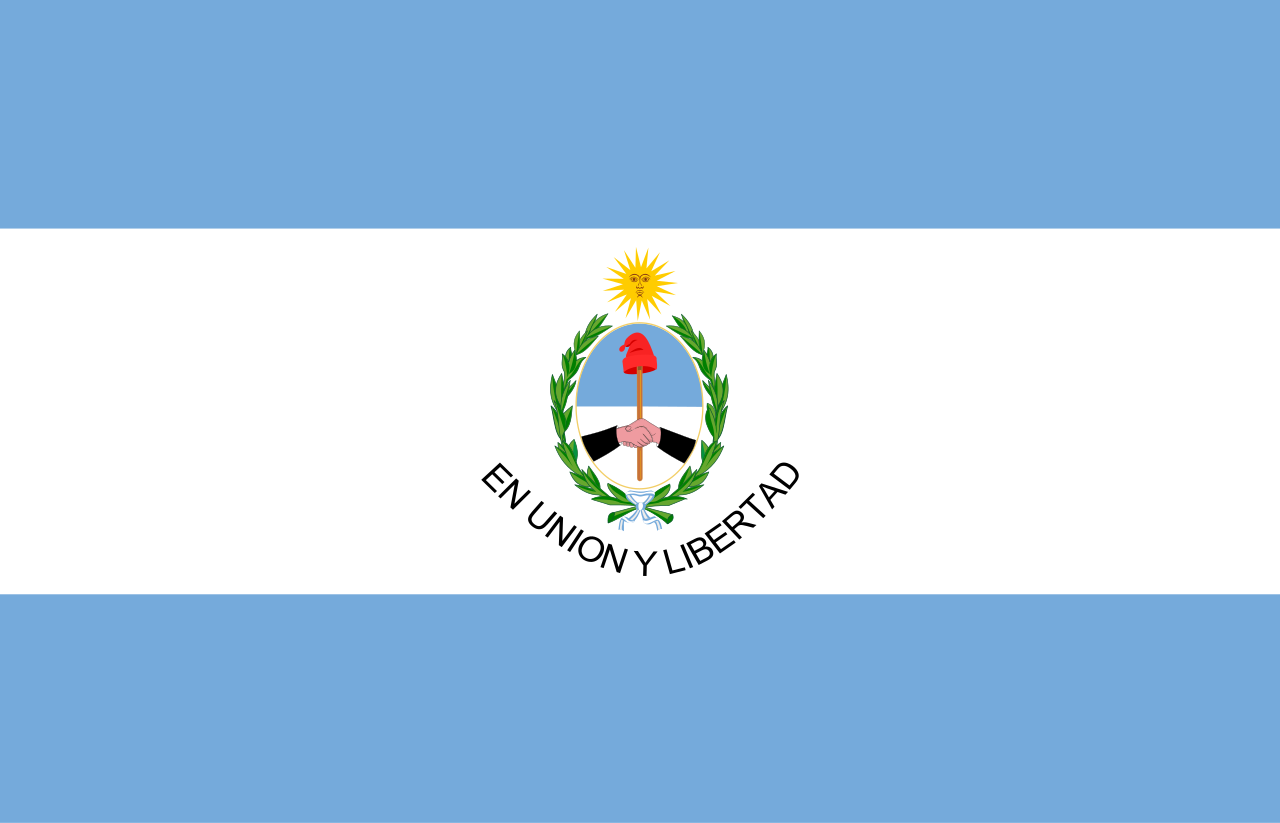
San Juan
Light blue and white tricolor featuring the provincial coat of arms centered with the May Sun, Phrygian cap, and clasped hands.
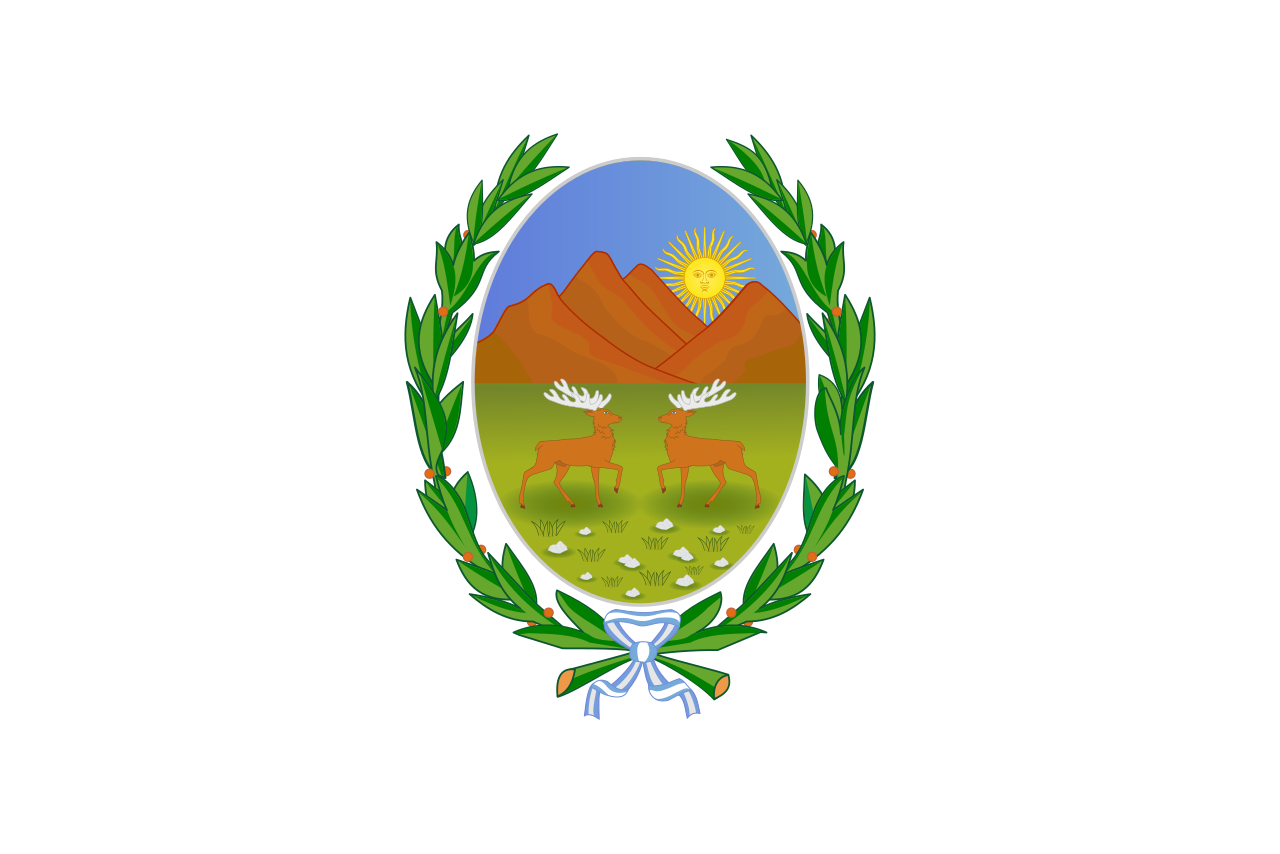
San Luis
A white field centred on the provincial coat of arms. Within a laurel wreath, an oval shows the Sierras ranges that cross the province with a sun bearing a face rising above them, and in the green field in front two deer with white antlers stand facing each other.
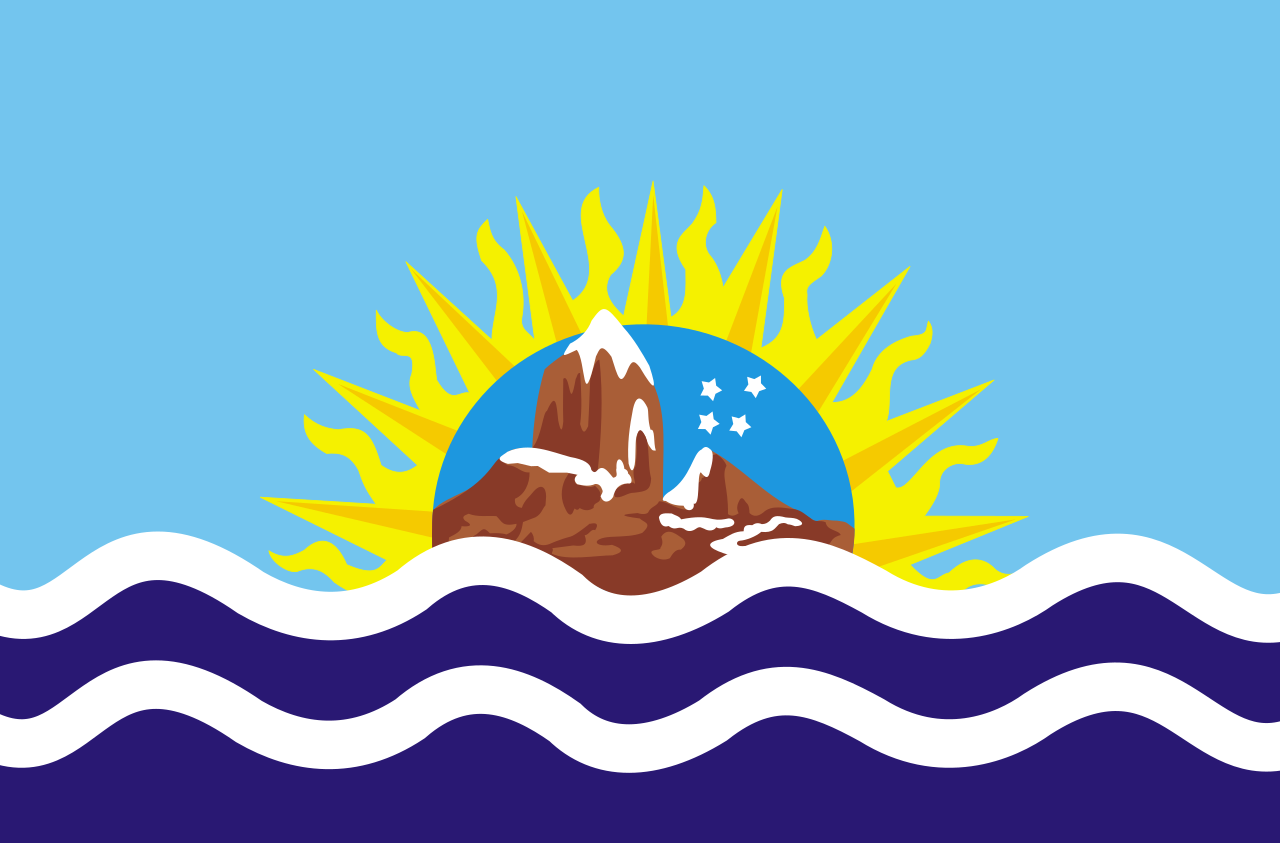
Santa Cruz
A blue field featuring the Southern Cross constellation over the silhouette of Mount Fitz Roy and a rising sun.
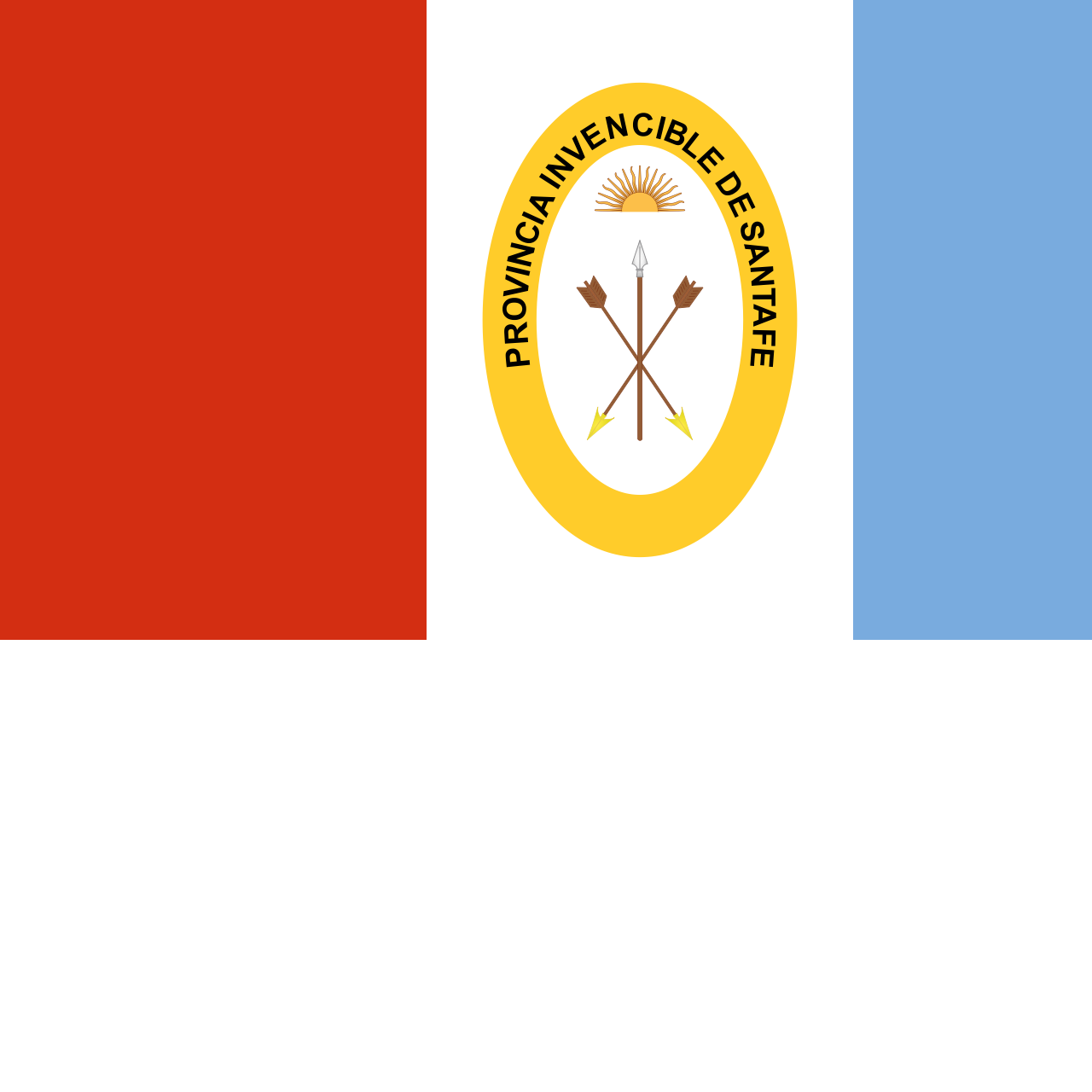
Santa Fe
A vertical tricolour of red, white and sky blue with a golden oval at the centre, ringed by the words 'PROVINCIA INVENCIBLE DE SANTA FE'. Inside, a rising sun stands above an upright lance and two crossed arrows — the mark of a province that would not be beaten.
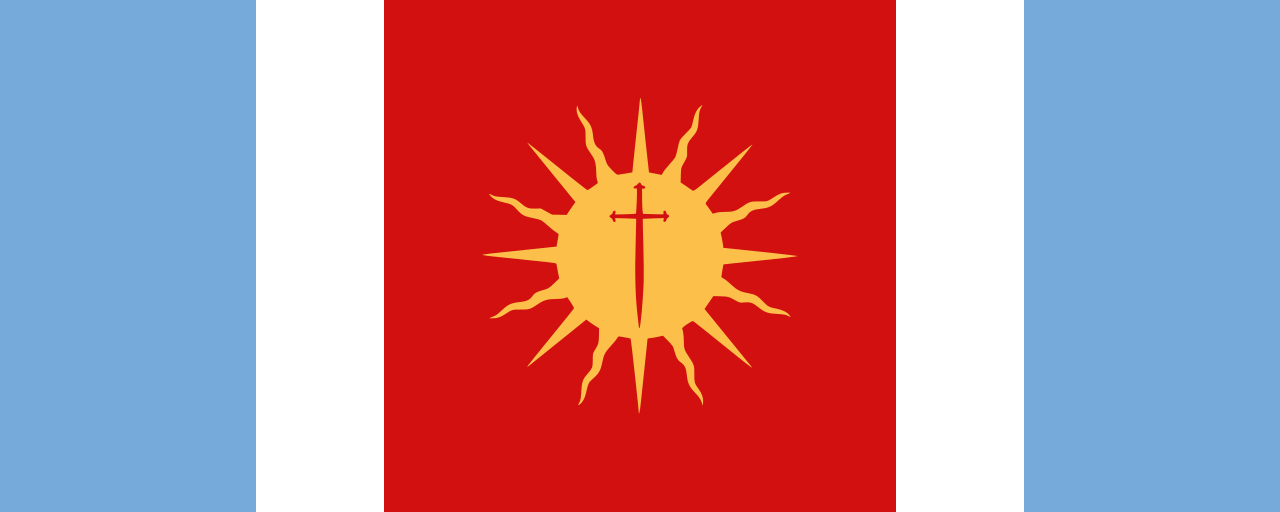
Santiago del Estero
Five vertical bands — sky blue, white, red, white, sky blue — with a yellow May Sun and a red Cross of Saint James set on the broad red centre. The cross names the province's patron saint.
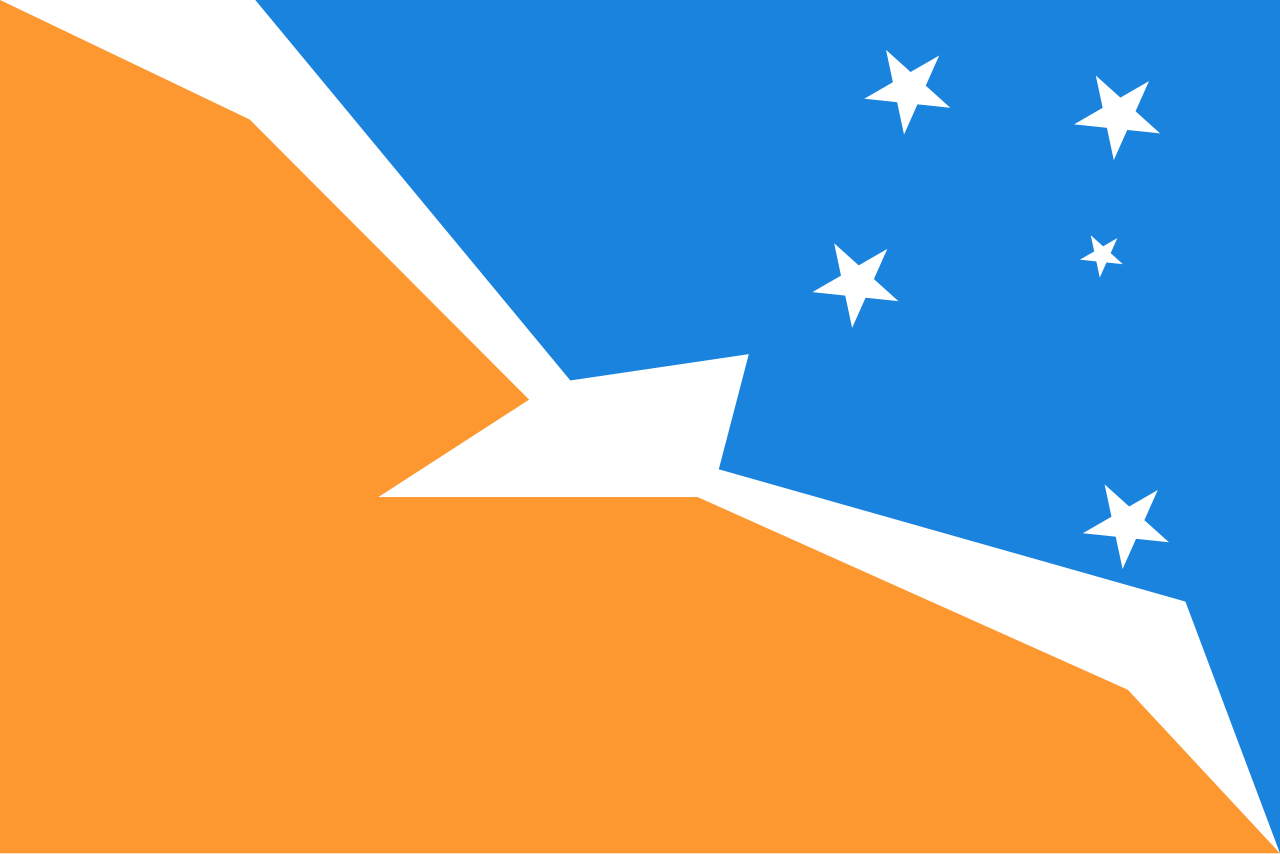
Tierra del Fuego
Divided diagonally into orange (fire/land) and blue (sea/sky) by a stylized white albatross, featuring the Southern Cross.

Tucumán
Three horizontal bands, white above and below with sky blue between. The Argentine colours mark the place where independence was declared in 1816.
Data Sources
- What the flag means: Decreto N° 10.302/1944, Art. 2º
- Population: Population, total (SP.POP.TOTL), latest available value
- Area: World countries in JSON, CSV, XML and YAML
- Organizations: Membership of Principal UN Organs