The Pan-Arab Colors: The 1916 Flag and What Came After
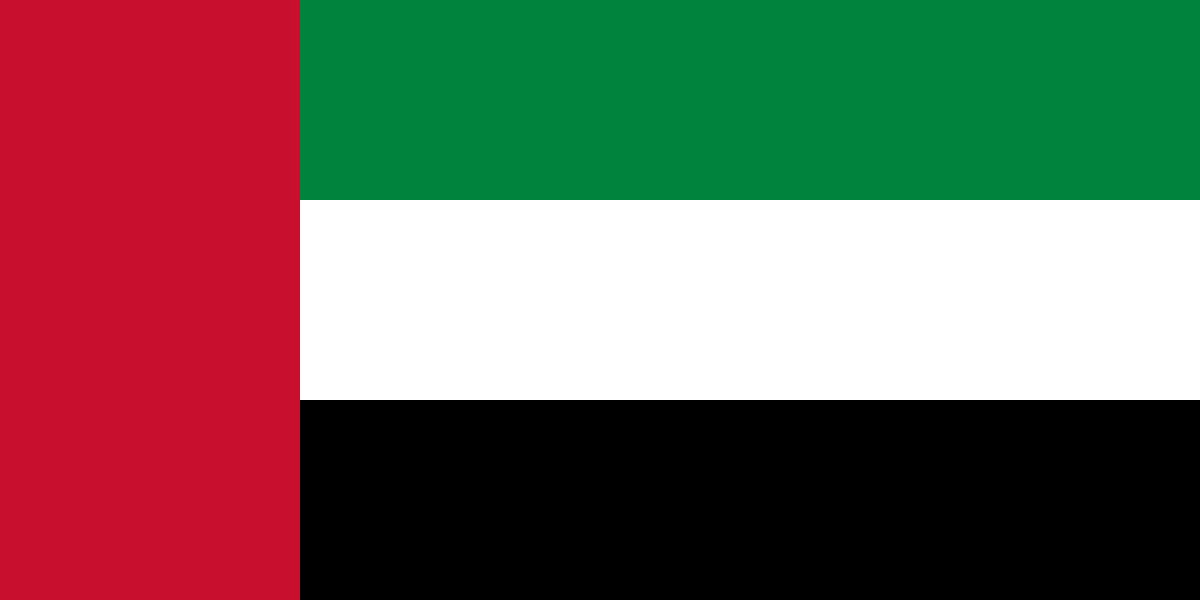
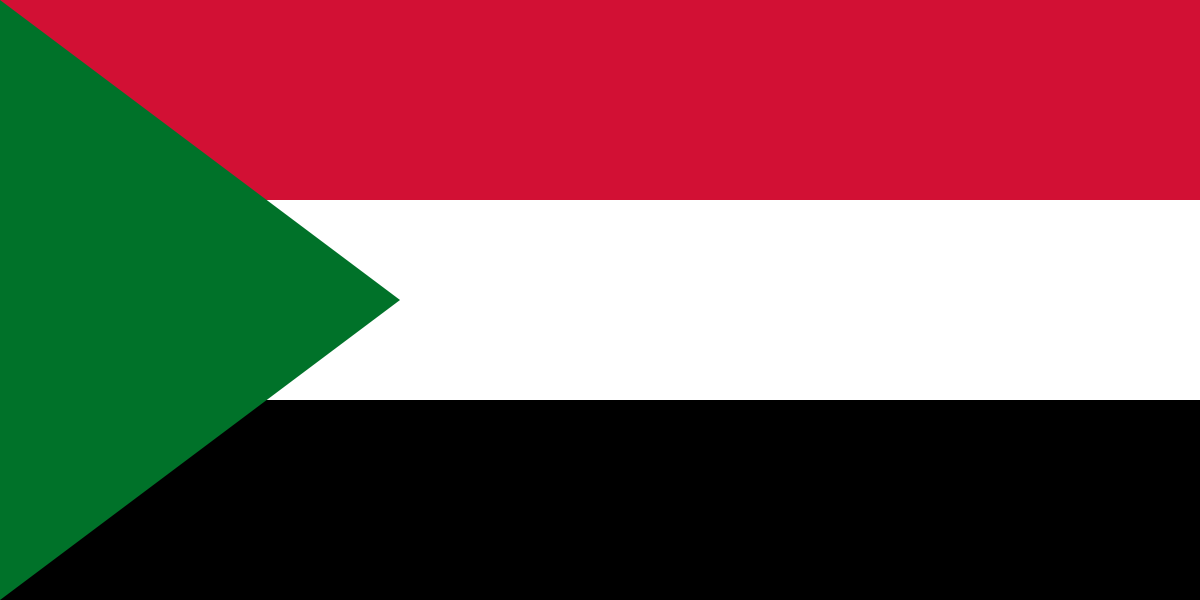
The flags of Jordan, Palestine, Kuwait, the United Arab Emirates, Egypt, Iraq, Yemen, Syria and Sudan all draw on red, white, green and black. The usual starting point for putting those four colors together is the flag of the Arab Revolt of 1916.
The flag of 1916
An Arabic program at the University of California, Davis, says the four colors were first combined on the 1916 banner.[1] One survives. The Australian War Memorial holds a Hejaz flag from about 1917 to 1918, with black, green and white stripes and a red triangle at the hoist.[2]
"First" needs some care, though. Some accounts put flags of Arab societies in Istanbul and Paris, from around 1909 to 1911, earlier still. We couldn't confirm that from primary sources.
Who designed it?
That remains open. The War Memorial reports the design as attributed to Sharif Hussein in June 1916, and gives the view that the British diplomat Sir Mark Sykes made it as an alternative.[2] Both are reported rather than proven. We haven't read the books usually cited for Sykes, so we don't state either as fact.
Nor is there one meaning for the colors. A dynastic reading is common: black for the Abbasids, white for the Umayyads, green for the Fatimids, with red explained in different ways.[2] Modern meanings vary by country. Black is explained as colonial oppression in Egypt and Syria, for example.[1]
Two branches
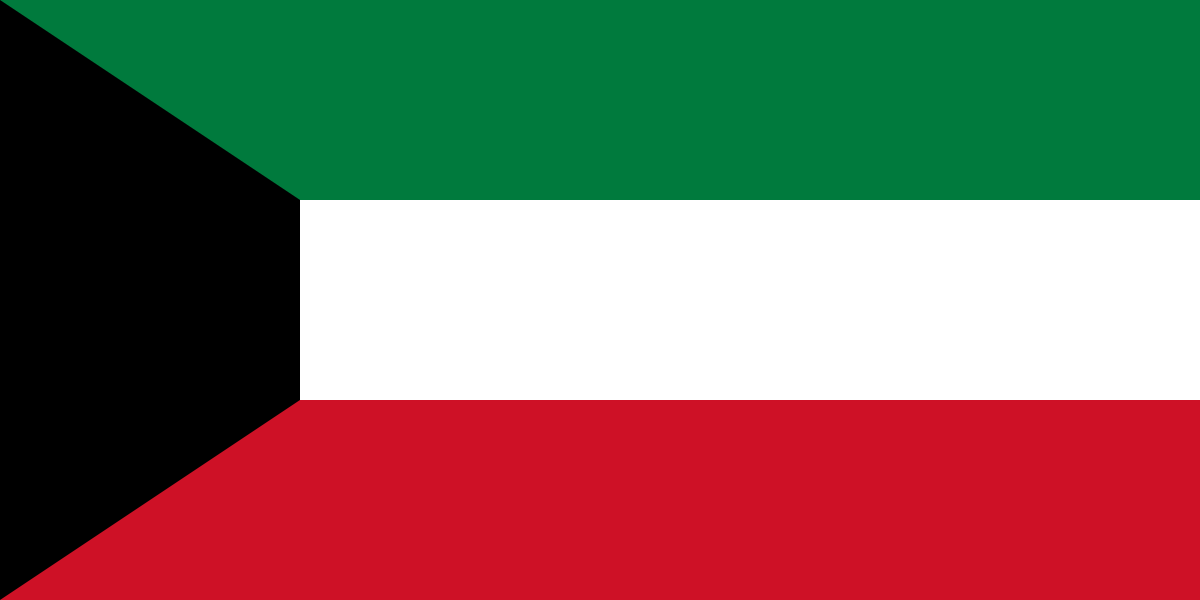
Calling all of these direct descendants of 1916 isn't quite right. Sorted by layout, two groups appear. This sorts by shape, not by descent.
| Branch | Country | Basis |
|---|---|---|
| A triangle or trapezoid at the hoist | Jordan | Constitution, Art. 4[3] |
| Palestine | 1968 Charter, Art. 31, provides for a flag[4] | |
| Kuwait | Law No. 26 of 1961[5] | |
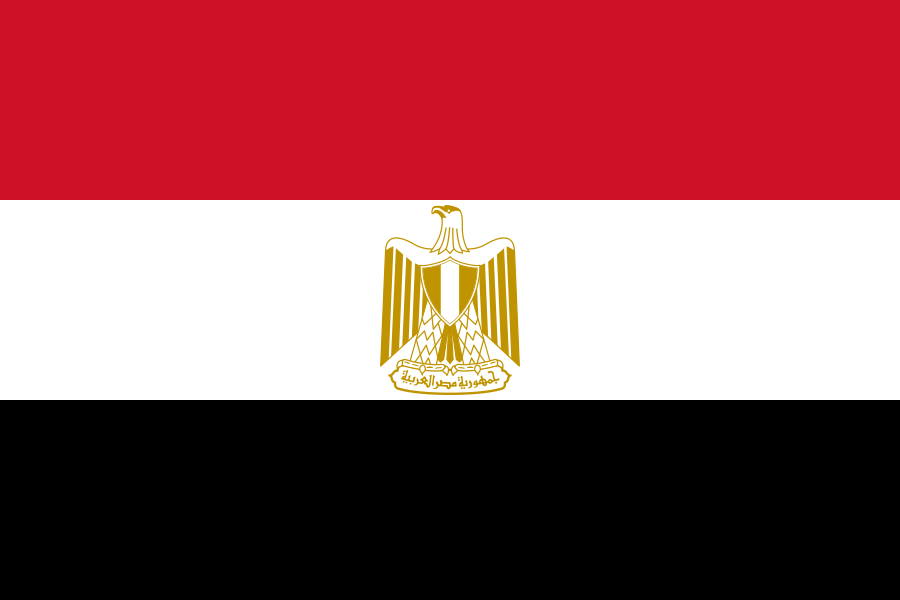
| Red, white and black stripes | Egypt | 2014 Constitution, Art. 223[6] |
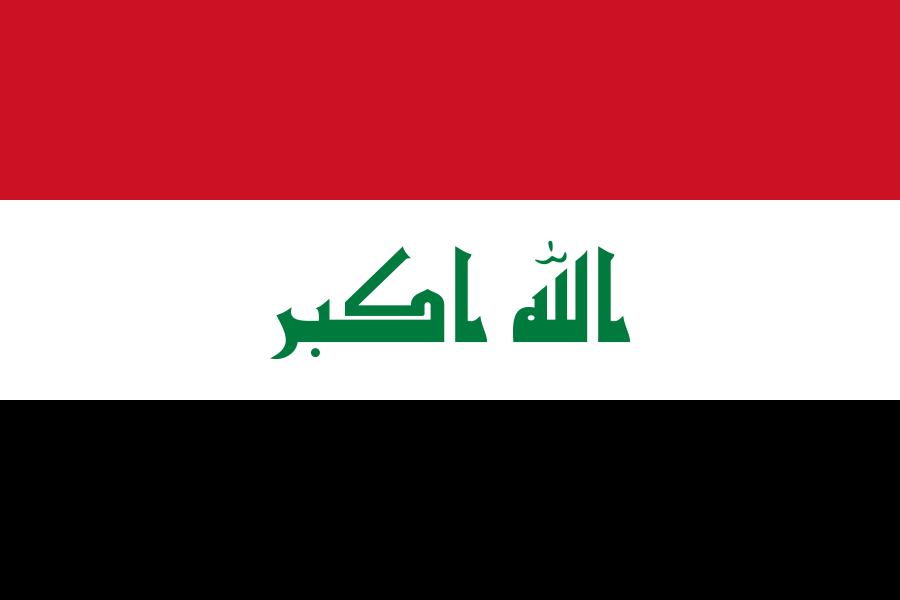
| Iraq | 2008 parliamentary vote[7] | |
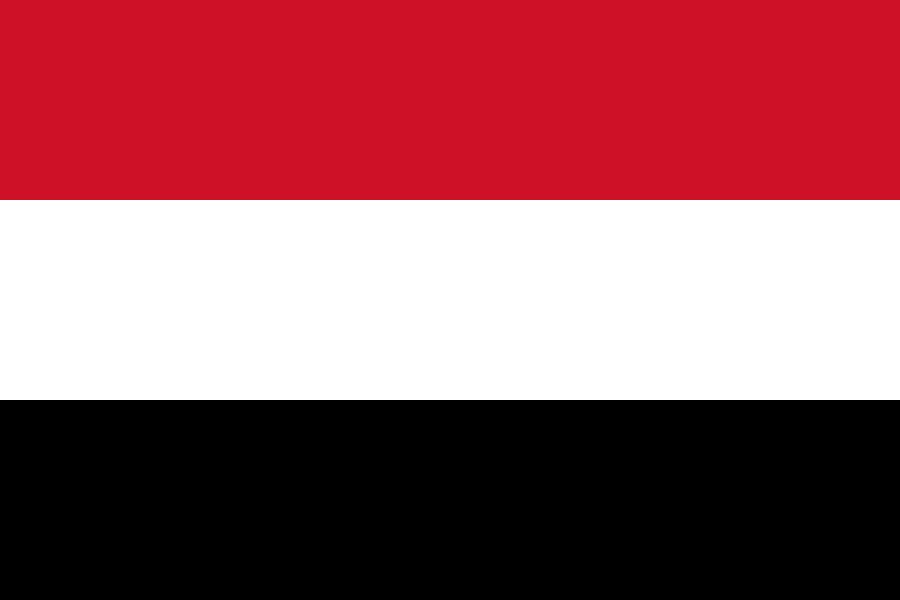
| Yemen | 1990 flag resolution[8] |
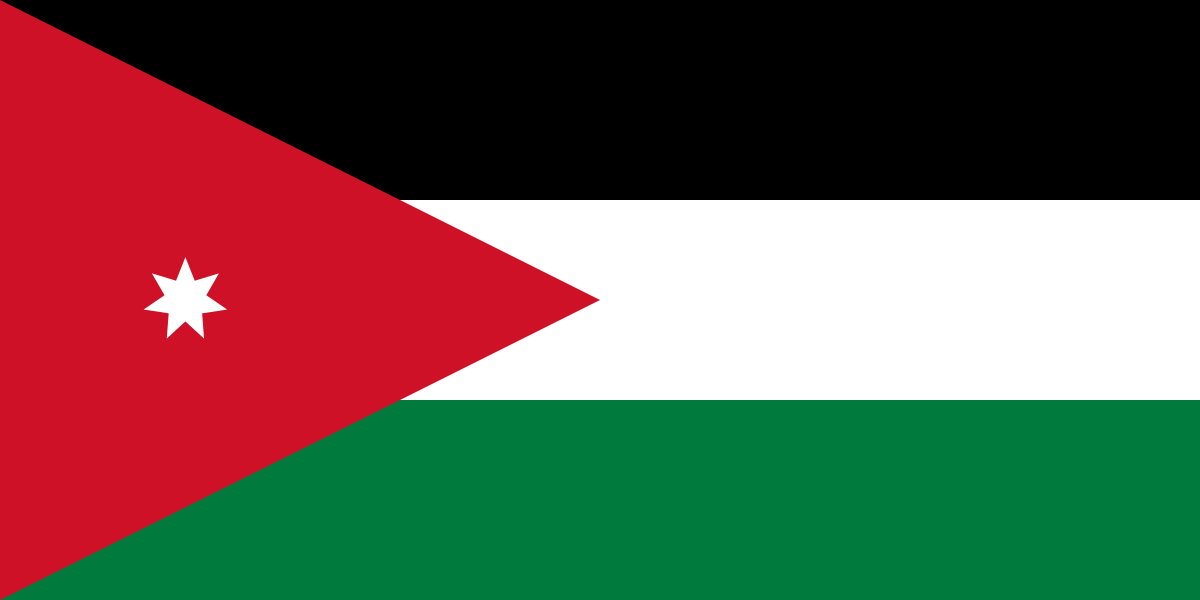
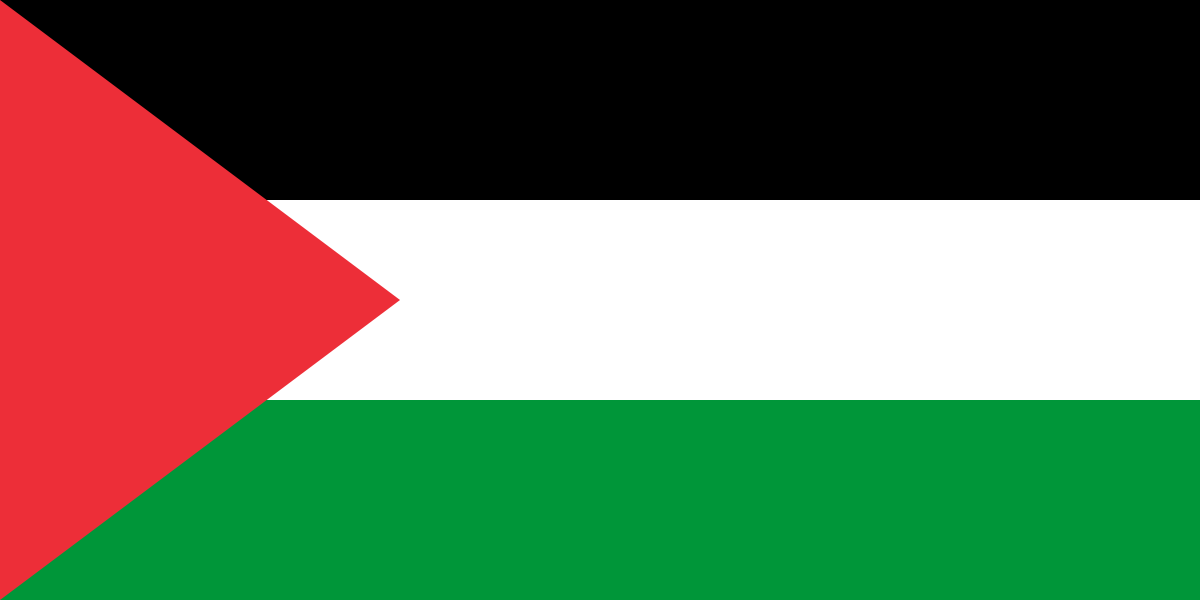
Jordan's constitution sets black, white and green from the top, with a red hoist triangle holding a white seven-pointed star.[3] Palestine's flag has the same structure without the star. Both resemble the 1916 banner in layout, though the War Memorial's example runs black, green, white.
Iraq shows how these colors move with politics. Three stars replaced a sun in 1963 under Arab nationalists[9], and in 2008 parliament voted 110 to 50 to remove them.[7]
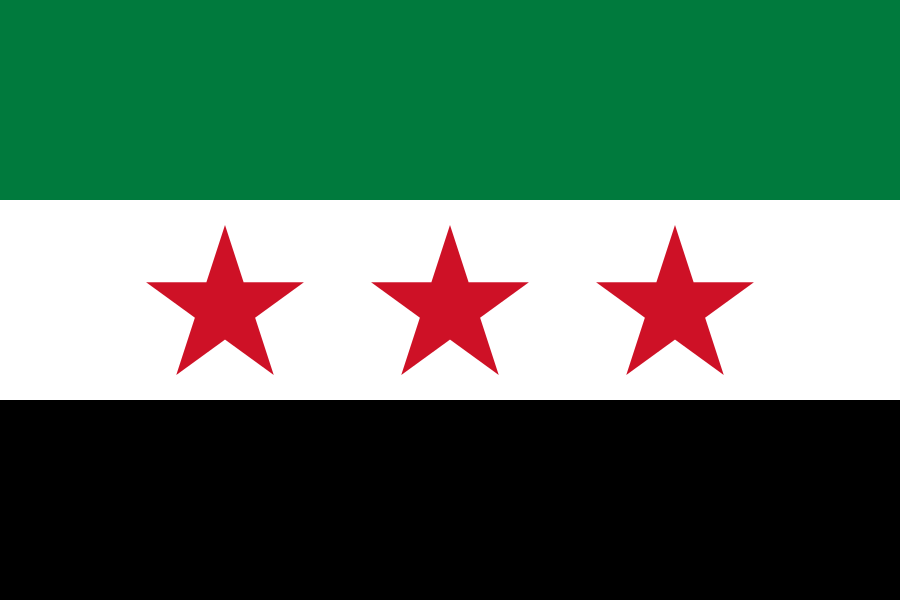
Syria is the most visible case today. Article 6 of its Constitutional Declaration of March 2025 sets three fields of green, white and black with three red stars.[10] Other recent changes are collected in our article on flag changes since 2000.
In short
The four colors came together around 1916. But the questions people ask most, about the designer and the meaning, still have no single answer.
Sources
- Arab Flags: Colors and Symbols
- Hejaz flag (C136342)
- Constitution of Jordan, Article 4
- Palestinian National Charter, Article 31
- Raise a flag, face a fine: Kuwait's new law explained
- Constitution of Egypt 2014, Article 223
- Iraq parliament approves new flag (BBC report)
- قرار مجلس الرئاسة بالقانون رقم (١) لسنة ١٩٩٠م بشأن العلم الوطني
- Iraq's flag redesign erases one of the last public symbols of the Hussein regime
- الإعلان الدستوري (Constitutional Declaration of 13 March 2025), Article 6
Read next
- Some Countries That Have Changed Their Flags Since 2000
Georgia, Iraq, Myanmar, Libya, Mauritania, Kyrgyzstan and Syria: dates, procedures and new designs for flags revised since 2000, from laws and reports.
- Telling Look-Alike Flags Apart
How to tell apart twelve groups of confusable flags, from Nordic crosses and Pan-Arab colors to vertical tricolors, one difference at a time.
This page was drafted with AI (Claude). Its facts were checked against the sources listed below, and the site owner read it before publication. Found a mistake? Please write to us and include a source: Contact